Full Article
about El Escorial
Historic town at the foot of the mountains; home to the Casita del Príncipe and dreamlike gardens.
Hide article Read full article
Granite sets the tone
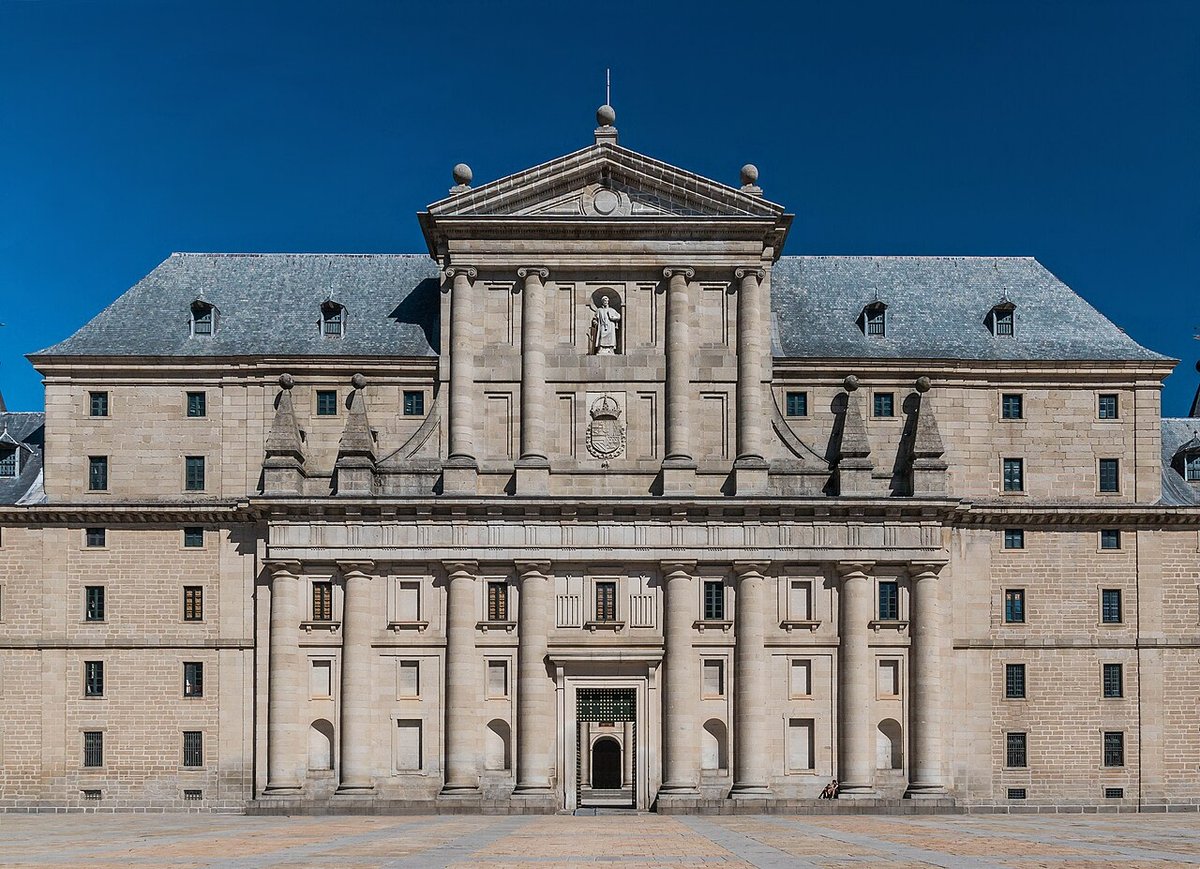
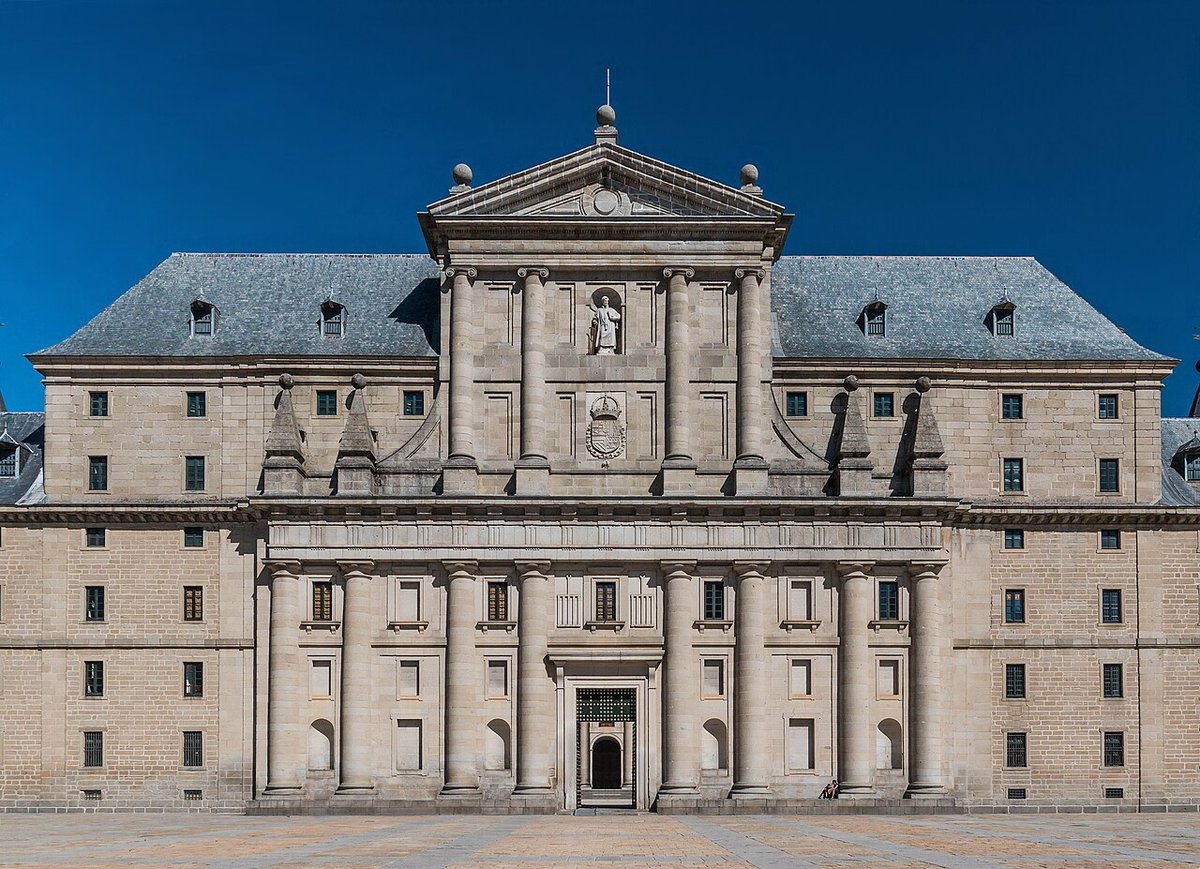
Granite defines El Escorial. Its colour shifts with the light and gives the place a changing rhythm. In the morning the Monastery appears bluish grey. At midday it turns almost white. By late afternoon it takes on a golden hue already noted by travellers in the 16th century. When Felipe II chose this slope of the Guadarrama mountains for the construction of the Monastery, he was not thinking only of a building. The town began to take shape alongside it.
The geometry of power
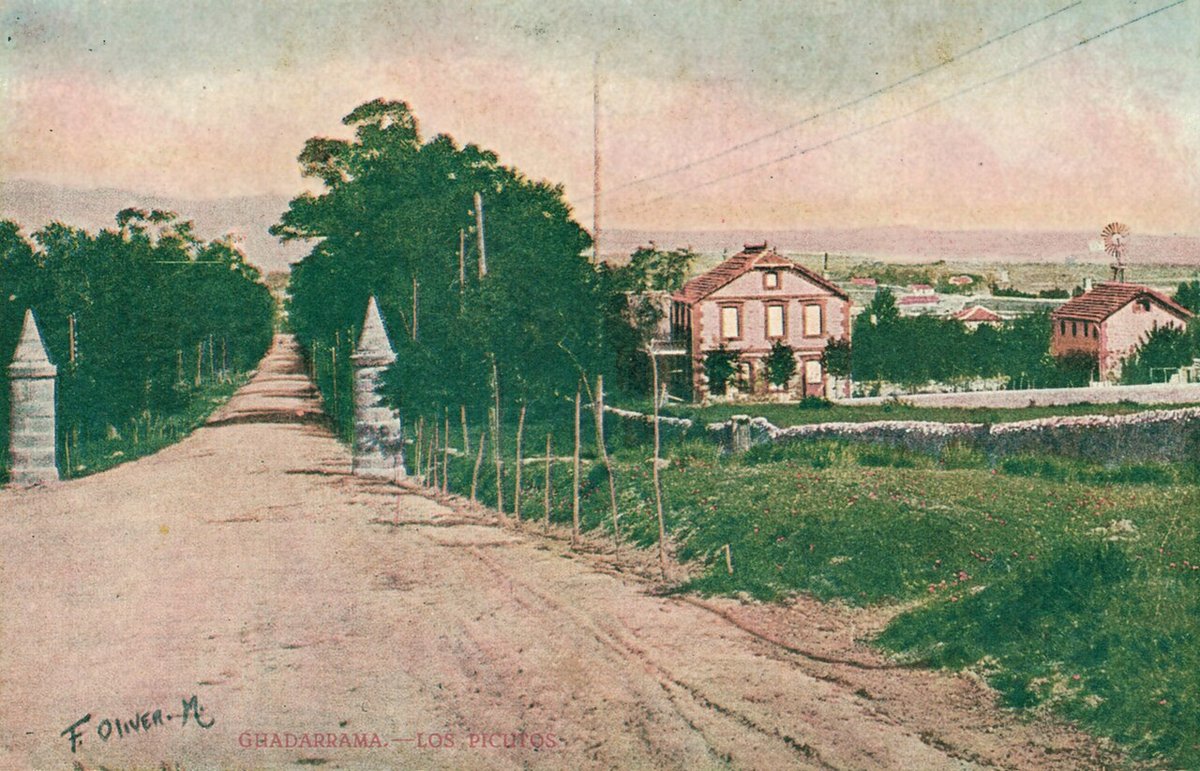
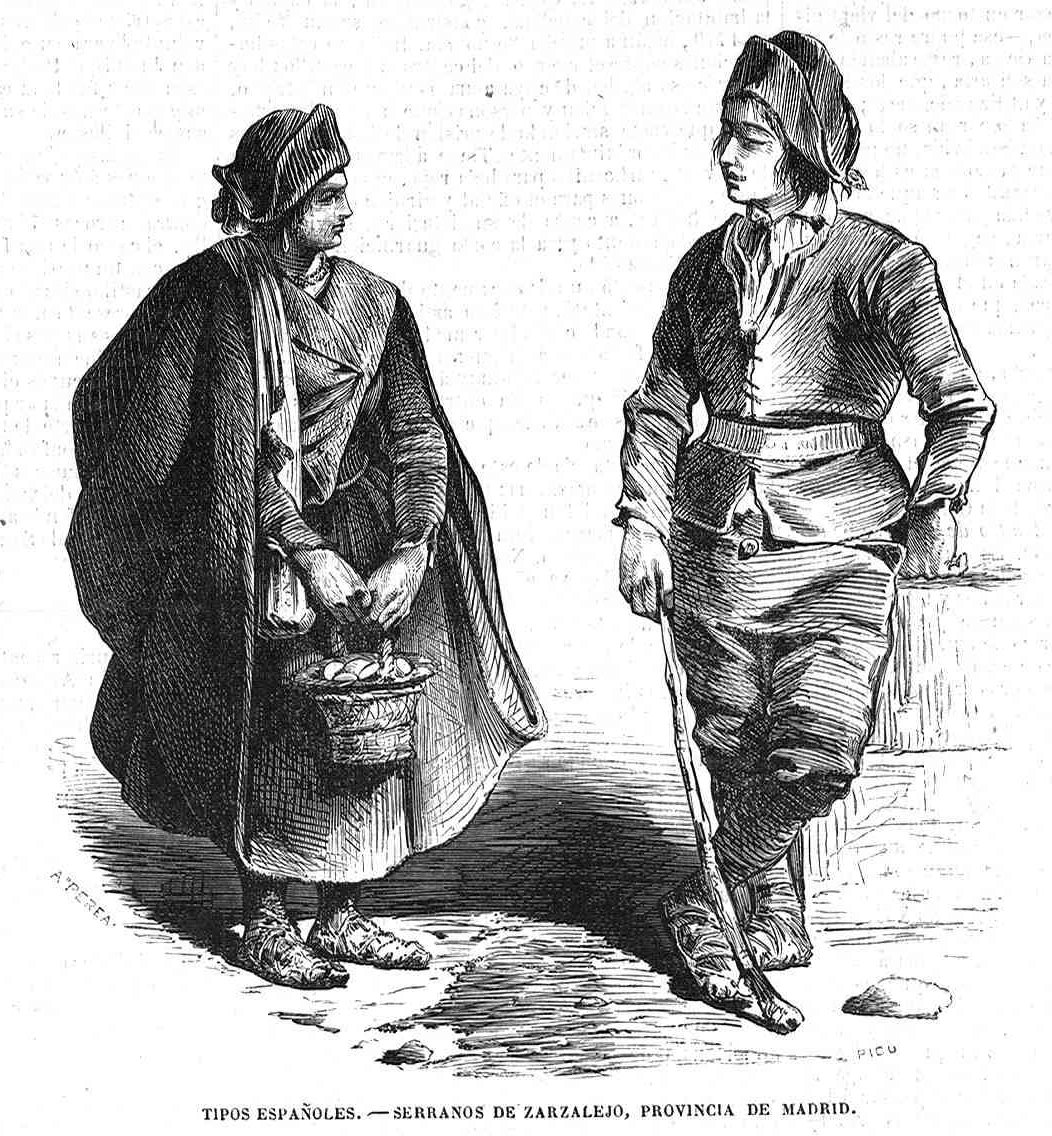
San Lorenzo de El Escorial as a municipality came later. Its origins, however, are closely tied to the construction works of the Monastery. Before that, there were small settlements linked to the mountain: shepherds, charcoal burners, and a few scattered farmhouses.
The building project drew in all kinds of trades. Stonemasons, carpenters, plasterers. There were also specialists capable of organising a project on a vast scale for its time. Water was channelled from several kilometres away, and quarries were opened in the surrounding sierra.
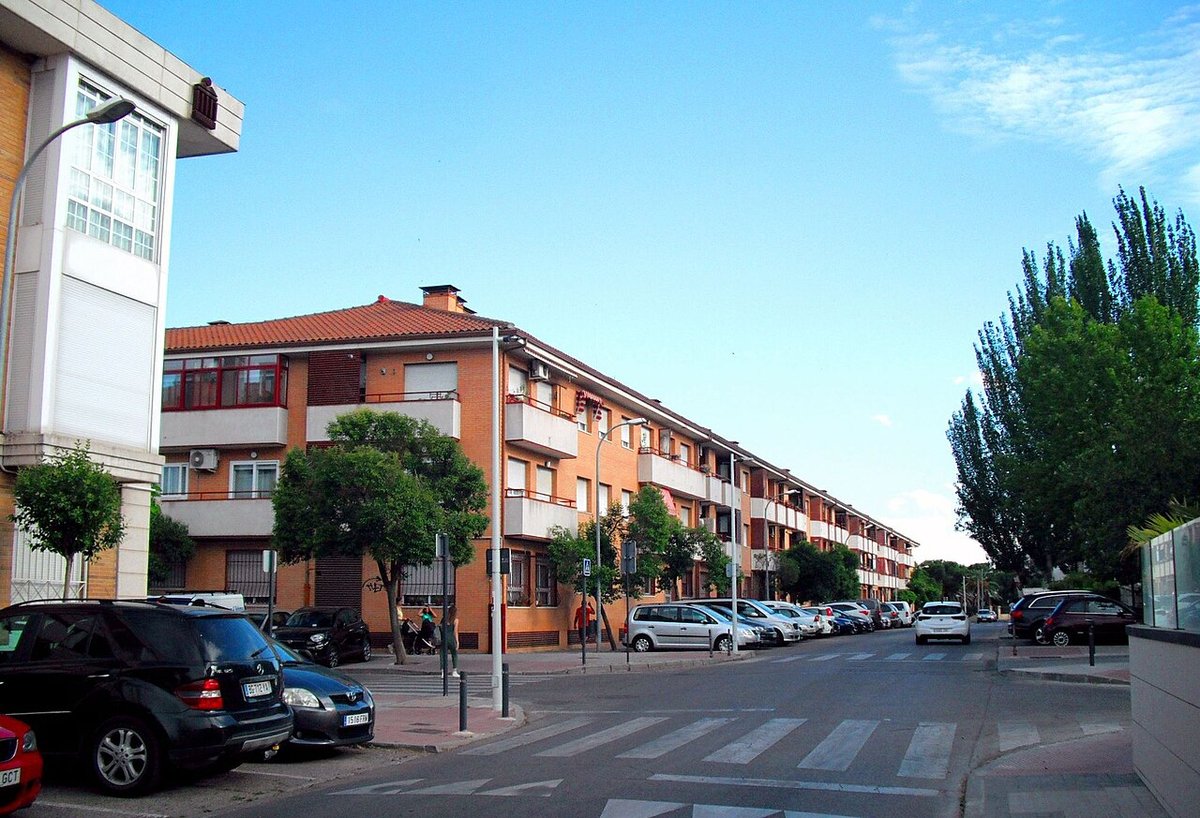
This sense of order carried over into the layout of the town. Streets near the Monastery follow a grid pattern that is unusual in the area. A quick comparison with nearby villages in the Guadarrama shows the difference, as those tend to have more irregular street plans.
La Lonja acts as a clear dividing line. On one side lies the monastic complex. On the other begins the fabric of the town. Walking through the nearby streets makes it clear that everything once revolved around the royal building.
Inside a carefully planned whole
The Monastery impresses not only because of its size but also because of its internal logic. The complex was conceived as a structure in which each space served a specific purpose.
The Library offers a good example. Its frescoes depict ancient knowledge and the world as it was understood at the time. It was not simply a reading room. It also expressed political and cultural ideas.
The Pantheon of Kings organises the memory of the Spanish monarchy. Most of the kings from Carlos I onwards are buried there. The space is dark and restrained, aiming for solemnity rather than spectacle.
There are also details that tend to be overlooked. In the sacristy, a reclining Christ attributed to Benvenuto Cellini is preserved. The figure appears to be asleep. Many visitors pass by without noticing it.
The Hall of Battles fills an entire corridor with military scenes. Rather than celebrating, it feels more like a visual lesson on war and power.
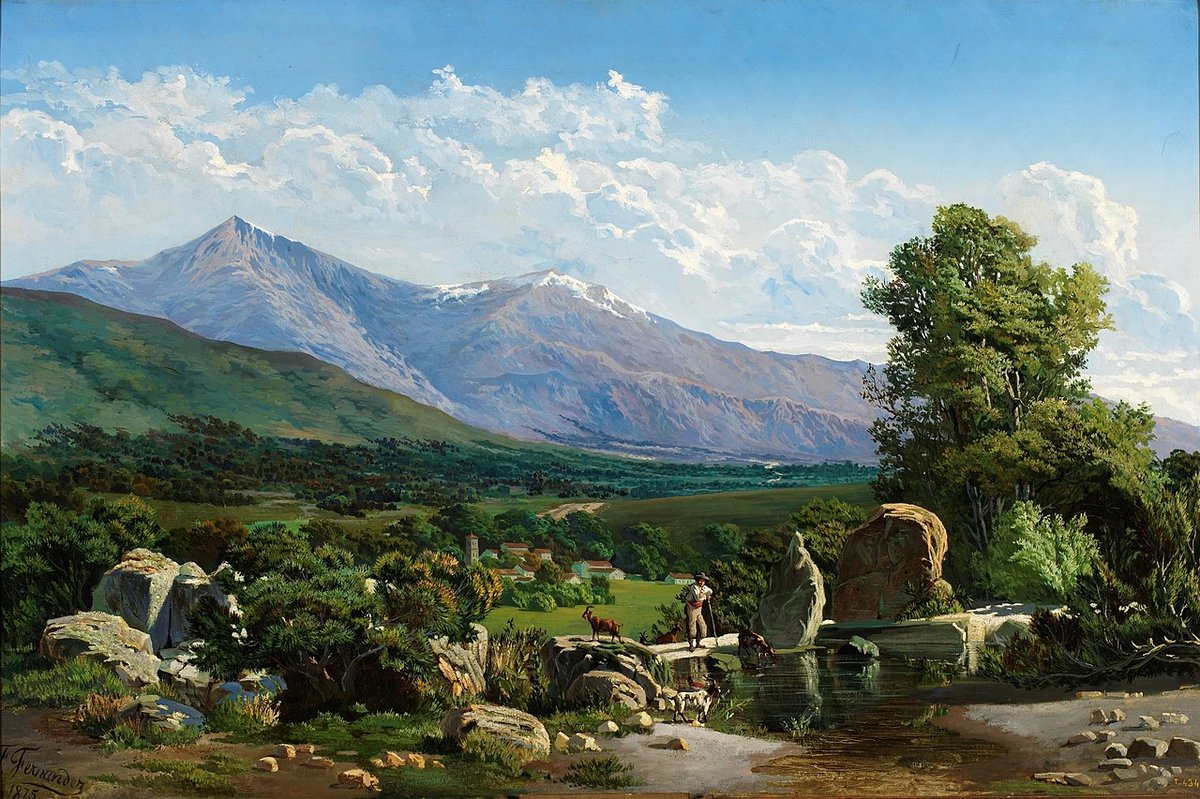
From the upper parts of the complex, the landscape helps explain much. The mountains of the sierra form both a backdrop and a natural line of defence. Madrid lies far away, only faintly visible on clear days.
A town shaped by and beyond the court
After the death of Felipe II, the site did not fall silent. The court returned for periods over the years. Hunting and the cooler climate played a role in this continued presence.
Over time, the town followed its own path. Many trades that had emerged during the construction of the Monastery continued across generations.
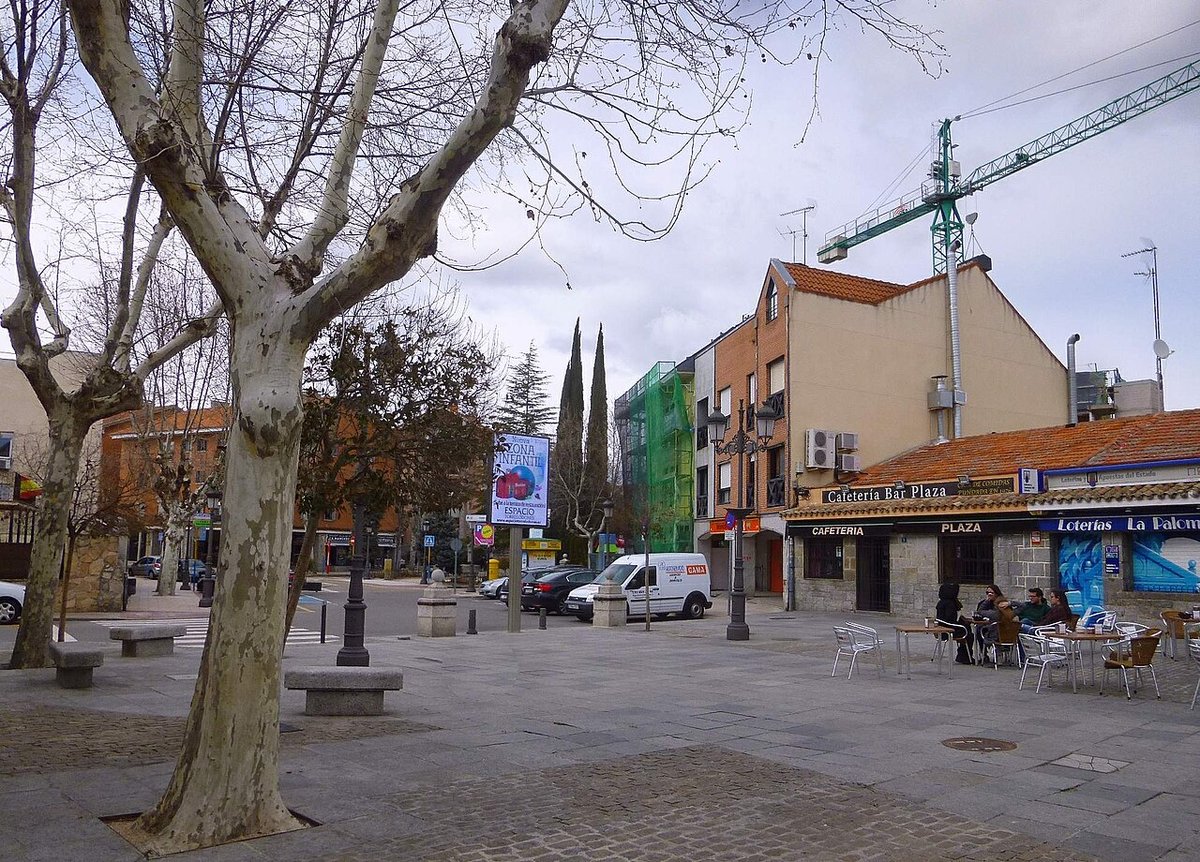
Today, daily life moves at different speeds. In the morning, the rhythm is set by schools, shopping, and residents crossing the square in a hurry. By mid-afternoon, more visitors begin to arrive.
There is also a steady cultural life. The former theatre from the 18th century is still in use. Throughout the year it hosts music, theatre, and local events.
Walking up to the Silla de Felipe II
On the nearby slopes, several well-known paths can be followed. One of the most frequented leads to the so-called Silla de Felipe II.
The walk is not long. The path gradually gains height among pine trees and granite rocks. From the top, the Monastery can be seen in its entirety. Its layout becomes clearer than it does from ground level.
Tradition holds that the king observed the construction works from this point. Not all historians agree. In any case, the viewpoint helps explain why this location was chosen.
The descent through the area known as La Herrería passes through a broad oak woodland. In autumn, the ground is covered with leaves and madroños, the fruit of the strawberry tree. Signs of wild boar can sometimes be seen.
Nearby, there are old fountains linked to the monks. Several still flow, surrounded by ferns and damp stone.
Finding your way around
El Escorial can be explored in an afternoon. Even so, it is worth taking time if the aim is to understand the place.
A visit to the Monastery usually takes a while. Some rooms have limited access or depend on scheduled entry. It is best to check before going in.
The town centre is easy to walk. Distances are short and the slopes are moderate. From almost any nearby street, the outline of the Monastery appears, acting as a constant point of reference.
To grasp the place, it helps to alternate between interior spaces and the surrounding landscape. Start with the building. Then step into the mountain that frames it. That relationship explains much of the history of El Escorial.