Full Article
about Galapagar
Large mountain municipality with high ecological value; crossroads of historic routes and royal drove roads
Hide article Read full article
From shepherds to commuters in 750 years
Galapagar feels a bit like that university friend who moved “out to the countryside for some peace” and now somehow has a bigger house and a quicker commute into Madrid than people living inside the city.
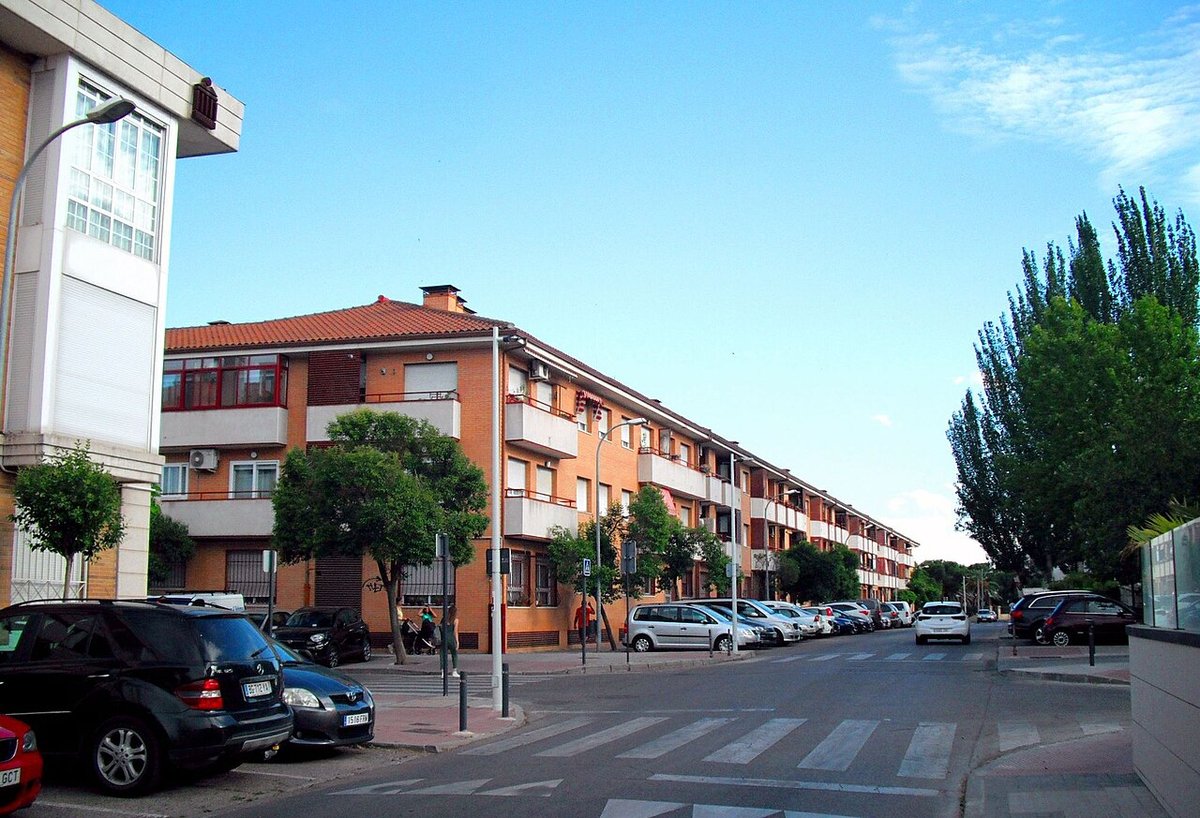
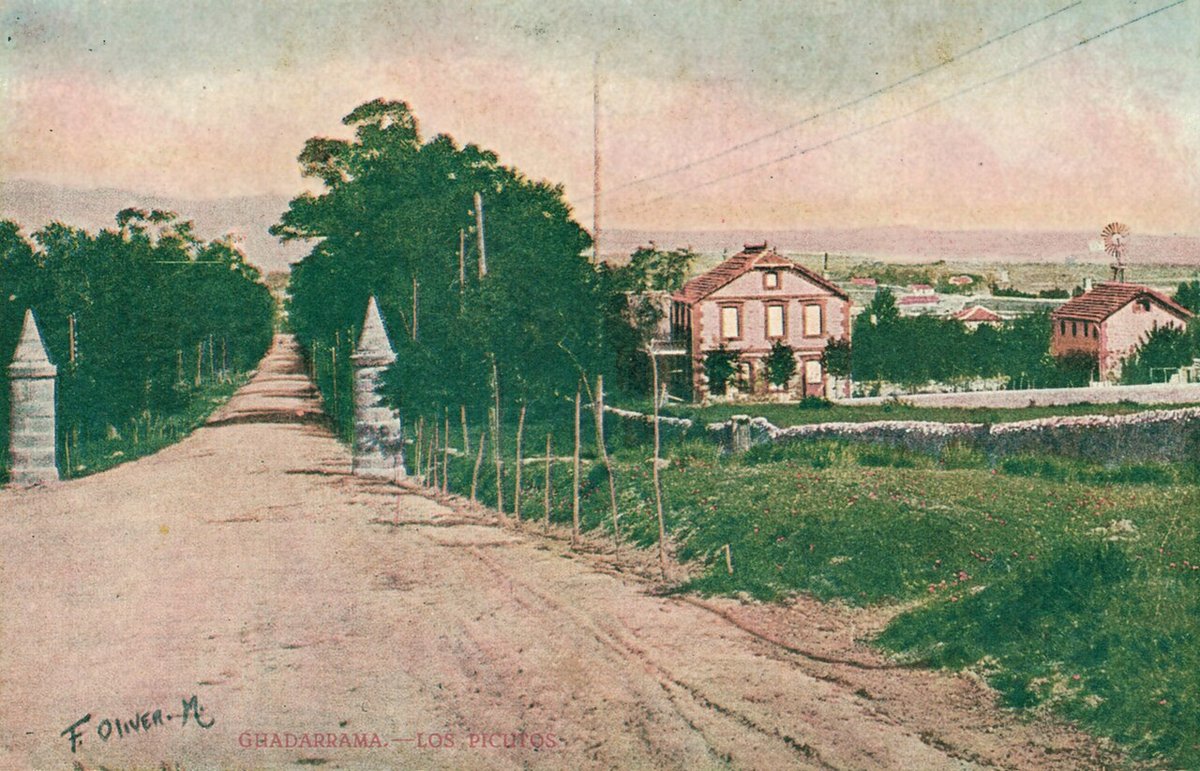
Its story is usually traced back to the medieval repopulation, when settlers arrived from the Segovia area under the direction of Alfonso X. From there it developed as a livestock town, sitting between the mountains and the plains. Today it has a population of just over thirty thousand, and the social landscape has shifted noticeably. Detached houses, housing estates, remote workers, and a steady flow of cars heading towards Madrid each morning are now part of everyday life.
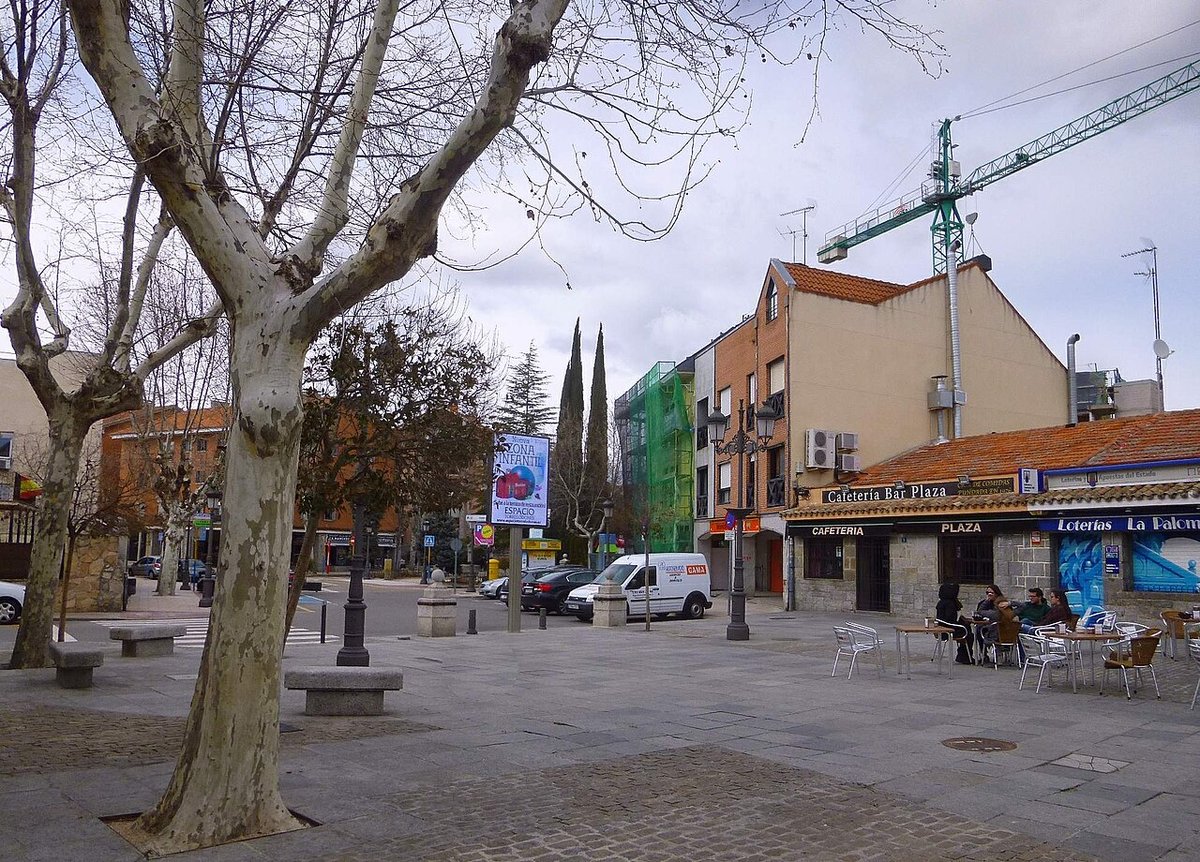
Even so, Galapagar still holds on to something of a village feel. It is the sort of place where you bump into the same people more than once in the main square without planning to, where conversations linger outside local shops, and where parking is not always a battle. In this part of Madrid, that alone feels unusual.
For a town of its size, the facilities can also catch people off guard. There is an indoor velodrome, well known among track cycling enthusiasts, which adds an unexpected sporting dimension to the area.
A Roman road that never quite left
One of the best-known walks around Galapagar follows a surviving stretch of Roman road. Its origins are usually placed in the imperial period, probably between the 2nd and 3rd centuries. This is not the grand, polished kind of Roman route that appears in textbooks. Here, it is a stone path set quietly into the landscape, surrounded by holm oaks and pine trees.
Walking along it brings a particular kind of perspective. The route underfoot has been used for nearly two thousand years, yet the present keeps interrupting. A family with backpacks and a dog might pass by, pulling the scene back into the everyday.
The area forms part of the Parque Regional del Curso Medio del Guadarrama, a protected natural space following the middle course of the Guadarrama River. Around the Roman road there are several simple trails that locals use for walking or cycling, making it a regular escape rather than a one-off attraction.
Galapagar also has a small literary connection. Jacinto Benavente, a Nobel Prize-winning writer, lived here for many years and is buried in the town. There is a monument dedicated to him, often used by locals as a meeting point in the centre.
A cultural calendar that surprises
The level of cultural activity is another unexpected side of Galapagar. Throughout the year there are various events and festivals, including a long-running jazz festival that draws audiences from across the north-west of the Madrid region.
Food fairs also play a role, especially those centred on traditional stews. There are events dedicated to rabo de toro, a classic Spanish oxtail dish, as well as others focused on hearty, spoon-based cooking. During these days, the atmosphere shifts noticeably. The smell of slow-cooked dishes drifts out from kitchens, and conversations in the street tend to circle around who makes the best version.
In September, the patron saint festivities bring a different kind of energy. Devotion to the Cristo de las Mercedes draws many people out into the streets, and for a while the town stops feeling like a commuter base and leans back into its older identity as a close-knit community.
Walking among old bridges
Another rewarding route explores the historic bridges that cross the local streams. It is not a famous or crowded trail, which is part of its appeal.
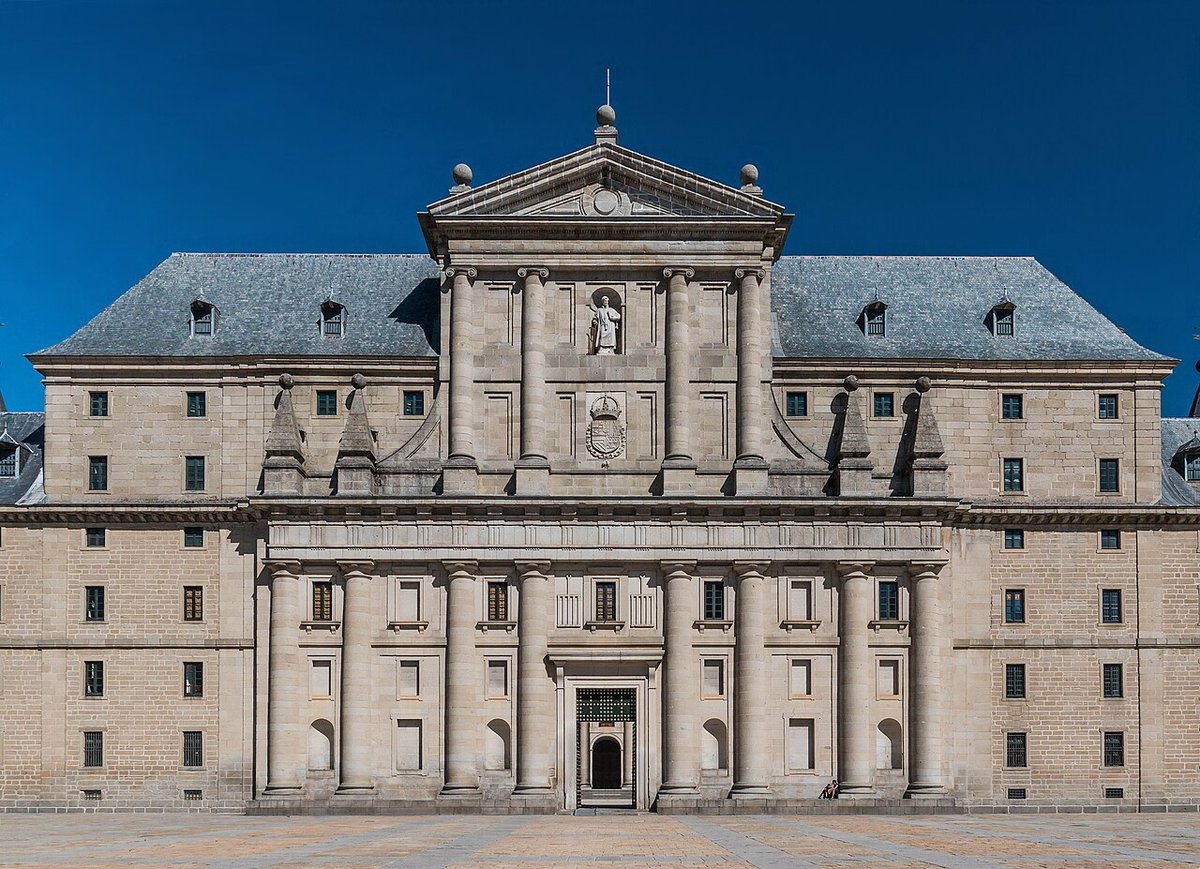
One of the best known is the Puente de Juan de Herrera, usually dated to the late 16th century. For centuries it formed part of the network of paths connecting the area with El Escorial. Built in stone, it has a solid, restrained design typical of works associated with the period of Philip II.
The walk itself is simple. A path, water after rainfall, and a fair amount of quiet if you visit during the week. In autumn the ground fills with leaves, changing the look and feel of the route entirely.
Visiting without the wrong expectations
It is worth being clear about what Galapagar is and what it is not. Anyone arriving in search of an intact medieval old town, with narrow streets and uninterrupted stone architecture, may find it underwhelming. Much of the municipality expanded in recent decades, and that is visible.
However, for those curious about everyday life in the Madrid mountains outside peak weekend crowds, Galapagar has its own appeal. It offers a mix of urban routine and nearby countryside that can be experienced in just a few hours.
A simple plan works well. Spend some time walking through the centre, then head out along one of the surrounding trails. The shift from town to open landscape happens quickly.
For something a little unusual, there is the Canto del Peso. This is a large granite rock marked with carved signs whose purpose remains unclear. Some suggest ancient ritual uses, others think they may have indicated territorial boundaries. What is certain is that it offers wide views over the surrounding area.
Galapagar does not try to impress with grand monuments or a polished tourist image. It functions on its own terms, shaped by history, daily routines, and its position between Madrid and the mountains.