Full Article
about Los Molinos
Quiet mountain town known for its cambroño blossom; great for hiking.
Hide article Read full article
A different kind of day in the mountains
Los Molinos is like that friend who’s always up for a short walk, not a five-hour hike. You know the type. Some villages in the Guadarrama feel like they require proper gear and a map folded eight times. This one doesn’t. You come for a coffee and end up spending the whole morning just sitting on a bench.
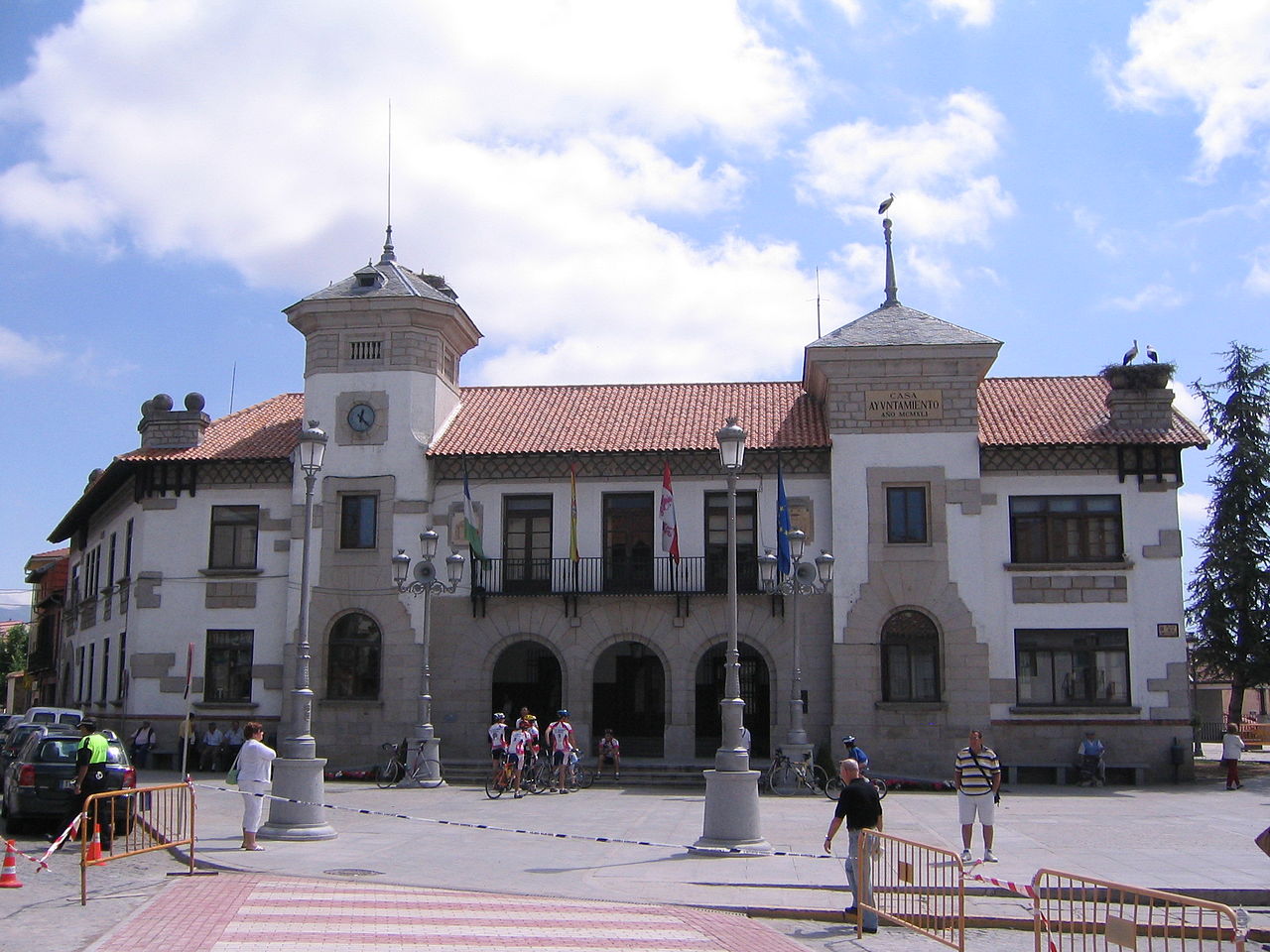
It’s about fifty kilometres from Madrid. The moment you turn off the A-6, the air changes. It gets cooler, the noise fades to just wind and the occasional bird, and the buildings switch from brick to granite. You haven’t gone far, but you’re not in the city anymore.
The pace here is set by nothing in particular. You park the car, wander, and let the hours sort themselves out.
A village built on the grind
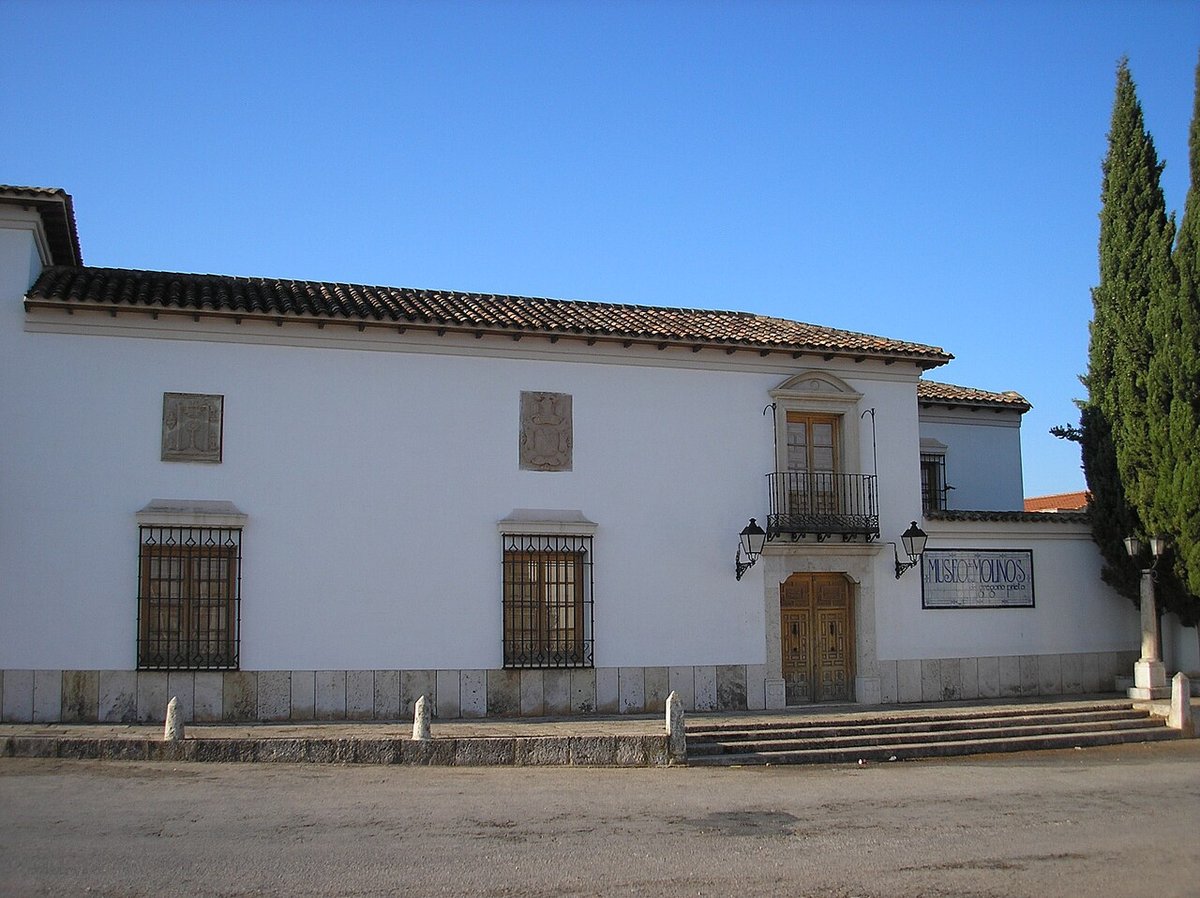
The name isn't subtle. Los Molinos means what it says. For a long time, this place was basically a service station for grain, powered by the Guadarrama river. The water turned wheels, the wheels ground wheat, and that was the local economy.
It's quiet now. The river babbles where it used to roar like machinery all day long. It’s hard to imagine that constant industrial hum was the background noise here for centuries.
People usually say it started in the Middle Ages. It became an official villa later, but the real shift happened when the train arrived in the 1880s. Suddenly, Madrileños could get here without a full-day journey. They started coming for what they called ‘the summer season’ – which was really just an excuse to eat well and escape the city heat.
The church everyone photographs (and the one they should)
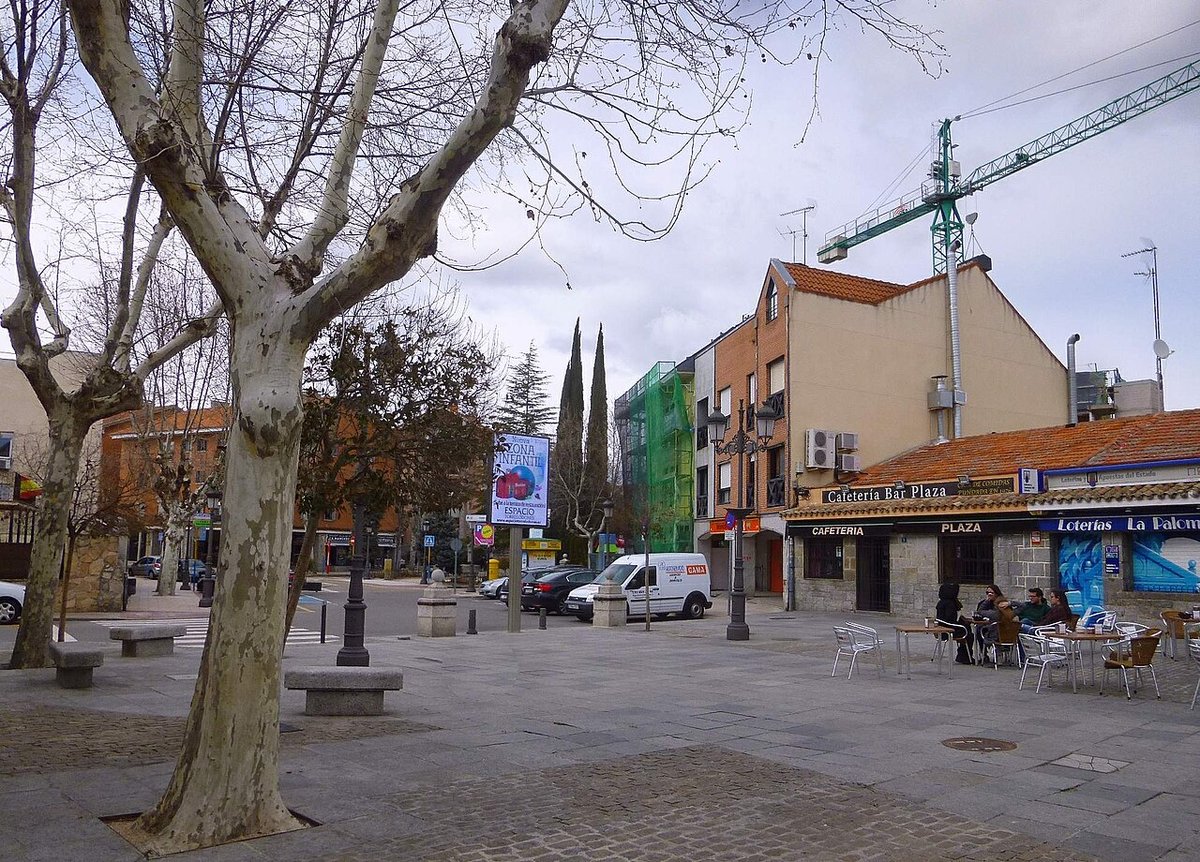
In Plaza de la Constitución you’ll find the parish church, Iglesia de la Purísima Concepción. Late 16th century, granite, zero frills. It looks like what it is: solid and unpretentious.
Inside, it smells of old wood and candle wax. The light is dim. It feels like every village church you've ever stepped into to get out of the sun for a minute.
But most visitors end up with photos of a different one: the Iglesia de San José. It's white, it's up on a bit of a hill, and it looks great against the pine trees. It's the postcard shot. The older church in the square is where you actually feel the history though.
You can't miss it. Walk through the centre, past the bandstand, and there it is.
Concrete boxes with a view
The history around here isn't all mills and summer holidays. During the Civil War, this was front-line territory. If you take the track up towards the Virgen del Espino hermitage, you'll see them: low concrete bunkers dug into hillsides.
They're crude things. Small, damp inside, with just a narrow slit facing north towards where enemy lines would have been standing on other hillsides across this same valley.
You don't spend long there—five minutes to step inside one is enough—but it leaves a mark. It’s a stark contrast to why people come here now: to enjoy these same views freely. The walk up is fine; walking back down you notice it's mostly uphill on your return leg to town.
The day they carry her down
Things get busy here around September 8th or 15th (the date wobbles some years). That's when they bring down their patron saint from her hilltop chapel into town. They call her La Virgen del Espino. It's not just any procession; she travels cross-country over rocks and dirt paths before hitting pavement. Half of Los Molinos walks with her. Afterwards everyone hangs around in Plaza de la Constitución talking loudly while kids run circles around them until well past lunchtime. If you happen upon this day expect crowds but also see how this place works when its community shows up fully present instead of being weekend visitors passing through quietly enjoying nature alone or together as couples/families etcetera...
Eating like you've been working outside
The menus here read like instructions for surviving winter in these mountains: hearty stews (judiones, cocido), fried breadcrumbs with chorizo (migas), grilled meats over wood fire... Portions are sized for someone who just felled an oak tree by hand rather than sat in traffic on M-607 highway coming from Madrid city center... My rule? Look at where cars cluster at weekends—especially ones with M-plates—and if there's wood smoke coming from chimney pots nearby... go there order whatever smells good coming out kitchen doorways...
Keeping it stupidly simple
Driving from Madrid takes less than an hour unless you leave at Friday evening rush hour which would be silly... There are parking areas as soon as enter village—just use first one see because streets tighten quickly near centre become maze-like lanes designed for donkeys not SUVs... A good day looks like this: Arrive late morning walk up path toward Virgen del Espino (see bunkers along way) breathe deeply... Come back down find table eat slowly... Stroll around square maybe have coffee... By four PM most people packing kids into cars heading back towards capital... You'll do same feeling like had proper mountain day even though only really spent few hours doing not much at all... Sometimes that's exactly what needed though isn't it?