Moralzarzal - Flickr
Madrid · Mountains & Heritage

Moralzarzal

The granite church tower of San Miguel Arcángel rises above 1960s apartment blocks like a medieval exclamation mark. At 967 metres above sea level,...

14,772 inhabitants · INE 2025
967m Altitude

Why Visit

Mountain Church of San Miguel Arcángel Hiking on El Telégrafo

Best Time to Visit

summer

Big Week (September) septiembre

Things to See & Do
in Moralzarzal

Heritage

  • Church of San Miguel Arcángel
  • Frascuelo’s Clock
  • Old Pasture

Activities

  • Hiking on El Telégrafo
  • Mountain biking
  • Local food

Festivals
& & Traditions

Fecha septiembre

Semana Grande (septiembre)

Las fiestas locales son el momento perfecto para vivir la autenticidad de Moralzarzal.

Full Article
about Moralzarzal

Set in a mountain valley; known for its quality of life and accessible natural setting.

Ocultar artículo Leer artículo completo

The granite church tower of San Miguel Arcángel rises above 1960s apartment blocks like a medieval exclamation mark. At 967 metres above sea level, Moralzarzal's altitude becomes apparent the moment you step off the coach from Madrid – the air carries a pine-scented crispness that's noticeably thinner than the capital's exhaust-laden atmosphere fifty kilometres downstream.

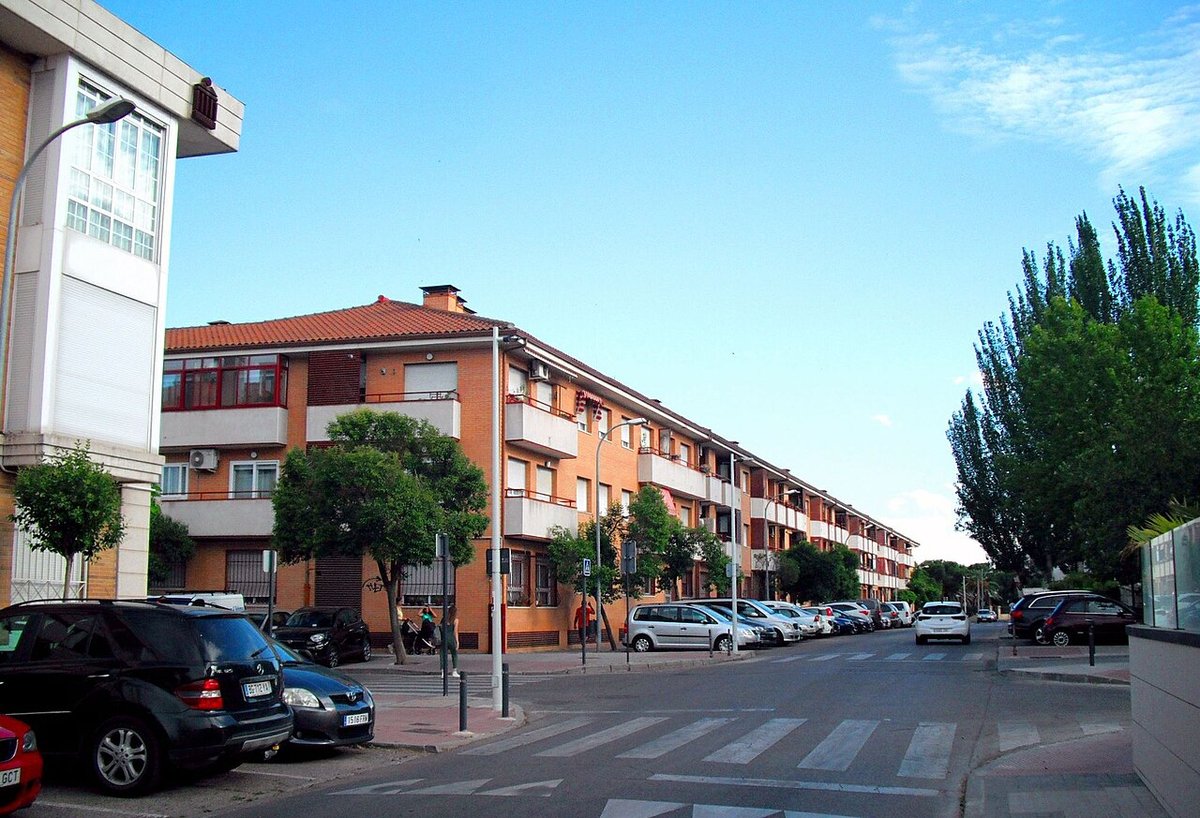
This isn't one of those storybook villages where every corner demands a photograph. Moralzarzal wears its functionality openly: a working mountain town where granite quarries have shaped both the landscape and the local economy since the 1950s. The modern blocks might disappoint visitors seeking Andalusian whitewash, but they serve a purpose – housing 14,000 residents who've traded Madrid's property prices for mountain air and a forty-minute commute.

The Plaza That Still Belongs to Locals

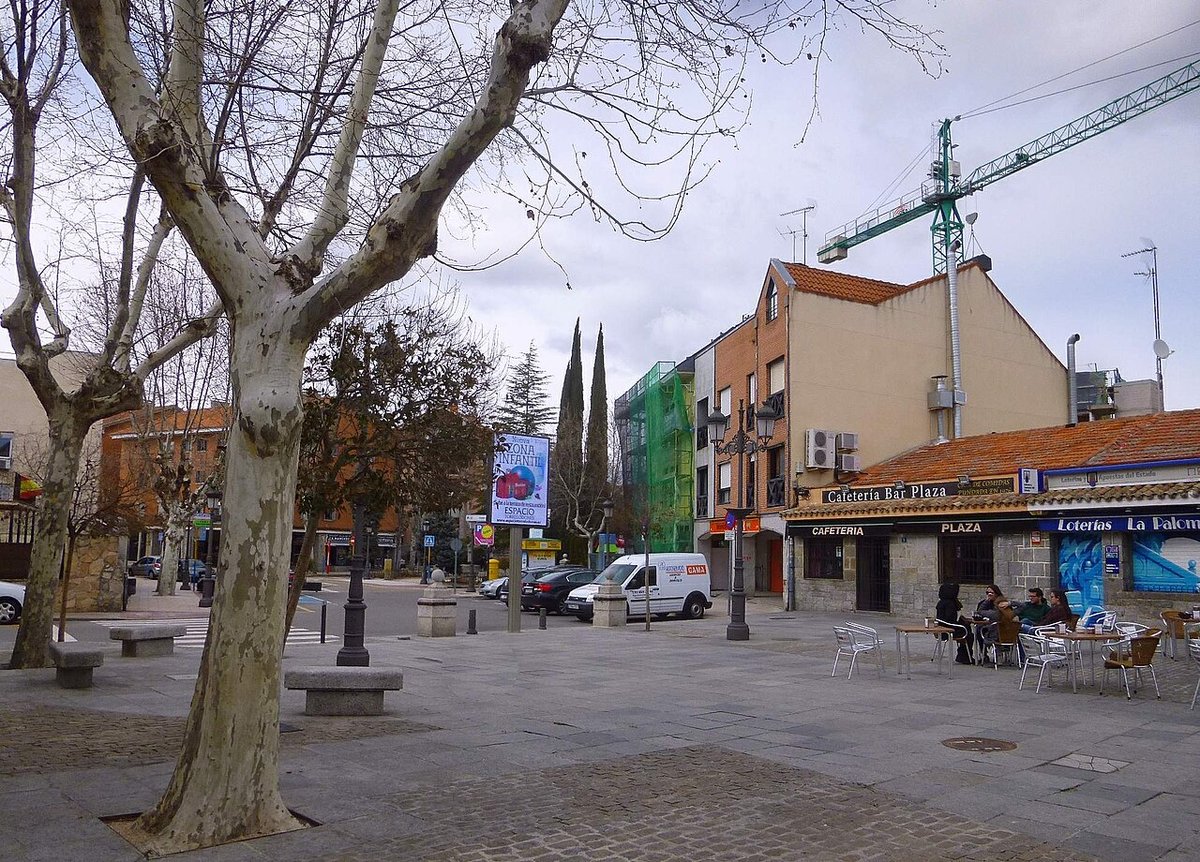
Plaza de la Constitución operates as the village's beating heart, though it beats to a distinctly Spanish rhythm. By 11:00 on a Saturday, every terrace table hosts families lingering over coffee and mantecados – those crumbly shortbread biscuits that leave more crumbs than calories. The few tourists stand out immediately: they're the ones checking phones instead of watching grandchildren chase pigeons between the benches.

The medieval church dominates one side, its granite walls the same honey-grey as the surrounding Sierra de Guadarrama. Step inside and the temperature drops ten degrees – useful knowledge for summer visitors escaping the 35-degree heat that renders the village's steep streets almost unbearable between 14:00 and 17:00. Winter brings the opposite problem: when mountain winds funnel through the valley, that same church provides shelter for locals who've mastered the art of outdoor socialising while wearing coats that wouldn't look out of place in the Cairngorms.

Walking Tracks and Quarry Trails

Behind the modern high street, footpaths snake into dehesas – those managed oak forests where black Iberian pigs once roamed freely. The routes are unsigned but straightforward: follow the stone walls uphill and you'll hit the GR-10 long-distance path within twenty minutes. From here, serious hikers can continue to Puerto de Navacerrada, though weather changes faster than a British summer barbecue. One moment you're admiring views across Madrid's skyline; the next, clouds roll in from the north and you're scrambling for that extra layer you nearly didn't pack.

The granite quarries lie two kilometres east, though you'd never find them without GPS coordinates. These vast amphitheatres of stone supply material for kitchen worktops across Europe – and explain why much of the village architecture shares the same grey palette. Photography is discouraged for safety reasons, but the scale impresses: man-made canyons that make Devon's china clay pits look modest.

Food That Doesn't Cater to Foreigners

Lunch options reveal the village's authentic character. Barrenola serves entrecôte to quarry workers who've been ordering the same cut since 1982 – no English menus, no vegetarian alternatives, just perfectly grilled beef and chips for €14. El Raso specialises in cochinillo, but they'll sell quarter-portions to solo travellers who can't face an entire suckling pig. The croquetas at Huerta 33 taste like elevated ham-and-cheese toasties – comfort food that helps British visitors understand why Spanish children actually enjoy family meals.

Weekend timing matters. Arrive at 15:30 and you'll find locked doors; Spanish lunch finishes promptly at 16:30, after which kitchens close until 20:00. The alternative isn't tragic – the small supermarket on Calle Real sells excellent Manchego and local wine – but hungry hikers should plan accordingly. There's no cash machine in the old centre either; the Santander on the main road represents your last chance for euros before heading into the mountains.

When to Visit (and When to Stay Away)

Spring transforms the surrounding hillsides with wildflowers that attract Madrid botanists seeking native orchids. Temperatures hover around 18-22 degrees – perfect walking weather that makes the village's 967-metre altitude feel like a blessing rather than a burden. Autumn delivers similar conditions plus mushroom season; locals guard their collecting spots with the same secrecy British anglers protect fishing beats.

Summer brings Madrid's heat but with crucial altitude advantage. While the capital swelters at 38 degrees, Moralzarzal rarely exceeds 32 – still hot, but manageable if you restrict walking to early morning. The village population doubles as madrileños escape to second homes, turning Plaza de la Constitución into a parking nightmare. Arrive after 11:00 on Saturday and you'll circle for twenty minutes before finding space on the outskirts.

Winter divides opinion. January mornings often start at minus five, with mountain winds that slice through inadequate clothing. But clear days offer crystalline views across the Guadarrama range, and the village's bars install proper heating – unlike many Spanish establishments that consider 15 degrees perfectly acceptable indoor temperature. Snow falls occasionally but rarely settles long; the main road stays open except during genuine blizzards.

Getting There (and Getting Stuck)

Public transport exists but tests patience. The 724 coach from Moncloa runs hourly until 20:30 – miss the last service and you're facing a €70 taxi ride back to Madrid. Journey time varies from fifty minutes on Sunday morning to ninety during Friday evening traffic. Car hire proves more flexible: take the A6 towards La Coruña, exit at kilometre 39, follow signs for Collado Villalba then Moralzarzal. Parking becomes free after 14:00 on Saturdays and all day Sunday, though spaces near the plaza require either luck or very early arrival.

The practical reality? Moralzarzal works best as a base rather than a destination. Stay two nights and you'll access proper mountain hiking without the ski-resort prices of nearby Navacerrada. Day-trippers often leave disappointed – not because the village disappoints, but because they expected chocolate-box architecture rather than authentic mountain life.

Leave before 18:00 and you'll miss the daily paseo when locals emerge for their evening circuit. Grandparents walk clockwise around the plaza while teenagers loiter anti-clockwise, creating a slow-motion human washing machine that represents Spanish social life in miniature. It's worth missing the early coach to witness – though that €70 taxi fare still looms if you linger too long over the final caña.

Key Facts

Region
Madrid
District
Cuenca del Guadarrama
INE Code
28090
Coast
No
Mountain
Yes
Season
summer

Livability & Services

Key data for living or remote work

2024
ConnectivityFiber + 5G
TransportTrain nearby
HealthcareHealth center
EducationHigh school & elementary
Housing~5€/m² rent · Affordable
CoastBeach nearby
Sources: INE, CNMC, Ministry of Health, AEMET

Planning Your Visit?

Discover more villages in the Cuenca del Guadarrama.

View full region →

More villages in Cuenca del Guadarrama

Traveler Reviews