Full Article
about Navacerrada
Mountain village and ski resort; alpine architecture, lively tourist scene.
Hide article Read full article
Early light in the mountains
The chimneys of Navacerrada start smoking before dawn. At first light, when the air bites at your face, the village smells of burning wood and freshly baked bread. Street lamps are still on and, if it has snowed overnight, the snow crunches underfoot along the pavements that climb towards the church. At that hour many people from Madrid are still asleep in their weekend houses, and the streets are almost empty apart from whoever is opening the bakery or lifting the shutter of the day’s first shop.
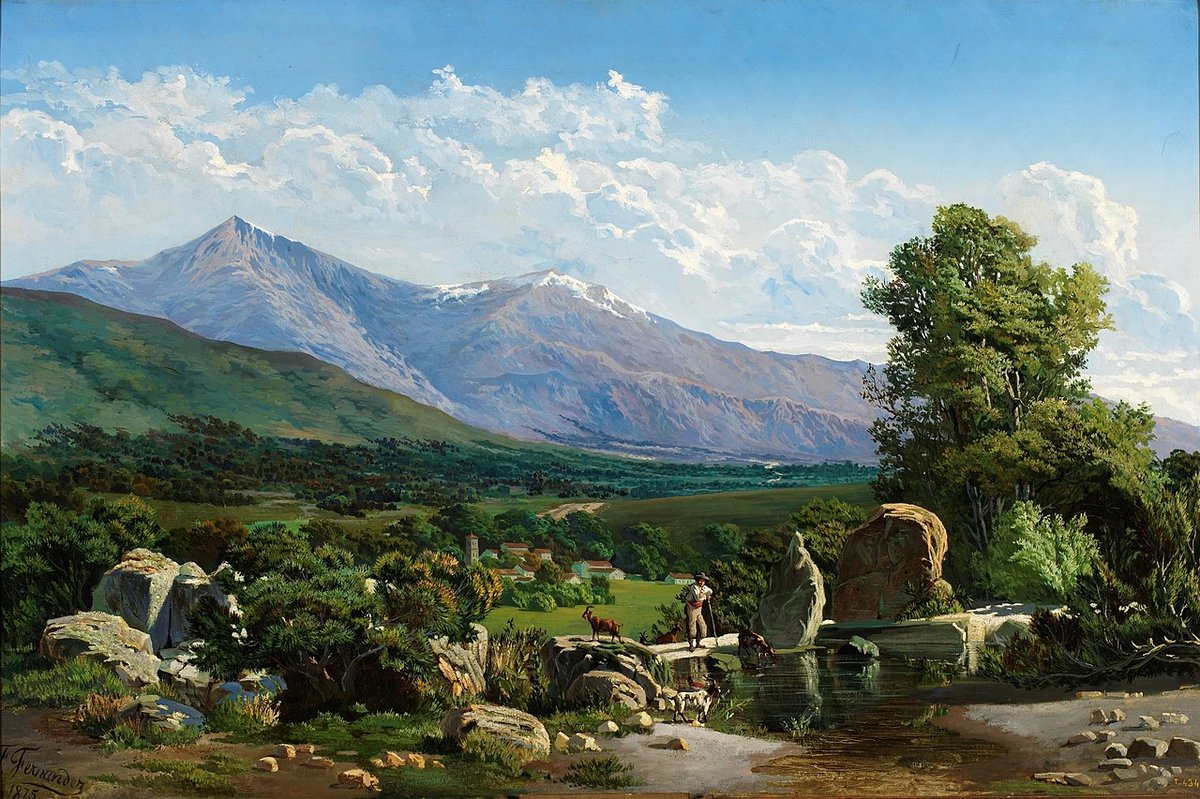
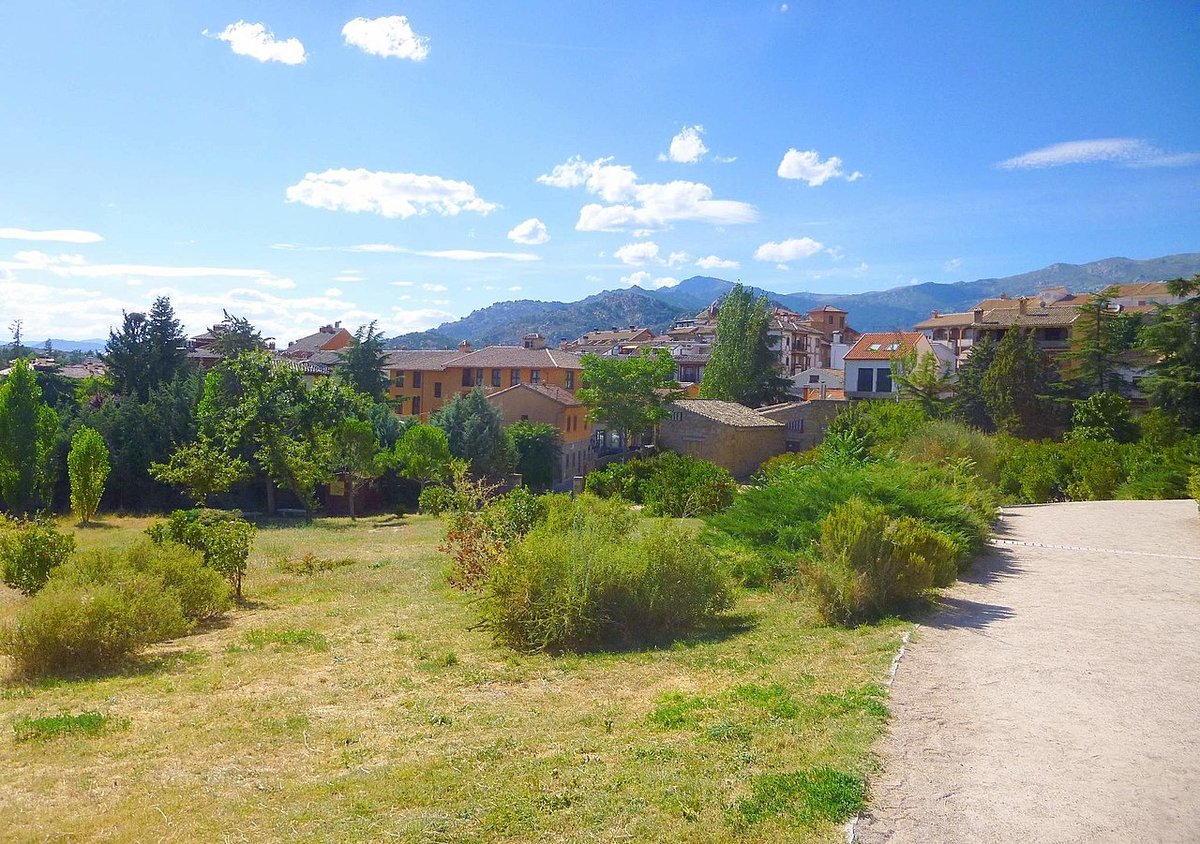
From the Puerto de Navacerrada, high on the ridge that divides the mountains, Madrid sometimes appears as a pale blur on the horizon when the sky is clear. The air here is dry and cold, the kind that makes you breathe deeply without thinking. Below, the village clings to the slope with grey granite houses, pitched roofs and dark wooden balconies. These are buildings made for winter: thick walls, little ornament, slate and stone that stand up well to storms arriving from the north.
The scent of the pine forest
One of the most common walks begins at the upper edge of the village and heads towards the Navacerrada reservoir. The path first crosses areas of oak woodland and then a forest of Scots pine, whose long needles cover the ground and soften each step. In autumn everything fills with dry leaves, and the sound of walking becomes constant, a soft crunch that follows the whole way.
You usually hear the water before you see it. The wind moves through the pine tops and the sound blends with the murmur of the reservoir when the level is high. Its colour changes depending on the day: sometimes dark green, at other times almost grey, with the mountains reflected in uneven shapes.
If you approach the shore quietly, it is easy to spot small birds moving among the stones or skimming low over the water. Many people bring binoculars and sit for a while just watching. Time seems to move differently here, even the dogs that come with walkers end up slowing their pace.
It is best to come during the week or early in the day. At weekends the area sees a fair amount of traffic from cars and hikers, especially when the weather is good.
When the snow arrives
In winter everything revolves around snow. The Puerto concentrates much of the activity, with people heading up to ski or simply to touch the snow and go back down the same day. Weekends become noisier, and the access roads can easily become congested.
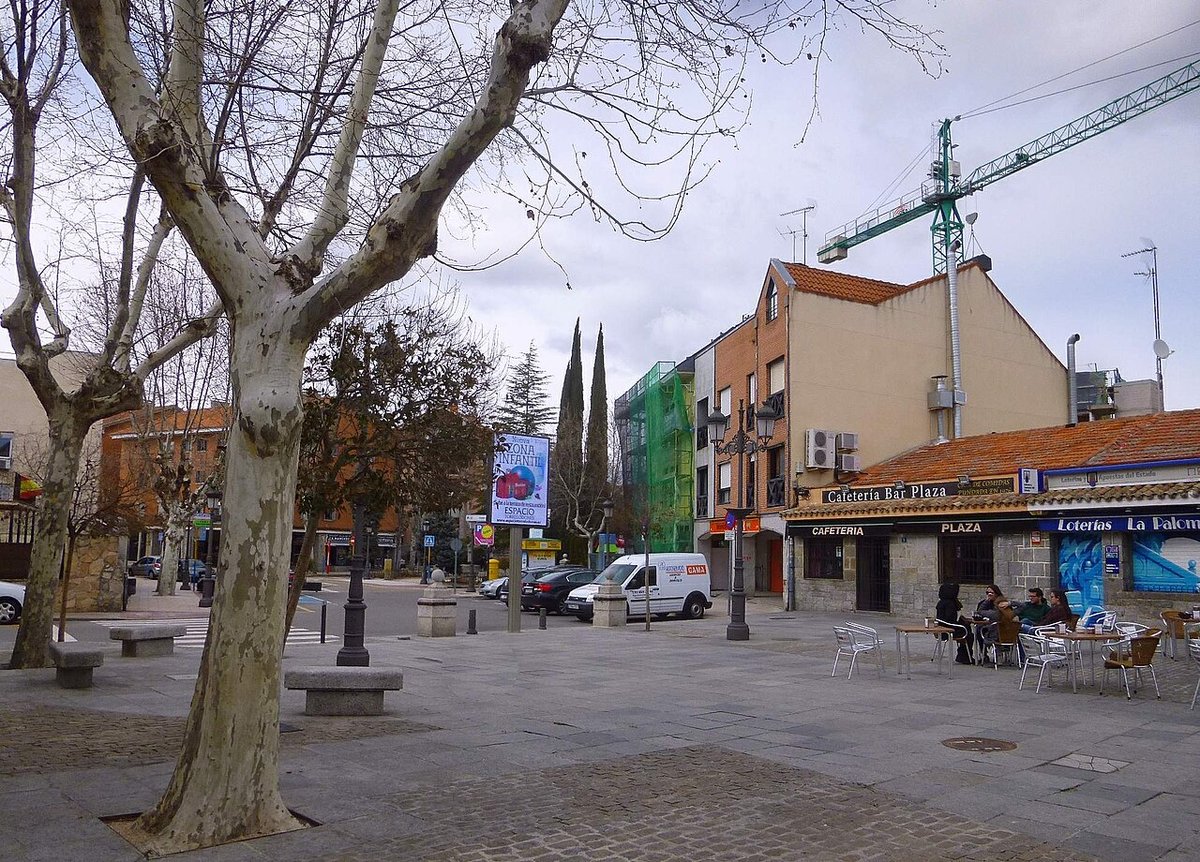
Even so, the village keeps its rhythm. Locals cross the square in mountain boots or with skis over their shoulders, and the smell of hot chocolate and melted cheese drifts out each time a door opens.
The ski area at the Puerto is small compared with other mountain resorts, but many people from Madrid learned to ski here. The chairlift moves slowly, and from the top you can see the pine forest below, spread out like a dark green carpet dotted with snow.
If skiing is not the plan, walking on fresh snow early in the day has its own appeal. Sometimes the piste machines have not yet passed and the surface is untouched. The first footprints of the day often remain until the sun begins to soften everything.
Food for cold days
In Navacerrada, winter cooking sets the tone. Hot dishes appear on most menus when temperatures drop: hearty cocidos, slow-cooked stews, grilled meats. There are no great secrets, but there is a strong mountain habit of cooking slowly.
Cocido, a traditional Spanish stew, is often served in several stages as in Madrid, though here the broth tends to be darker and the portions more generous. After a cold or snowy morning, it needs no encouragement.
Up at the Puerto, it is common to see grills lit when the weather is good. The smell of meat and burning holm oak mixes with the scent of pine. In autumn, mushrooms appear in many kitchens across the sierra, especially níscalos when the season has been wet.
When the village quietens
As evening falls, light slides down the slope of La Maliciosa and the granite façades take on a soft pink tone. Windows begin to glow one by one, and smoke rises again from the chimneys.
In the square, when there is snow, children improvise sledges from whatever they can find: planks, bits of plastic, sometimes just bags. The cold quickly reaches the hands, and the smell of firewood fills the air again.
Navacerrada changes noticeably once the day’s cars leave. The streets become almost empty, the wind moves through the pines, and the sierra recovers a kind of silence that is hard to find so close to Madrid.
When to go
Winter brings snow some years and a lively atmosphere around the Puerto. Autumn is often a good time for walking through the pine forest and for seeing mushrooms if the season has been wet. In spring, the higher parts of the sierra fill with blooming piornos. For a quieter visit, it is better to avoid weekends.