Full Article
about Villanueva del Pardillo
Modern town rebuilt after the war; wide avenues and dehesa surroundings.
Hide article Read full article
A town shaped by the 20th century
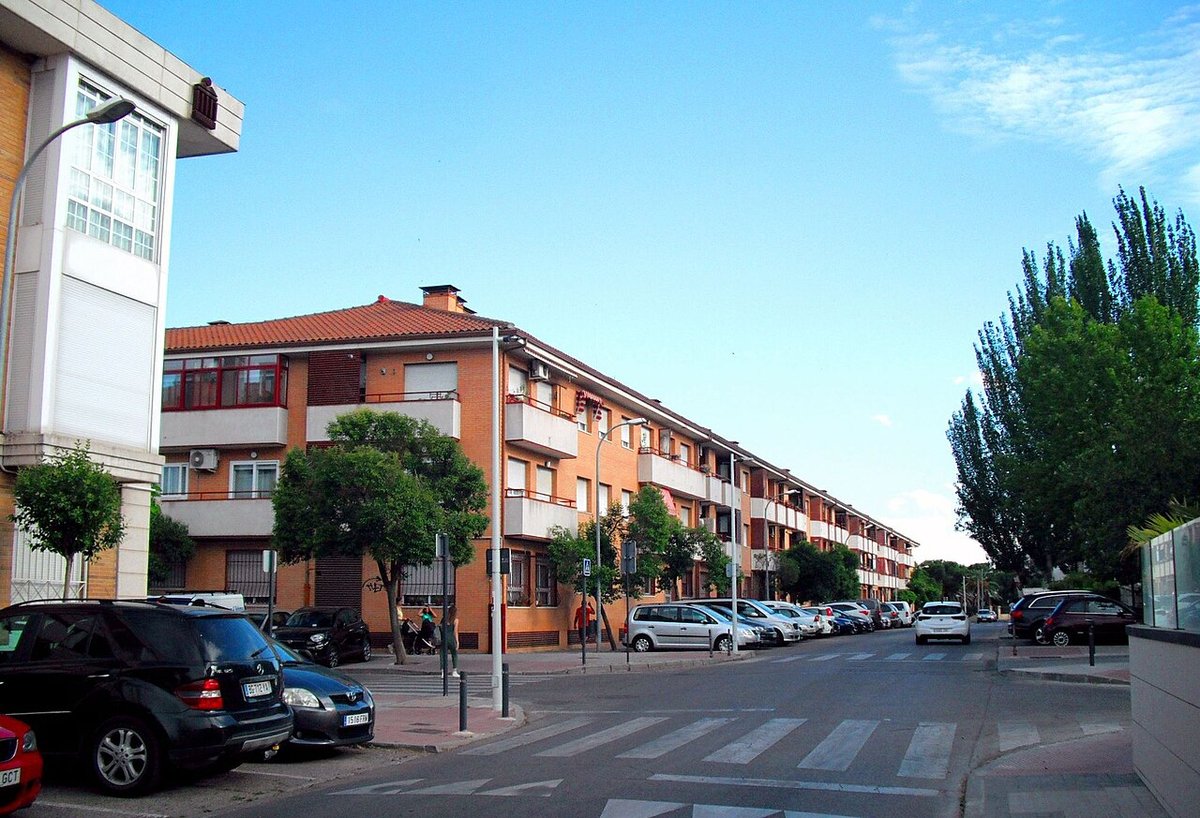
Villanueva del Pardillo looks the way it does for a reason. The original settlement was destroyed in 1937 during the Battle of Brunete, one of the key confrontations of the Spanish Civil War in the Madrid region. What stands today came afterwards, rebuilt under the Regiones Devastadas programme, a state-led effort to reconstruct towns damaged in the conflict.
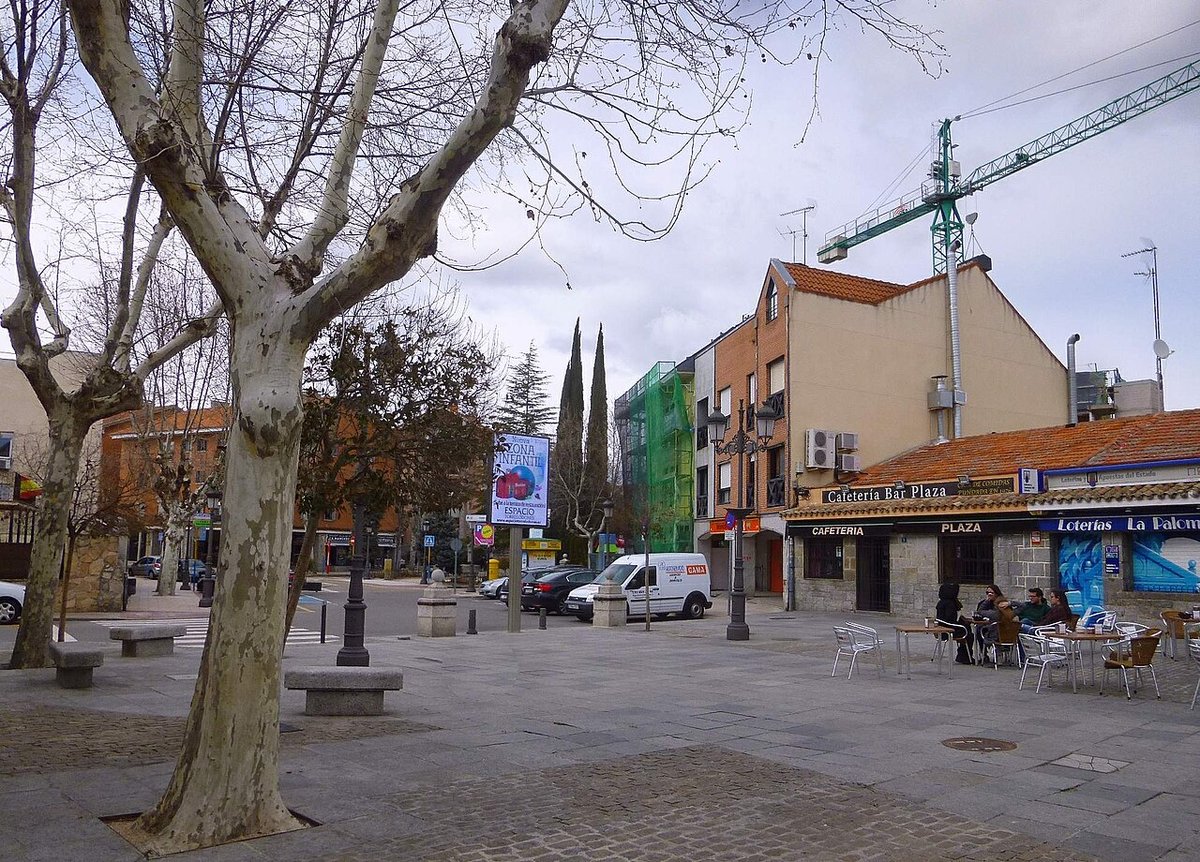
That history defines the layout. Streets run straight, blocks feel orderly, and there is no traditional old quarter. This is not a place of winding alleys or layered centuries. It is, in most respects, a relatively recent town, designed and rebuilt with a clear plan rather than grown over time.
Getting there and parking
Reaching Villanueva del Pardillo is straightforward by car. From Madrid, the journey is around 25 to 30 kilometres via the A-6 and the M-503. Traffic can build up during peak hours, so the time it takes varies more than the distance might suggest.
Once in town, the simplest approach is to head in and park wherever you first find a free space. The centre is small, but some streets have regulated parking during the week, so it is worth checking the signs carefully. At weekends there is usually more availability, although it can still take a bit of circling to find a spot.
Public transport exists, with buses linking the town to nearby municipalities that have commuter rail connections to Madrid. It works, but it is not especially quick, so it is not the most efficient option if time is limited.
What survived and what to look for
Very little predates the Civil War. Almost everything was rebuilt, and that shapes what there is to see. Only one significant structure survived: La Casona, a large 17th-century house. Today it serves municipal functions, so its role has changed even if the building itself remains.
Beyond that, there are two places worth seeking out if you are already in Villanueva del Pardillo.
The first is the church of San Martín. It dates from the 1950s and reflects the architectural style of that period, with exposed brick and a square bell tower. The exterior is restrained, almost austere. Inside, there is a notable detail: a Baroque altarpiece brought here from another nearby town. It introduces a layer of older artistic heritage into a building that is otherwise modern by local standards.
The second is less obvious and requires more effort to find. The Roman torcularium of the Arroyo de los Palacios is an ancient wine press, dated to around the 1st century. It came to light through relatively recent excavations and is often cited as one of the few documented examples of its kind in the Community of Madrid.
It is not set up as a visitor site. There is no interpretation centre and very little signage. Anyone interested will need to rely on a map and search for the area themselves. The experience is closer to locating an archaeological trace in the landscape than visiting a formal monument.
Along the Brunete front
The surrounding area connects directly with the events that led to the town’s destruction. One of the routes tracing positions from the Civil War passes nearby, following parts of the Brunete front. Remains of trenches and the occasional bunker are still visible in the terrain.
The route usually begins near the old aerodrome. This airfield was already in use in the early 20th century and had civilian activity before the war. Today the area is linked to military facilities, so from the outside there is little to see beyond the runway and its surroundings.
From there, the path continues towards the cemetery of the Cruz de la Calina. Plaques with names and dates mark the site, grounding the landscape in specific moments and people. The setting is open dehesa, a type of lightly wooded pasture typical of central Spain. Shade is scarce, and in summer the heat is intense, so carrying water is essential if you plan to walk any part of the route.
Local festivals
Villanueva del Pardillo keeps a fairly standard calendar for towns in the Madrid region. The main festivities take place around San Lucas in October. Temporary stalls appear in the square, along with concerts and the usual elements found in many local celebrations.
In June, there is typically a music fair featuring local bands and food stalls. The atmosphere leans more towards a neighbourhood gathering than a large-scale festival, with a focus on local participation rather than big names.
A realistic stop
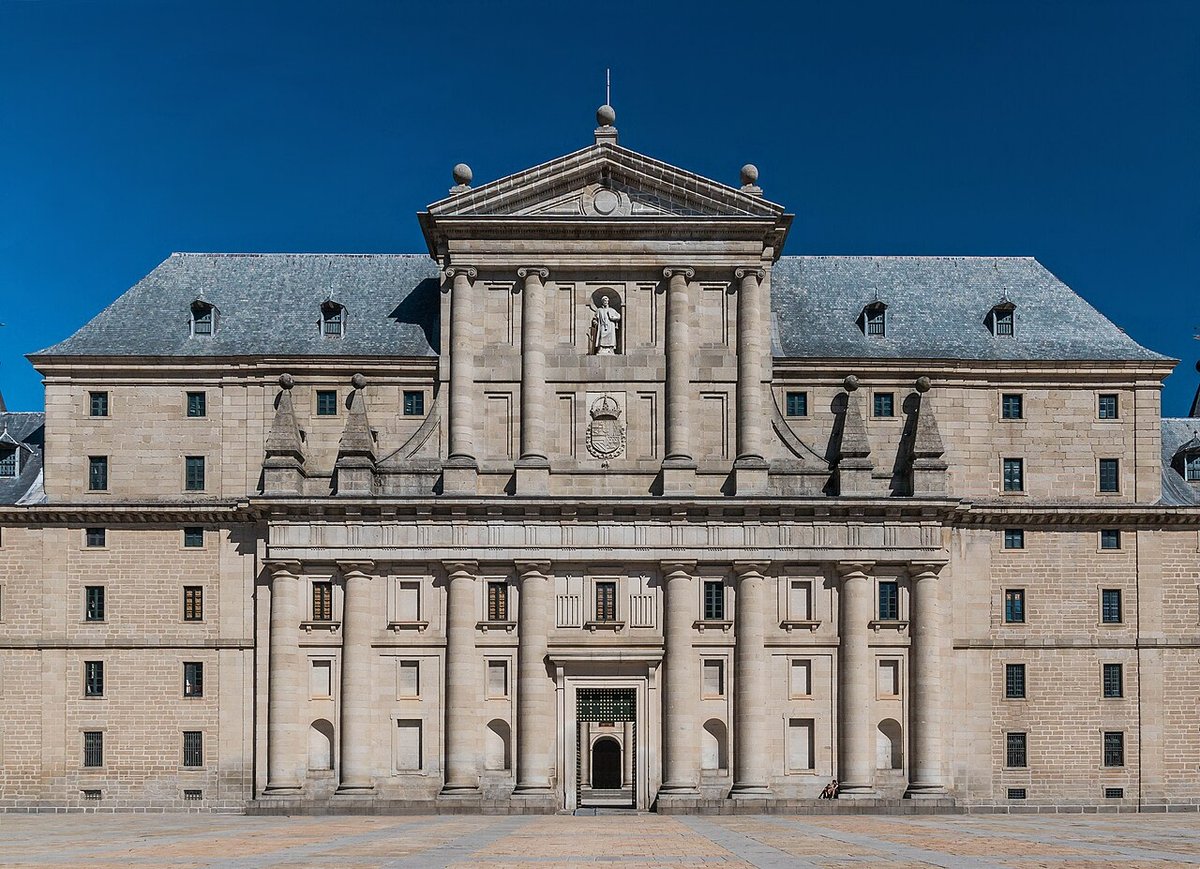
Villanueva del Pardillo is not a place to plan an entire day around. It works better as a short stop if you are already exploring the Brunete area or heading towards El Escorial. A brief visit allows time to see the church of San Martín, walk through the centre, and get a sense of how the town was rebuilt.
One or two hours is enough to cover what there is. The key is to arrive with the right expectations. The interest here lies in the recent history and the imprint of the Civil War, rather than in a preserved old town or major monuments.