Full Article
about Loeches
Historic town with a remarkable convent heritage; pantheon of great noble families.
Hide article Read full article
A place you almost miss
Loeches has the feel of somewhere you pass again and again on the way to somewhere else. The kind of place seen from a car window or glimpsed from a bus, always close but never quite enough to make you stop. It sits within easy reach of Madrid, yet it often goes unnoticed.
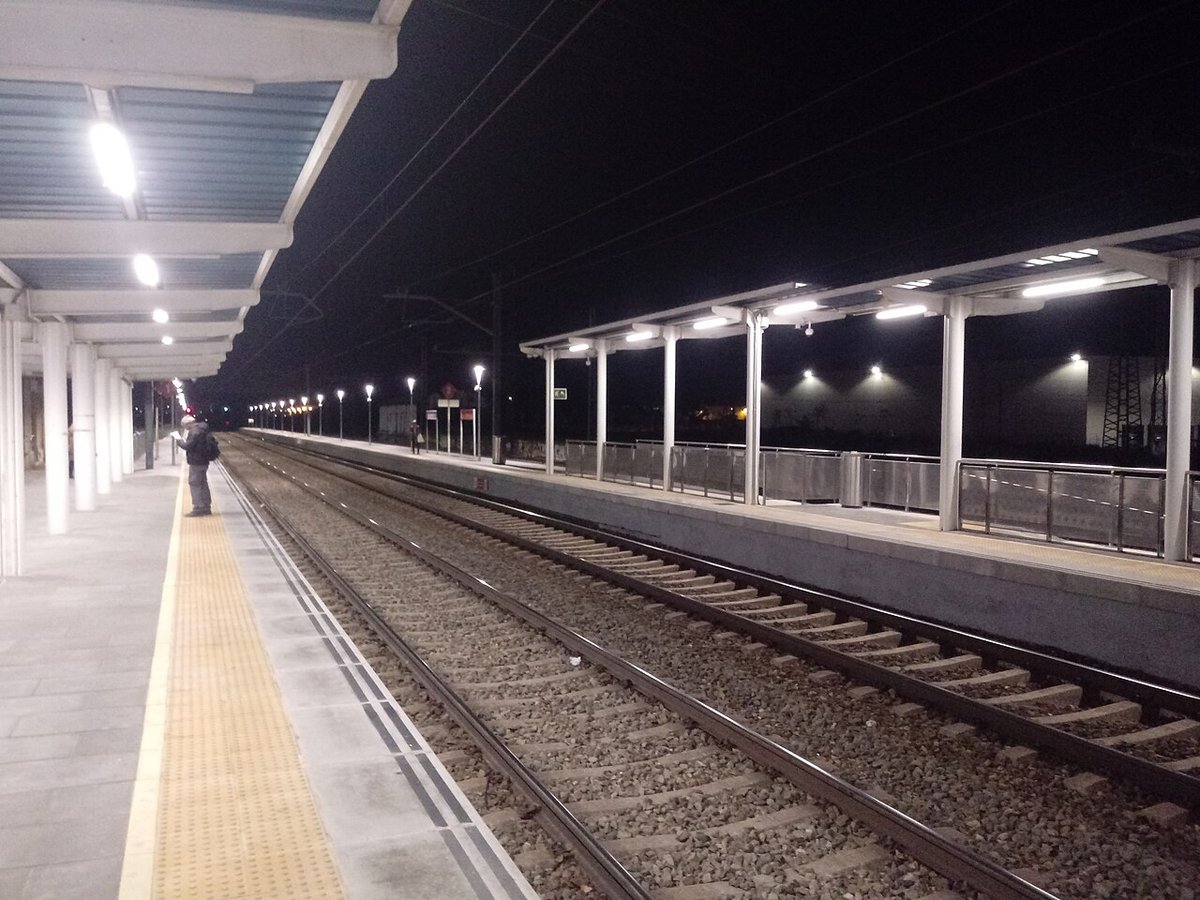
The high-speed AVE line runs nearby and cuts through the area at speed, so from the train there is barely time to register anything at all. Up close, walking through its streets at a slower pace, a different picture appears. There is more history here than first impressions suggest.
What the road doesn’t show
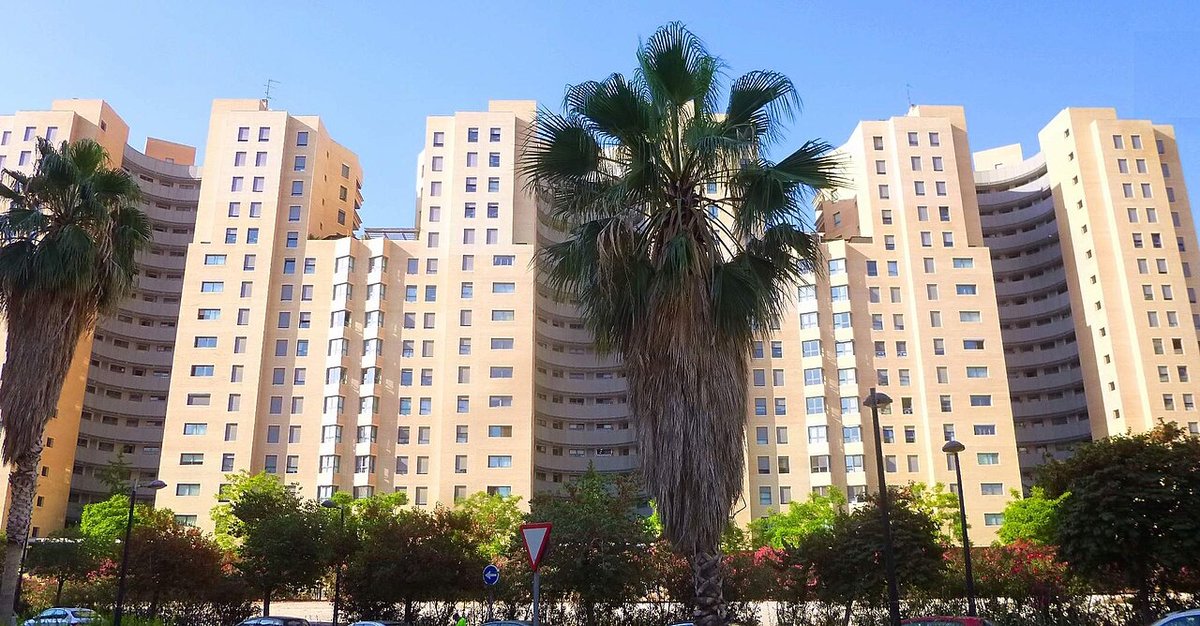
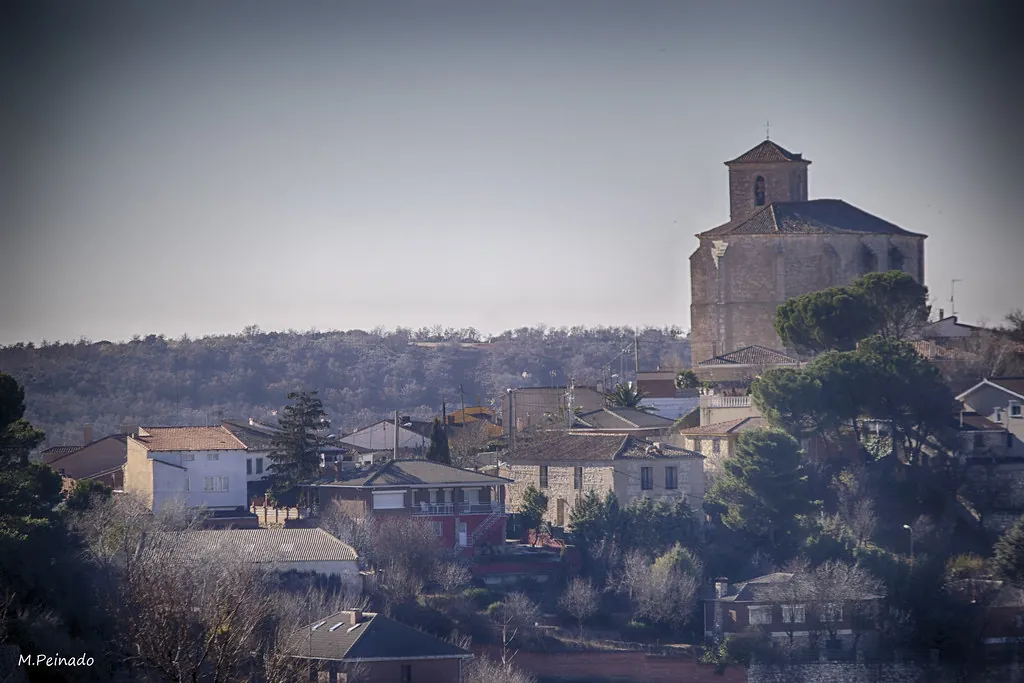
Arriving from the outskirts, Loeches can look like many other towns to the east of Madrid. Low houses, residential developments that have expanded over time, and a calm rhythm typical of places close to the capital but not fully absorbed into city life.
That impression shifts as you move towards the centre and reach the Monasterio de la Inmaculada Concepción. It changes the scale of everything around it.
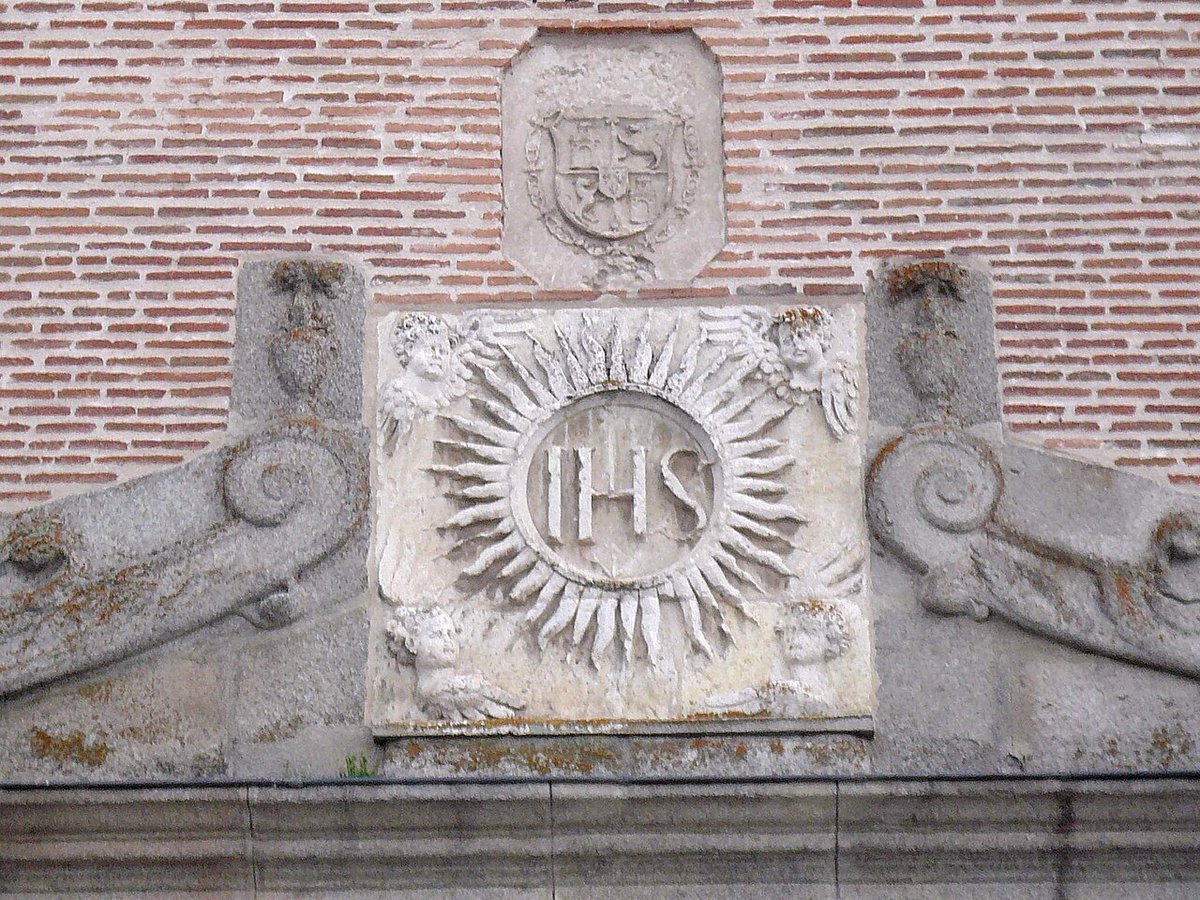
The building, made of brick, dominates its surroundings with the solid presence of a 17th-century structure. It has long been linked to the Casa de Alba, the noble family that promoted its construction. Its size and position can feel almost unexpected, as though such a large monument had been placed in the middle of the town without warning.
Inside, a community of Poor Clare nuns still lives and works. They continue the tradition of making sweets, which are sold through a revolving hatch. The system is simple and unchanged: you ring, say what you want, and the tray turns. Sometimes it is open, sometimes not. It depends on the rhythm of convent life, so patience helps.
The Casa de Alba pantheon
Behind the monastery lies the pantheon where members of the Casa de Alba were buried. It is a restrained space, slightly set apart, with the quiet atmosphere often found in historic burial sites.
This is not a place surrounded by crowds or detailed explanations. In fact, that feeling runs through Loeches as a whole. There are fragments of history with real weight, yet the information often arrives only partially, as if a story has been started but never fully told.
A square where life slows down
The centre of Loeches revolves around its main square and the Iglesia de la Asunción. The current building has stood for centuries. During renovation works some decades ago, a medieval gravestone was discovered. It can now be seen either inside the church or within its walls, depending on how access is arranged.
This is not a carefully curated museum space. It remains a working parish church, shaped by daily routines and local use rather than display.
The square reflects that same everyday pace. People stop to talk, someone crosses carrying shopping bags, neighbours pause for brief conversations that stretch longer than expected. It is a familiar scene in towns across the central Spanish plateau, where time seems to move a little differently.
Residents of Loeches are known as lechuzos. The name can sound unusual at first, but here it is simply part of local identity.
Walking out into open land
Leaving the built-up area, open countryside appears within minutes. There are no major signposted routes or frequent information panels. Instead, a network of agricultural paths leads out towards the valley and nearby streams.
Any path heading into the fields works. These are straightforward walks where the main change comes with the seasons. In spring, the landscape turns green with cereal crops. By summer, the tones become dry and muted. The sky remains wide for most of the year.
There is also a particular kind of silence. The sort that feels surprising given the short distance from Madrid.
Eating, the local way
Food in Loeches follows the traditions of this part of the Comunidad de Madrid. Roast lamb appears, especially in cooler months, alongside hearty stews when temperatures drop. In warmer weather, meals tend to be simpler.
At times, local associations organise communal meals or activities in shared spaces. If one happens to coincide with a visit, it offers a way to see how the town functions day to day. The setting is straightforward: long tables, spoon dishes, conversation flowing easily.
Otherwise, the simplest option is often the most fitting. Sit in the square, order something small, and watch the afternoon pass. In places like this, that is often enough.
Getting there and moving around
Loeches can be reached from Madrid in a little over half an hour by car, usually via the A-2 and regional roads heading southeast. There are also bus connections linking it with the capital and nearby towns.
Once there, walking is the best way to get around. The centre is compact, and the paths leading out into the countryside begin almost at the edge of the last streets.
A quiet morning works well. A stroll past the monastery, some time wandering through the centre, then a short walk beyond the town. Loeches does not aim to impress with constant landmarks or busy streets. It moves at its own pace, and that is precisely where its appeal lies.