Los Santos de la Humosa - Flickr
Madrid · Mountains & Heritage

Los Santos de la Humosa

The thermometer in Madrid reads 34°C, yet forty-five minutes later you're pulling on a fleece at 906 metres. Los Santos de la Humosa sits high enou...

2,867 inhabitants · INE 2025
906m Altitude

Why Visit

Church of San Pedro Enjoy views

Best Time to Visit

spring

Virgen de la Humosa (September) septiembre

Things to See & Do
in Los Santos de la Humosa

Heritage

  • Church of San Pedro
  • Henares viewpoints
  • Chapel of the Virgin

Activities

  • Enjoy views
  • Hiking
  • Bull-running festivals

Festivals
& & Traditions

Fecha septiembre

Virgen de la Humosa (septiembre)

Las fiestas locales son el momento perfecto para vivir la autenticidad de Los Santos de la Humosa.

Full Article
about Los Santos de la Humosa

Overlook of the Henares with sweeping views; a village steeped in history and bullfighting tradition

Ocultar artículo Leer artículo completo

The thermometer in Madrid reads 34°C, yet forty-five minutes later you're pulling on a fleece at 906 metres. Los Santos de la Humosa sits high enough that the capital's heat simply doesn't bother to climb this far, making it a favourite weekend refuge for Madrileños who know their island weather patterns.

This scatter of stone houses crowns a ridge above the Henares corridor, where the Meseta's cereal ocean finally runs into something resembling topography. From the church parapet you can watch combine harvesters crawl across wheat the colour of digestive biscuits, their progress marked by dust plumes that drift east towards Alcalá. The view explains why locals call late July "the sea of gold" – an expression that sounds tourist-board trite until you actually see kilometre after kilometre of grain shimmering in the breeze.

What passes for a centre

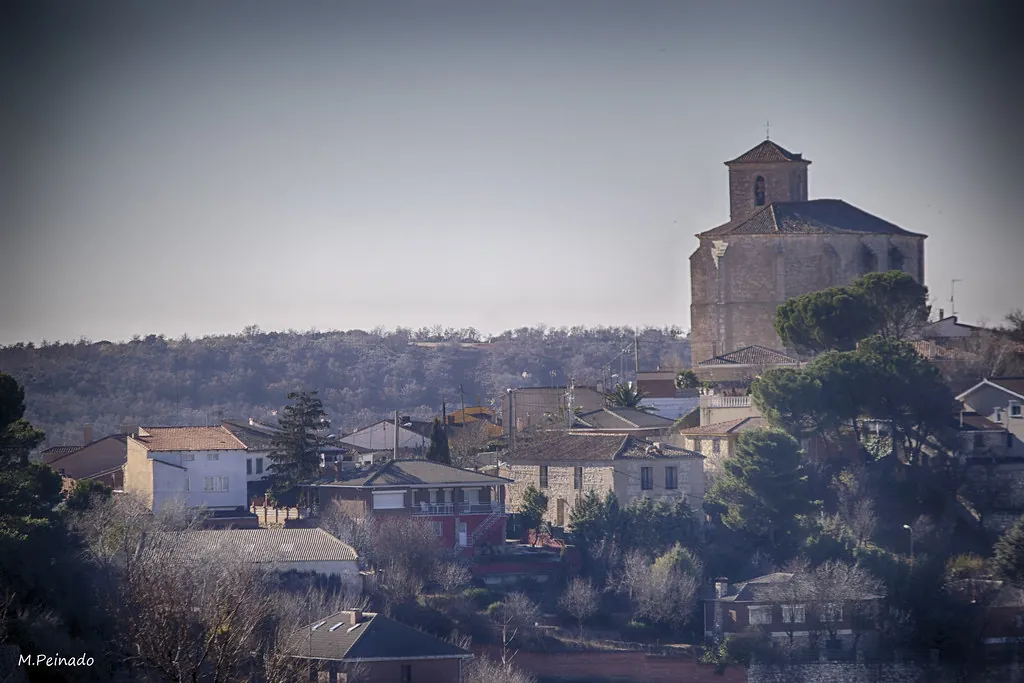
San Andrés Apóstol's tower dominates everything, visible from any approach road long before the village itself materialises. The church is a palimpsest rather than a monument: Romanesque bones, Gothic ribs, Baroque afterthoughts patched together with whatever stone came to hand. Stand in the porch at 7pm and you'll catch the day turning – shadow creeps across the plaza while the western fields stay lit another twenty minutes, a daily light show that costs nothing and requires no ticket office.

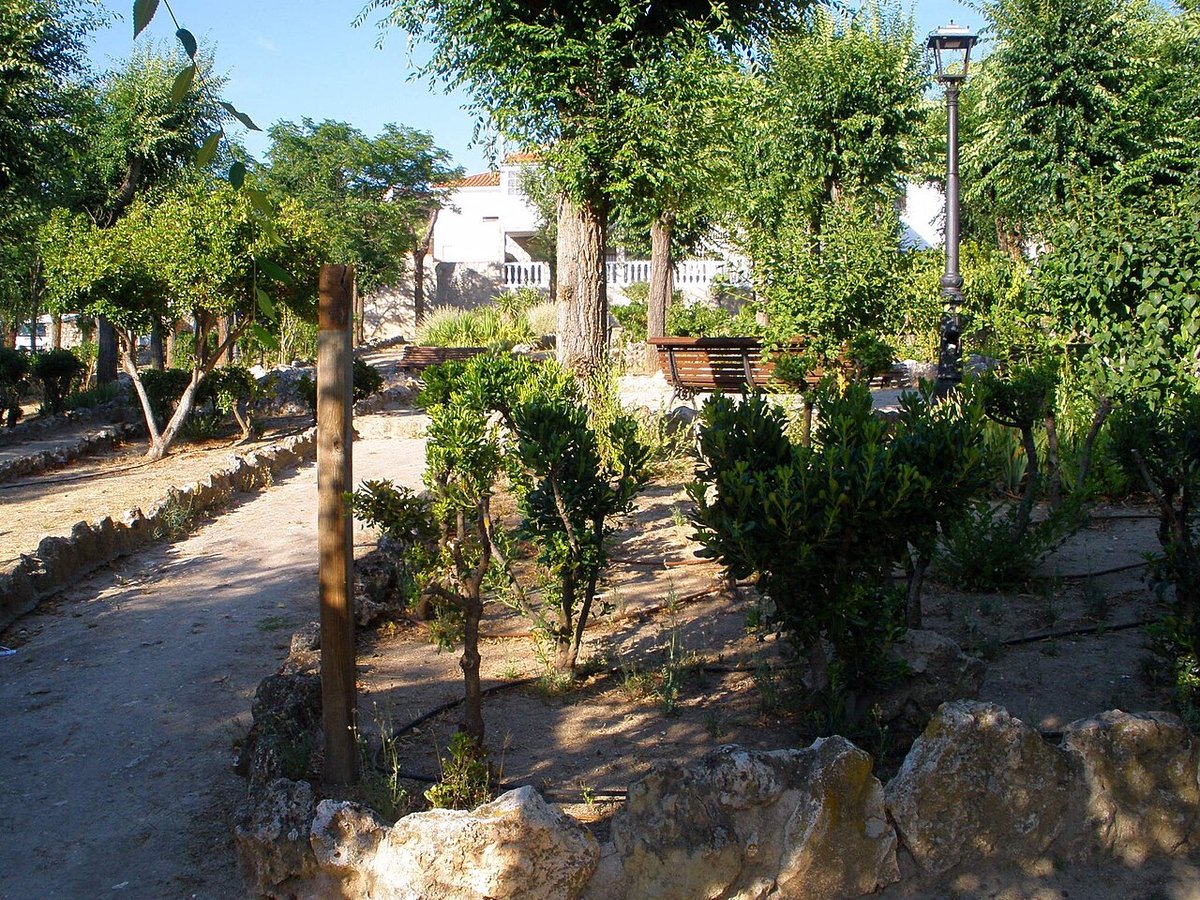
Below the church, three parallel streets follow the ridge line. Houses here weren't built for Instagram; they're working architecture in limestone and adobe, their wooden balconies sagging after centuries of carrying washing, peppers and the occasional goat. Number 14 Calle Real still has a hayloft door three metres up – the agricultural equivalent of a London dumb-waiter, designed to winch fodder above the family mule. Nobody's restored it into holiday flats. Yet.

Walking without waymarks

Los Santos doesn't do signposted trails. Instead, agricultural service roads fan out like bicycle spokes, linking the village to its surrounding fields. Pick any track at random and within twenty minutes you're alone with larks and the distant hum of the A-2, a reminder that Madrid's gravity field remains close enough for commuting.

The most satisfying circuit heads south-east towards Santorcaz. Follow the ridge path past the cemetery – worth pausing here, the marble portraits tell you plenty about twentieth-century rural Spain – then drop into the valley where holm oaks provide the only shade for miles. You'll share the track with the occasional farmer in a white van, but mostly it's just wheat whispering against itself. Round trip: eleven kilometres, flat enough for walking boots but not trainers, and zero facilities en route. Bring water; the village fountain looks medieval but runs perfectly potable.

Winter transforms these paths into something bleaker. When the northeasterly arrives straight off the Guadalajara plateau, 906 metres feels like double. Frost patterns stay on the verges until lunchtime, and mud collects on boot soles like stubborn toffee. Locals simply swap their morning café con leche for carajillo – coffee laced with brandy – and get on with it.

Food that understands hunger

There are precisely two bars. Both open at 7am for field workers, both serve identical menus, both close when the last customer leaves. Order the cordero asado on Sundays and you'll get half a lamb that fell off its bone somewhere around 3am, having spent eight hours in a clay oven whose temperature is judged by how long the cook can hold his hand inside. It arrives with chips, because vegetables are what food eats.

El Pontifical, tucked underneath the posada, operates on a different plane entirely. The dining room occupies a former grain store carved into bedrock; candlelight flickers across limestone walls that still smell faintly of wheat. The tasting menu costs €38 – roughly what you'd pay for a pub carvery back home – yet runs to five courses including a cheesecake that has reduced at least one British food blogger to tears. Book the cave table (only one exists) when you reserve your room; everyone else gets normal tables and a lingering sense of disappointment.

When Madrileños arrive

August's fiesta patronal turns decibel levels up to eleven. The village swells from 500 to 3,000 as grandparents, grandchildren and entire flat-shares from Lavapiés return to ancestral homes. Brass bands parade at 2am, fireworks echo off stone walls like gunfire, and someone's auntie insists you try her tortilla. Accommodation sells out six months ahead; if you must visit during fiesta, beg a room in Alcalá and taxi up for dinner.

The quieter celebration happens 30 November for San Andrés. Weather permitting, villagers roast chestnuts in the plaza and the priest blesses the new wine. There's no programme, no tickets, just people marking the agricultural year the same way their great-grandparents did. British visitors often stumble on this by accident and leave claiming they've "found the real Spain" – which rather misses the point that Los Santos never bothered being anything else.

Getting here, staying put

Madrid-Barajas sits 26 kilometres away as the crow flies, forty-five minutes as the hire car crawls through commuter traffic. Take the A-2 towards Barcelona, peel off at Alcalá, then follow the M-203 into the hills. Public transport exists but requires dedication: Cercanías train to Alcalá, local bus at 07:25 or 14:10, nothing on Sundays. A pre-booked taxi from Alcalá costs €25 – still cheaper than the airport rank's €80 quote for direct.

Parking looks straightforward until you meet the plaza's residents-only bollards. Leave the car in the gravel bowl below the church; the climb keeps your calves honest. The posada has twelve rooms, all beams and underfloor heating, dog-friendly for those travelling with four-legged companions. Doubles start at €90 including breakfast – proper coffee, freshly squeezed orange juice and pastries still warm from someone's kitchen.

Pack a fleece even in July, carry cash because the bars don't do cards, and stock up in Alcalá if you need anything more exotic than bread and cheese. Los Santos won't keep you busy for a week. It will, however, reset your altitude, your body clock and possibly your assumptions about what constitutes a worthwhile view. Just don't expect souvenir shops. The wheat fields already sell themselves – you simply have to look.

Key Facts

Region
Madrid
District
Cuenca del Henares
INE Code
28137
Coast
No
Mountain
No
Season
spring

Livability & Services

Key data for living or remote work

2024
ConnectivityFiber + 5G
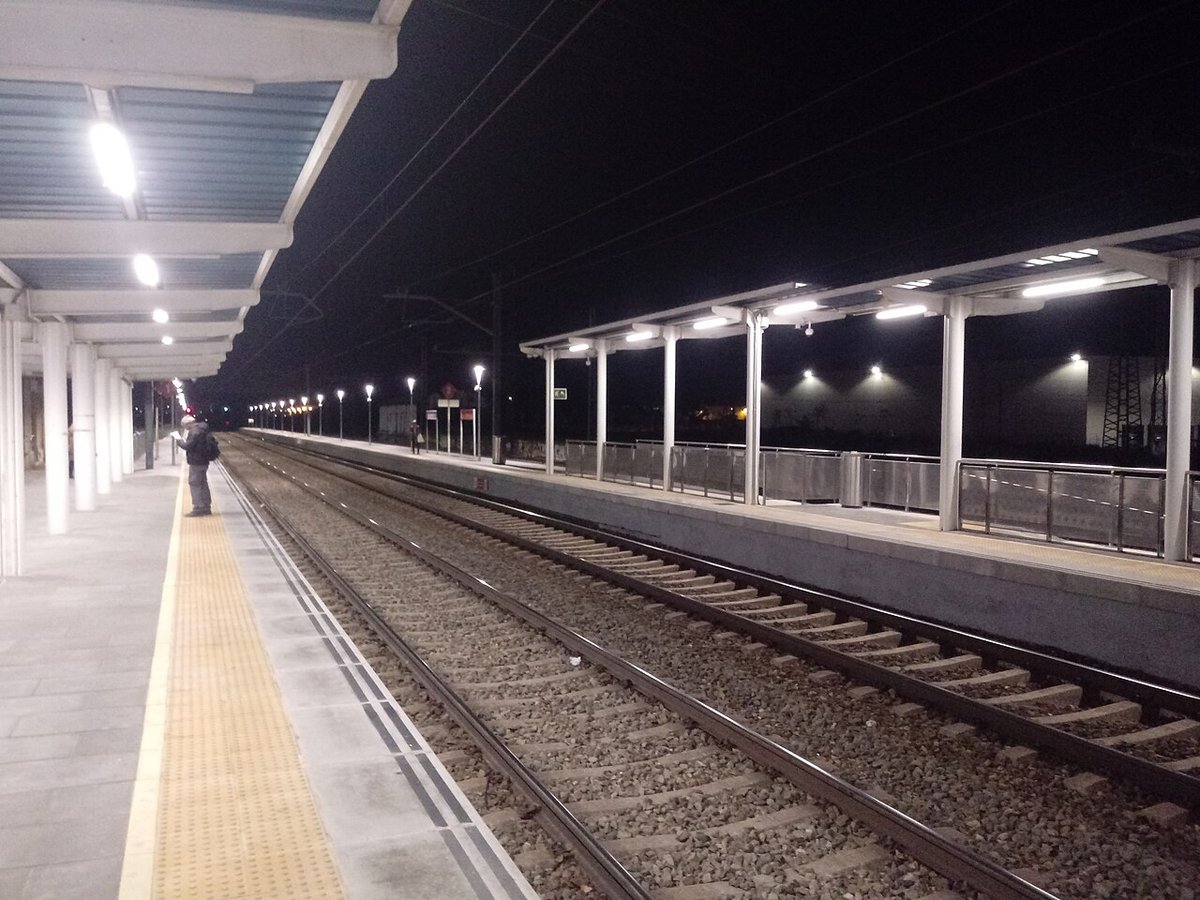
TransportTrain station
HealthcareHospital 9 km away
EducationHigh school & elementary
Housing~6€/m² rent · Affordable
CoastBeach 19 km away
Sources: INE, CNMC, Ministry of Health, AEMET

Planning Your Visit?

Discover more villages in the Cuenca del Henares.

View full region →

More villages in Cuenca del Henares

Traveler Reviews