Full Article
about Meco
Municipality in the Henares corridor with a well-preserved historic center and industrial areas.
Hide article Read full article
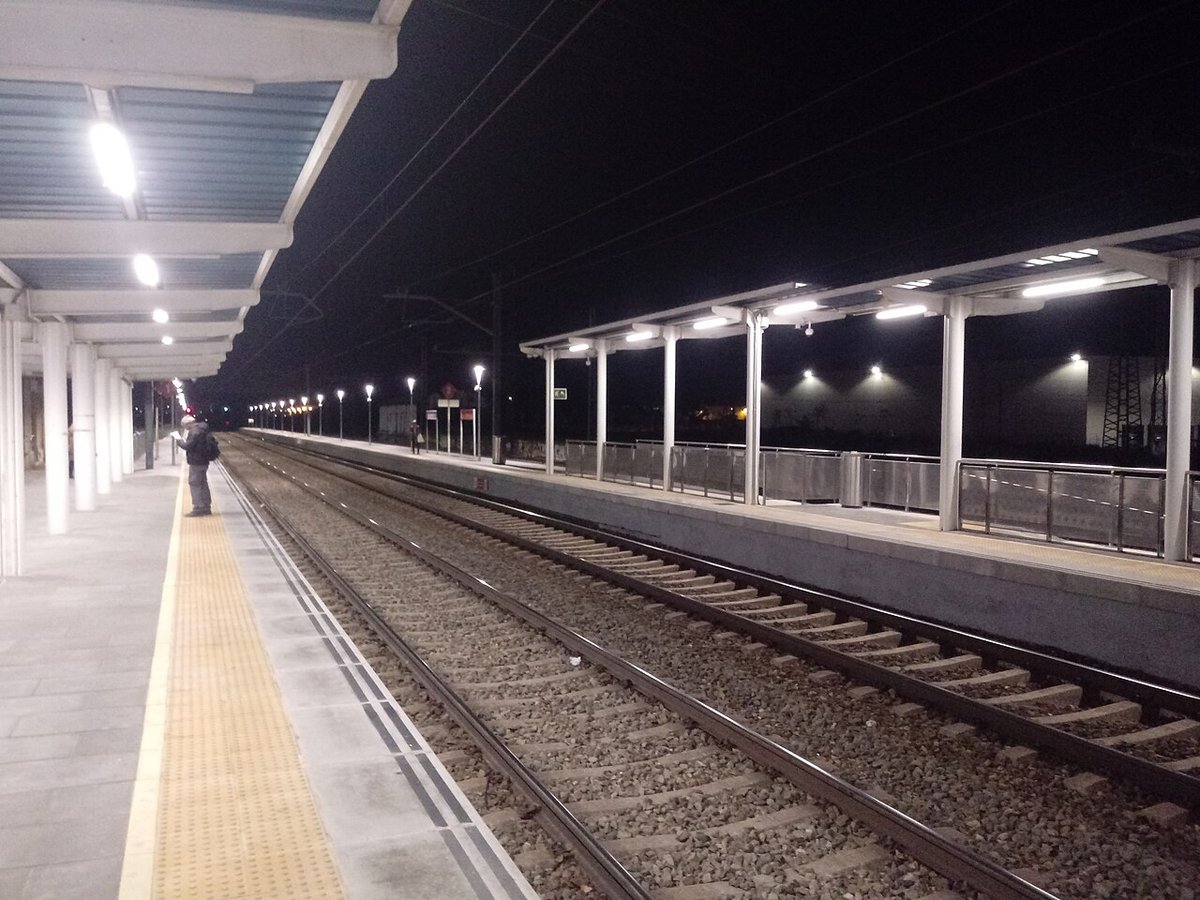
At six in the evening, April light falls sideways across the wheat fields that surround Meco. From the C‑2 Cercanías train, once the tracks have left the industrial estates along the A‑2 behind, the town appears all at once: a cluster of reddish roofs set in a wide, open plain. It lies around forty kilometres from Madrid, yet the moment you step down onto the platform the atmosphere shifts. The dominant sounds are the wind coming up from the Henares valley and the metallic echo of the train pulling away.
The stillness of the plateau
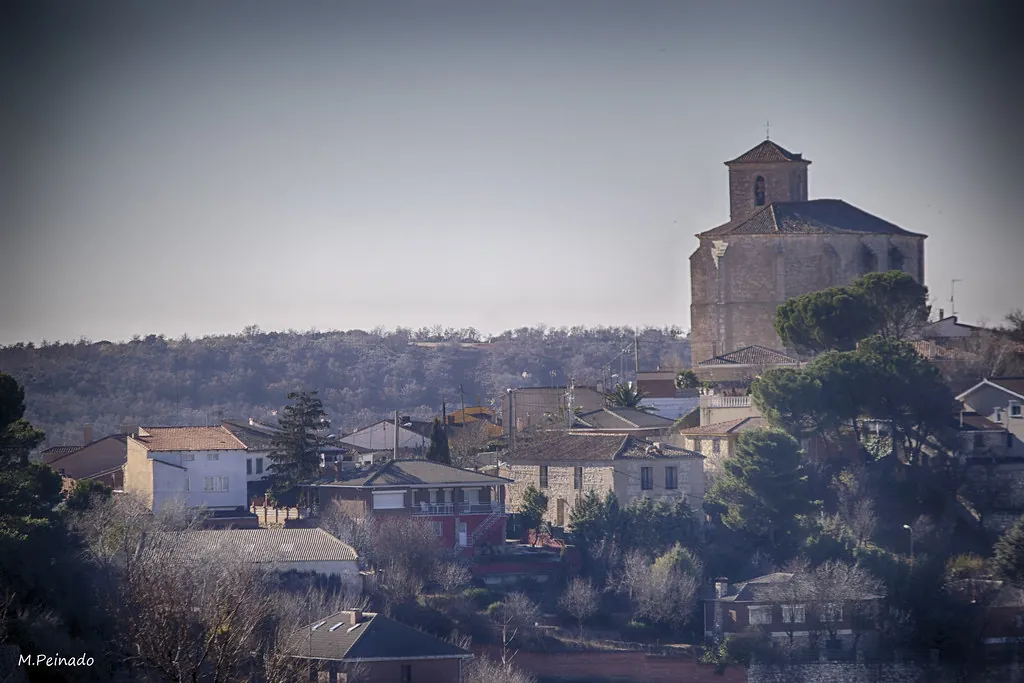
Meco carries the scent of bread and dry earth after a long day. Calle Mayor cuts through the centre with the familiar mix found in many towns along the Henares corridor: older houses, refurbished doorways and a few long‑standing local shops. At the far end rises the Iglesia de la Asunción, a large building in pale stone whose origins go back to the 16th century. Its square, austere tower defines the town’s skyline.
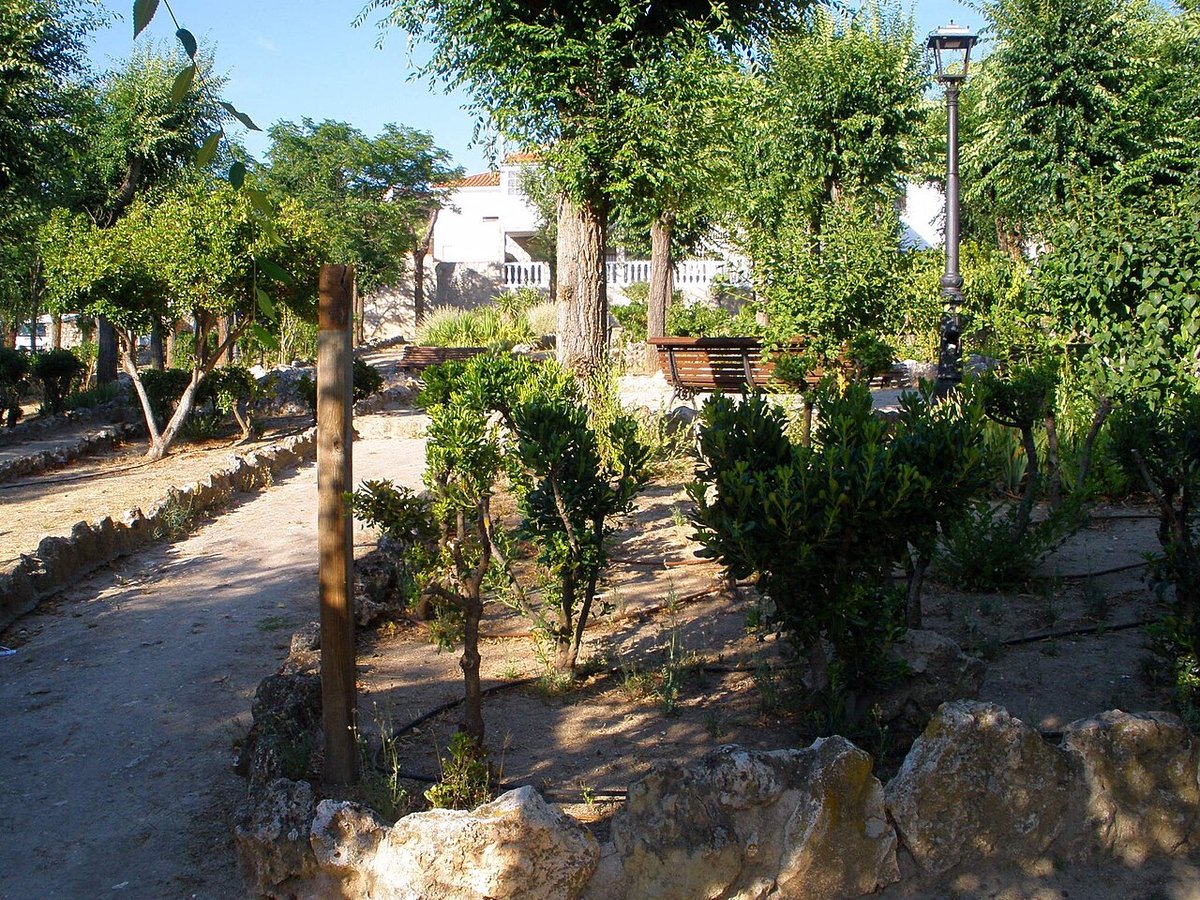
A short walk away from the main street, the houses thin out quickly. Within a few blocks there are low walls, vegetable plots and dirt tracks heading out towards open countryside. From the square, beneath the lime trees, the horizon is almost entirely flat. On days when the air is still, every sound carries: a dog barking in the distance, the engine of a tractor, or the train passing again on its way towards Guadalajara.
This is the Meseta, Spain’s high central plateau, and its character is evident. Space dominates. Light feels sharper. The landscape does not compete for attention, it simply stretches out.
Festivals that bring people home
In winter, around the feast of San Sebastián, the town gathers near the church and along the central streets. The cold can be biting, and the mood is more local than visitor‑focused, shaped by neighbours greeting one another rather than outside crowds.
Spring brings the romería of the Virgen de la Cabeza. A romería is a traditional pilgrimage, often informal and communal, and here it leads many residents out to the ermita on the outskirts of town. On that day black lace mantillas appear, trestle tables are set up outdoors and children run about with bags of sweets. The setting may be simple, but the sense of shared ritual is clear.
In September come the fiestas of Cristo del Socorro. During those days Meco changes pace. Those who work or study elsewhere return, social clubs known as peñas take over the streets and music continues well into the night. The rhythm of daily life is replaced, briefly, by celebration that fills the centre.
Paths down to the Henares valley
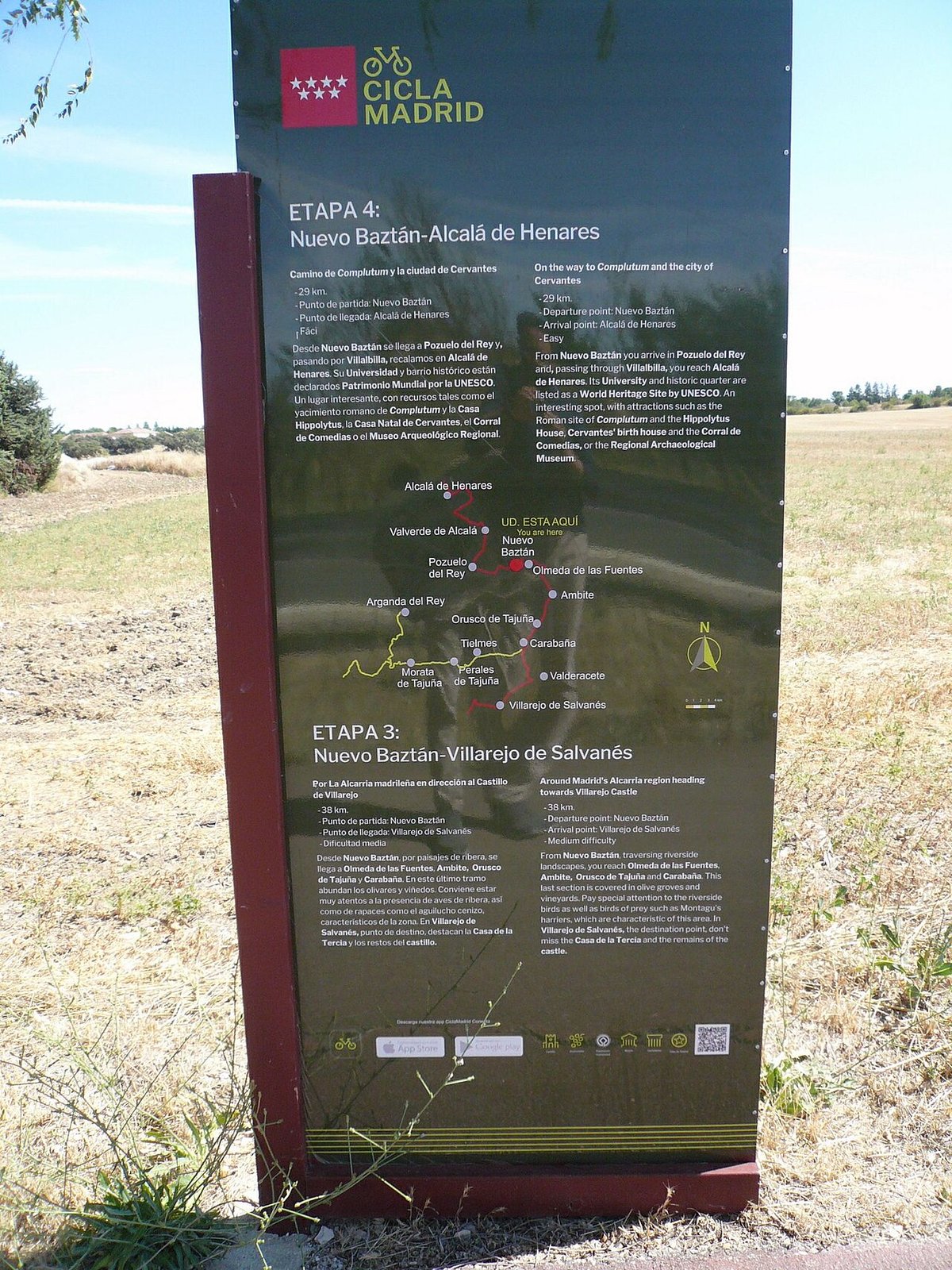
Behind the cemetery, several agricultural tracks slope gently down towards the vega, the fertile plain of the Henares valley. The long‑distance footpath GR‑124 passes through this area, as do stretches of the old Cañada Real Galiana, one of the historic drove roads that once carried livestock across large parts of the Iberian Peninsula.
The scenery is open and offers little shade, so early starts make sense in the hotter months. In spring the ground is patterned with crops and fallow fields dotted with low wildflowers. With binoculars, it is easy to spot birds circling above the fields. Waymarking is not consistent along every stretch, yet there is a straightforward quality to walking here: a long horizon, steady wind and the curious feeling of being very close to Madrid without seeing any trace of it.
The proximity to the capital is geographical rather than visual. From these tracks, there is only farmland and sky.
A table shaped by dry land
Local cooking relies on what the surrounding land provides. Large round loaves of bread, sheep’s cheeses and substantial stews appear when the cold sets in. In many households, cocido remains the traditional Sunday meal, made with chickpeas and locally sourced meat.
The sea is far away and it shows on the table. Produce from the fields dominates, and wine is served without ceremony, in a simple glass or shared jug. Ask about seafood and someone may reply, half joking, that Madrid is the place to go for that.
At night, when the sky is clear, the stars are visible with notable clarity. Meco is not isolated countryside, yet street lighting remains moderate and the outskirts of town are fairly dark. A short walk beyond the last houses is enough to find a broad sweep of sky overhead.
Getting there and choosing your moment
The C‑2 Cercanías line connects Meco with Madrid and Alcalá de Henares. The journey from the capital takes roughly three quarters of an hour. By car, the usual approach is via the A‑2, continuing along local roads that run between cultivated fields.
Spring is often the most pleasant season for walking in the surrounding area, with mild temperatures and green fields. In August, heat clings to the tarmac from mid‑morning and the streets grow quiet.
At weekends there is a little more energy, particularly on the terraces in the centre. During the week the town returns to its usual rhythm: people commuting to and from work, children leaving school and the train passing at intervals along the Henares corridor.
Meco does not compete with the larger destinations nearby. Its appeal lies in its scale and its setting, on the edge of the plateau and within reach of the valley. It is close enough to Madrid for an easy journey, yet far enough for the wind and the wide horizon to take over.