Full Article
about Mejorada del Campo
Known for the 'Catedral de Justo'; a town near Madrid with natural areas by the river.
Hide article Read full article
A town marked by one man’s project
Tourism in Mejorada del Campo often begins with a story from the very recent past. The man who built a cathedral almost single-handedly died only a few years ago. For decades, Justo Gallego raised columns, walls and domes on a plot of land he owned near the road linking the town with Velilla de San Antonio. He worked without technical plans and without institutional backing. When he died in 2021, he left behind a vast structure with no clear future.
That building has become the most recognisable image of a municipality that has otherwise grown in the shadow of Madrid’s metropolitan area. It stands out precisely because it does not fit easily into any category. It is neither an official religious building nor a conventional piece of architecture. Even so, it draws attention from anyone passing through and has shaped how the town is perceived.
Between the Henares and the Jarama
Mejorada del Campo lies on the plain where the River Henares approaches the Jarama. This is an area of fertile lowlands that have been occupied since very early times. Archaeological remains found within the municipal boundaries point to agricultural settlements dating back to the Bronze Age, roughly between 2000 and 1600 BC. The reasons were straightforward: nearby water, productive soil and land that was easy to work.
Local tradition places the foundation of the Christian settlement in the mid-12th century, during a period of territorial reorganisation following the Castilian advance towards the Tagus valley. It is usually linked to repopulation efforts associated with the bishopric of Segovia, although medieval records are not always precise.
The name of the town has changed over time. For a period it was known as Mejorada del Rey, when it came under direct control of the Crown. Later, it became associated with the Fernández del Campo family. Pedro Cayetano Fernández del Campo y Salvatierra, who served as president of the Council of Castile at the end of the 17th century, received the title of Marquis of Mejorada del Campo. He is credited with founding the chapel of San Fausto in 1699, where the saint’s relics have traditionally been kept.
The parish church and San Fausto
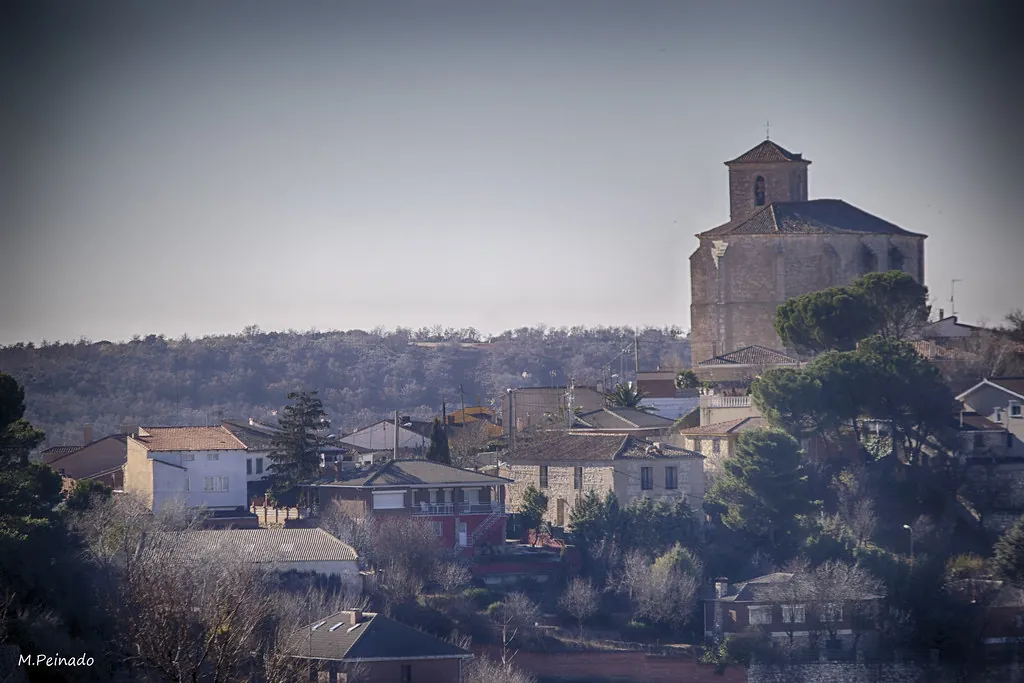
The Church of the Nativity is the main historic building in the town centre. Its origins date to the early 16th century, although later alterations have changed parts of the structure. It is not a monumental church, yet it holds a few details that stand out.
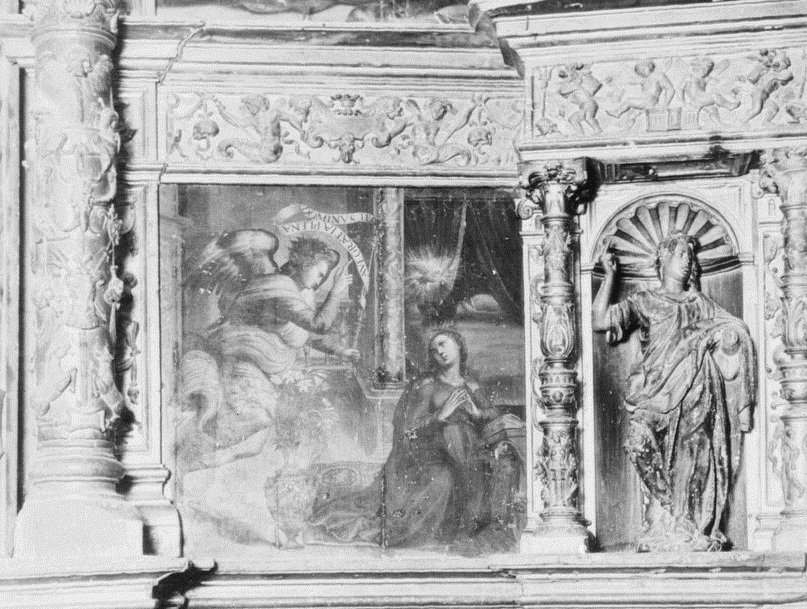
Among them are the holy water fonts mentioned by Antonio Ponz during his 18th-century travels across Spain. He described them as pieces of unusual quality for a parish of this size. It is a small detail, but it suggests the care given to certain liturgical elements even in modest settings.
Next to the church stands the chapel of San Fausto, closely linked to local devotion to the town’s patron saint. Celebrations in his honour continue to shape the municipal calendar. Around those dates, a medieval-themed market is often organised, and the centre of the town takes on a different appearance for a few days.
The remains of Justo Gallego’s work
The so-called cathedral of Justo is not a cathedral in the ecclesiastical sense, nor was it ever officially recognised by the Church. It is a structure built in an almost entirely handmade way over more than half a century. Justo Gallego used recycled materials and techniques he learned as he went along.
The result is difficult to classify. There are domes, towers, galleries and columns that do not follow academic proportions. Some sections show improvised solutions, while others reveal the ambition behind the whole project. After his death, local authorities have considered how to secure the structure and decide what use it might have in the future.
Opinion among residents has never been entirely unanimous. For some, it is an oddity that attracts attention from outsiders. For others, it has long been part of the town’s landscape, no different from any other building that has stood there for decades.
Getting a sense of the place
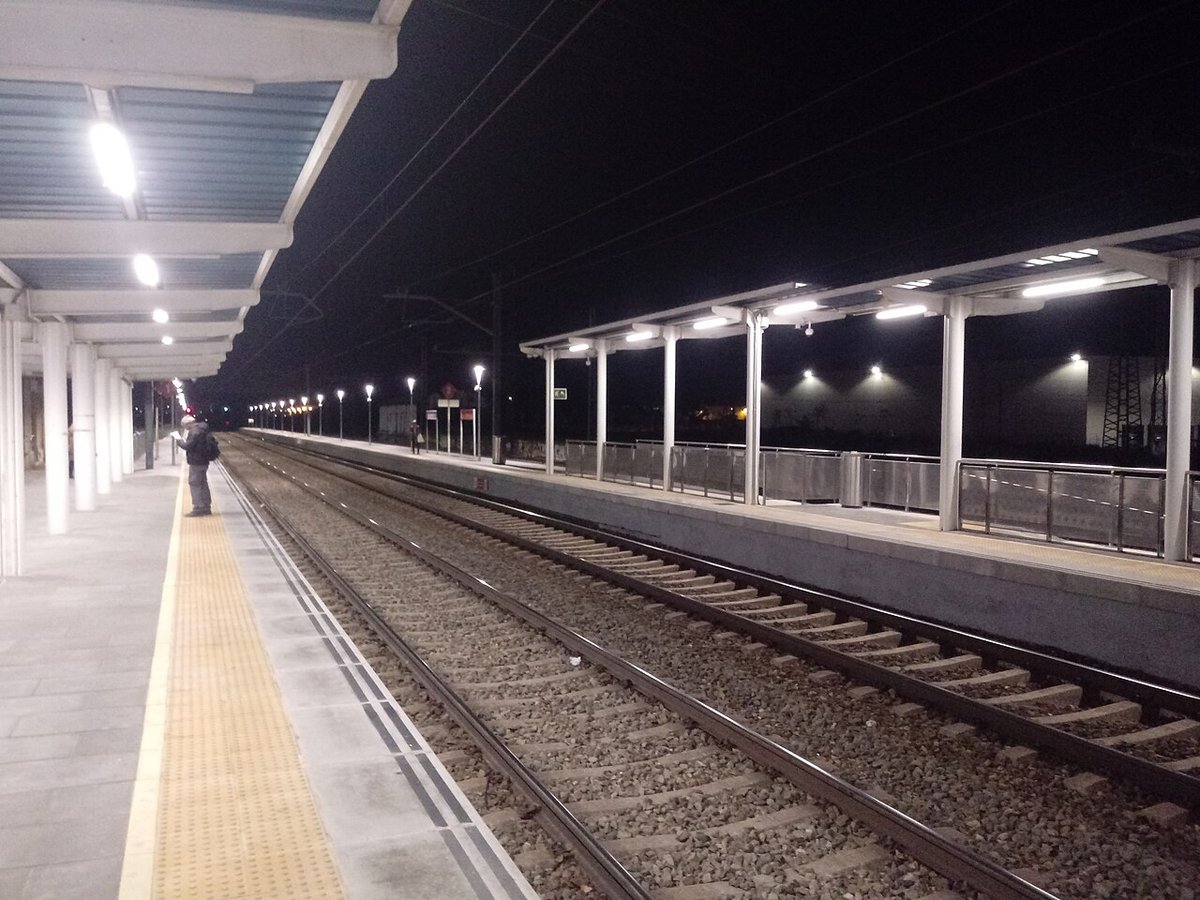
Mejorada del Campo sits about 25 kilometres east of Madrid, within the wider metropolitan area. It can be reached بسهولة by road from the A-2, and there are also bus connections with the capital.
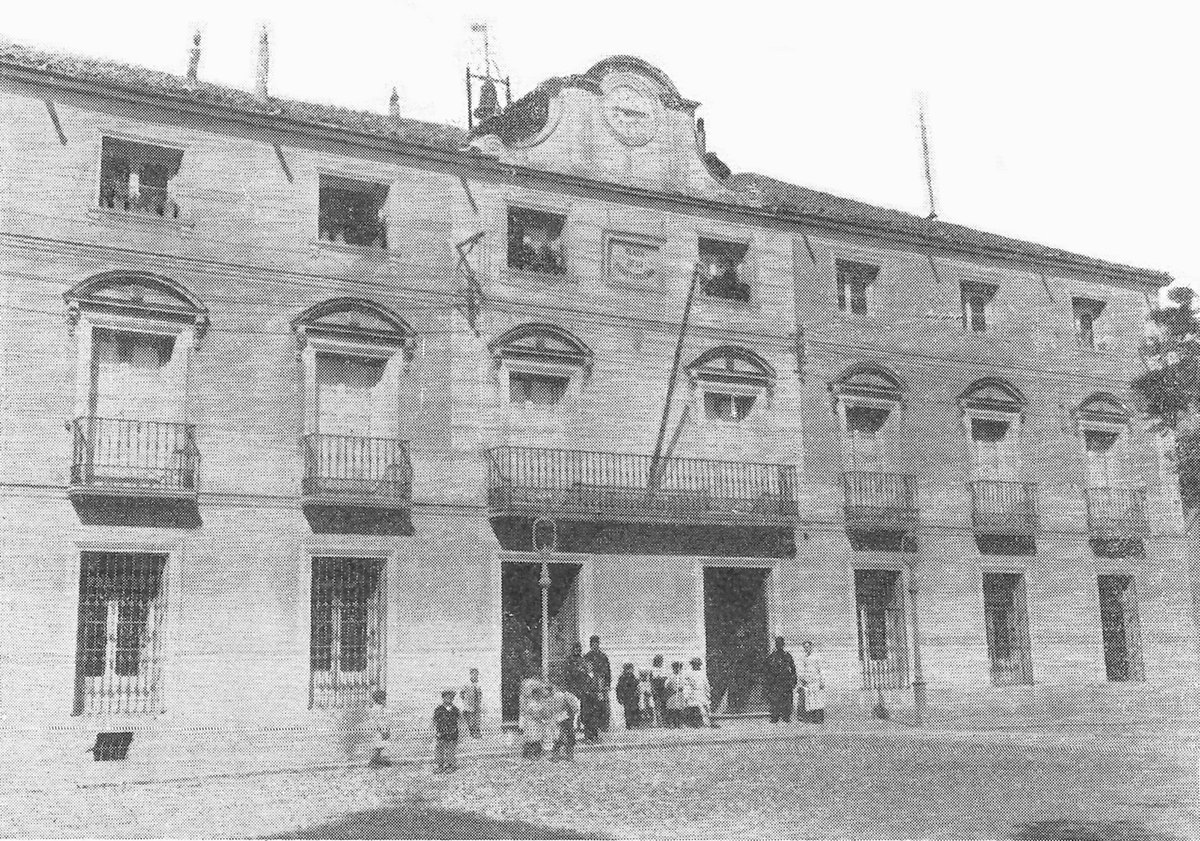
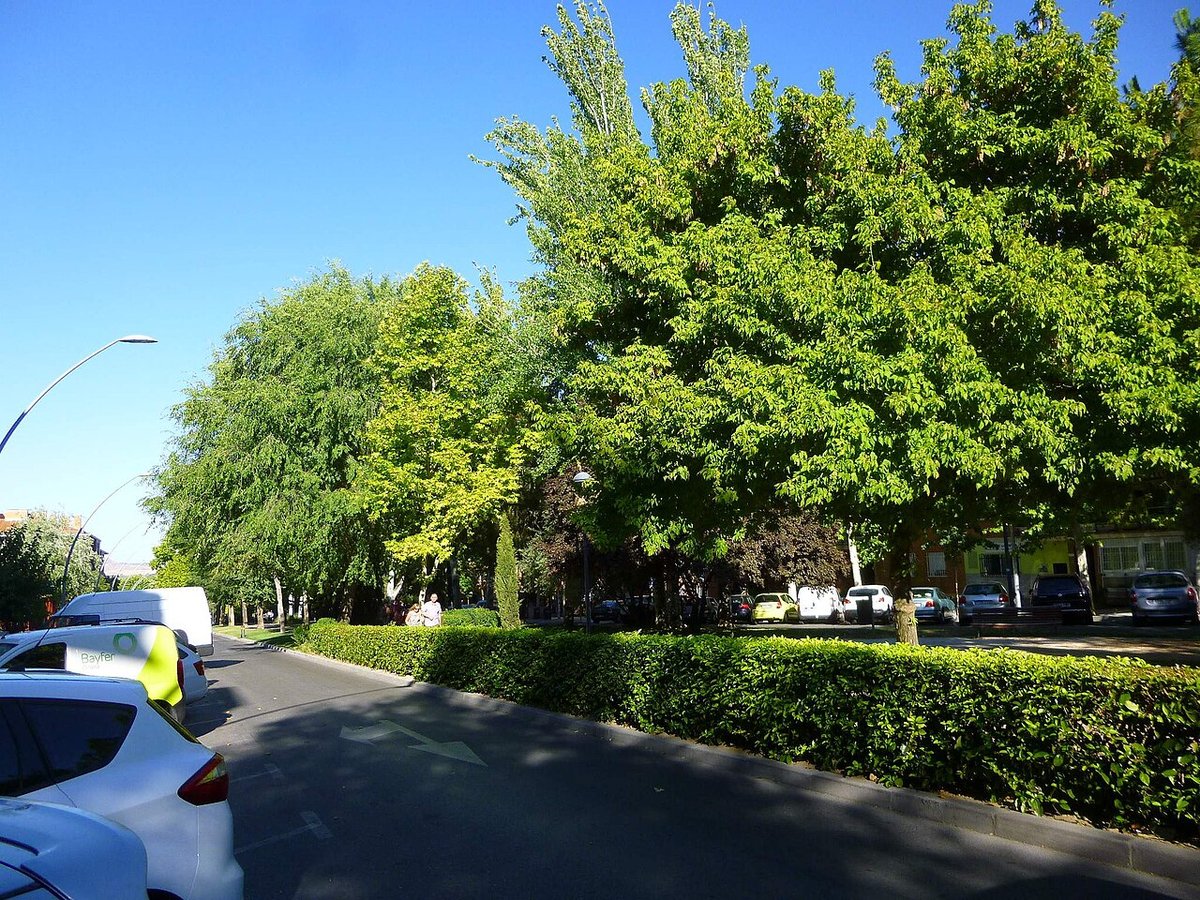
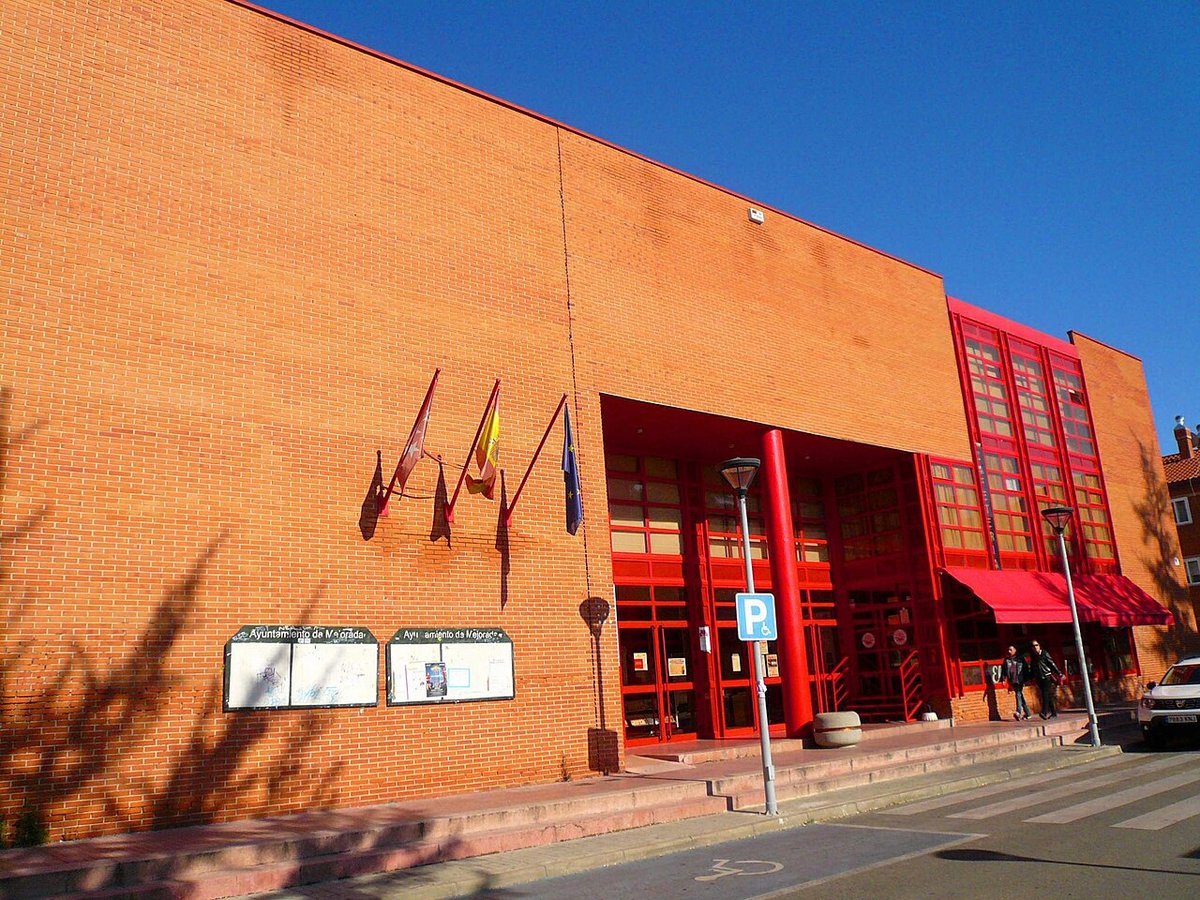
The centre is easy to walk around. Key points include the Plaza Mayor, the Church of the Nativity, the town hall and a handful of streets in the old quarter. From outside, it is also possible to see the structure built by Justo Gallego, although access depends on the building’s condition at any given time.
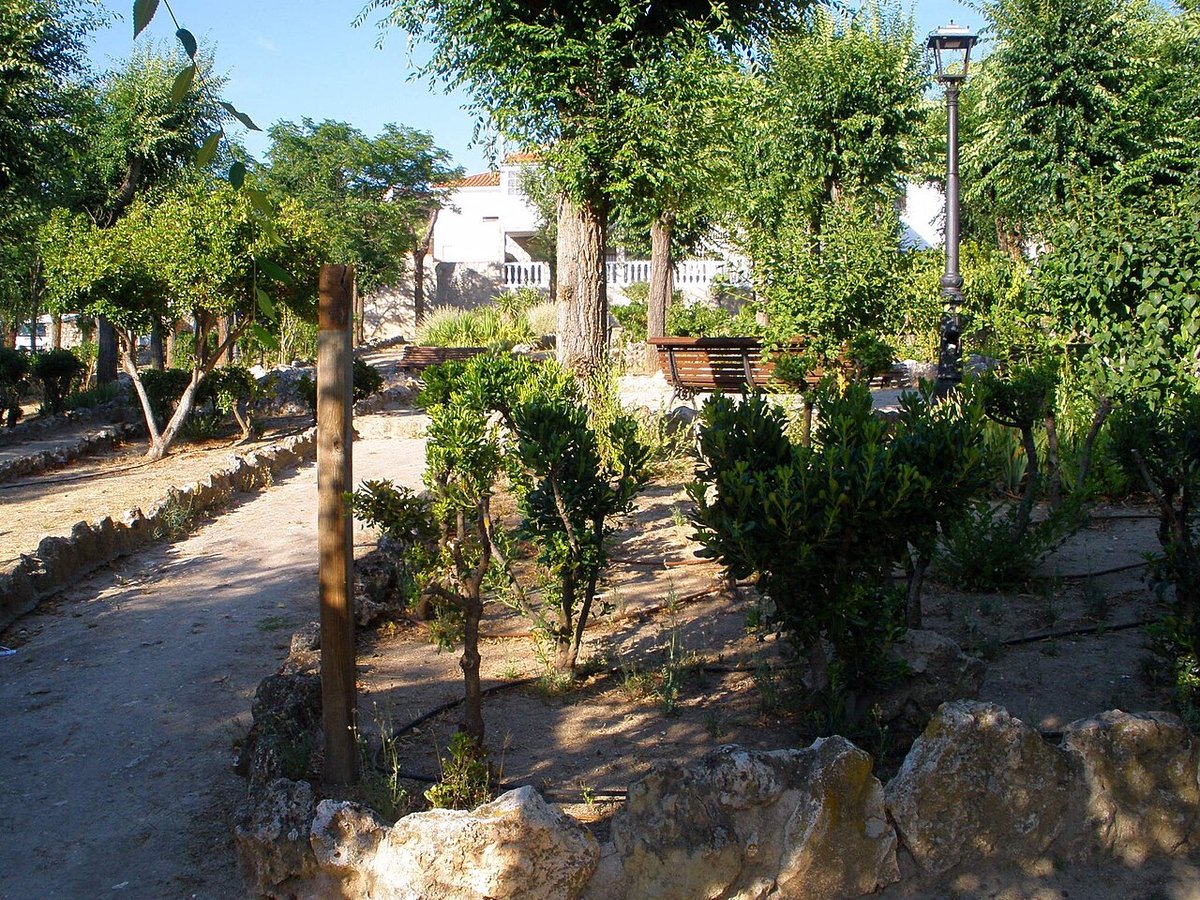
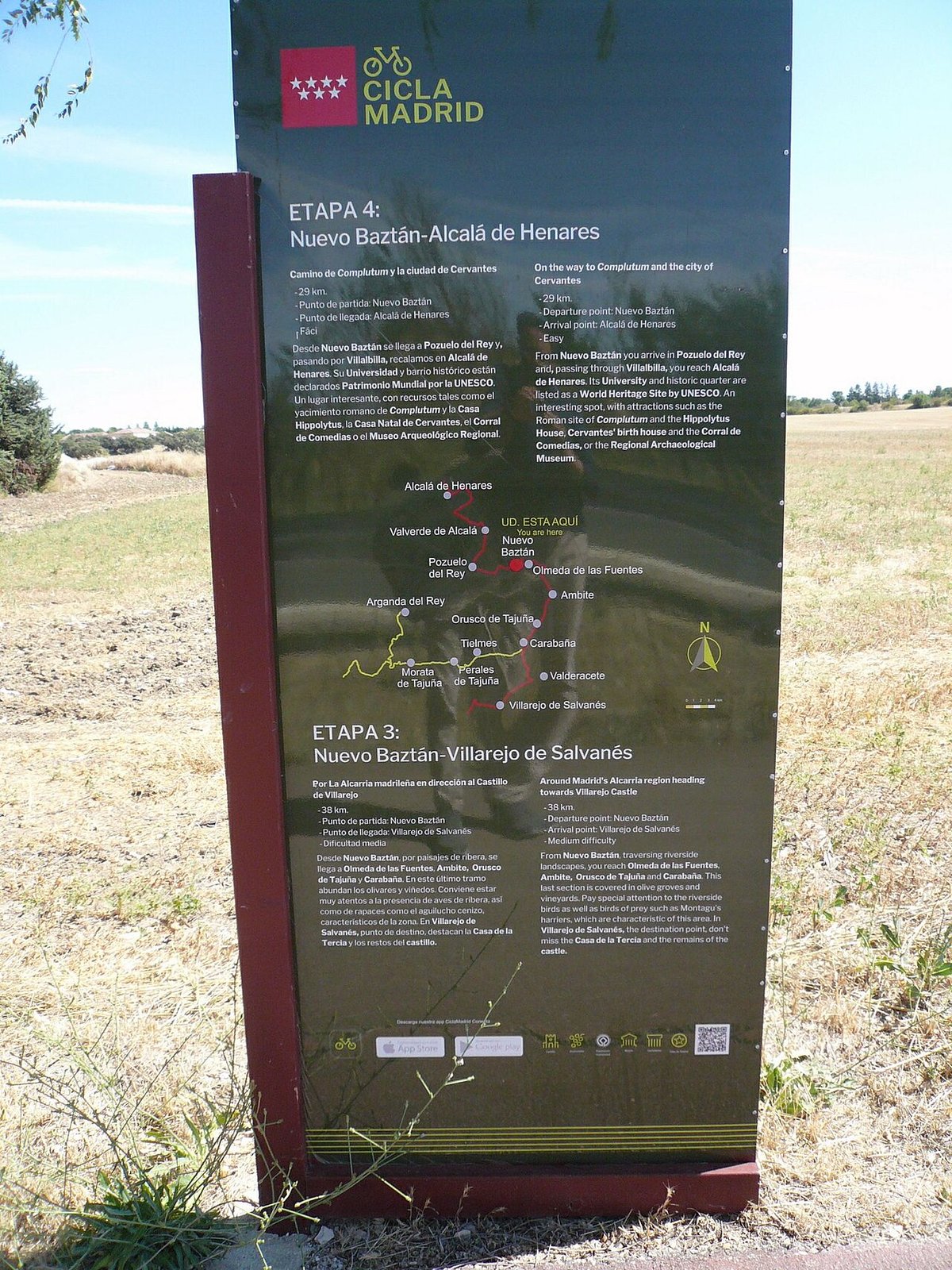
Beyond the urban area stretches the Henares floodplain, with agricultural tracks and quieter stretches suitable for walking or cycling. The landscape reflects the countryside of eastern Madrid: open fields, irrigation channels and cultivated plots that shift in colour with the seasons.
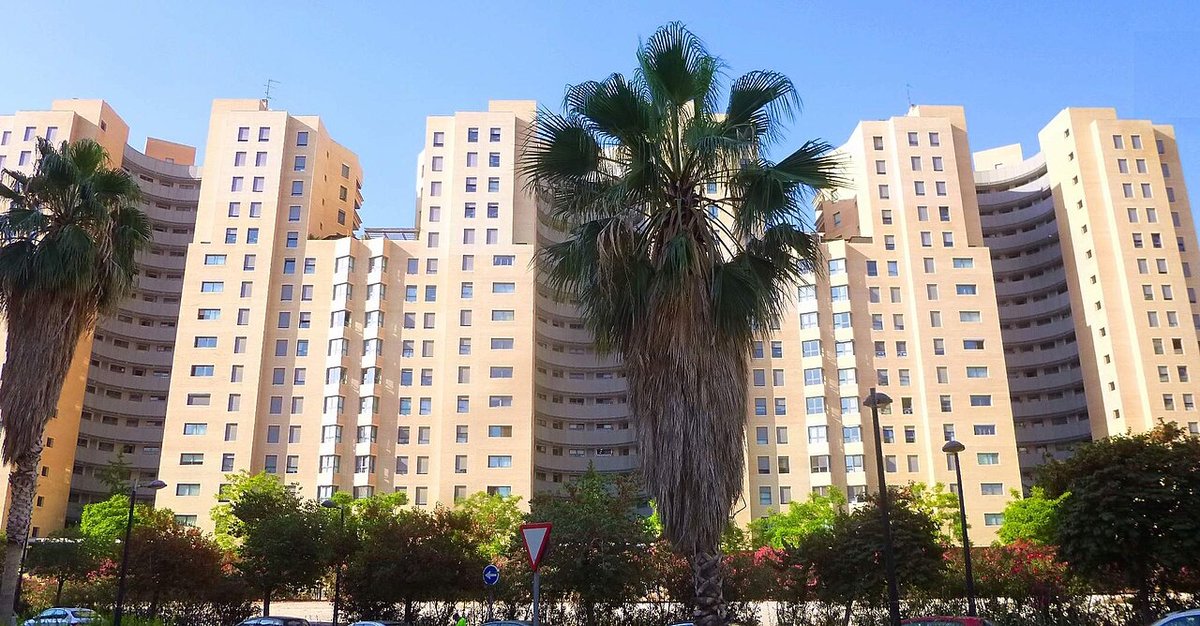
Mejorada del Campo does not function as a conventional tourist destination. It is primarily a place where many residents live while working in Madrid or along the Henares corridor. Even so, its streets bring together different moments in its development, from medieval repopulation to the unfinished cathedral created by a determined neighbour.