Full Article
about Nuevo Baztán
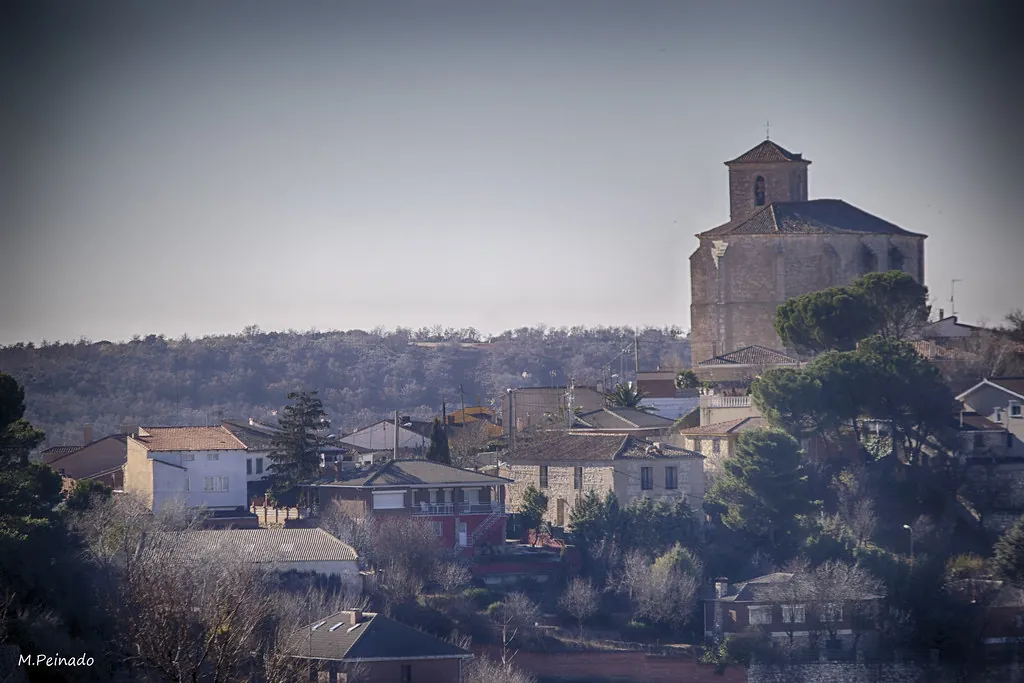
Baroque historic-artistic complex founded as an industrial model; distinctive architecture by Goyeneche
Hide article Read full article
Getting your bearings
If you are heading to Nuevo Baztán, start with the practical bit: where to leave the car. Late on Sunday morning the car park by the sports centre tends to fill up. Up in the historic quarter you may still find a space. It is a short walk downhill to the main square, around two minutes, and it saves circling.
The rest is easy to read. There is a main street, a few side streets, and the Palacio de Goyeneche at the far end. The place is compact, so getting lost is unlikely. If you arrive hungry, plan around it. Inside the historic complex there is limited choice for food.
A planned town that stalled
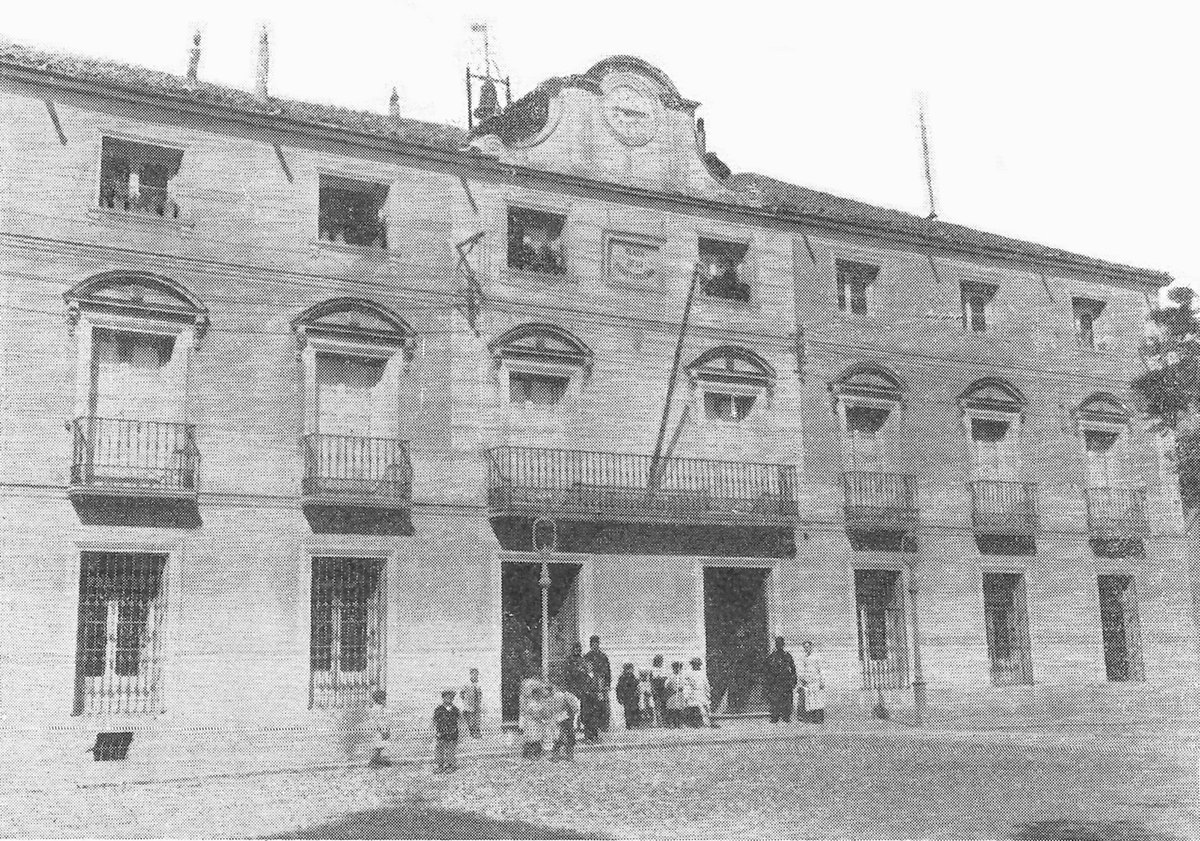
Nuevo Baztán did not grow gradually. It was built in one go at the start of the 18th century on the initiative of Juan de Goyeneche. The idea was to bring housing, workshops and administration together within a single enclosure. The design is attributed to José de Churriguera. You can see it in the regular blocks, the fairly uniform façades and streets crossing at right angles.
The plan worked while the factories were active. There was textile production, glass and other trades. Over time that activity faded and the whole place became almost frozen. That helps explain why the layout still feels so clear today. For decades there was little money or pressure to alter it.
Begin at Plaza de Segovia. The church of San Francisco Javier stands right next to the palace. Both are built in pale local stone, with a restrained Baroque style and little ornament. The palace usually hosts temporary exhibitions. The church has a single nave and a small dome. It is sometimes open and sometimes not, depending on the day and whether there are organised visits.
A short walk, with a couple of detours
The basic loop is quick. Plaza de Segovia, Calle de las Eras, the former slaughterhouse and the Fuente de los Caños. Everything is signposted and straightforward.
If you want to stretch it by ten minutes, leave the enclosure and head towards the lime kiln. It is a cone-shaped stone structure that stands out because it sits alone in the open countryside.
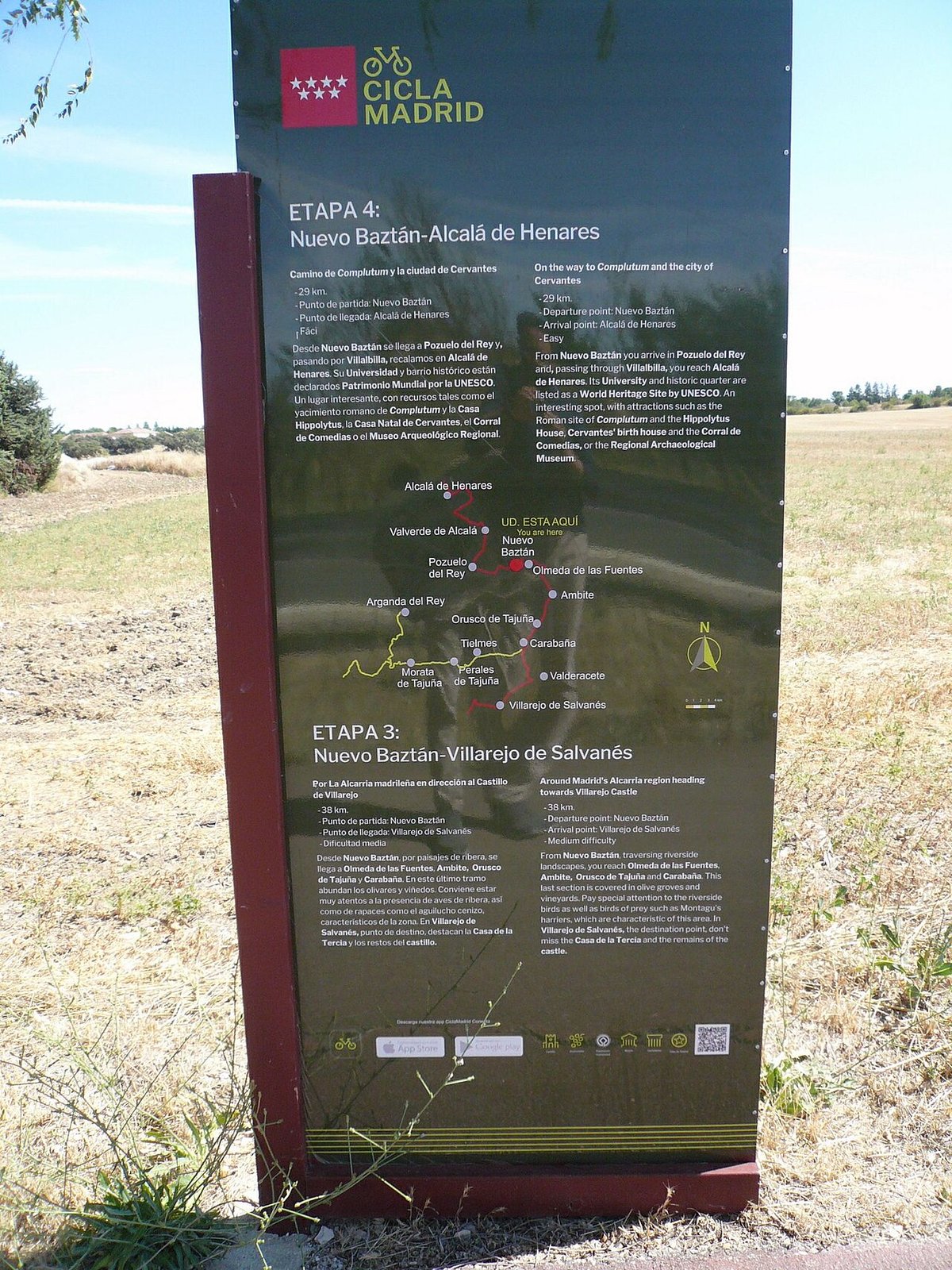
For a longer walk, there is a path towards Valmores. It is about 8 km there and back along a wide track with little shade. In summer that matters. You can also head to Fuente del Rey, which is closer. This is Alcarria terrain: dry earth, low scrub and stones underfoot. Closed shoes are a good idea.
Simple food, local mentions
Outside the historic quarter there are a handful of bars. Two are practically on the same corner. Expect straightforward options: mixed plates, shared dishes and sandwiches.
In the area you may hear about repápalos, small fritters with honey that tend to appear around local festivities. The rest of the year the offer is much like any village in the Madrid countryside: some local cheese, cured meats and cold beer.
On the road towards Valmores there is a restaurant that usually opens at weekends and fills with groups.
When it feels busiest
October tends to bring more activity due to celebrations linked to San Francisco Javier and a craft fair that sometimes takes place in the square. It is when you will see the most people.
For the rest of the year the atmosphere is calm. Perhaps a coach arriving around midday, otherwise not much movement.
In summer the heat clings to the stone. Early in the day or late afternoon is more comfortable. In winter the Alcarria wind can be sharp, so wrap up.
A brief stop with a clear idea
Nuevo Baztán can be seen in a little over an hour. If you want more from the day, pair it with another village in the area.
Park up high, walk down, and keep expectations simple. This was an 18th-century industrial experiment. What remains is the layout and the buildings, with open countryside all around.