Full Article
about Pezuela de las Torres
Municipality on the border with Guadalajara; known for its picota and Alcarrian vernacular architecture.
Ocultar artículo Leer artículo completo
The lavender appears suddenly. One moment you're driving through endless wheat fields east of Madrid, the next you're surrounded by purple rows stretching toward the horizon at 854 metres above sea level. This is Pezuela de las Torres, a village that most capital-dwellers couldn't place on a map, yet one that briefly becomes Spain's most photogenic corner each July.
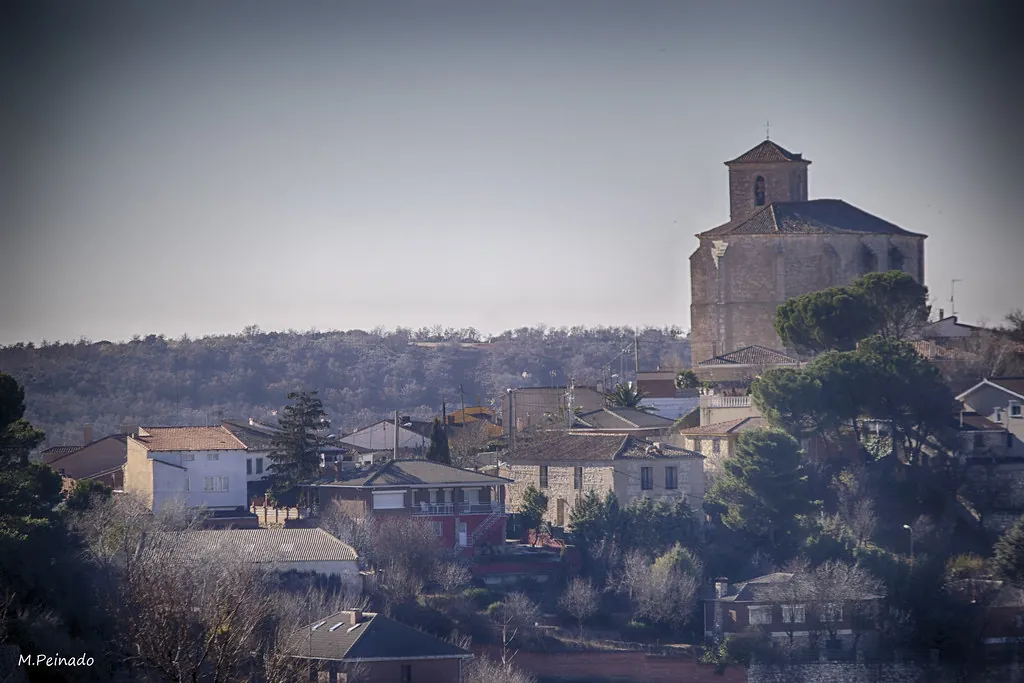
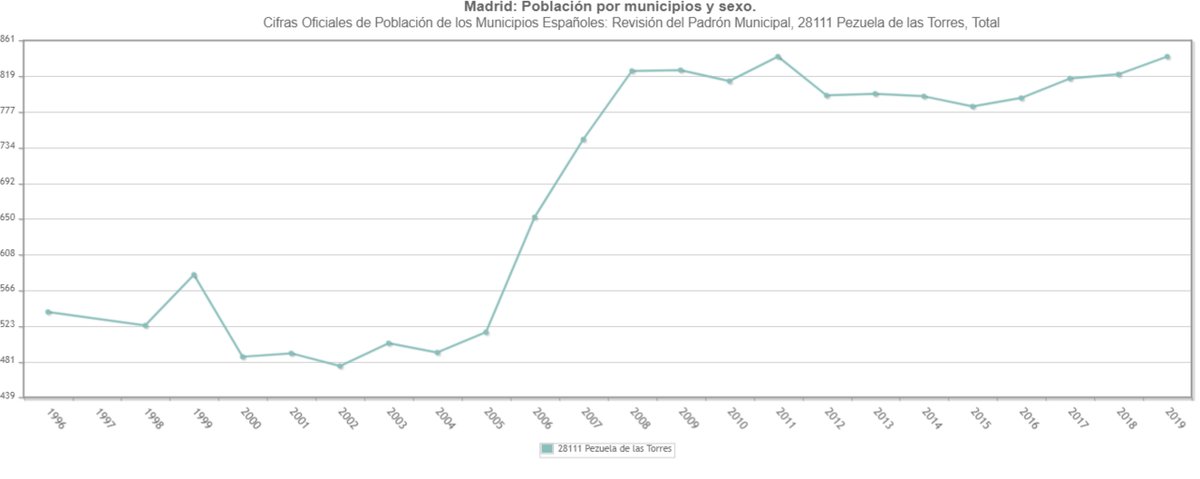
At first glance, the village itself seems unremarkable. A modest collection of stone houses clustered around the medieval tower of San Andrés church, population 977. But arrive in early July and you'll understand why cyclists and photographers make the 60-kilometre pilgrimage from Madrid. The lavender fields here don't charge entry fees, don't require timed tickets, and crucially, don't come with the coach-party crowds that swarm Brihuega's more famous purple valleys an hour north.
The High Plains Paradox
Pezuela sits on the paramo, that windswept high plateau characteristic of eastern Madrid province. The altitude makes itself known immediately. Summer mornings start crisp even when the capital swelters at 35°C, and winter wind cuts through layers with surgical precision. This isn't gentle rolling countryside – it's exposed, elemental, with horizons that seem impossibly distant and skies that stretch forever.
The paramo's harsh beauty shapes everything here. Houses face inward, built around courtyards that offer shelter from relentless wind. Walls are thick, windows small, roofs angled to shrug off the brief but violent summer storms that roll across the plains. Even the church tower, visible from miles away, squats rather than soars, as if hunkering down against weather that can flip from benign to brutal in minutes.
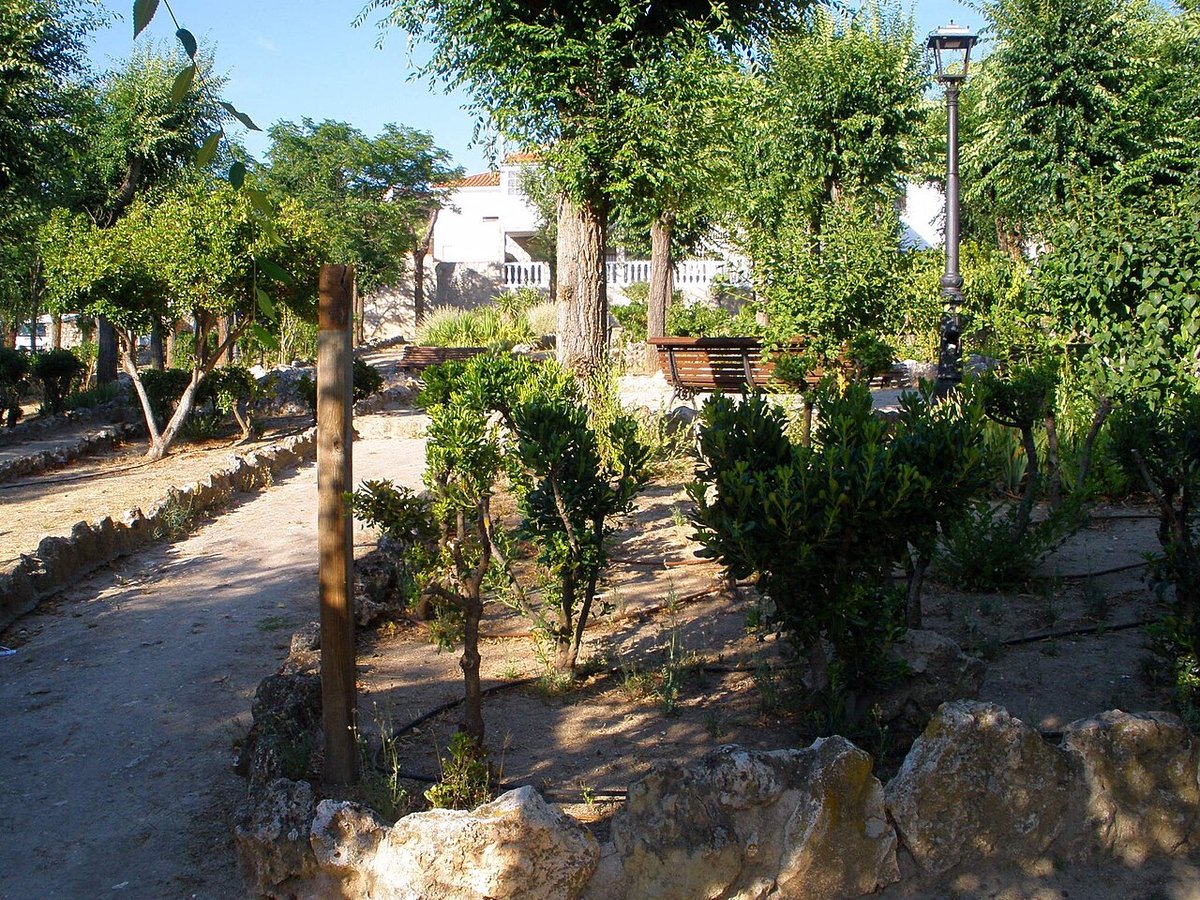
Walking the village takes perhaps an hour if you're thorough. The Plaza Mayor offers little in the way of continental café culture – instead, it's a practical space where locals park pickup trucks and exchange agricultural news. Architecture is functional rather than pretty: rough stone, weathered wood, paint faded by sun and dust. Yet there's an honesty to it, a sense that buildings here serve purposes more vital than looking attractive to passing tourists.
Purple Gold Rush
The lavender transformation happens almost overnight. By late June, green rows begin showing purple tips. Within two weeks, fields explode into colour so intense it seems artificially enhanced. The timing matters crucially – visit too early and you'll find green stalks; too late and farmers have already harvested, leaving neat stubble that photographs like a military haircut.
Photography works best during the golden hours, when low sun ignites the purple into something almost luminous. Midday brings challenges: at 900 metres with zero shade, the paramo's unfiltered sunlight bleaches colour from shots and sends temperatures soaring. Smart visitors arrive before 11:00, capture their images, then retreat to village bars for the long Spanish lunch that stretches through the hottest hours.
The Doméstico food-truck, parked permanently in the village's small recreational area, has become an unlikely hub for English-speaking visitors. The owner speaks fluent English, maintains a track pump and basic bike tools, and serves filter coffee that tastes like salvation after dusty hours among the lavender. It's the sort of practical touch that makes the difference between a frustrating expedition and a successful day trip.
Beyond the Purple
Stay longer than the typical Instagram pilgrimage allows and Pezuela reveals different layers. The agricultural heritage runs deeper than lavender – abandoned grain mills dot the municipality, their stone walls gradually surrendering to paramo weather. These aren't picturesque ruins with information boards and gift shops. They're working buildings left to decay when farming methods changed, honest monuments to rural economics that demanded every structure earn its keep.
Walking tracks radiate from the village into surrounding farmland. They're not marked trails with reassuring waymarkers – simply the paths farmers use to access fields. Follow one north for forty minutes and you'll reach a rise offering views across the paramo's vast scale. On clear days, the emptiness feels almost overwhelming, a reminder that Madrid's urban sprawl hasn't yet consumed everything within commuting distance.
The village's two restaurants serve food that reflects this agricultural reality. La Cocina de Luisa offers slow-roast lamb and robust garlic soup designed to fuel labourers who've spent dawn-to-dusk working exposed land. Portions run large by British standards – two people can comfortably share starters and still struggle with mains. Fidelco's terrace provides simpler fare: local cheese, Serrano ham, bread that tastes of the wheat fields visible from your table.
Practical Reality Check
Getting here requires wheels. No train serves Pezuela, and the village bus operates only on school days, departing Madrid at times that suit neither tourists nor locals with jobs in the capital. Hire a car at Barajas and you're an hour's drive east on the A-2, then twenty minutes along country roads that seem designed to test suspension systems.
Timing matters beyond the lavender season. August brings brutal heat – the paramo's altitude amplifies rather than moderates summer temperatures, and that wind that feels refreshing in spring becomes a hair-dryer blast. Winter delivers the opposite extreme: bright, cold days when wind-chill makes 10°C feel like freezing. Spring and autumn offer the sweet spots, when walking doesn't require survival strategies and the stone houses glow rather than brood under Spanish light.
Sunday visits need planning. By lunchtime, the village shutters up completely – no petrol, no shops, no pharmacies. Saturday arrivals should stock up on water and supplies, because that practical paramo mentality means businesses open when there's work to be done, not when tourists might fancy a browse.
Pezuela de las Torres won't change your life. It's not that kind of place. But for a morning among lavender fields followed by lamb and local wine in a village where tourism feels incidental rather than essential, it delivers something increasingly rare: an authentic slice of rural Spain that hasn't been polished smooth for foreign consumption. Come for the purple photos, stay for the paramo's harsh honesty, and leave understanding that Madrid province holds secrets worth discovering – provided you don't mind driving to find them.