Full Article
about San Fernando de Henares
Historic royal site with an Enlightenment-era layout; urbanistically linked to Coslada
Hide article Read full article
The town that once played palace
San Fernando de Henares often feels like that colleague everyone gets on with but never really thinks about outside work. It is there, part of daily routines for many people in Madrid, yet rarely the place that sparks curiosity. That is precisely why it surprises.
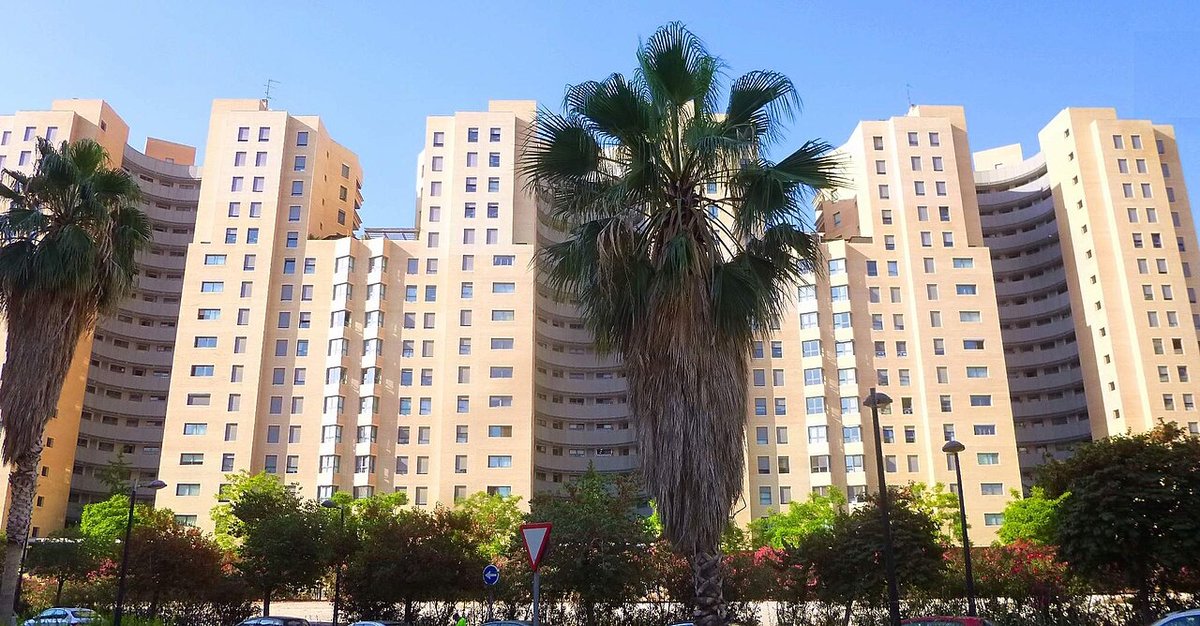
At first glance, especially from the nearby A-2 motorway, it looks like another commuter town. Many people arrive for work and leave with that same impression. Yet something does not quite match that expectation once you step into its centre.
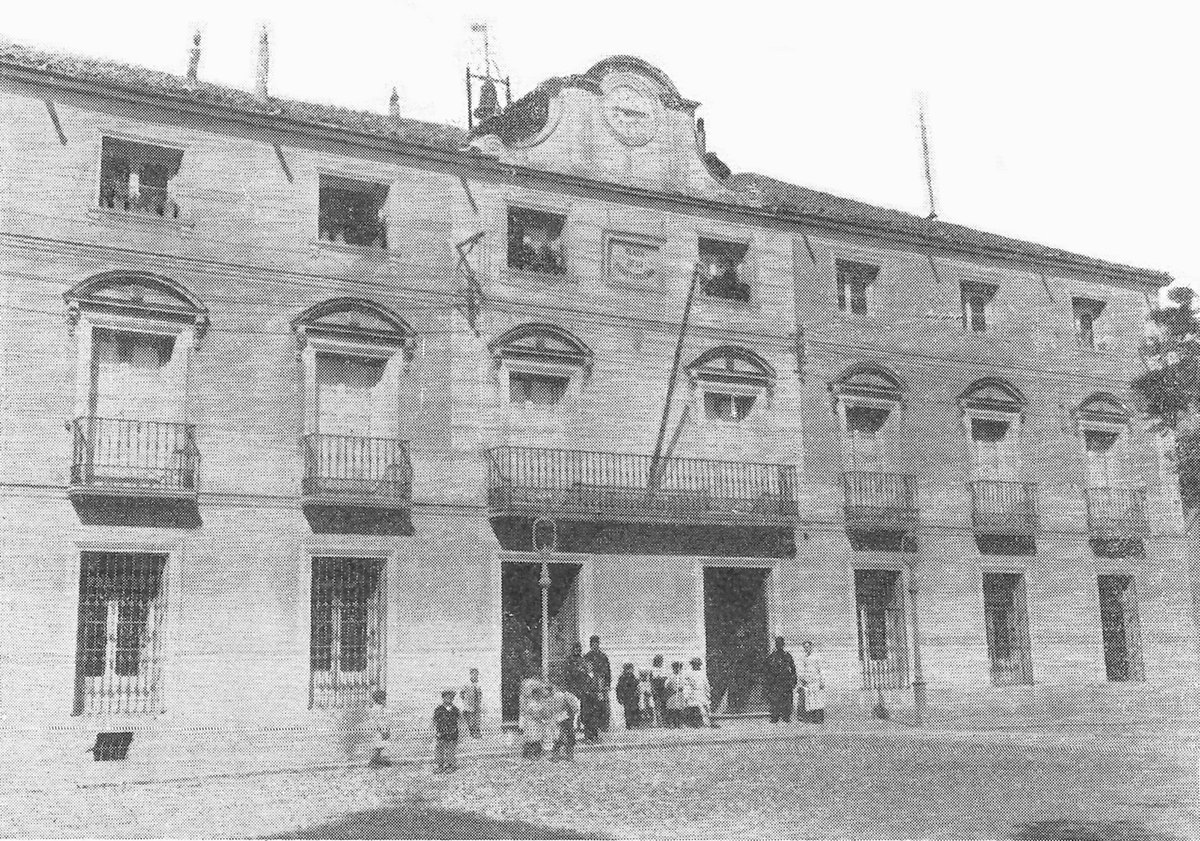
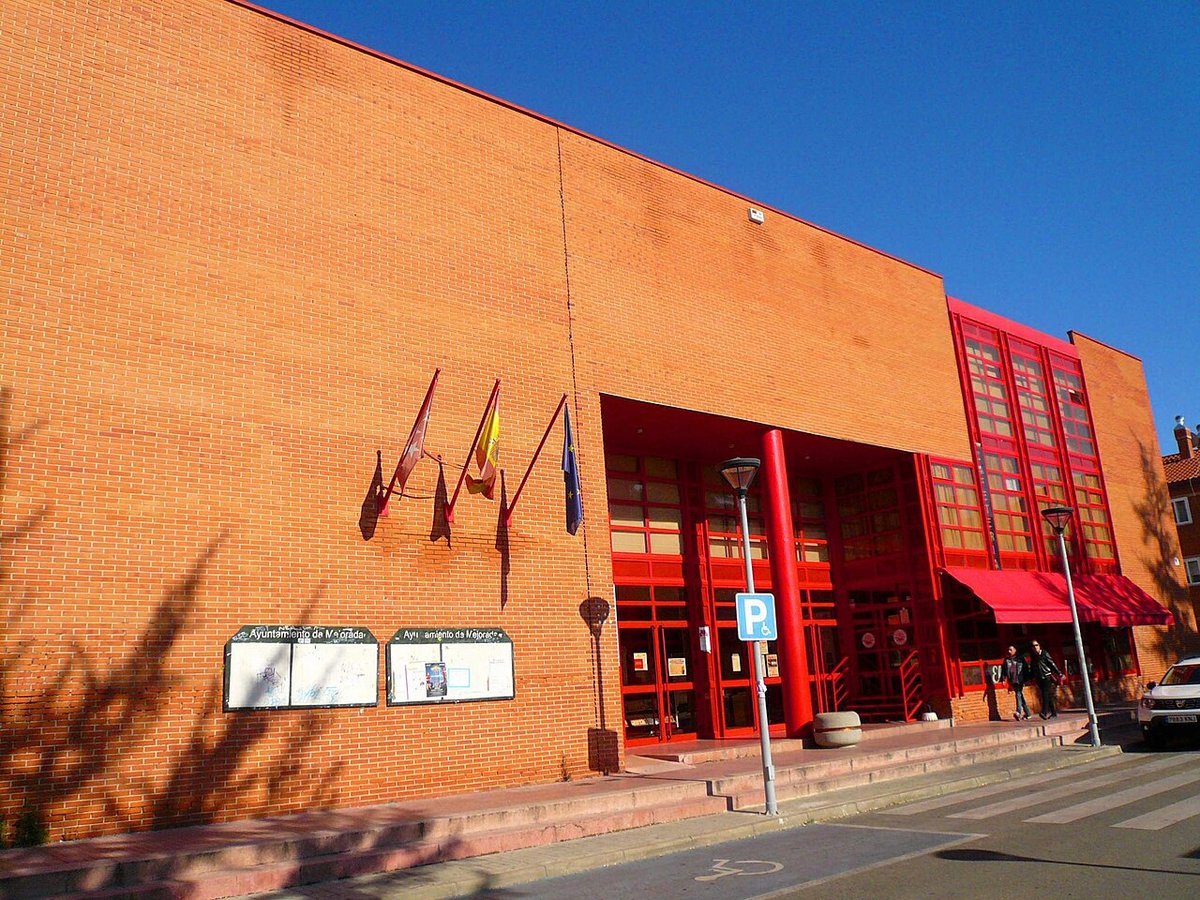
Plaza de España is where that shift happens. It is not especially large or grand, but standing there gives a sense that time has quietly slipped back a couple of centuries. The Real Fábrica de Paños, now the Town Hall, dominates the space. It is one of those buildings that places you firmly in another era, even while people walk in and out holding coffee and checking their phones.
If the inner courtyard is open, it is worth stepping inside. There are columns, stone staircases and that particular atmosphere found in older public buildings, where decisions once carried a different weight. It does not try to impress, yet it lingers.
A short walk away stands the Castillo de Aldovea. Or more accurately, what remains of it. The building was commissioned in the 18th century by Infante Luis Antonio de Borbón as a leisure residence. These days it is not usually open for regular visits. It occasionally appears in film shoots or private events, and most people simply view it from the outside. Even so, the towers and surrounding grounds still have a strong presence, especially when approached on foot along the nearby paths.
Where the river sets the tone
The River Henares runs through the area, and that alone changes the feel of the landscape. It is not a dramatic or monumental river, but it softens the surroundings and gives the town a different rhythm.
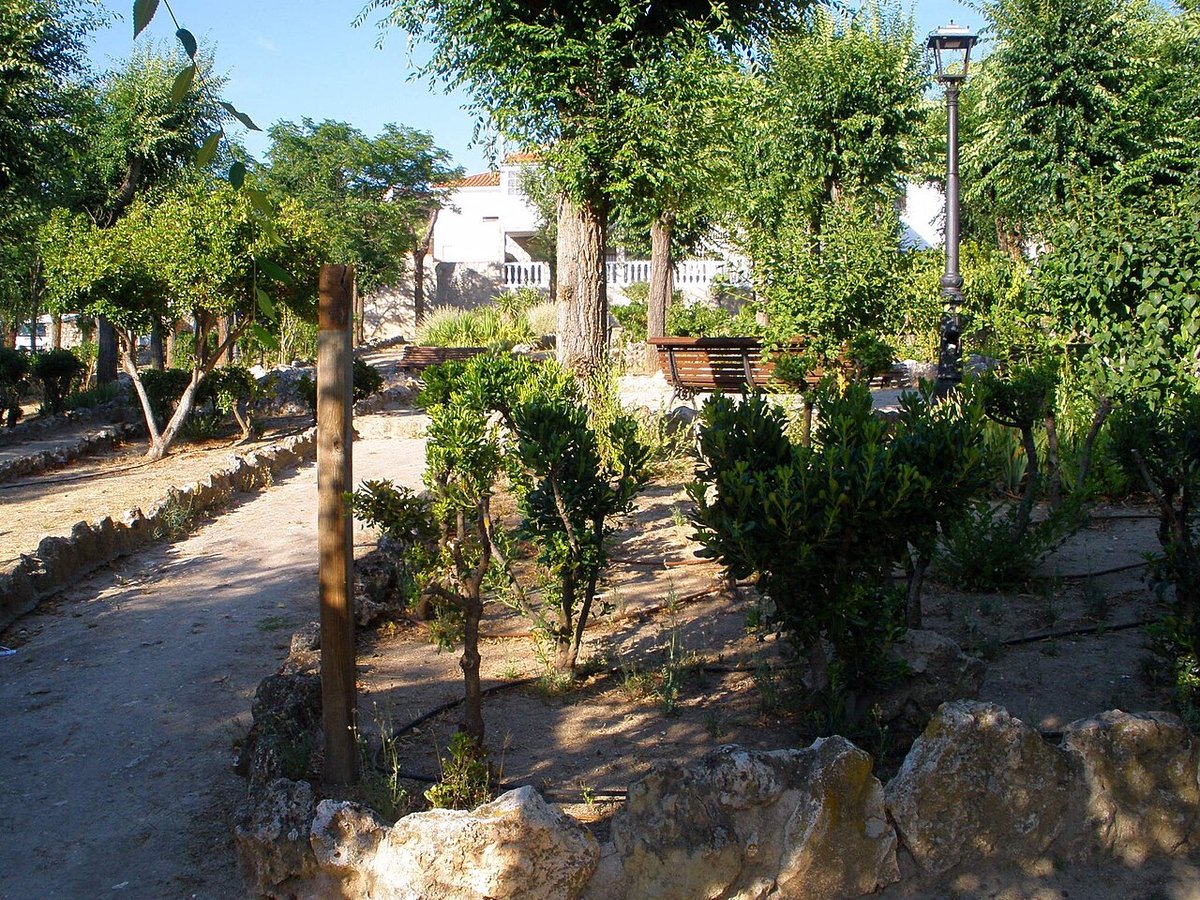
On one side of the municipality begins the Parque Regional del Sureste. This large natural area acts as a green escape for the whole corridor around it. Dirt paths wind through trees, small cultivated plots and riverside stretches. There are no carefully curated viewpoints or frequent information panels, and that is part of the appeal. The experience is quieter and more open-ended.
A walk here does not require a plan. It is simply a place to spend some time outdoors and, for a while, forget that Madrid sits little more than fifteen kilometres away.
Within the park lies the Caserío de Henares, an environmental centre that organises activities and workshops linked to the river and its surroundings. It is one of the few places in the area where visitors can gain a clearer understanding of the landscape. Families often find it especially useful, though anyone curious about the environment will get something from it.
There is one practical detail worth keeping in mind. Once outside the urban centre, there are no kiosks or vending machines. Bringing water or something to eat makes a difference if you plan to spend the morning walking.
Food without a headline
Looking for a traditional dish tied to San Fernando de Henares leads to an unexpected answer: roast chicken. Not an old recipe passed down through generations, and not something uniquely linked to the town. Simply roast chicken, the kind found in everyday neighbourhoods.
People mention it with a certain pride.
There is no strong or distinctive culinary tradition here, but there is something else instead. Around Calle Mayor and the surrounding streets, you will find long-established bars that reflect daily life in the area. They serve set menus, generous portions and maintain that familiar atmosphere where people gather at the counter.
The mix is straightforward. Workers on a break, local residents, and the occasional visitor who has wandered in after exploring. The food is simple, the beer is well poured, and conversation flows easily.
Meals here are unlikely to feel remarkable, yet they rarely disappoint either. These are neighbourhood bars in the most literal sense. They provide exactly what they promise, without trying to be anything more. After a walk along the river, that can be exactly the right ending.
When San Fernando changes pace
The main local celebrations take place in May, around the feast of San Fernando Rey. The exact dates shift each year to fit the calendar, so checking the programme in advance is useful.
During those days, Plaza de España and the nearby streets take on a different energy. Stages appear, along with peñas and temporary stands. There are concerts, a procession and a strong sense of community participation. It is not a huge festival, but it feels full. Much of the town seems to be involved in one way or another.
August brings the opposite mood. Many residents work in Madrid, and when the holiday period arrives, the town becomes noticeably quieter. Some bars close for a few weeks, and even Plaza de España feels lighter, without the usual daily movement. The atmosphere shifts into something closer to a pause than a celebration.
So, what now?
San Fernando de Henares is unlikely to transform anyone’s idea of travel. It does not compete with more historically dense towns in the region, nor does it try to.
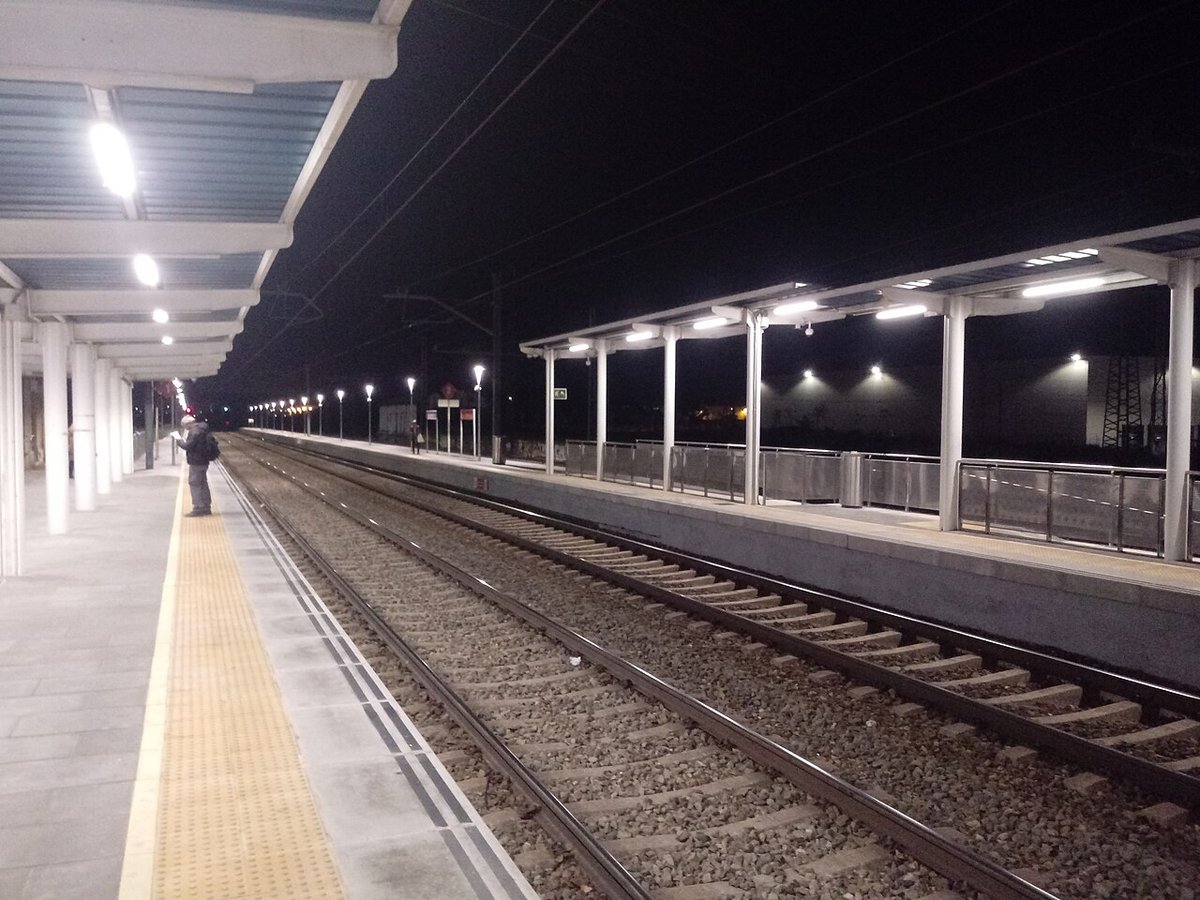
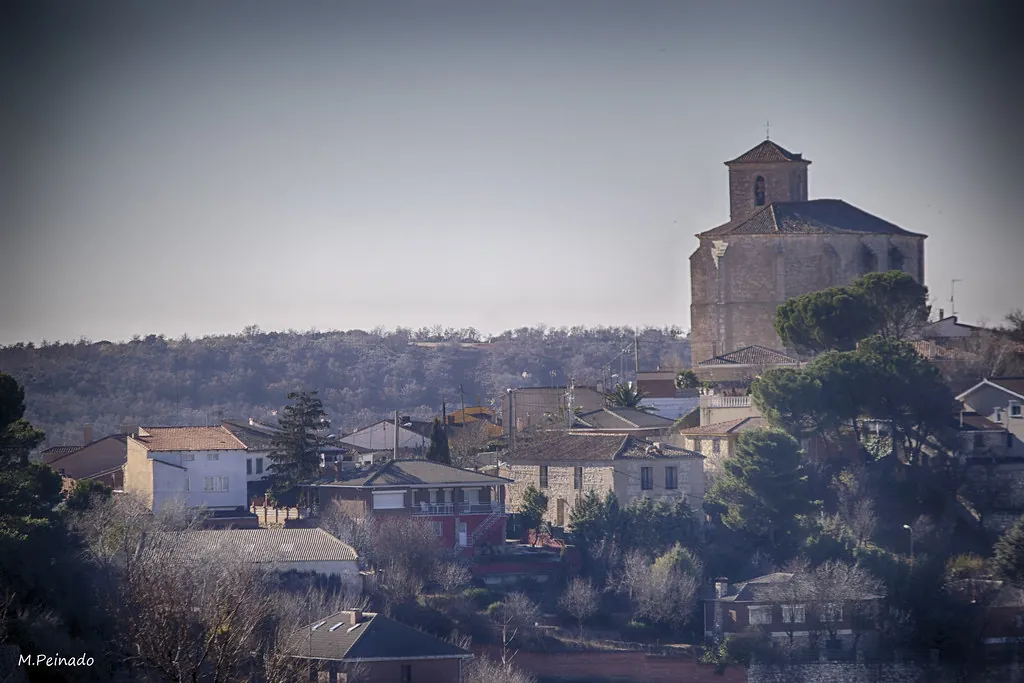
What it offers is something less obvious. Life here continues at its normal pace. Children leave school, neighbours run errands, commuters return home by train. Within that routine, small details emerge: a partially hidden castle, a former royal factory turned town hall, a river that allows for a stretch of quiet walking without traffic noise.
A visit does not need much structure. A calm morning works well. Walk through Plaza de España, step inside the old factory building if it is open, head towards the Castillo de Aldovea, then continue on towards the Henares park with something to eat or drink.
That is enough to understand the place.