Full Article
about Santorcaz
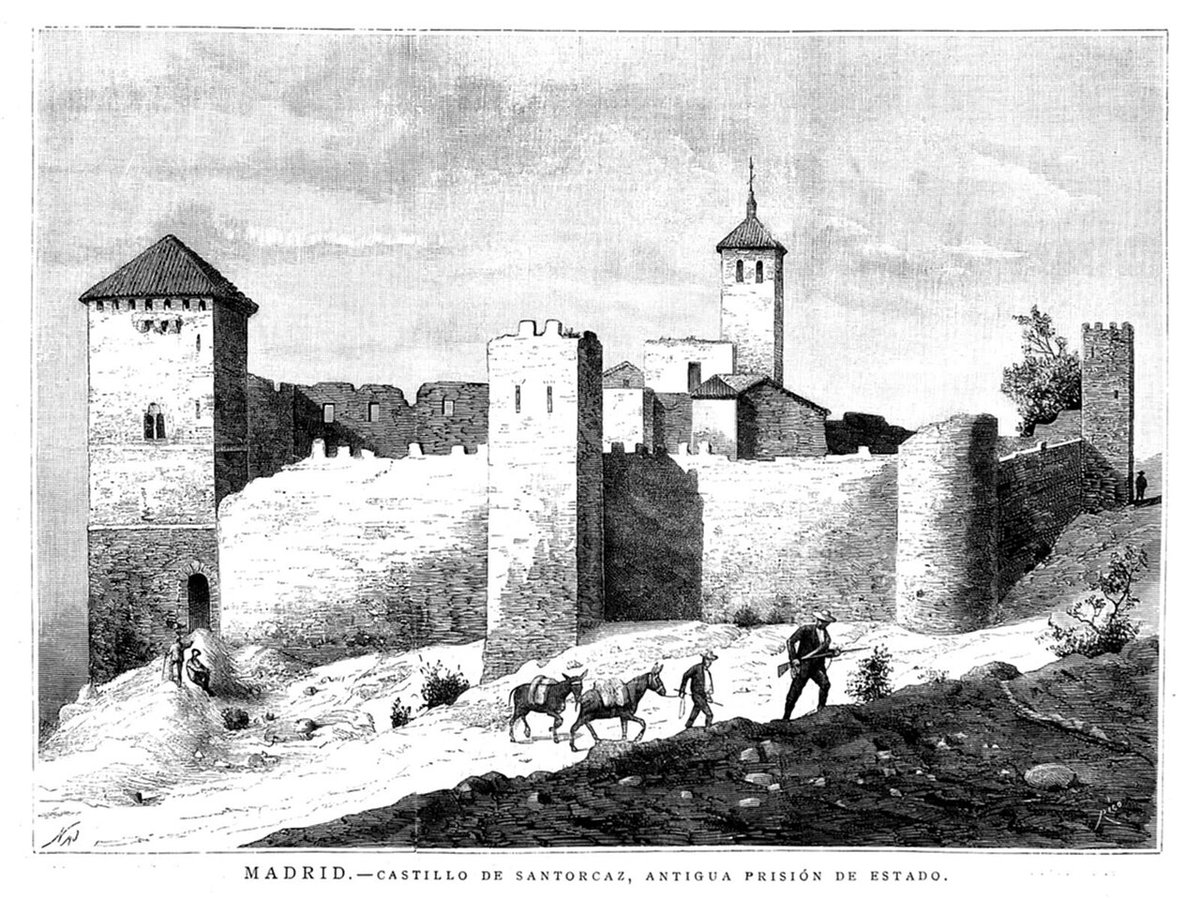
One of the oldest villages; it preserves remains of a Templar castle and walls.
Ocultar artículo Leer artículo completo
The church bell strikes eleven and the only other sound is wheat rustling in the breeze. At 878 metres above sea level, Santorcaz feels removed from Madrid's frenzy despite lying just 60 kilometres northeast of the capital. This is Castilian plateau country proper: vast cereal fields, sharp light, and a village that functions more as a working agricultural centre than a visitor attraction.
The Church That Isn't Always Open
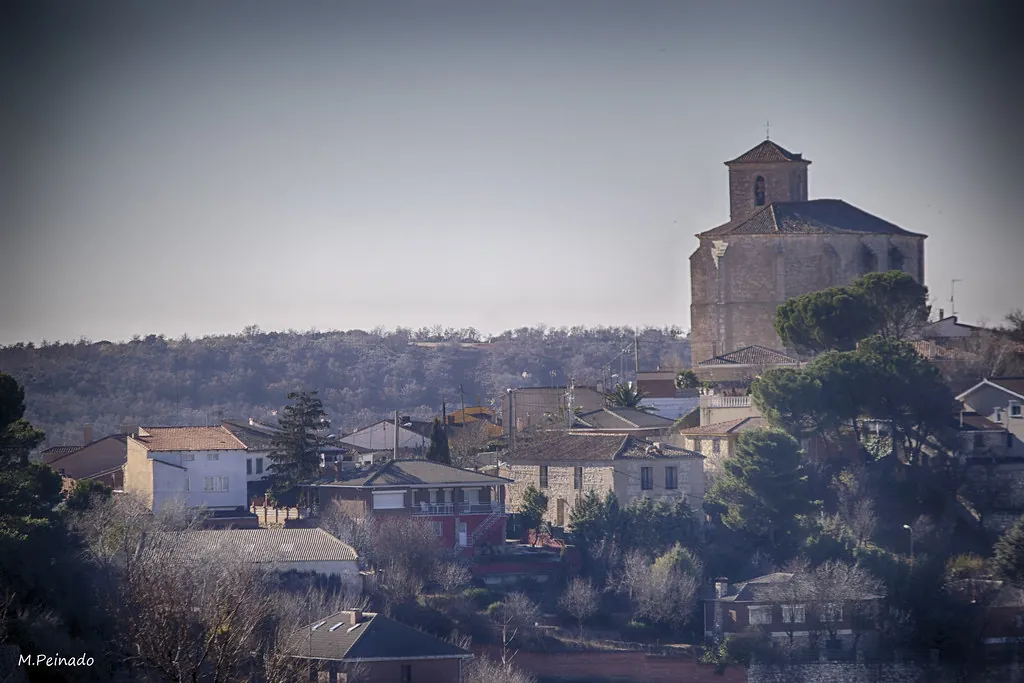
San Torcuato's sixteenth-century church dominates the modest main square, its late-Gothic stonework surprisingly refined for such a small settlement. The slender nave and restrained ornamentation hint at periods of relative prosperity when wool and grain money filtered inland from medieval trade routes. Don't bank on stepping inside; the priest serves several villages and opening hours are erratic. Circle the building instead and notice how the cemetery spills down the hillside, graves arranged to catch the morning sun—an old practical custom in a climate where winter frost lingers until ten o'clock.
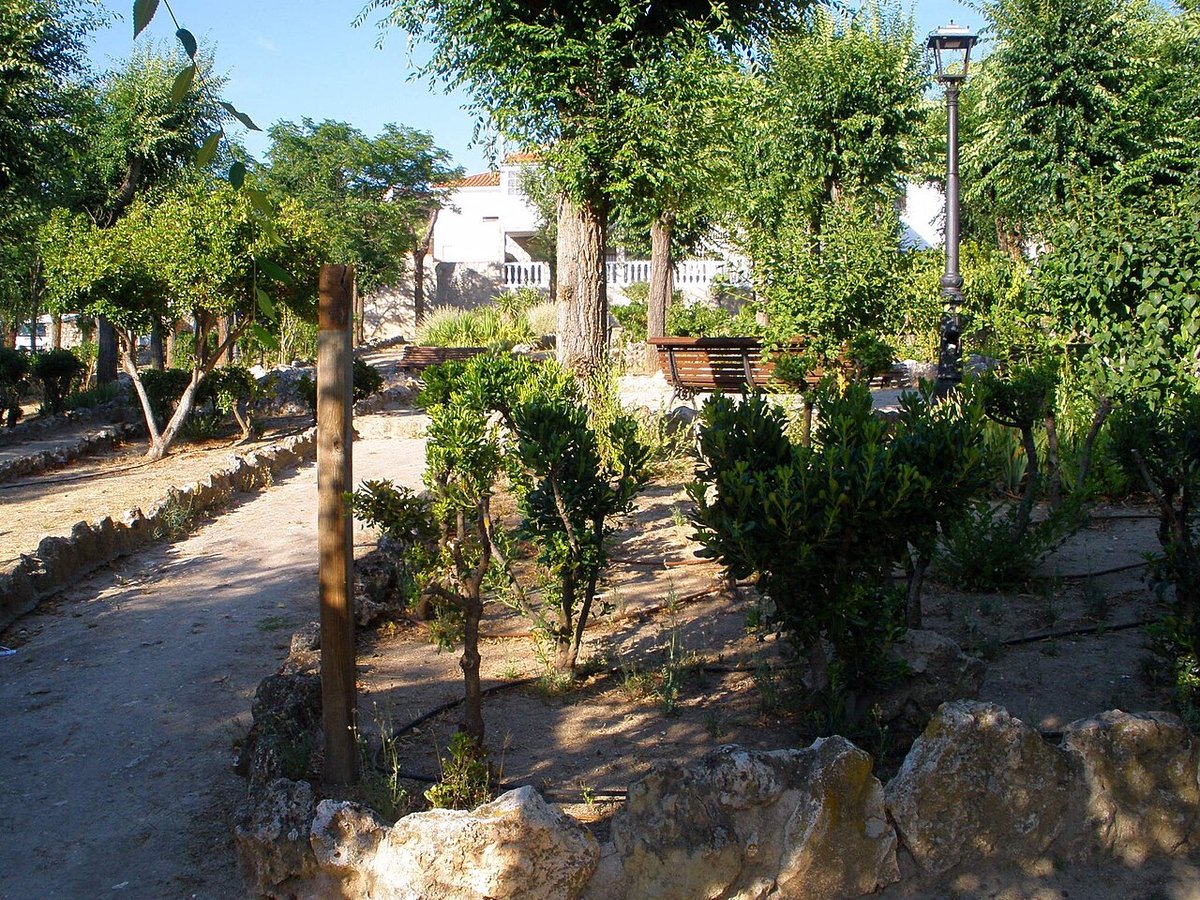
From the church, lanes fan out along a shallow ridge. Houses here mix brick and local stone with occasional timber-laced facades, a building vocabulary shaped less by regional fashion than by whatever material lay nearest the plot. One cottage displays a 1789 datestone above its door; the neighbouring garage is brand new, yet both sit comfortably under the same terracotta roofline. This unplanned harmony is what Spanish planners call "trama tradicional"—a historic grain that survives because nobody ever bothered to replan it.
Walking the Crop Lines
Santorcaz makes sense only if you leave the tarmac. Head south past the last garden walls and the camino real drops quickly into open farmland. The soil is thin, chalky, and studded with flint; after a dry July it crunches like broken crockery underfoot. Wheat, barley and sunflowers rotate across kilometre-long strips, the boundaries marked by solitary holm oaks kept for shade and timber. Walk for twenty minutes and the village shrinks to a dark smudge on the ridge, dwarfed by a horizon that feels almost coastal in its flatness.
There is no dramatic sierra to aim for, so timekeeping becomes visual: when the church tower looks the height of a matchstick, you have walked roughly forty-five minutes. Turn back then, or continue south-east another hour to the ruined watermill at Valdelosálvarez, where a trickle of a stream still turns a broken iron wheel. Information boards are non-existent; the attraction is simply seeing how grain, water and stone once meshed to support a scattered rural population.
Spring brings the best show—emerald shoots, blood-red poppies, and the rare blue of the comfrey that farmers tolerate because its roots loosen compacted earth. In high summer the palette collapses into uniform gold; by late afternoon the fields shimmer like hot metal and even lizards seek shade. Photographers should pack a long lens: the graphic lines of plough, furrow and sky work better in abstraction than in wide-angle postcard shots.
Food Without the Fanfare
Back in the village, lunchtime options are limited to one bar-restaurant, La Casa del Pueblo, and the occasional weekend menu at the social club. Expect robust Castilian cooking rather than tasting menus: judiones (buttery white beans) stewed with morcilla, slow-roast lamb shoulder for two, and migas—fried breadcrumbs—enriched with chorizo fat and grapes. A three-course comida del día runs to about €14, wine included, though choices shorten sharply if a harvest supper or wedding is underway. Sunday noon is busiest; arrive before 14:00 or risk a wait while the kitchen replenishes pans.
There is no supermarket, only a small grocer that doubles as the post office. If you are self-catering, stock up in Alcalá de Henares, 25 minutes' drive away, where the covered market sells everything from Manchego aged for two years to purple garlic brought down from the Sierra de Albarracín.
When the Village Lets its Hair Down
Festivities cluster around the agricultural calendar. The Cruz de Mayo (first weekend in May) sees neighbours bedeck street corners with paper flowers and compete for the best-decorated shrine; processions are low-key, but brass bands strike up after dark and the wine flows freely. San Torcuato's patronal fiestas land over the last weekend of August, bringing outdoor discos, a makeshift bullring, and paellas cooked in pans wide enough to double as paddling pools. Accommodation is impossible to find then unless a local rents you a spare room—ask in the bar, not online.
Summer events are fun if you don't mind dust, late-night noise and queues for the single cash machine. Arrive a week earlier and you will witness the private ritual of the "ensayo," when drummers practise past midnight and village dogs howl in confused accompaniment.
Getting There, Staying Over
By car from central Madrid, allow 55 minutes via the A-2 motorway (exit 60) then the M-227 regional road. The final 7 km snake across open plateau; keep an eye out for tractors pulling wide cultivators that occupy both lanes on bends. Public transport is patchy: weekday buses depart from Conde de Casal station at 07:45 and 15:30, returning at 13:45 and 19:30—fine for a short wander, but you will need to overnight if you want an evening walk under star-scattered skies unpolluted by sodium streetlights.
There is no hotel inside Santorcaz; the nearest beds are in Talamanca del Jarama (15 km) or among the vineyard casas rurales outside Chinchón. Expect to pay €70–€90 for a two-bedroom cottage, slightly more if a pool is included. Room rates drop outside Easter and July–August, but so do catering options; ring ahead to check that somewhere will feed you after 21:00.
Why Come—and When to Skip It
Santorcaz offers a snapshot of Castilian small-town life with few concessions to tourism. Birdwatchers can scan the fields for calandra larks and hen harriers; history buffs may enjoy unpicking layers of brick and stone in the vernacular houses; city escapees will value the silence. What you will not find is souvenir shops, boutique hotels or interpretive centres. Cloudy winter days flatten the landscape into dull beige, and August heat can top 38 °C with virtually no shade on the paths—visit instead in April–mid-June or mid-September–October, when you can walk comfortably at midday and the grain stubble smells warm and sweet.
Turn up with realistic expectations: allow half a day, combine it with a stop in medieval Alcalá or the wine cellars of Arganda del Rey, and treat the village as a breather rather than a destination. Do that, and the unbroken horizon, the sound of the wind, and a plate of slow-cooked beans beside a wood-fired stove might just remind you how close—yet how different—rural Madrid can feel.