Full Article
about Torrejón de Ardoz
Modern city known for its air base and Parque Europa with replica monuments
Hide article Read full article
Getting there and getting around
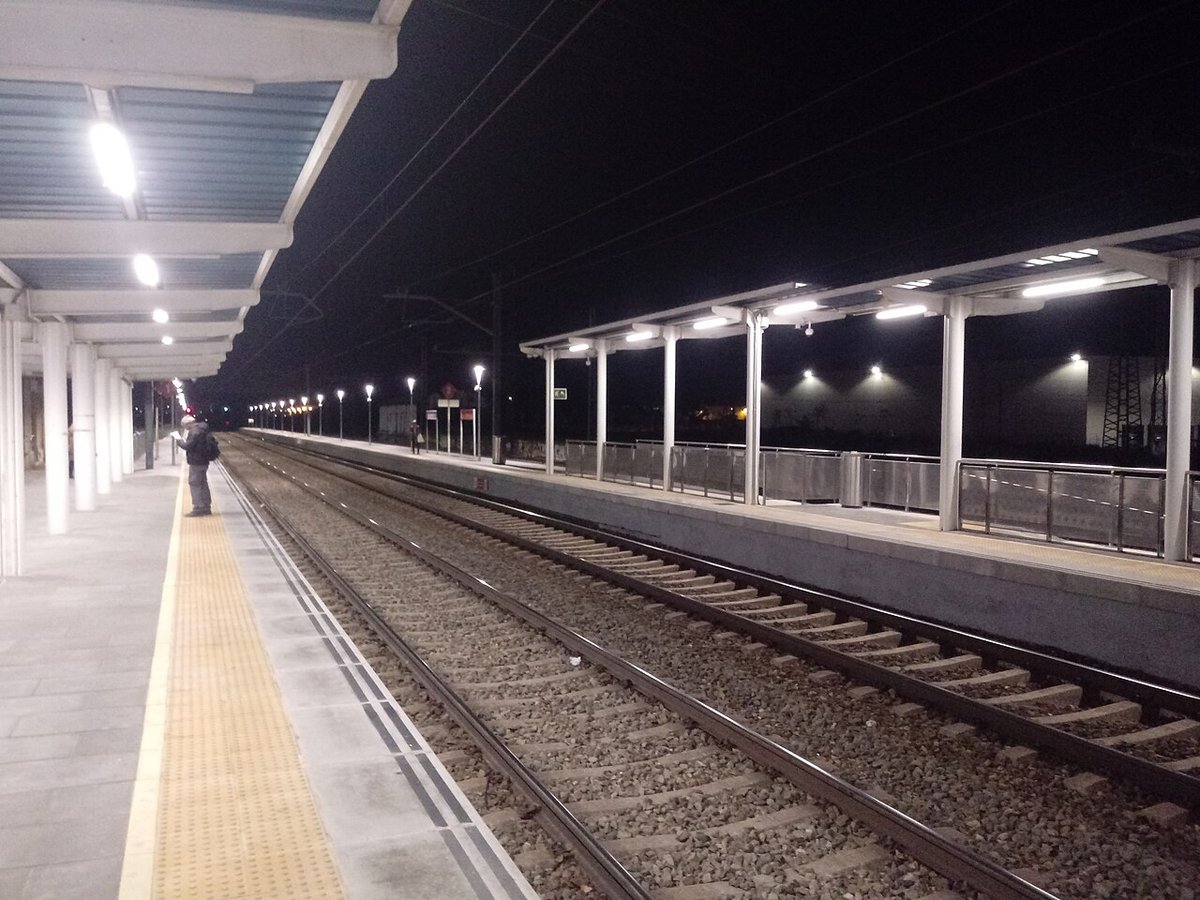
If you are heading to Torrejón de Ardoz, the practical approach is simple: take a Cercanías commuter train and walk. From Madrid, the journey takes around half an hour. From the station to the centre, it is roughly a fifteen-minute stroll.
Driving in is easy enough via the A-2 motorway, though finding a parking space near the centre can take a while depending on the day. It is the kind of place where things are close together once you arrive, so walking tends to make more sense than anything else.
Many visitors come with a single destination in mind: Parque Europa, and little beyond it.
What Parque Europa really is
Entry to Parque Europa costs nothing. That still catches some people off guard.
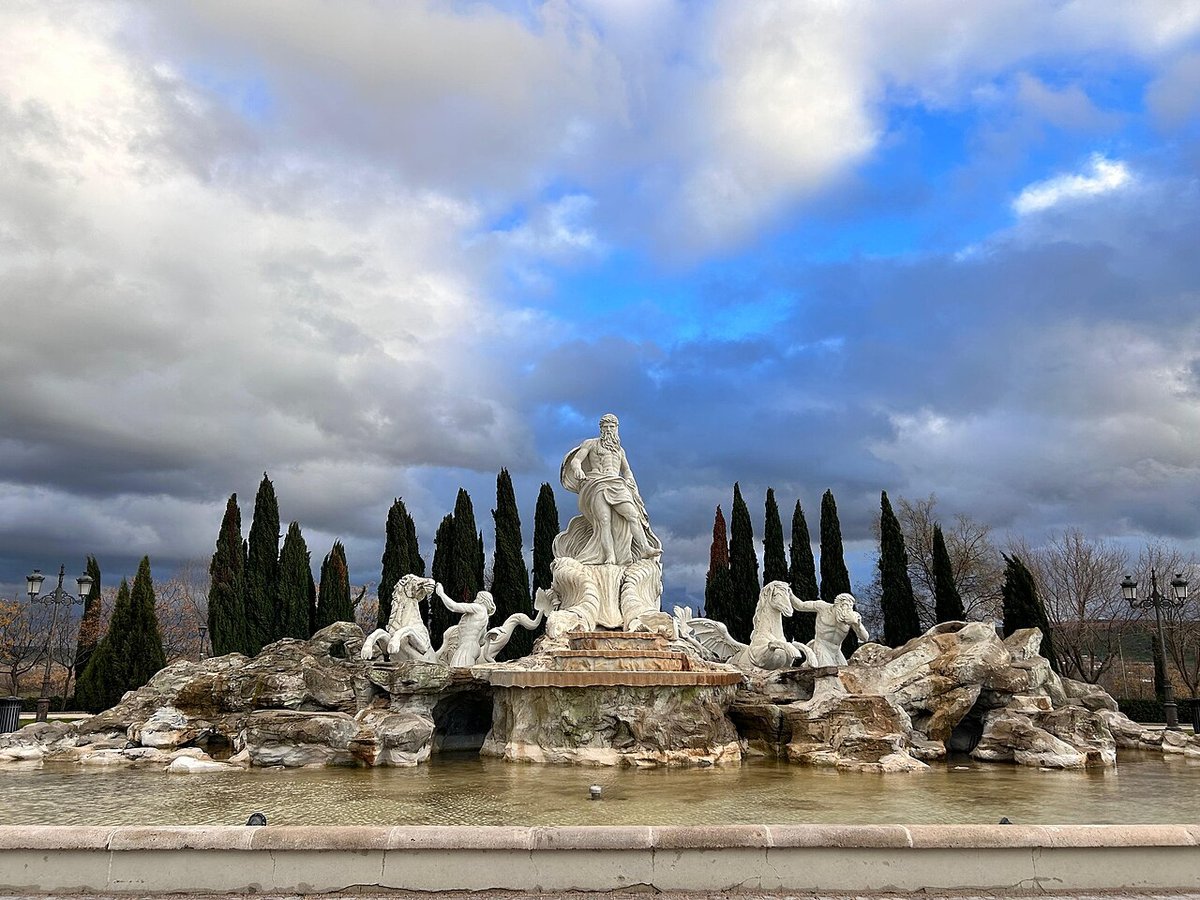
The park is large and filled with replicas of European landmarks. Everything is built with modern materials such as fibreglass and resin. It does not try to pass as the real thing. Instead, it works as a scaled backdrop where people come to take photos. The Big Ben replica often draws queues at weekends.
Beyond the photo spots, the park works well as a place for a long walk. There is a lake with ducks, wide paths and shaded areas that make it comfortable even on warmer days. An amphitheatre is used in summer for municipal events like open-air cinema or concerts.
There is also a hedge maze. It tends to be more entertaining in theory than in practice, especially for children. They head in confidently and within a couple of minutes are already unsure how to get back out.
A centre that barely exists
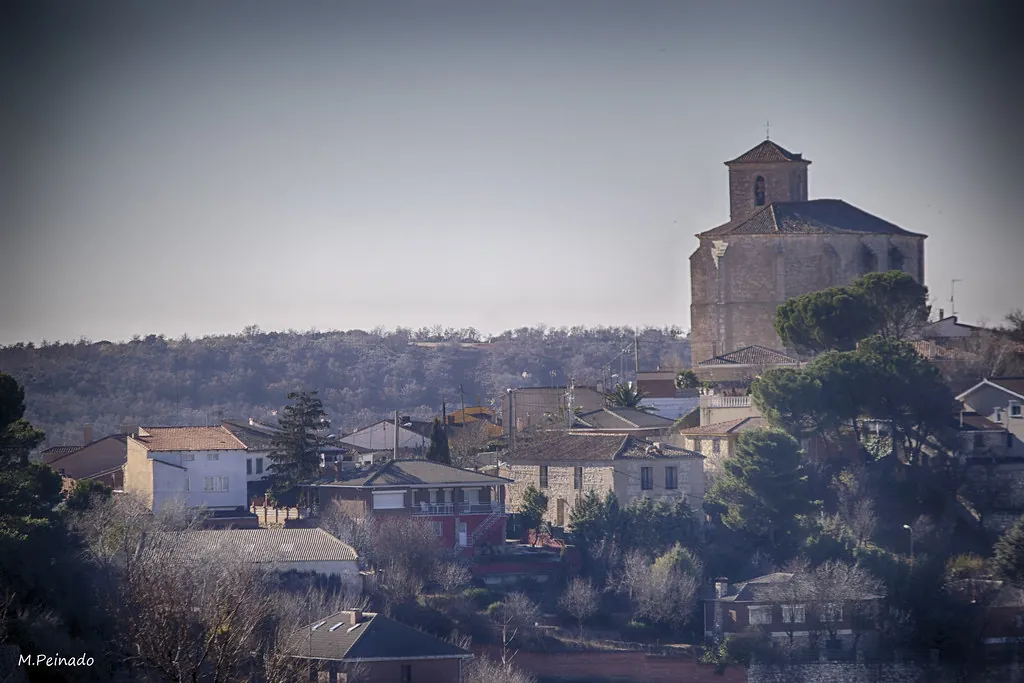
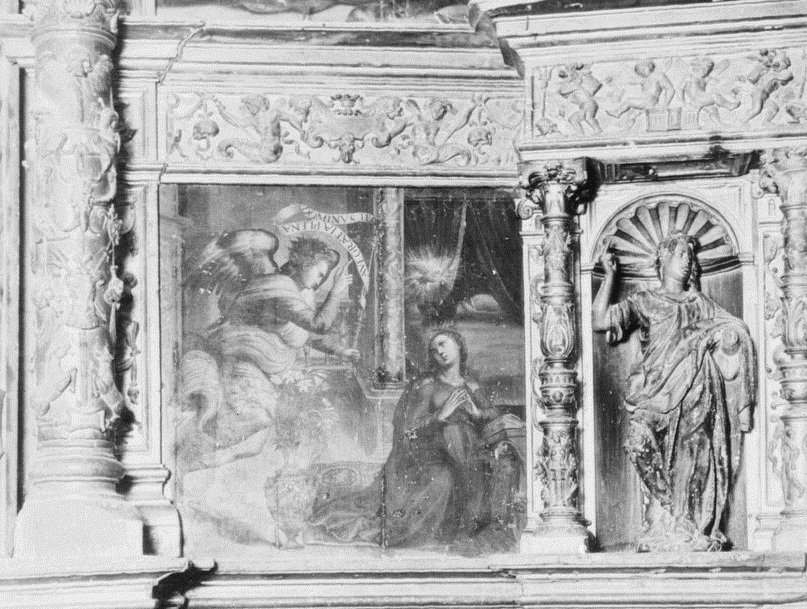
Torrejón’s old quarter is small. The Iglesia de la Asunción, dating from the 16th century, is the only clearly historic building. Its Renaissance doorway is worth a closer look and usually earns a photo.
Plaza Mayor acts as the main meeting point. There are terraces, benches and a steady flow of people passing through. It feels like what you would expect in a large town on the outskirts of Madrid rather than a historic destination.
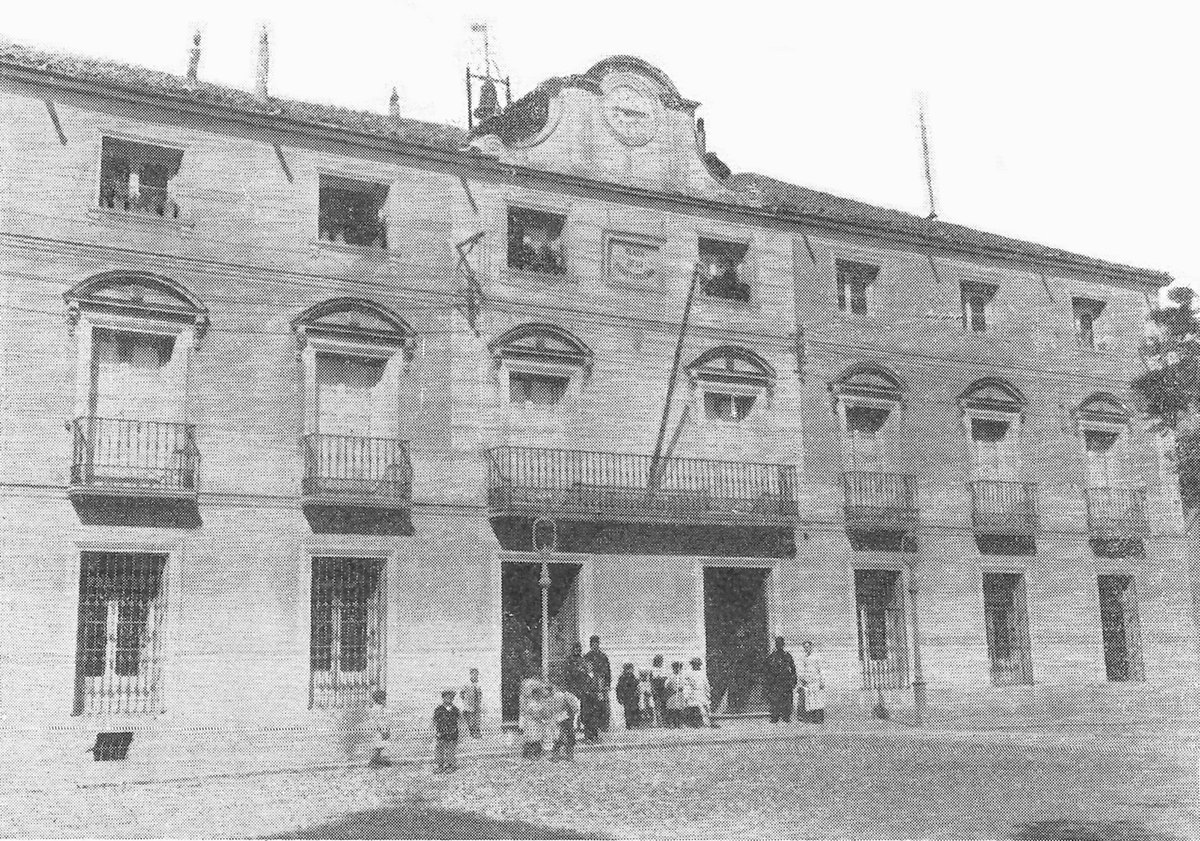
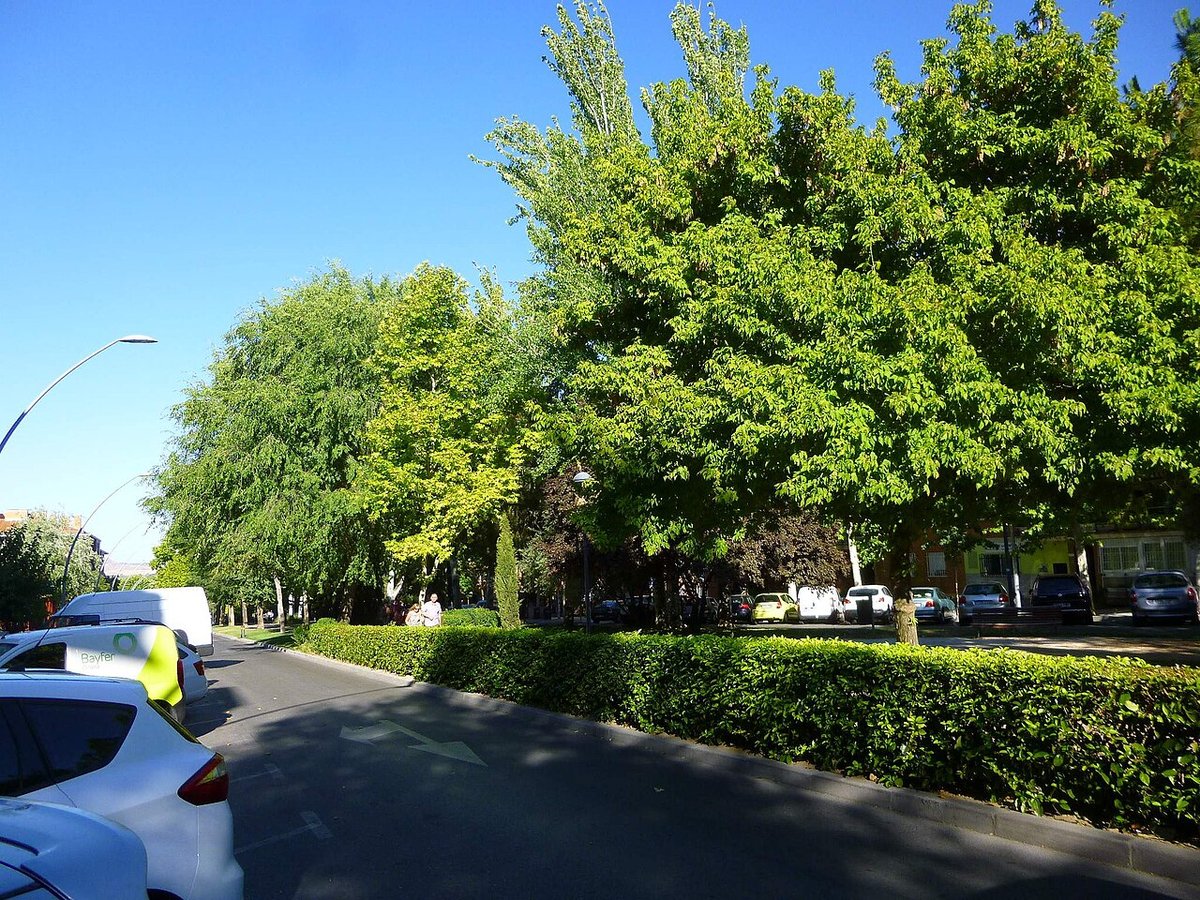
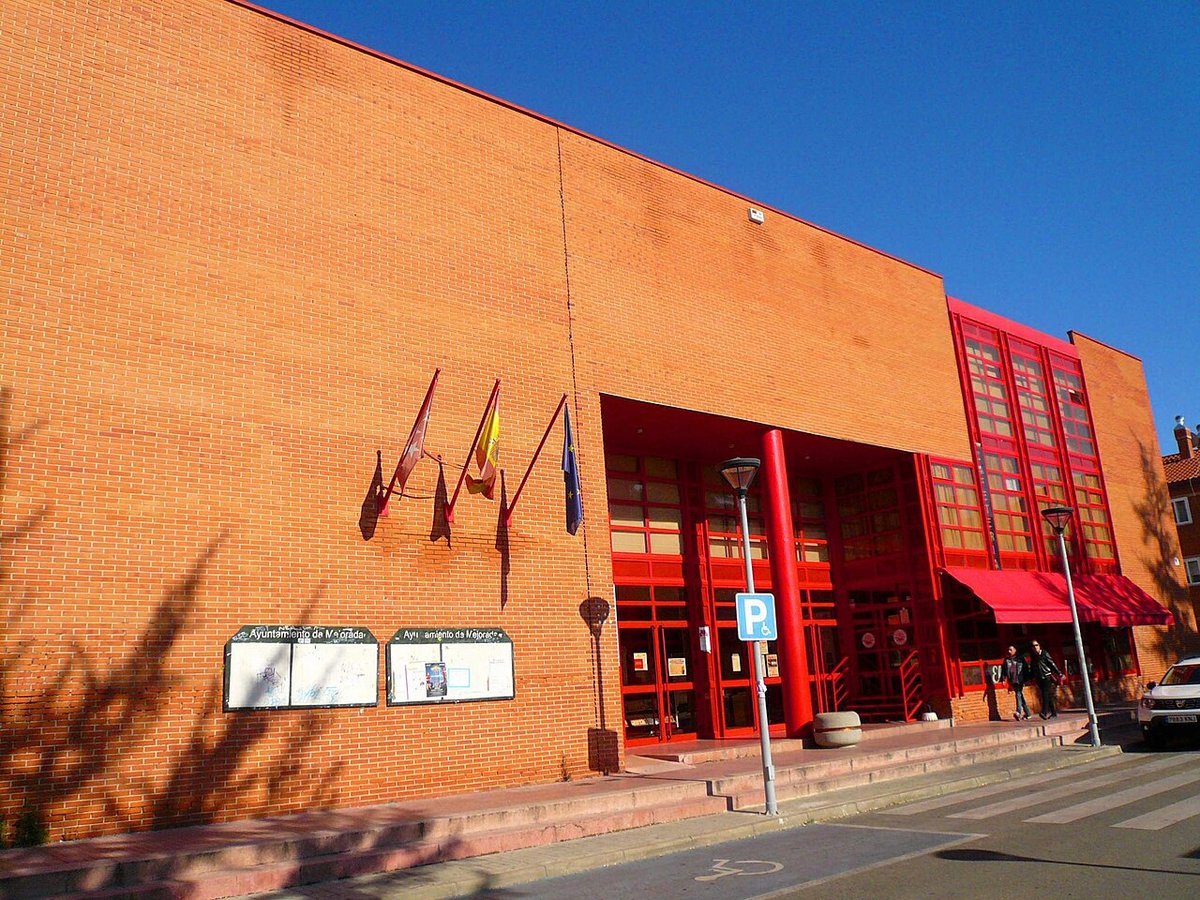
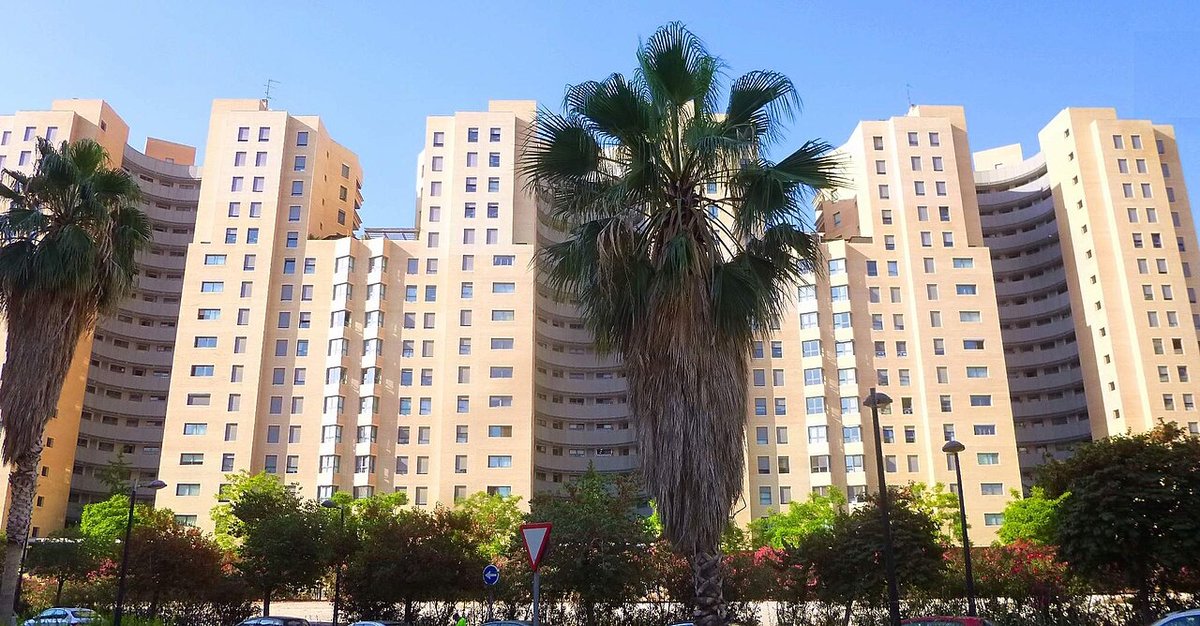
Wander a few streets away and the picture becomes even more ordinary. Pharmacies, hairdressers, supermarkets and residential blocks from different decades fill the grid. The town hall is a late 20th-century building without much story behind it. That is not a flaw, just a reflection of what Torrejón is. It has never been a monumental town.
When the bonfires are lit
In January, Torrejón celebrates San Antón. Traditionally, bonfires are lit in some neighbourhoods. People bring chairs down to the street, meat is grilled in barrels or on improvised barbecues, and the air smells of burning wood.
It is one of the few moments in the year that still carries a strong neighbourhood feel. Outside that, most events come through the local council’s programme. There are concerts in the park, themed fairs and markets that appear for a weekend and disappear just as quickly.
Eating here
The long-standing bars still serve classic raciones, the shared plates typical in Spain. On some Sundays there are callos, a tripe stew, alongside dishes like huevos rotos, fried eggs served over potatoes. Seasonal sweets make an appearance when the calendar calls for them.
Food here is solid and straightforward. If you are looking for something more elaborate, nearby towns like Alcalá de Henares or Chinchón tend to offer more variety and draw more attention for their dining.
Coming and going
The A-2 connects Torrejón with Madrid quickly when traffic is light. During rush hour, that changes.
There are two Cercanías stations: Torrejón and Soto del Henares. From either one, a good portion of the town is within walking distance, although Parque Europa sits slightly closer to Soto del Henares.
A simple plan works best. Arrive in the morning, walk around the park, pass through Plaza Mayor and stop for something to eat. By mid-afternoon, it is easy to be back in Madrid.
Torrejón de Ardoz works well as a short outing. Filling an entire weekend here is harder.