Full Article
about Velilla de San Antonio
Municipality beside the lakes of Parque del Sureste; industry and nature side by side
Hide article Read full article
A Sunday pace that sets the tone
A typical Sunday morning in Velilla de San Antonio carries the smell of fresh bread drifting out from a bakery on the Plaza Mayor, warm and steady. Nearby, outdoor tables fill with families lingering over breakfast or an early drink, while children weave between chairs holding pastries. Conversations circle around football or upcoming moves, the kind of talk that belongs to people who know each other well.
Tourism here works differently. Velilla is not a place people “tick off”. Most of those around the square are there because they live nearby, have relatives in town, or have arranged to meet for a meal. The rhythm feels local and unhurried, shaped more by routine than by sightseeing.
The town Madrid absorbed
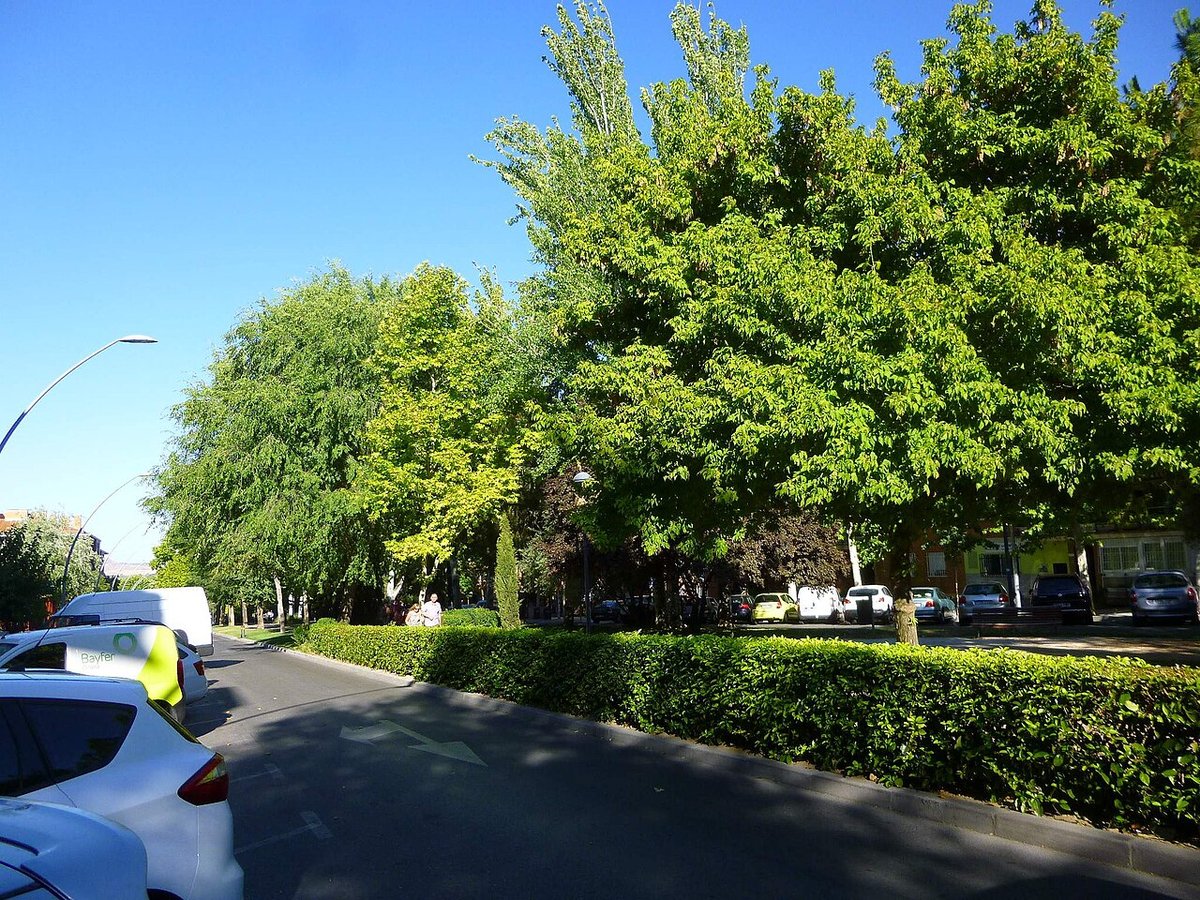
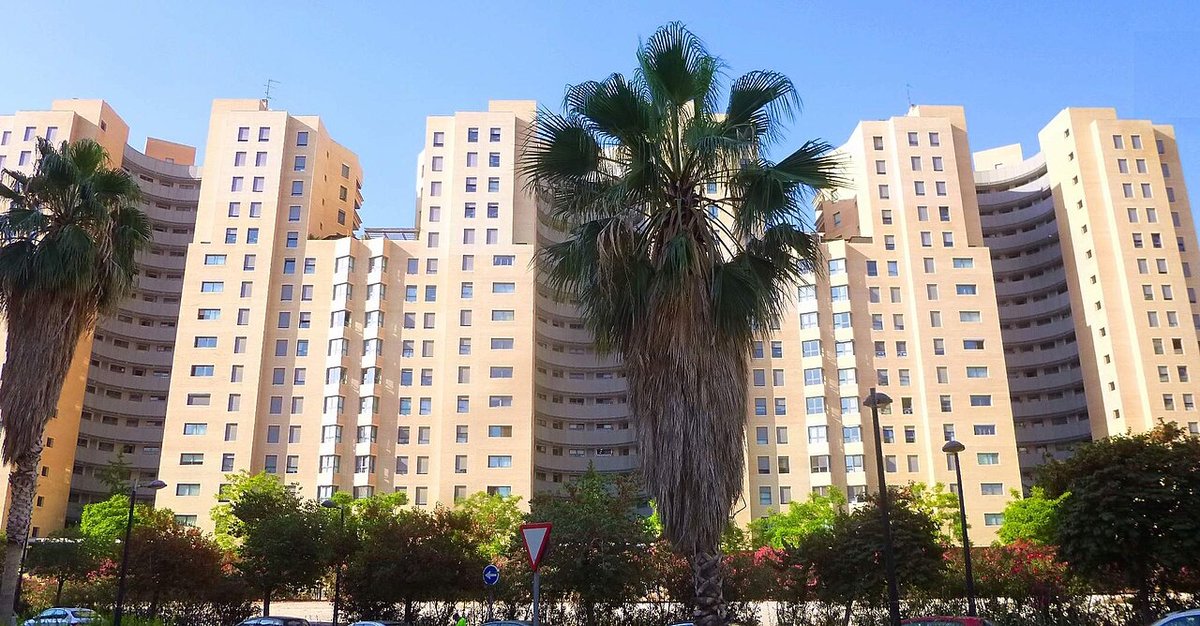
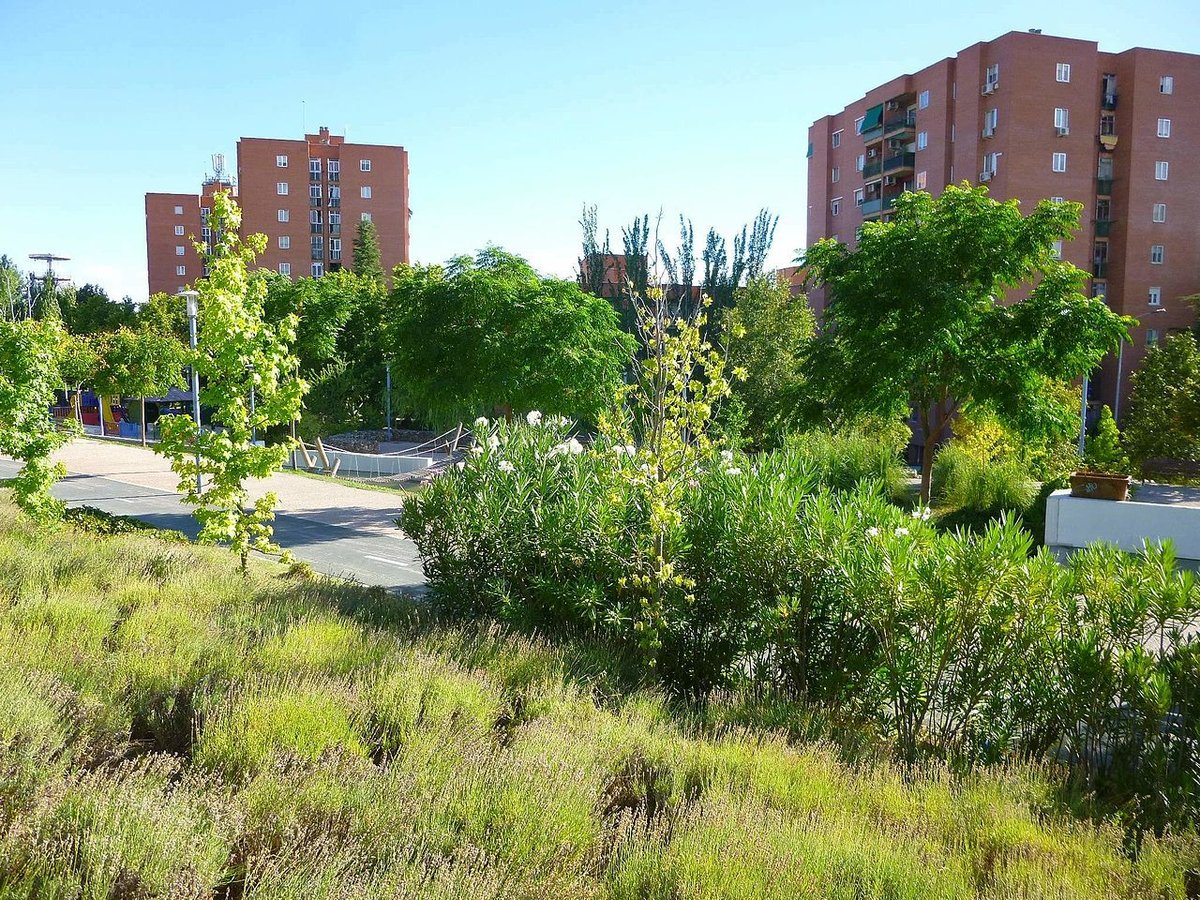
Velilla de San Antonio sits within Madrid’s wider orbit, and it shows. This is not a picture-postcard village. Brick apartment blocks and broad streets define much of the landscape, and the distant hum of the M‑45 motorway rarely disappears entirely. Yet the setting shifts when looking south, where the built-up edges give way to the fertile plain of the Jarama valley.
Fields stretch right up to the first houses. In winter, the dark soil contrasts sharply with the bright green of young cereal shoots. It is a working landscape, practical rather than decorative, where agriculture still shapes the view.
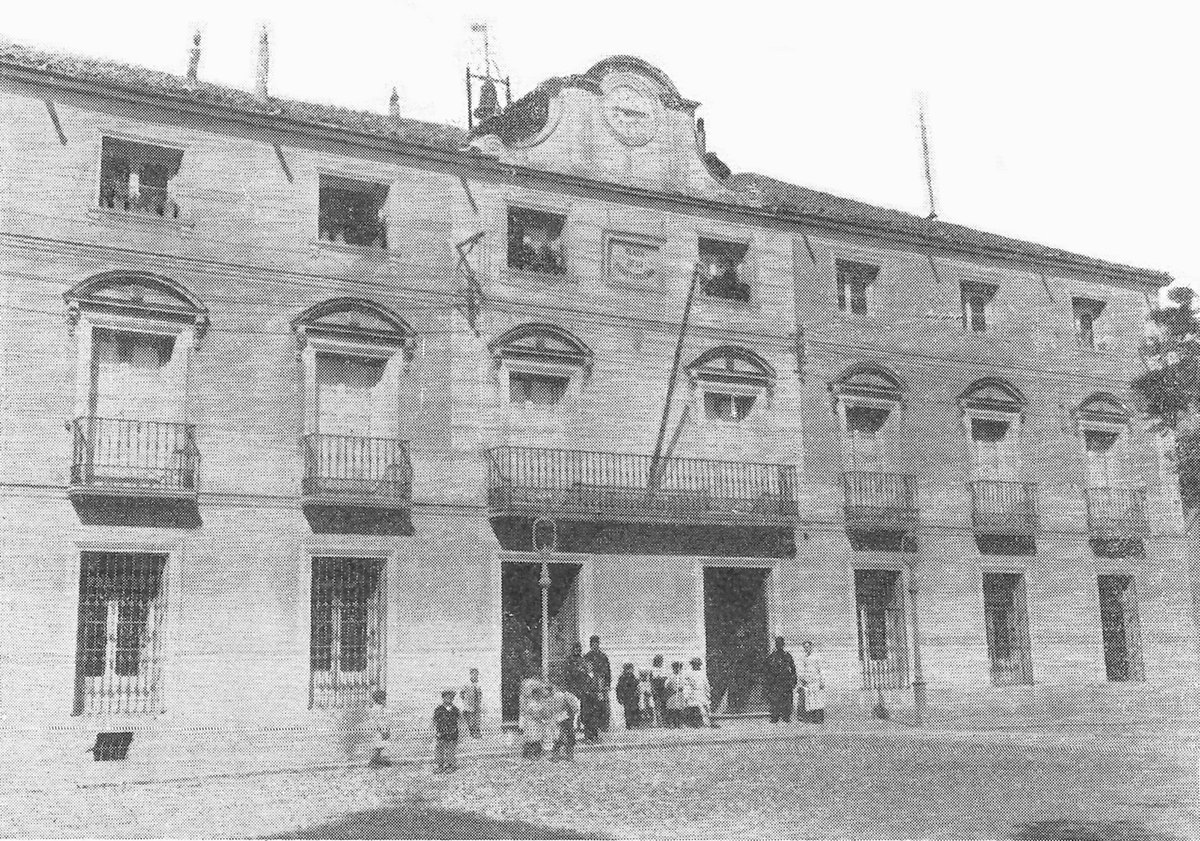
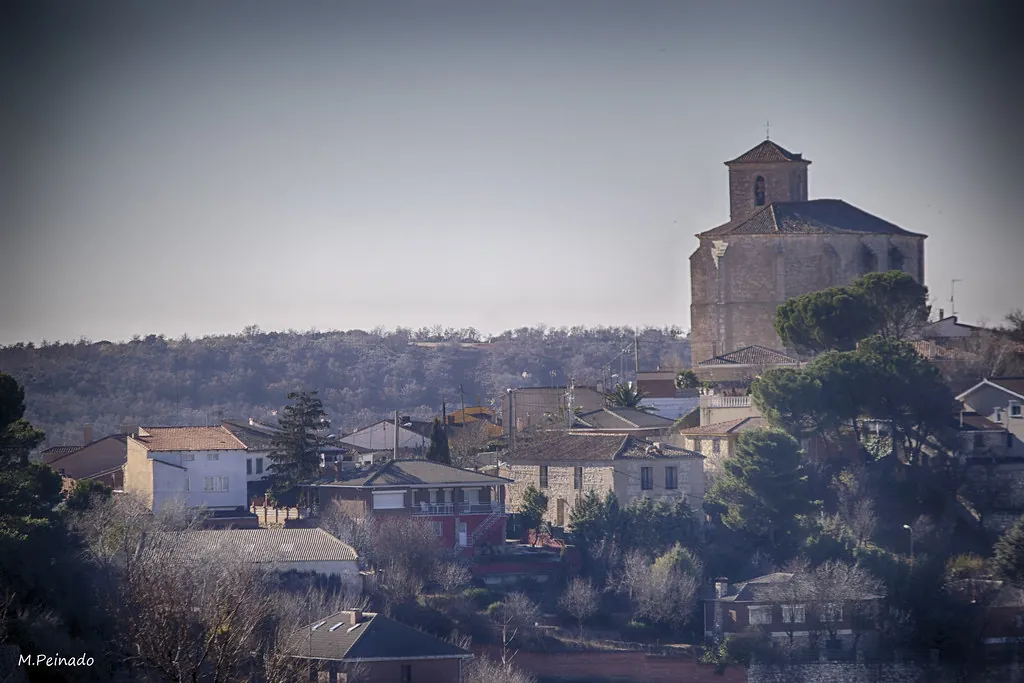
At the centre of the older part of town stands the church of San Antonio, dating back to the seventeenth century, when Velilla stopped depending directly on Madrid. Its tower, with a warm, toasted tone that changes as the afternoon light moves, is visible from many of the town’s straight streets. Inside, the scent of wax and aged wood lingers. More recent stained glass softens the light into a bluish hue, leaving much of the interior in shadow. It is not a grand monument, but it has been present long enough for the town to grow around it.
Water, reeds and the edge of the Jarama
A short drive from the centre, the asphalt gives way to the Parque Regional del Sureste, a protected natural area that follows the river valleys southeast of Madrid. The change is immediate. Reeds sway in the wind, still water mirrors the sky, and the constant background murmur of nearby motorways remains, like a distant shell held to the ear.
The lagoons of El Raso and Las Madres are a product of the area’s industrial past. They formed in former clay extraction sites once used by local brickworks, gradually filling with water and becoming part of the Jarama landscape. Some compare them to a small “Doñana madrileña”, referencing the famous wetland in southern Spain. The comparison may be generous, yet birdlife is noticeable, especially in spring. Flamingos occasionally stop here during migration, although sightings are not guaranteed.
A simple route runs alongside the lagoons, partly on wooden walkways and partly along dirt paths. Early in the day, it is common to see people fishing quietly, waiting for carp to bite. Frogs call from the banks, and herons sometimes stand motionless on posts above the water. In summer, mosquitoes are part of the experience, and they are persistent.
The Sunday cochinillo ritual
By midday on Sundays, certain streets begin to smell different. Wood smoke mixes with the scent of roasting meat and fresh bread. Velilla has several traditional roasters where cochinillo, roast suckling pig, is prepared in batches and served quickly.
Families arrive early and tables fill up fast. The meal itself is informal and lively. The crisp skin is broken by hand, bread soaks up the juices, and conversation grows louder as time passes. It is not a drawn-out ceremony but a shared, energetic gathering. Arriving late can mean missing out, as the day’s portions do not always last.
Sunday lunch here follows its own rhythm. People either sit down in good time or adjust plans and eat at home instead.
When Velilla makes sense
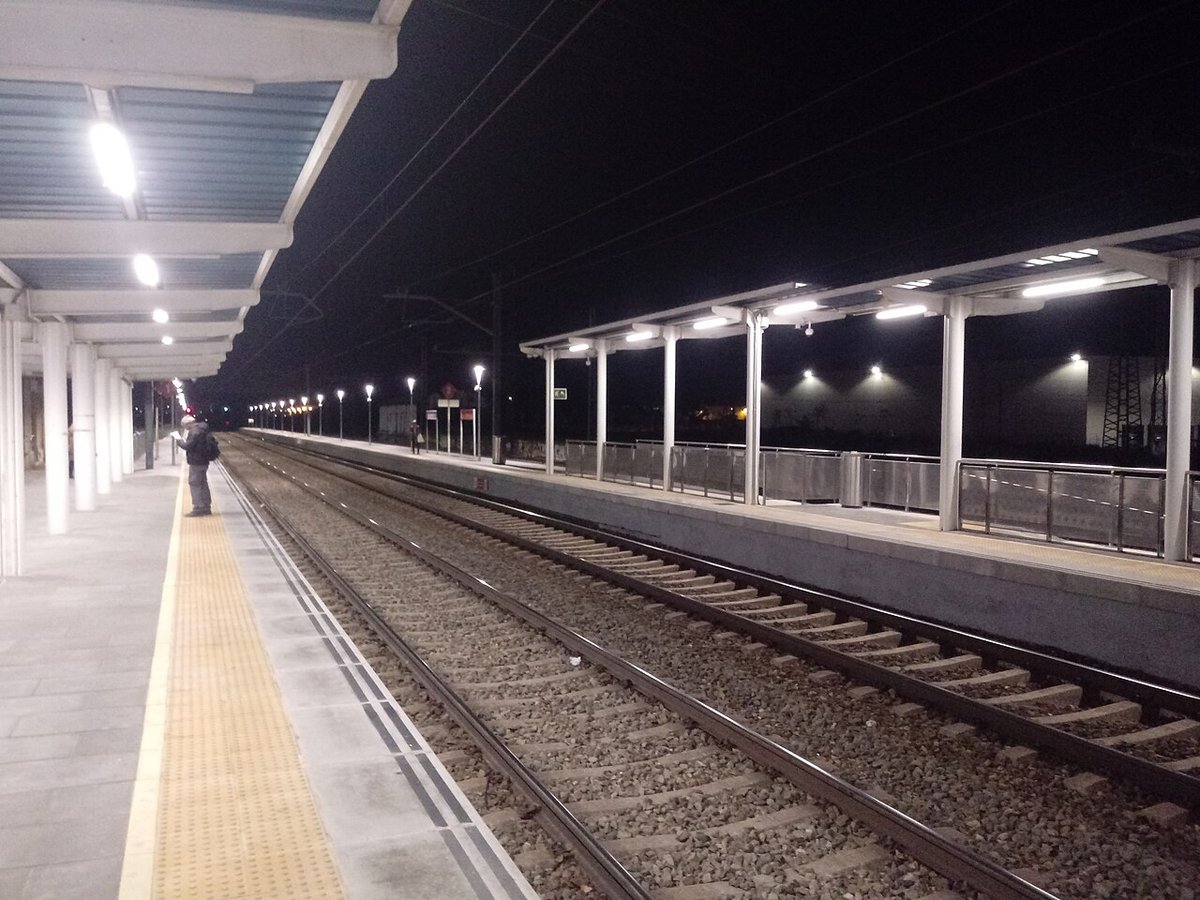
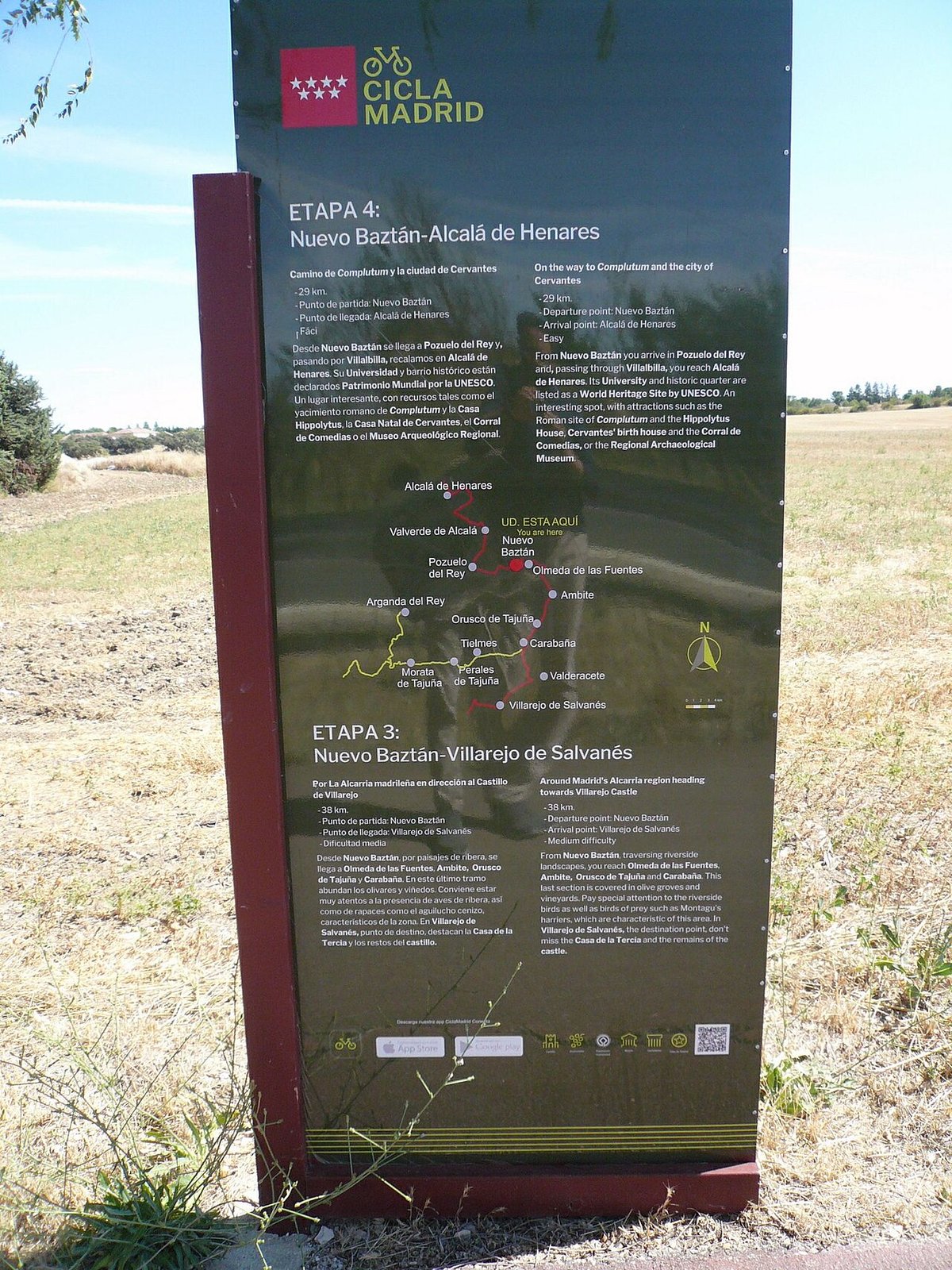
Velilla de San Antonio works best as a short outing rather than a full weekend destination. Its location makes it accessible from Madrid and from nearby towns in the Corredor del Henares, a corridor of cities and suburbs to the east of the capital. Many visitors arrive by bicycle along the park’s paths or come by car for a brief walk around the lagoons.
August tends to be quieter, with many residents away for a few days and the streets noticeably calmer. In winter, the light drops low over the fields of the Jarama plain, casting a golden tone across the landscape while industrial buildings and cranes stand in the distance.
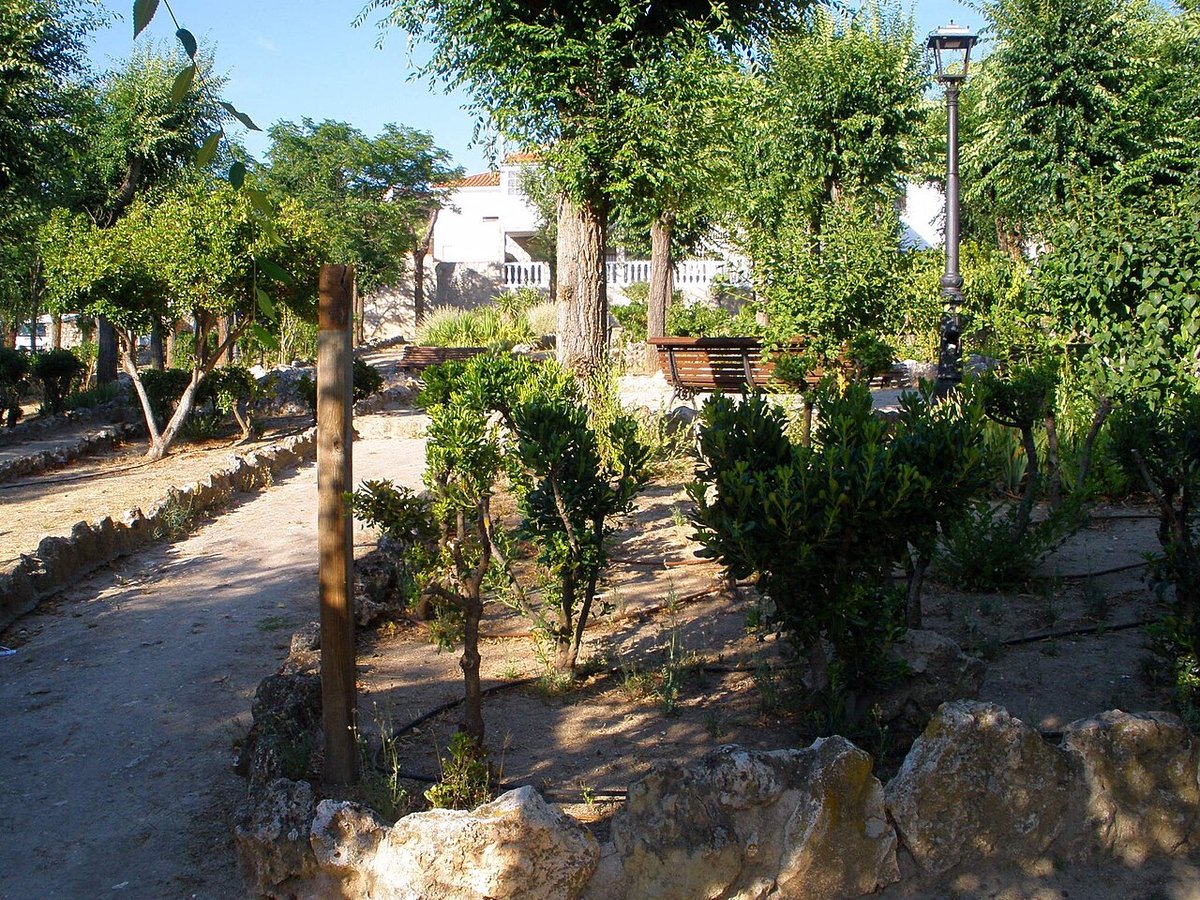
A Sunday morning visit gives a good sense of the place. The area around the main square is a natural starting point, followed by a slow walk along Calle Mayor. Picking up something from a central bakery and sitting for a while on a bench fits the pace of the town. Velilla reveals itself in these small moments, watching the morning unfold without rushing.