Full Article
about Villalbilla
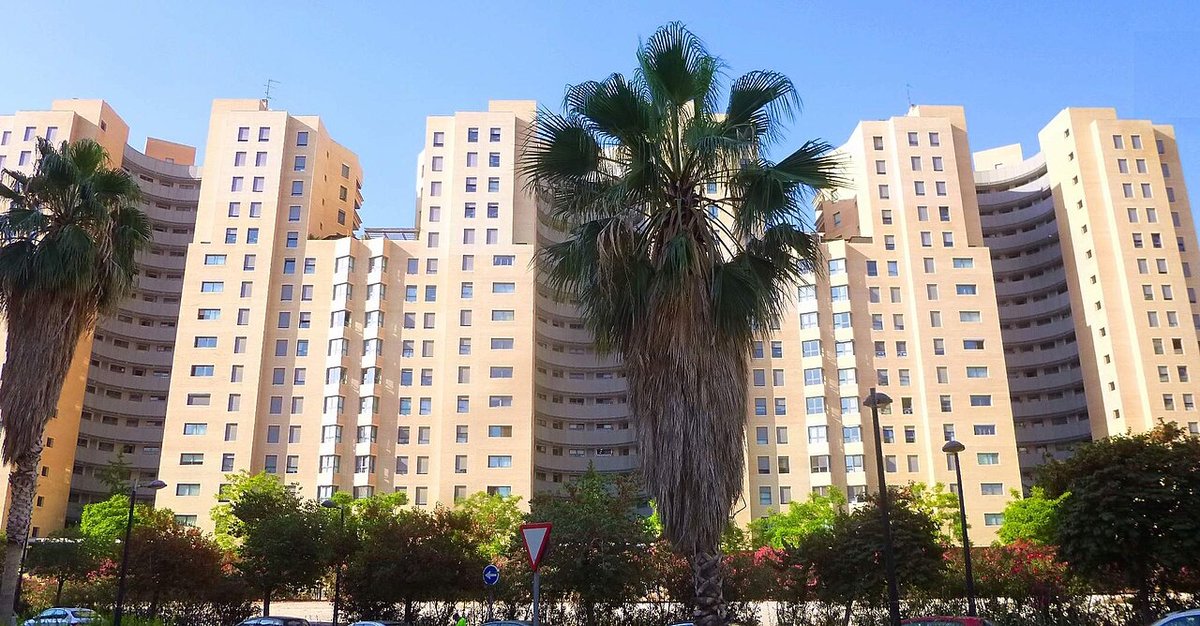
Growing municipality with several housing estates; still has a historic washhouse and natural surroundings.
Hide article Read full article
Early in the morning, when mist still clings to the cereal fields of the Henares basin, Villalbilla carries the scent of fresh bread and damp earth. Shutters on low houses lift slowly. In the Plaza Mayor, a few neighbours cross paths, some out walking, others easing into the day. It is not a small place, with a population of around eighteen thousand, yet it keeps the pace of somewhere people recognise each other and exchange greetings by name.
The gypsum landscape behind the name
Villalbilla sits on pale gypsum and marl soils. The name is often linked to this light-coloured ground rather than to the buildings themselves. On dry summer days, when the sun falls directly onto the slopes, the landscape takes on a distinctive whitish tone, almost dusty in appearance.
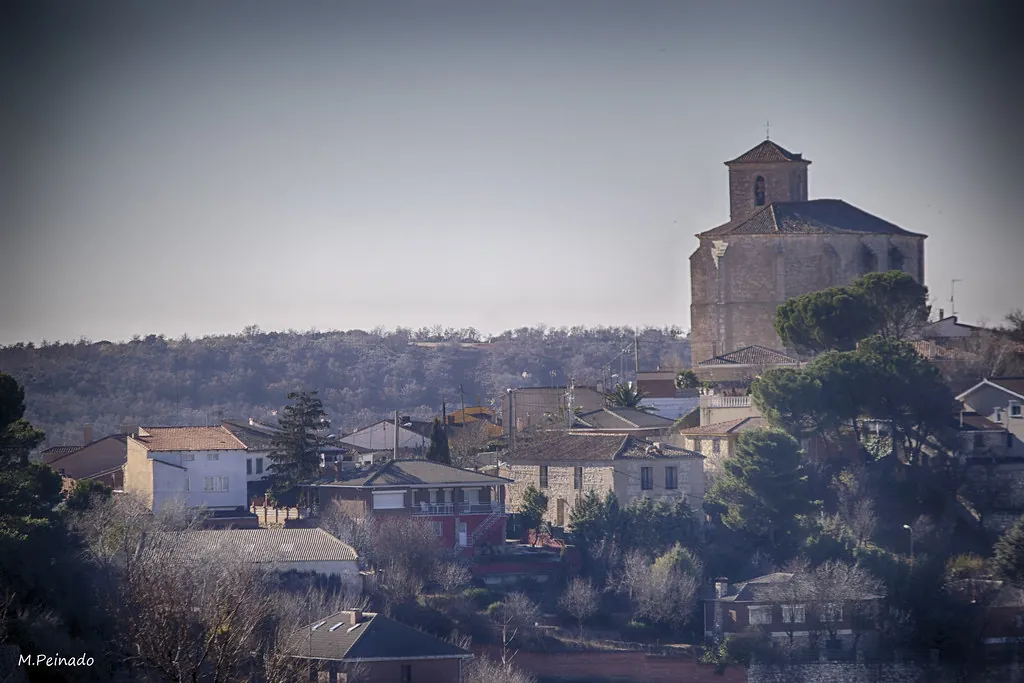
From the higher ground around the old centre, including one of the nearby hills, the view opens out across the fields of the Henares valley. There are patches of pine forest towards Loeches and agricultural plots that shift in colour with the seasons. In July, sunflowers appear suddenly and for a few weeks yellow takes over the scene.
At the centre stands the Church of the Asunción, built in the 16th century. Its brick tower is visible from much of the town. Local history recalls a major flood during that period which severely affected the settlement. Older residents still refer to it in conversation, often blending those accounts with family memories passed down over time.
Walking routes through gypsum and olive trees
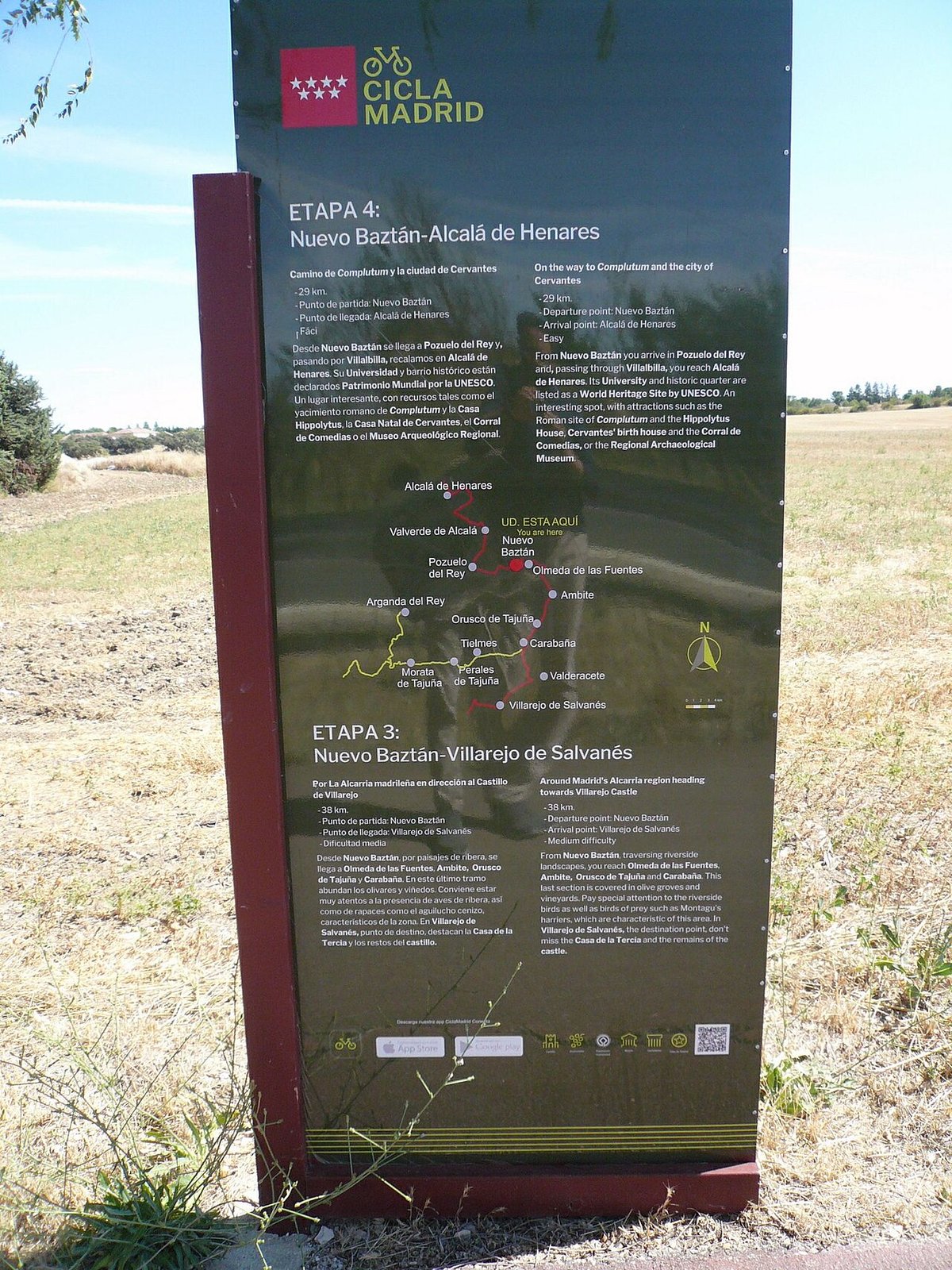
Several old agricultural tracks still run around Villalbilla. These are now used for walking or cycling. One follows part of the historic Camino de la Isabela, a route that once linked this area with Madrid and nearby towns. At certain points, an old milestone can still be seen, worn down and partly covered with moss.
The terrain is open and gently rolling. Between cultivated plots stand old olive trees, some twisted by age. Birds of prey are a common sight, gliding above the fields as the air begins to warm later in the morning.
To the west, towards Alcalá de Henares, the landscape starts to connect with the Roman past of the region. Remains linked to the ancient city of Complutum have been documented in the surrounding area. Cultural routes explain how this territory was organised two thousand years ago. Much of it is not fully excavated or visible, yet it offers a sense that these fields have long been part of a settled and worked landscape.
Local festivals that still feel rooted
The main celebrations revolve around the Cristo de la Guía and usually take place in early May. During these days, the rhythm of the town shifts. Families return from Madrid, the central streets become busier in the afternoon, and music can be heard from different points across the town.
The neighbourhood of Los Hueros, which forms part of the municipality, keeps its own traditions. Corpus Christi is one of its most carefully prepared moments. Residents create carpets made from dyed sawdust and flowers along certain streets. The work begins the night before, and by dawn there is still a noticeable scent of fresh wood in the air.
In the early morning light, when the sun falls low across the façades and some neighbours are still sweeping away the last traces of sawdust, the atmosphere feels calm and close to everyday life.
Food traditions when temperatures drop
Winter brings a dish known locally as gazpacho de asadura. Despite the name, it has nothing in common with the cold Andalusian gazpacho. This is a hot stew made with bread, paprika and pork offal. It was traditionally prepared on the day of the matanza, the seasonal pig slaughter, and eaten at a shared table with plenty of bread.
During Semana Santa, many households continue the custom of making torrijas. The smell of milk infused with cinnamon begins around Thursday and lingers for days. Each family has its own method. Some leave the bread to soak overnight, while others prefer to fry it first using a milder oil.
In May, around San Isidro, homemade rosquillas appear at local gatherings and small stalls. They are eaten standing, often while conversations turn to local matters or the state of the year’s harvest.
When to visit and what to expect
Villalbilla is at its most comfortable when the weather is mild and the heat has not yet set in. Spring is often a good time to come. The cereal fields are green, and the wind moves across them in waves that resemble water.
Early May brings a livelier atmosphere because of the main festivities. Those looking for a quieter visit may prefer a different week.
Arriving by car tends to be the simplest option. It is generally easier to leave the vehicle in the more open areas at the edges of the town and continue on foot towards the centre. The older streets are narrow, and some slopes still have uneven paving.
As evening approaches, the light turns warmer and shadows stretch across the square. The tower of the church shifts in colour with the fading sun. It is a moment that invites a pause, watching as the pace of the town softens towards the end of the day.