Full Article
about Ajalvir
A municipality near the capital that retains agricultural traditions, located in a transition zone between the countryside and the urban area.
Hide article Read full article
Ajalvir is one of those places that feels as though it sits on the outskirts of the outskirts. It lies about 27 kilometres from Madrid, yet the pace is different. People still pause in the middle of the street to chat through a car window. Time seems to move a little more slowly than it does in the capital.
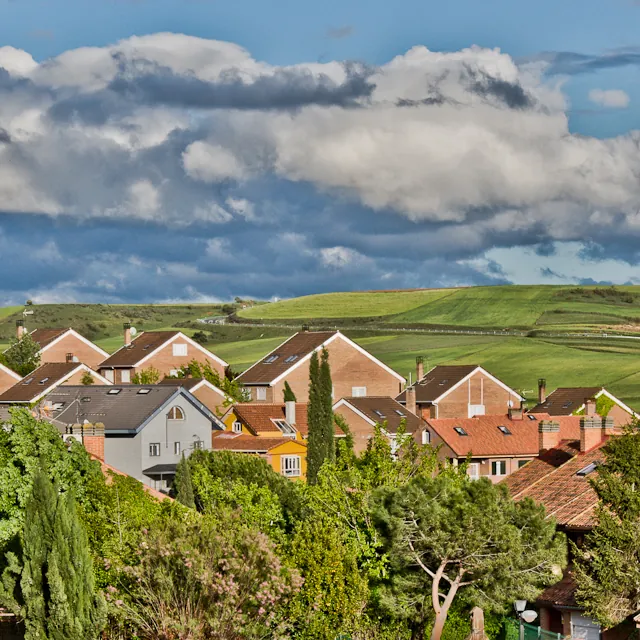
This is not a village built around spectacle. There are no dramatic skylines or headline monuments. What you find instead is a small agricultural town on the edge of Madrid whose identity is shaped by its fields, its festivals and a story that locals still like to tell.
The Village That Paid for Itself
Ajalvir’s history includes an episode that sounds almost too neat to be true. At the end of the 16th century, the settlement obtained the title of villa, effectively becoming a town with its own jurisdiction, by paying for it. Philip II needed money for his wars, and control of the area passed into the hands of a Genoese banker named Baltasar Cataño.
According to the version commonly repeated in the village, residents gradually raised the money needed to recover their independence. It was as if they were paying in instalments, over many years, until the place was once again their own. Whether told with absolute precision or with a touch of embellishment, the story endures. It reflects an idea that matters locally: that, in one way or another, the town ended up belonging to its people.
That sense of self-reliance still forms part of how Ajalvir is described today.
When the Countryside Enters the Streets
The first thing noticed on arrival is the quiet. Not total silence, but the rural kind: birds overhead, a bell somewhere in the distance, a tractor working beyond the houses. Ajalvir sits within a ZEPA, a Zona de Especial Protección para las Aves, or Special Protection Area for Birds.
The cereal fields of the Cuenca del Medio Jarama stretch out around the village. They are home to bustards, little bustards and kestrels, species that thrive in these open agricultural landscapes. For anyone interested in birdwatching, this is the sort of setting more often associated with a nature documentary: wide horizons, dirt tracks and an enormous sky.
Two signposted routes run through the surrounding countryside, one towards the camino de La Huelga and another through the area known as El Calvario. They offer an easy way to explore the farmland without difficulty. These are flat agricultural paths rather than dramatic hikes. The terrain is straightforward, the distances manageable. With binoculars, however, the experience changes considerably.
Good footwear is advisable. The fields around Madrid have a particular knack for filling shoes with small stones at regular intervals.
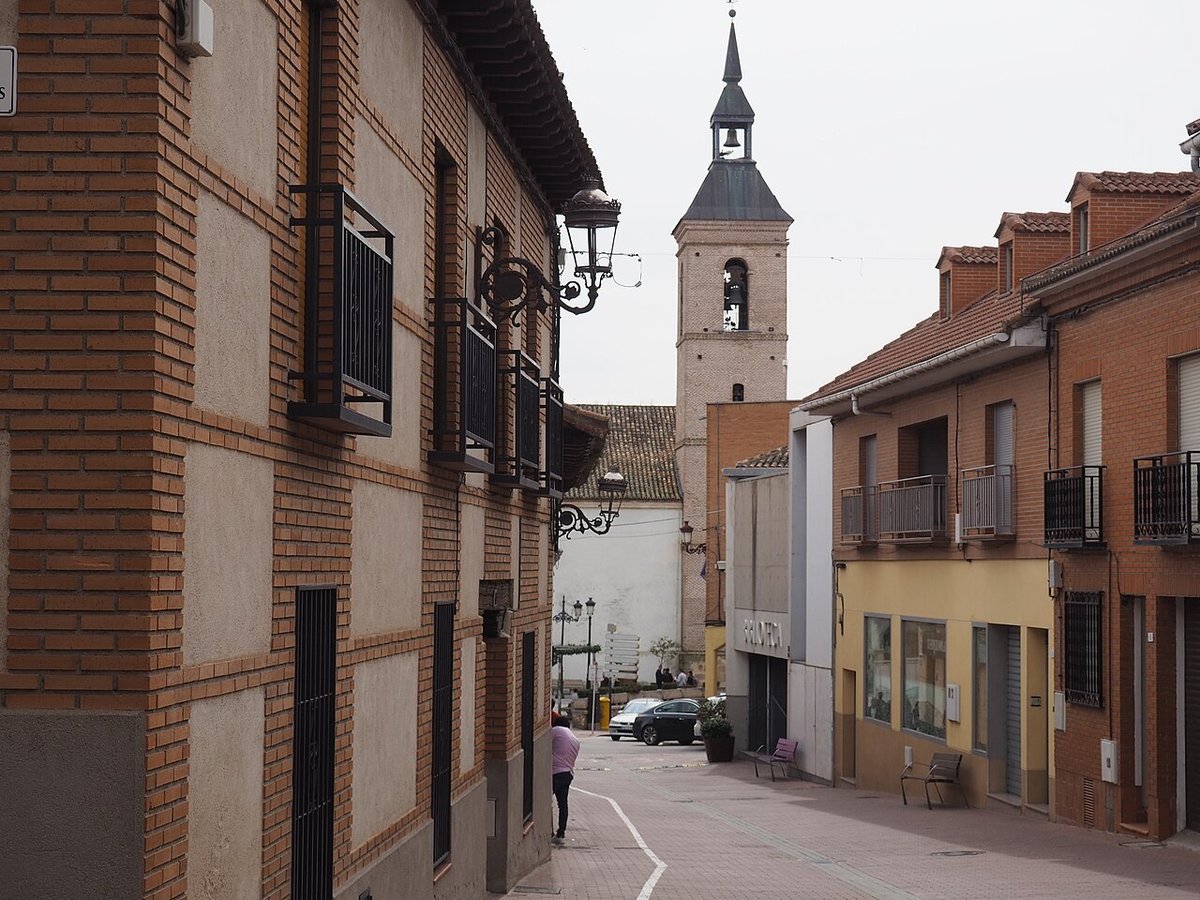
Back in the village itself, the countryside never feels far away. Streets are active but not rushed. Houses are well kept. The transition from paved square to open field happens quickly, which is part of the appeal.
Half the Village on Horseback
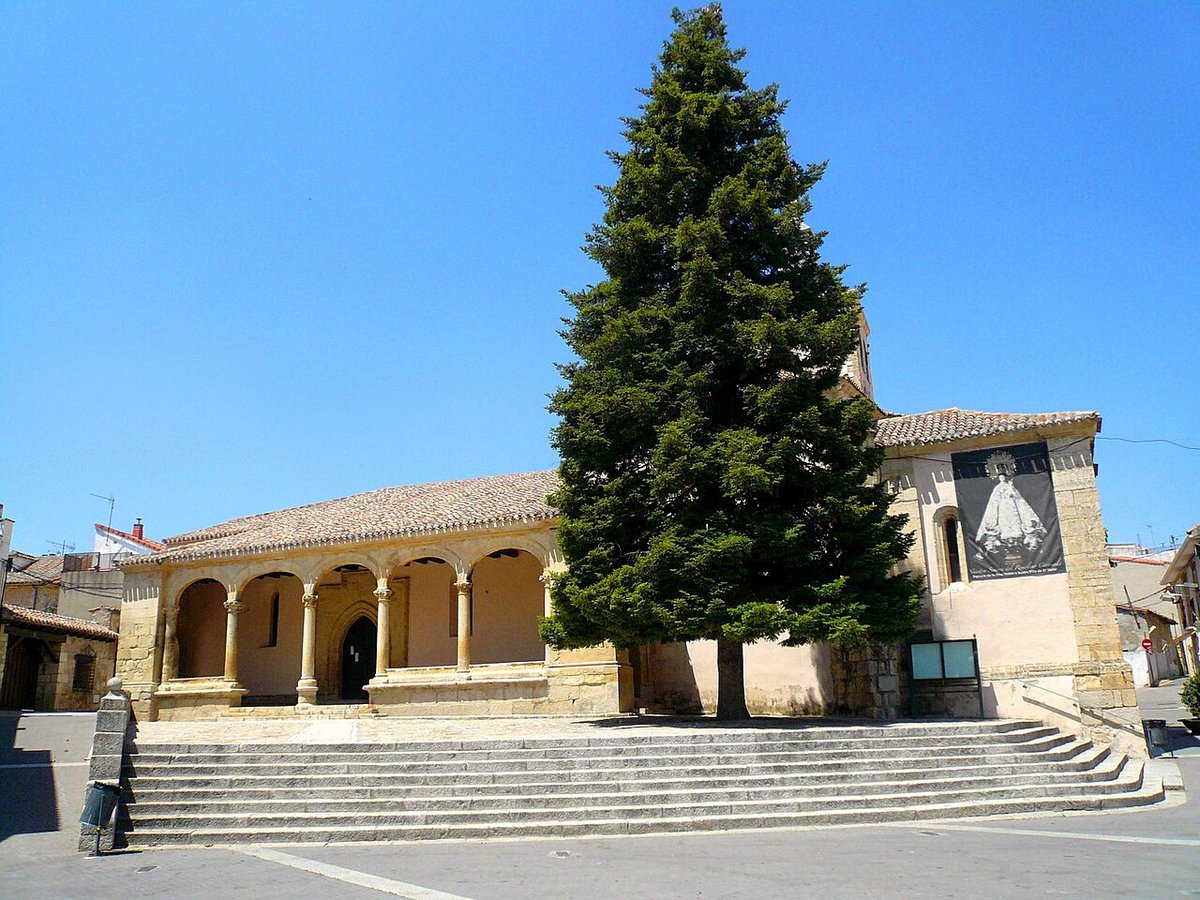
Ajalvir maintains several celebrations throughout the year. One of the most striking is the romería of the Virgen de la Espiga, held at the beginning of June. A romería is a traditional pilgrimage, usually combining religious devotion with a social gathering. In this case, the route runs from the church to the ermita de los Olivos, a small shrine outside the centre.
Many residents make the journey on horseback. Riders pass through the village raising dust, hats pulled low, while others follow on foot or by bicycle. The scene has something of a Castilian pilgrimage and something of an improvised parade. It is communal rather than choreographed.
San Isidro, the patron saint of farmers, is also celebrated here with enthusiasm. The atmosphere resembles a village fair. Tables appear in the streets. Stalls offer homemade sweets and traditional raffles. The sense is that these festivities are organised primarily for the people who live here. Visitors are welcome, but the focus is on the community gathering together.
During these occasions, trays of rosquetes often emerge. These small ring-shaped pastries, typical of many Spanish festivities, are made by local residents. Served with a simple coffee, they rarely last long. Arrive late and they may already be gone.
Small in Size, Active in Practice
Ajalvir is small, yet it does not feel dormant. An economic detail frequently mentioned when the municipality is discussed is that its income or GDP per capita appears among the highest in the Community of Madrid. The figures vary depending on the year, but the explanation is practical rather than mysterious.
Several industrial estates lie in the surrounding area, and many residents work either there or in Madrid and the Henares corridor. The result is a town with daily movement. Streets are used. Bars fill up around midday with people from the village itself. It is not the sort of place that empties out from Monday to Friday.
This balance between agricultural landscape and commuter life defines much of Ajalvir’s character. Fields and factories sit within the same horizon.
Is It Worth the Detour?
The answer depends on expectations. Anyone searching for a monumental historic centre will not find it here. There are no medieval walls or grand plazas dominating the map.
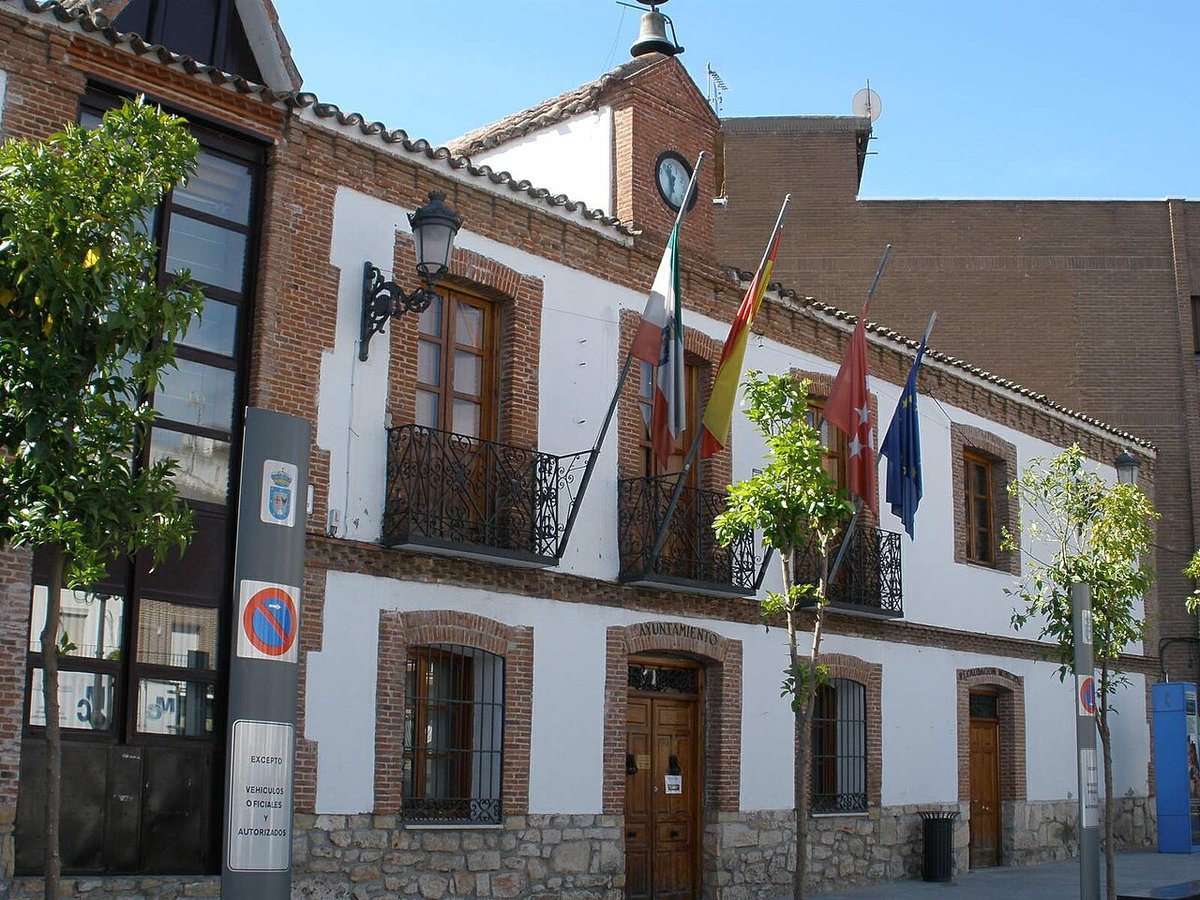
Yet for those curious about how an agricultural town functions on the edge of Madrid, Ajalvir has its own interest. In a couple of hours it is possible to walk through it comfortably: the main square, the church, a quiet residential street, then a short stroll towards the fields.
Spring is a good time to come. Crops turn green and the landscape shifts in tone. Birdlife is more visible across the plains. Summer brings intense heat, and in winter the wind that sweeps across the Castilian plateau can feel unforgiving.
Ajalvir does not compete with Spain’s monumental destinations. What it offers instead is a glimpse of everyday rural life within reach of the capital, shaped by open land, local tradition and a story about independence that still circulates from table to table. Sometimes that is reason enough to take the short drive and see how time passes on the outer edge of Madrid.