Full Article
about Algete
Residential municipality overlooking the sierra; it has notable religious heritage and protected natural areas.
Ocultar artículo Leer artículo completo
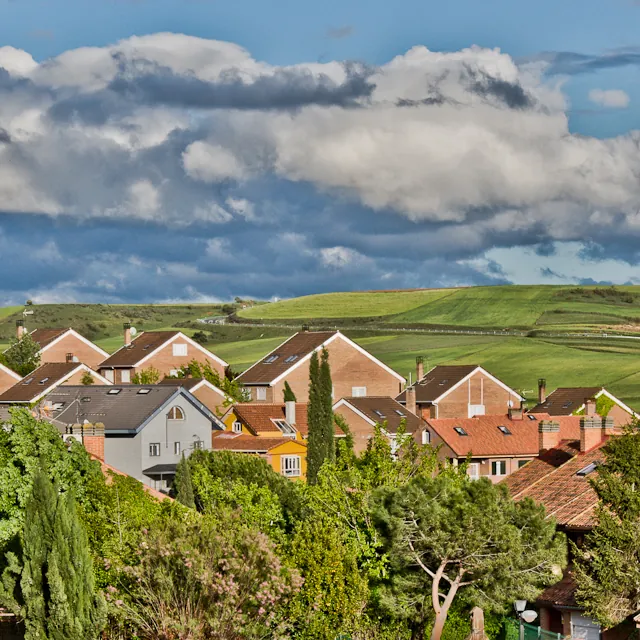
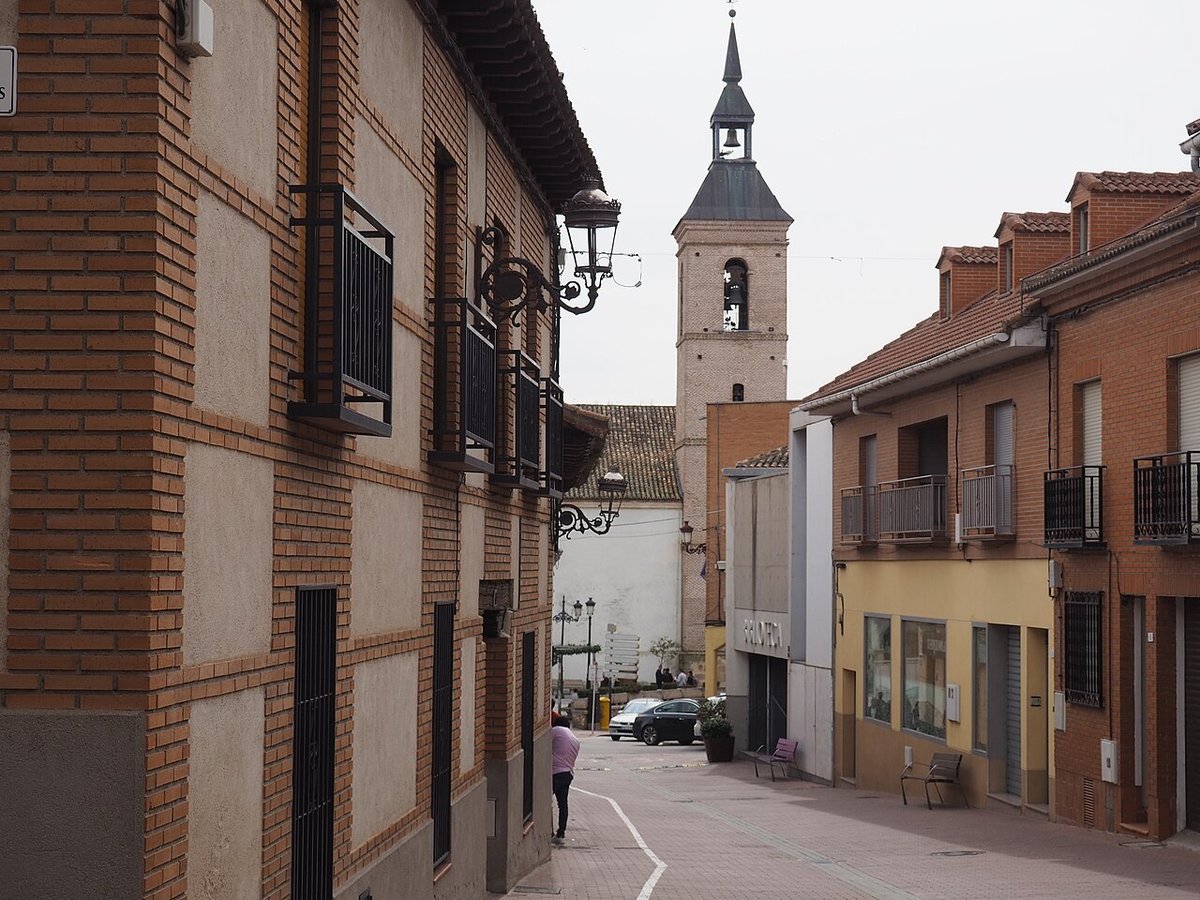
The church tower of La Asunción rises above Algete like a compass needle, visible from nearly every street corner. At 741 metres above sea level, this former farming settlement sits high enough that Madrid's skyline disappears behind rolling farmland, yet close enough that city workers can commute daily. It's this peculiar geography—neither proper countryside nor dormitory suburb—that defines Algete's character.
A Village That Refuses to Choose
Twenty thousand people call Algete home, though you'd never guess it from wandering the historic centre. The medieval street pattern remains intact, narrowing to single-lane passages where delivery vans force pedestrians to flatten themselves against honey-coloured walls. Elderly residents still prop plastic chairs outside their front doors, watching the world pass at agricultural speed despite the A1 motorway humming in the distance.
The altitude makes itself known. Even in August, mornings carry a crispness that sends locals reaching for cardigans. Winter brings proper frost; the surrounding fields whiten while Madrid stays grey. This climate shift explains why Algete's wine cellars, hand-carved into the hillsides, stayed operational well into the 20th century. Their entrances dot the landscape like hobbit holes, though most now store bicycles rather than barrels.
What Remains When Tourism Doesn't Come Calling
Without a single hotel in the village centre, Algete has developed organically rather than for visitors. The weekly market fills Plaza de la Constitución every Tuesday morning—no artisanal stalls here, just fruit sellers shouting prices and butchers carving rabbits for Sunday paella. It's commerce at its most functional, fascinating precisely because it isn't staged for outsiders.
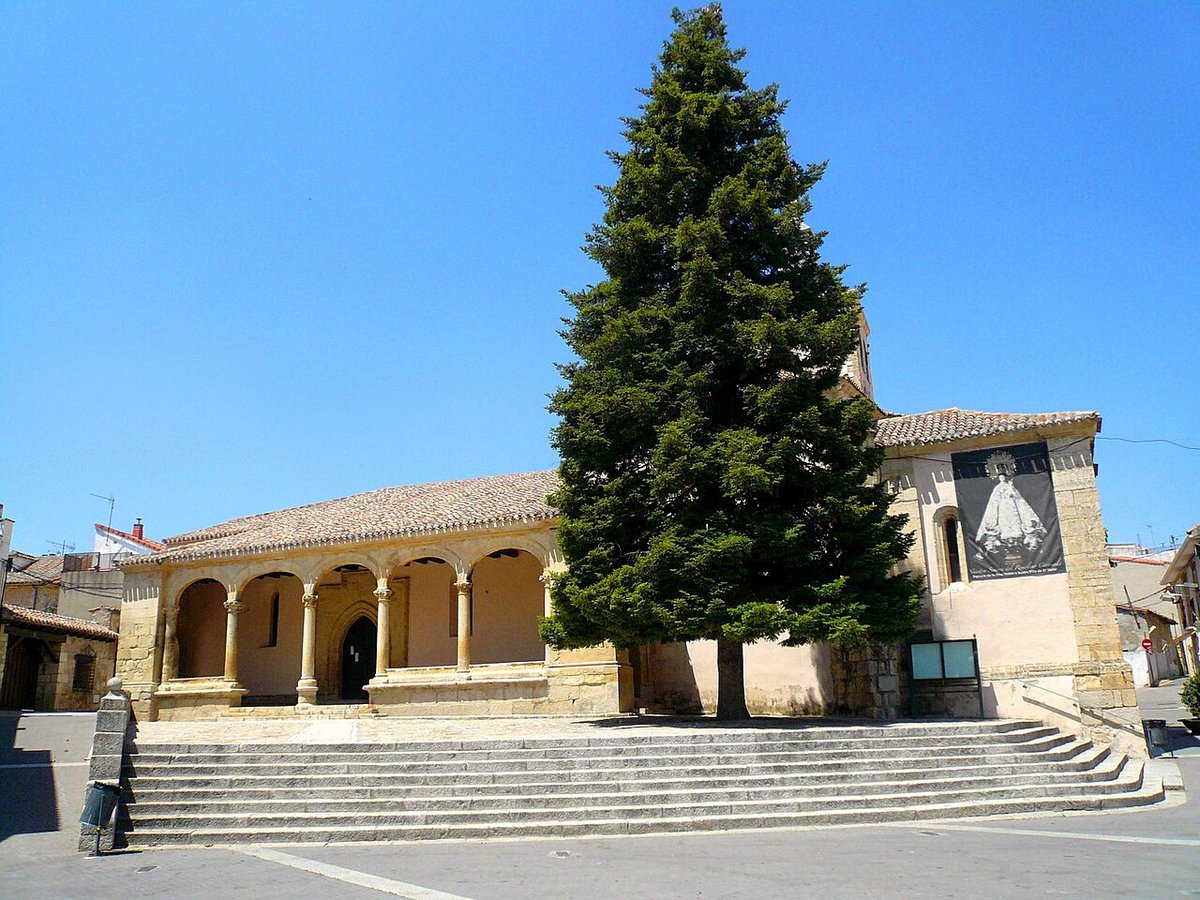
The Church of La Asunción anchors everything. Built between the 15th and 18th centuries, its tower serves practical purpose beyond the spiritual. When mobile signals fail (common in the narrow lanes), locals navigate by keeping the tower in sight. Inside, the altarpiece depicts agricultural scenes that local children can identify before they learn saints' names—wheat sheaves, grape bunches, the occasional hare.
Walk five minutes in any direction and agriculture takes over. The transition is abrupt: one minute you're passing apartment blocks, the next you're on a dirt track between artichoke fields. These paths, marked as PR-14 in regional hiking guides, form a 12-kilometre loop through cereal crops and olive groves. Spring walks reward with poppy-strewn verges; autumn means the smell of freshly turned earth and gunshots from pheasant hunters.
Eating Without the Performance
Food here happens in neighbourhood bars where menu del día still costs under twelve euros. Try Casa Toribio on Calle Mayor for cocido madrileño on Wednesdays, or Bar La Plaza for callos (tripe stew) that arrives bubbling in its clay dish. These aren't destination restaurants—they're where builders lunch and grandparents celebrate birthdays, which makes them infinitely more interesting than any Michelin-listed spot.
The village's agricultural past surfaces in unexpected ways. During wild mushroom season (October-November), pharmacists double as fungi identification services—bring your haul and they'll sort the edible from the deadly. In late summer, grape vines draped over garden walls sag with fruit; help yourself to bunches hanging over public footpaths, but don't even think about entering private plots. The distinction matters deeply here.
Timing Your Visit (Or Why You Might Skip August)
Algete makes most sense outside peak summer. August brings the Asunción fiestas, turning quiet streets into fairground rides and thumping discos until 5am. It's authentic local culture, certainly, but also overwhelming if you came for rural tranquility. September's harvest celebrations prove gentler, with grape-pressing demonstrations in people's garages and impromptu tastings of last year's wine.
Winter visits reveal the village's split personality. Snow falls perhaps twice yearly, sending children sledging on agricultural plastic bags while their parents WhatsApp Madrid colleagues about working from home. The sight of business suits picking their way through slushy fields to reach functioning WiFi captures Algete perfectly—country living with city obligations.
Spring offers the best balance. Temperatures hover around 18°C, perfect for the hour-long walk to neighbouring El Casar through almond blossom. Fields show neat geometric patterns of new crops; farmers wave from tractors worth more than their grandparents' entire farms. It's Instagram-ready without trying, though you'll struggle for phone signal to post anything.
Getting Here (And Away Again)
Public transport links reflect Algete's commuter reality. Bus 261 departs Madrid's Plaza de Castilla every 30 minutes weekdays, less frequently weekends. The journey takes 45 minutes—longer than driving but cheaper than city centre parking. Buy tickets on board; drivers make change but appreciate exact coins. Last buses leave Madrid at 11:30pm, meaning day-trippers can't linger over late dinners.
Driving proves simpler: take the A1 towards Burgos, exit at km 42. Parking's free everywhere except market days, when orange cones appear mysteriously to reserve residents' spaces. The village centre's pedestrianised anyway—park by the sports centre and walk in, taking note of your route. These streets were designed for horses, not sat-nav.
The Honest Assessment
Algete won't change your life. It offers no medieval castle, no artisan gin distillery, no boutique hotels in converted convents. What it provides is increasingly rare: a functioning Spanish village where tourism remains incidental rather than essential. The bakery sells bread, not experiences. The bar serves coffee, not "local culture."
That authenticity carries limitations. Everything closes between 2-5pm. English is barely spoken. The most exciting evening entertainment involves elderly men playing cards outside the cultural centre. If these sound like problems, stay in Madrid. But for travellers seeking Spain without the performance—where real life continues regardless of visitors—Algete delivers something precious precisely because it isn't trying to.
Come for half a day, walking the fields before lunching where locals lunch. Watch how Spanish village life functions when freed from tourist expectations. Then leave, ideally on the 4:30pm bus when school children fill the seats, their uniforms blending perfectly with the landscape that sustains their community.