Full Article
about Camarma de Esteruelas
Growing town near Alcalá; retains traces of its Mudéjar past amid farmland.
Hide article Read full article
A village that keeps its own pace
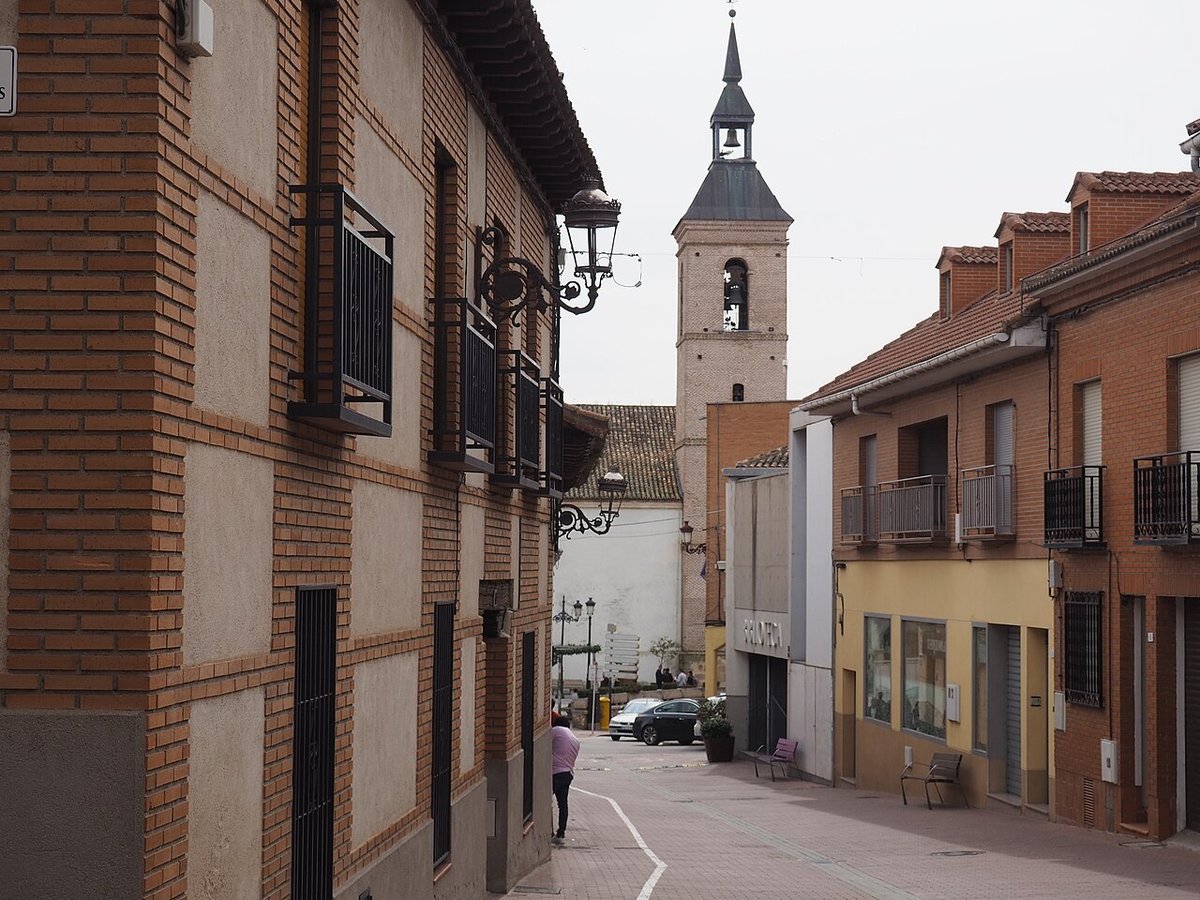
Towns in Madrid's orbit have a split personality. They wake up to the same alarm clock as the capital, but the morning noise is all wrong. No metro rumble, just the diesel cough of a delivery van or a tractor heading out to the fields. Camarma de Esteruelas is exactly that. It’s got Alcalá de Henares on its doorstep and Madrid less than an hour away, but it still runs on a rural rhythm.
Life here feels local in a way bigger towns don't. People nod to each other on the street, they know whose dog that is without checking the collar. That familiarity is the main feature here, more than any monument.
A church that grew over centuries
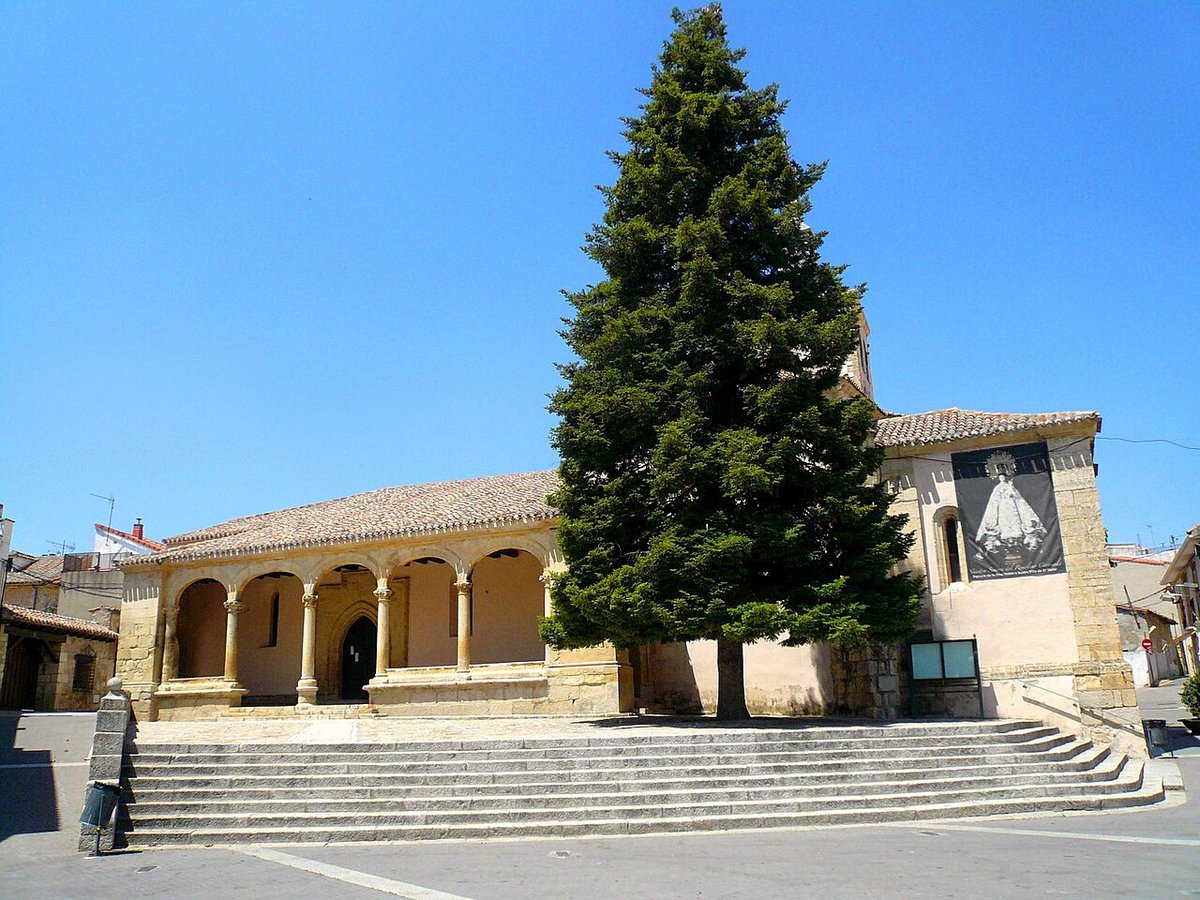
The Iglesia de San Pedro Apóstol tells you most of what you need to know about this place’s history, but you have to look at it sideways. At first glance, it looks like two different buildings got shoved together. That’s because they basically were.
The oldest part is that low, rounded bit at the back—that’s medieval, Romanesque work. The taller brick structure piled on top came later, when the village needed more space. It’s the architectural equivalent of adding an extra room to your house because you had another kid. The result is a bit lopsided, but it has character. Walk around to the apse and you can see the older stonework much clearer.
Inside, it’s quiet and unpretentious. The images and altars have been there for generations, watching over baptisms and funerals without much fanfare. Look for the worn reliefs of the Tetramorph in the apse; they’ve faded to a soft grey that only comes with centuries.
The calendar matters here
Don’t come expecting a sleepy village year-round. Camarma’s social life is dictated by its fiestas, and they happen with serious intent.
In winter, it’s San Sebastián, where the tradition of ‘la caridad’ means sweets get handed out door-to-door. It smells more like a bakery than a church.
Summer kicks off with la Virgen del Amor Hermoso, where you’ll see girls in white dresses processing—a specific local touch. But the main event is the fiestas patronales at summer’s end. This is when the place properly wakes up. They run encierros and vaquillas, and there's a romería up to the cerro del Altillo that usually ends with a massive shared caldereta stew. None of this is put on for tourists; it's just what they do.
Then in autumn, there's the fiesta de las gachas. It sounds simple—just flour, oil, and paprika—but it turns into a full ritual. Groups gather around open fires in the streets, each one convinced their method for cooking this humble dish is the right one.
Where the streets end and the fields begin
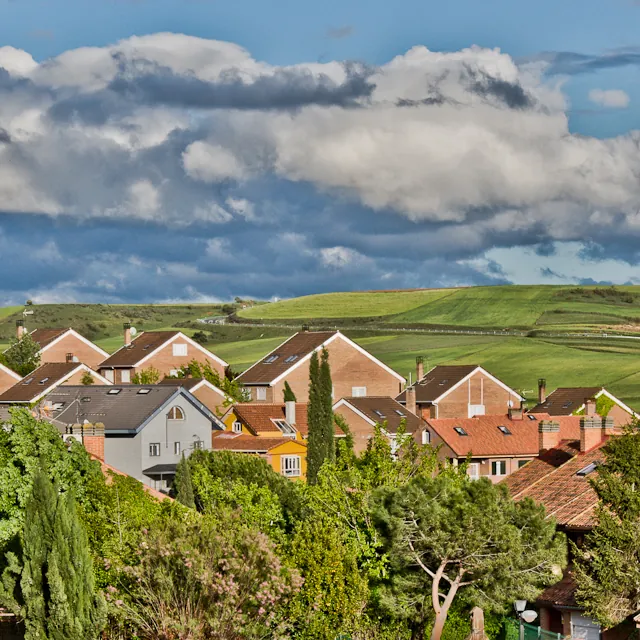
Walk five minutes from the last house and you're in proper Henares countryside. It's all wide-open skies and flat fields of cereal crops crisscrossed by dirt tracks. The Cañada Real Galiana, one of Spain's old livestock drove roads, runs through here. It's perfect for a flat, easy walk or bike ride where your biggest challenge is deciding which farm track to follow.
If you want a view for context, head to the nearby cerro del Ecce Homo (technically already in Alcalá's territory). From up there, you see how these villages are laid out: little clusters of houses sitting in a sea of fields, connected by straight roads. Come in spring when everything turns green and it makes sense why older folks still say "antes, todo esto era campo." Here, it still mostly is.
Tortilla debates and street-level bulls
If you want to understand local pride, be here during the tortilla de patata competition. Each cuadrilla (friend group) enters with their secret recipe theory—debating potato type, onion caramelization time, oil variety. The contest itself is almost an afterthought; the real action is arguing about who should have won for days afterwards.
The vaquillas are another fixture. This isn't Pamplona; it's more like a neighborhood party with bulls involved. The ring might be temporary barriers set up in a square. People wear matching group T-shirts, parents watch from behind fences while holding beers, kids run around pretending to be toreros. You get how it works within ten minutes of watching: it's communal, slightly chaotic family entertainment.
Getting there & what to do with an afternoon
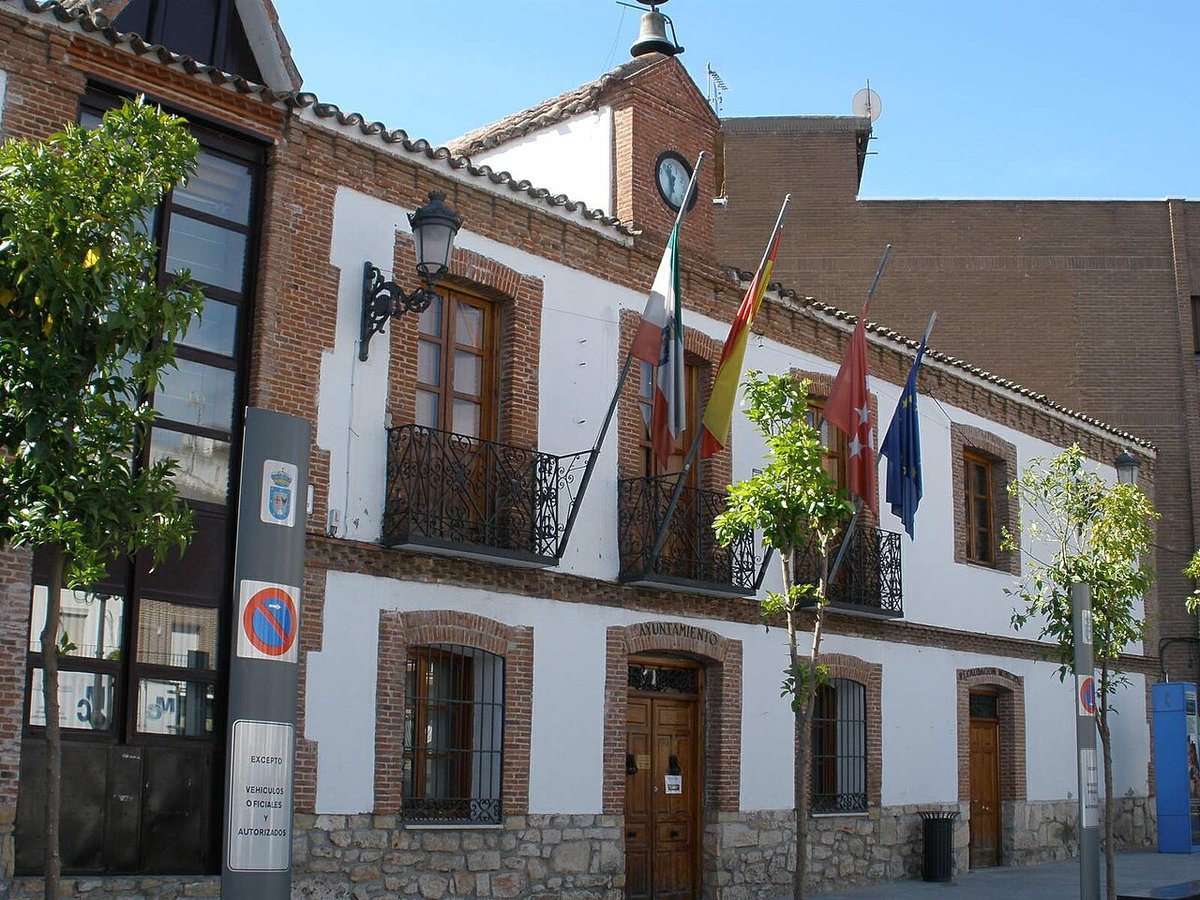
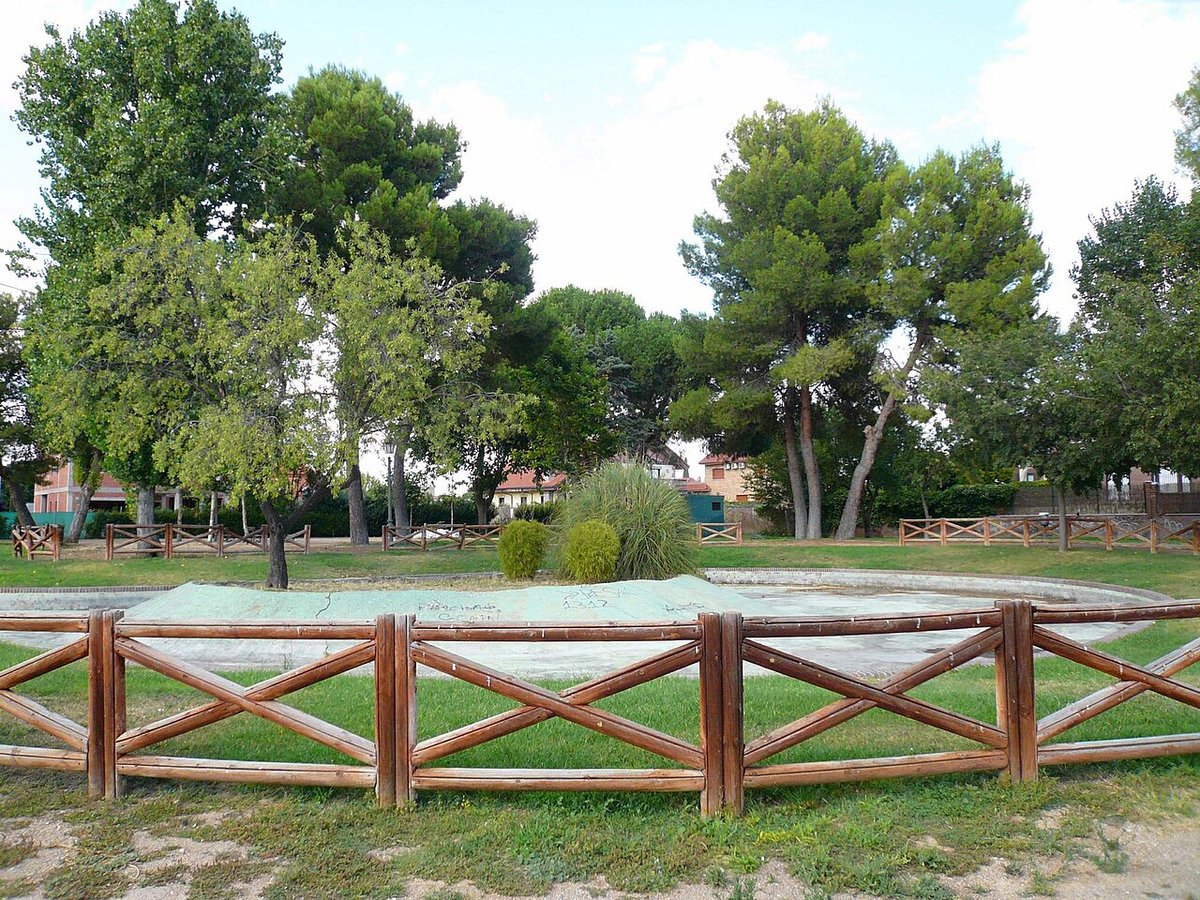
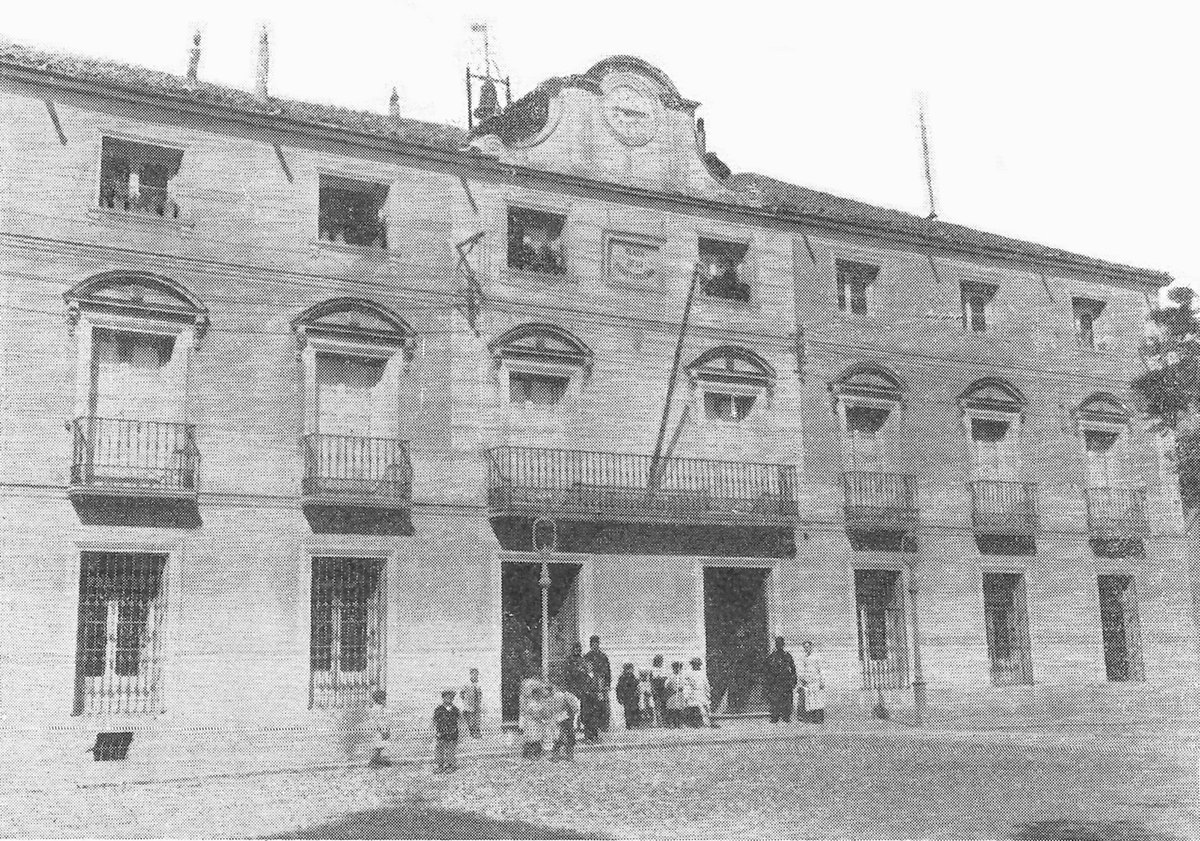
Camarma de Esteruelas sits in the Middle Jarama basin next door to Alcalá de Henares from Madrid take A-2 eastbound; drive time under an hour outside rush hour Parking near central Plaza de la Constitución church square easiest then continue foot From there wander past town hall down Calle Real towards old washhouse lavadero now turned into small park This isn't checklist tourism best approach slow stroll observe daily rhythms maybe coffee bar terrace if timing aligns local fiesta completely changes experience sometimes that's enough