Full Article
about Daganzo de Arriba
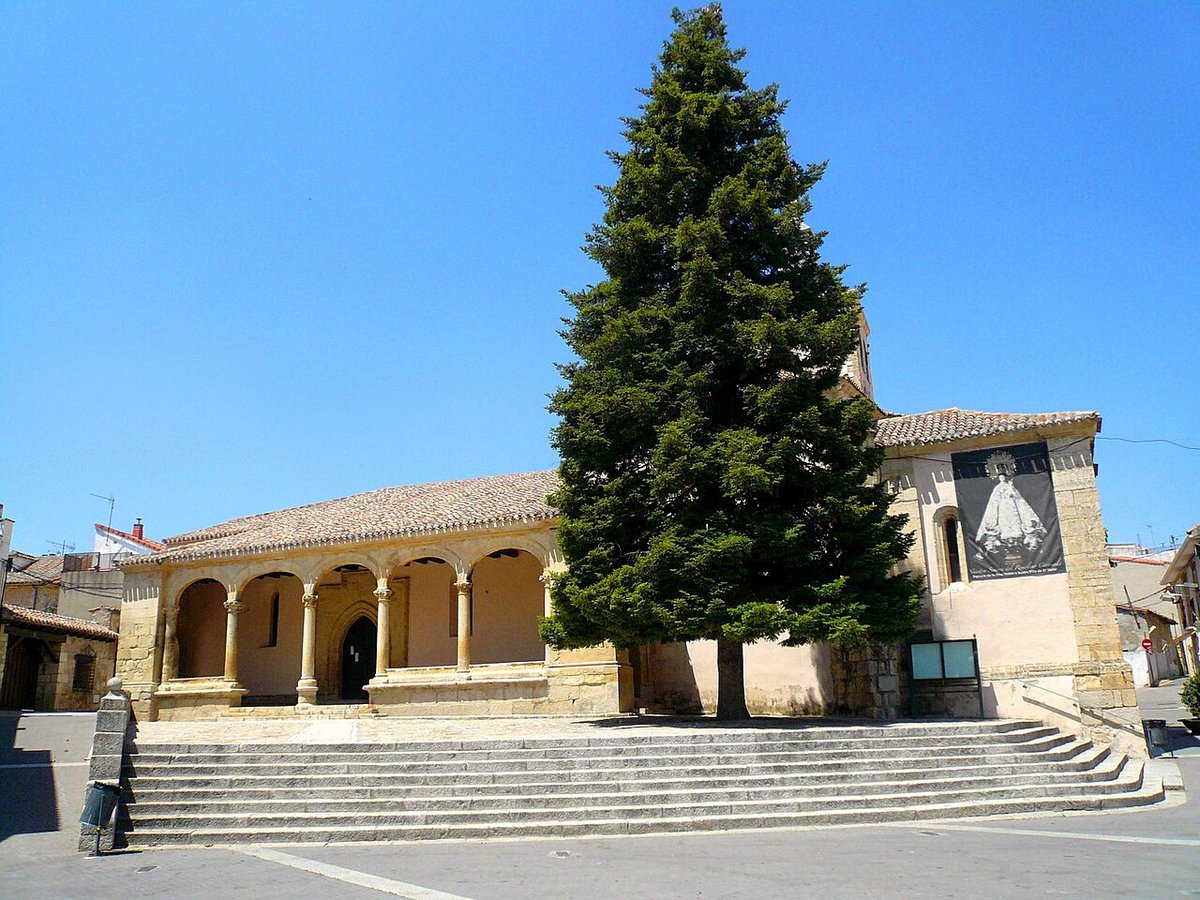
Expanding town that still has its historic church; set on a cereal-growing plain.
Hide article Read full article
Daganzo de Arriba: el pueblo que no esperabas a media hora de Madrid
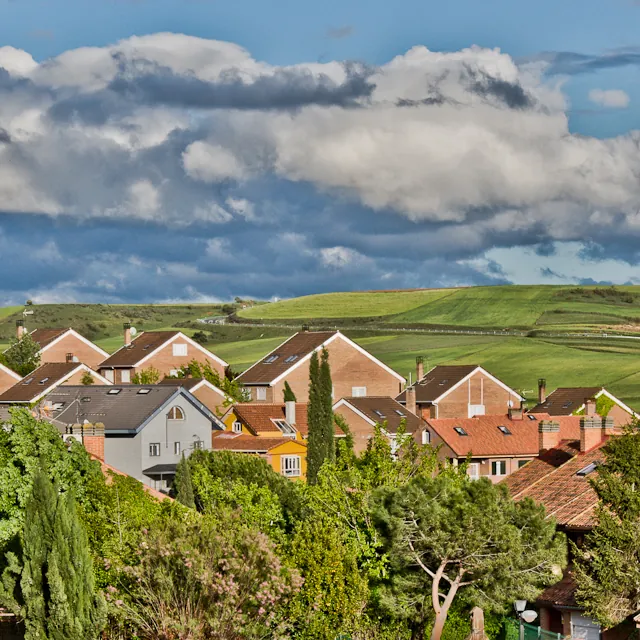
Llegas a Daganzo de Arriba pensando en un pueblo dormido y te encuentras con más carritos de bebé que en la puerta de un centro comercial un sábado por la mañana. Hay un instituto, parques que no están solo de adorno y un ritmo que no cuadra con la idea de "escapada rural" tal y como la venden. La primera impresión es clara: esto no es un decorado, es un sitio donde la gente vive, trabaja y cría a sus hijos. Y eso, curiosamente, le da un punto interesante.
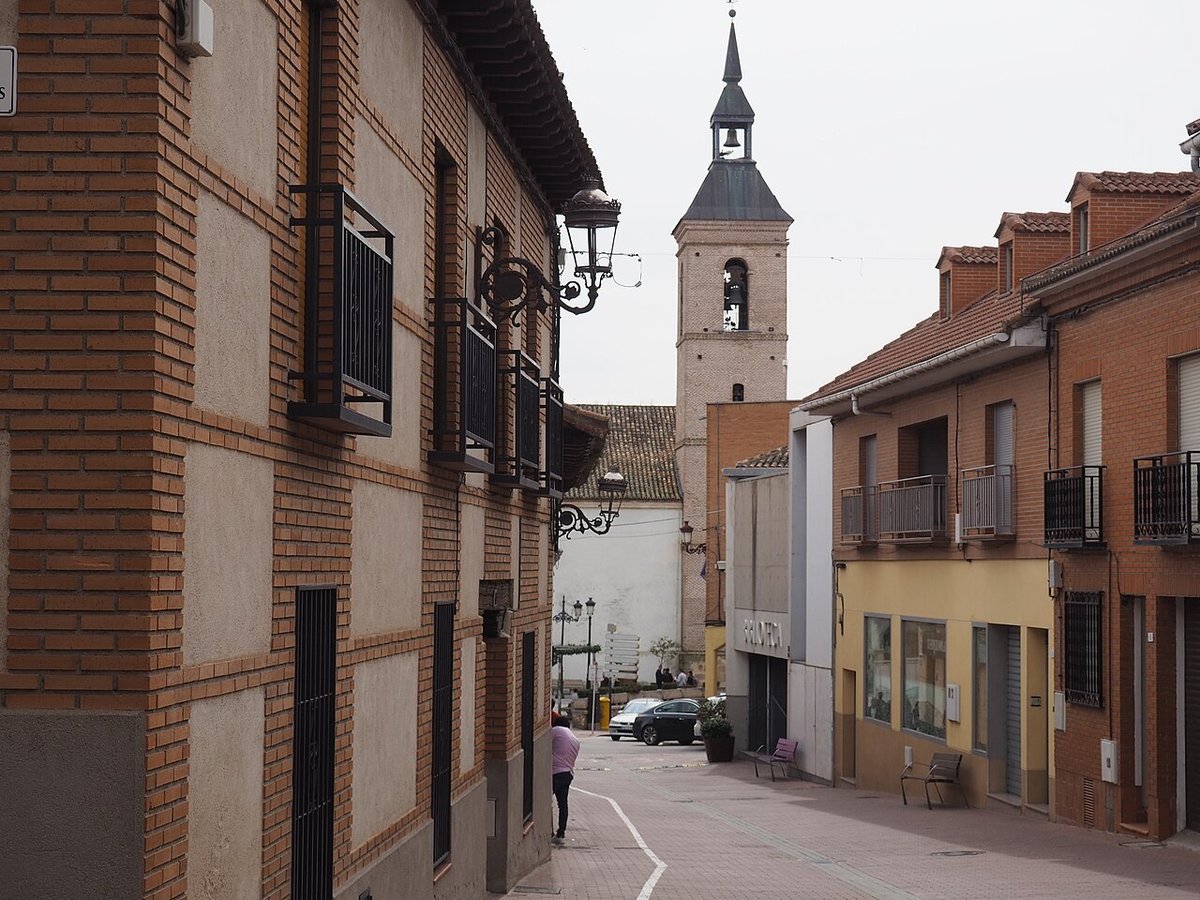
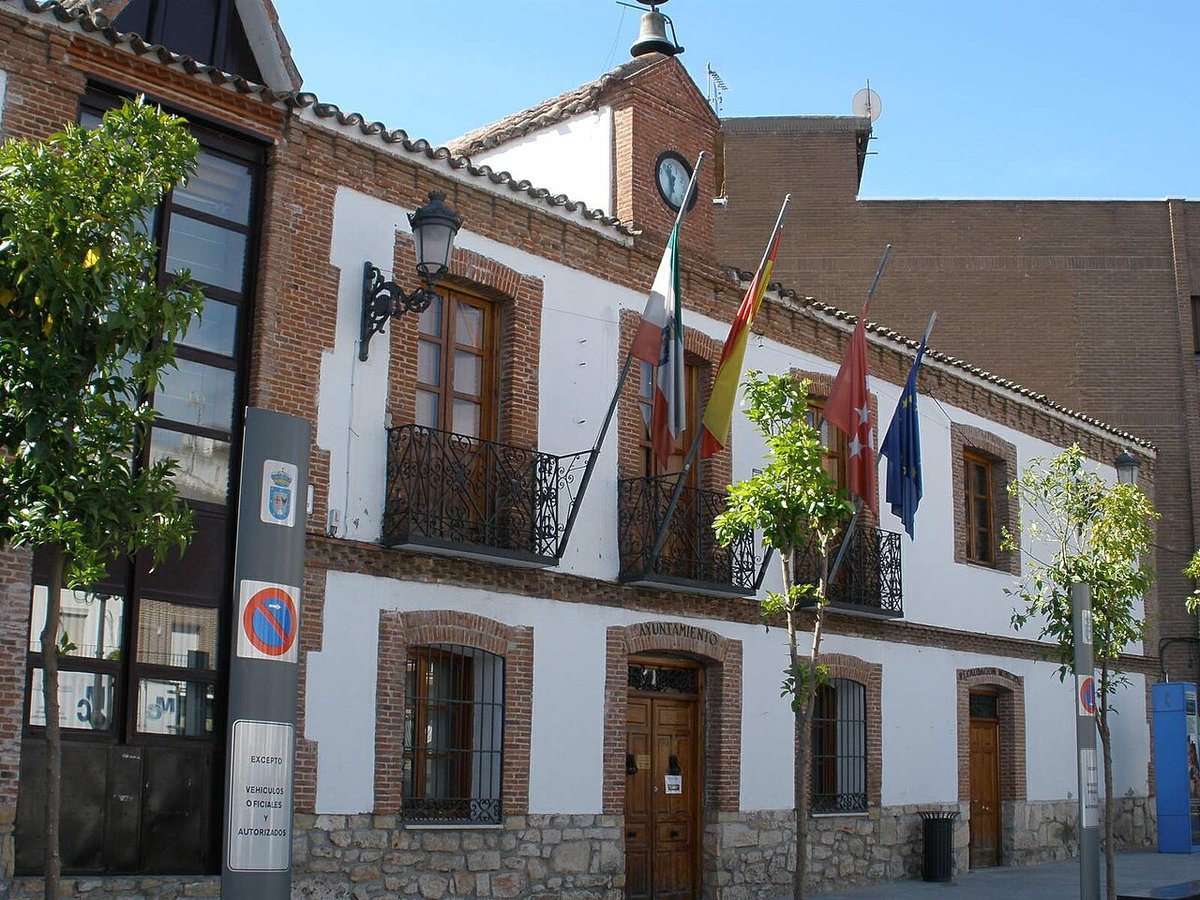
El centro tiene calles anchas, mucho ladrillo visto y árboles con más años que muchos de sus vecinos. La plaza principal es ese tipo de lugar donde se aparca un momento para comprar el pan, se cruzan dos palabras y se sigue con el día. No vas a flipar con la arquitectura, pero tiene una funcionalidad honesta. Sabes que estás en un pueblo de verdad cuando el sonido de fondo es el de los coches parando en el semáforo y no el del obturador de mil cámaras.
El cuento del globo y Cervantes
Daganzo lleva siglos contando una historia que parece un bulo: a finales del siglo XVIII, uno de los primeros globos aerostáticos que volaron en España acabó estrellándose por aquí. Nadie sabe muy bien por qué, pero el relato ha calado tanto que ya forma parte del carnet de identidad del pueblo. Es como esa anécdota familiar que se repite en cada comida aunque los detalles cambien.
Para rizar el rizo, Cervantes le dedicó una obrita corta, La elección de los alcaldes de Daganzo, donde se cachondea de cómo se elegía a los cargos públicos en la época. Leída hoy, suena a discusión de grupo de WhatsApp pero con pluma y pergamino. Pasear sabiendo esto le da otro color a las fachadas; es historia sin vitrina.
Semana Santa: el teatro del barrio
Si hay un momento en el que Daganzo cambia completamente es en Semana Santa. Montan la Pasión como una obra de teatro callejera: el público se queda quieto en medio y las escenas pasan a su alrededor. Lo que mola no es solo el formato, sino quién participa. Ves al dueño del taller haciendo de soldado romano, a una vecina como Verónica y a los críos ayudando con los cables o las túnicas.
No es un espectáculo para turistas; es algo que hace el pueblo para sí mismo. La sensación es la de colarte en una tradición muy propia. Eso sí, si quieres verlo, ve pronto o prepárate para buscar hueco entre mucha gente local.
Fiestas: toros, peñas y cordero hasta decir basta
Las fiestas grandes son en septiembre, alrededor del Cristo de la Luz. Ahí sí que se desmonta el Daganzo tranquilo: salen los encierros por la calle mayor, se forman las peñas con sus barras y la música sigue hasta horas intempestivas.
La comida juega en casa: cordero asado, migas, platos de cuchara cuando toca. No hay menús conceptuales ni reinterpretaciones. Es la cocina que ha habido siempre aquí, la que pide cerveza fría y pan para mojar. Puede que no te sorprenda, pero cuando te pones a comer entiendes por qué no han cambiado el guion.
Salir al campo sin complicaciones
Por los límites del pueblo salen varios caminos hacia el campo. No son rutas señalizadas con palitos ni tienen nombre bonito; son las veredas y pistas agrícolas de toda la vida que se meten entre campos de cereal y algún pinar disperso.
En diez minutos a pie pasas del último bloque de pisos al silencio solo roto por los pájaros o algún tractor a lo lejos. El paisaje es ese secarral ancho y abierto tan típico del interior madrileño. En verano, acuérdate del agua y una gorra; el sol pega como si tuviera algo personal contra ti.
Para ir sobre aviso
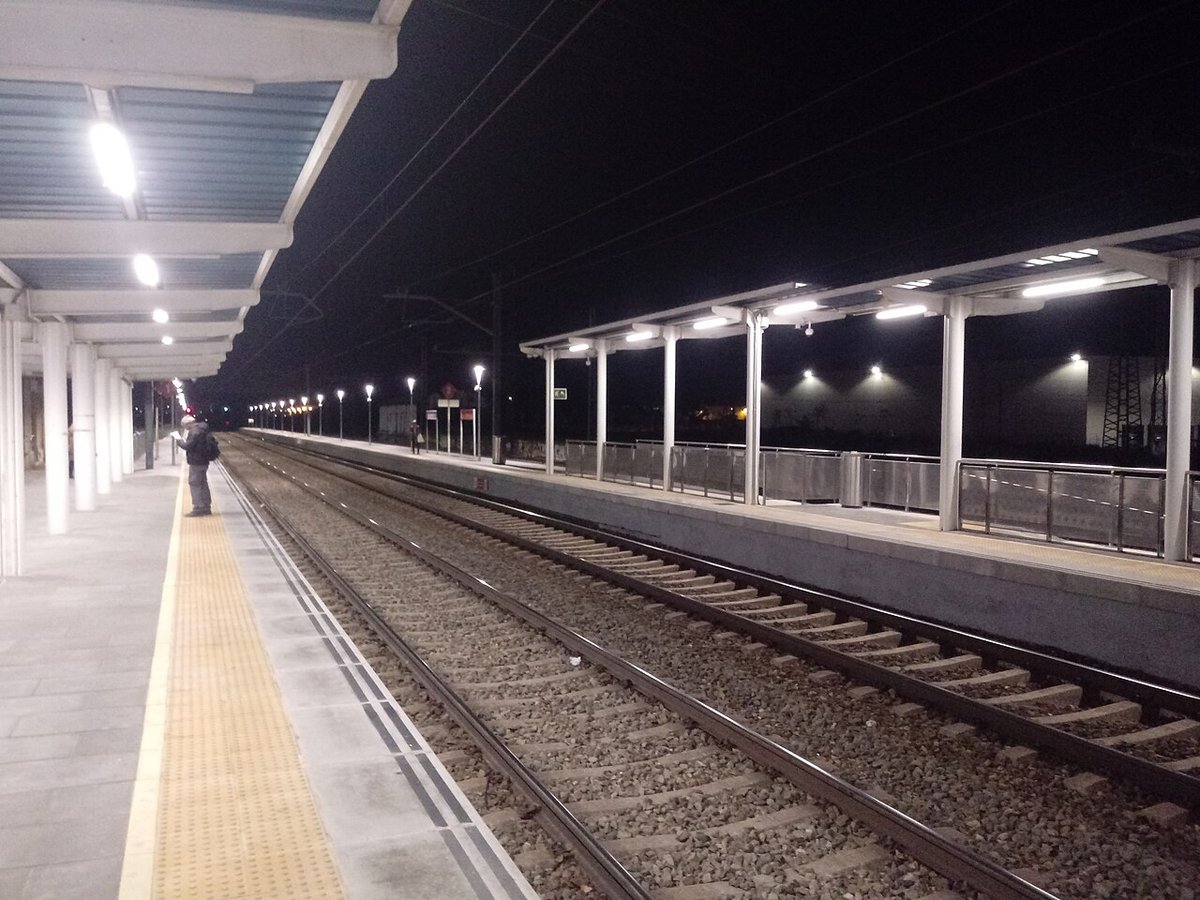
Llegar sin coche tiene truco: hay autobús desde Madrid (desde Plaza Castilla), pero los horarios son justitos si solo quieres dar una vuelta corta.
Pasear sin rumbo funciona bien aquí. Todo gira alrededor de la plaza principal y unas pocas calles aledañas.
Si coincides con fiestas (Semana Santa o septiembre), olvídate del silencio: habrá ruido, gente y ambiente hasta tarde.
Para comer o tomar algo, pregunta qué hay ese día. Los sitios suelen trabajar con lo fresco disponible; menús kilométricos no suelen ser buena señal.
Daganzo no va a ganar concursos ni aparecer en esas listas de "pueblos más bonitos". Y quizá esa sea su gracia: parece ese barrio donde siempre pasa algo sin necesidad de hacer cartel. No te va a dejar boquiabierto al llegar, pero si te sientas un rato en su plaza acabas entendiendo cómo funciona esto. Y para una mañana o una tarde fuera del ruido madrileño, eso ya es bastante