Full Article
about El Molar
Gateway to the sierra, known for its wine caves; Castilian cuisine and winemaking tradition
Hide article Read full article
There is a moment, just as you leave the A‑1 and turn off towards El Molar, when the landscape shifts abruptly. It is not an exaggeration. Within minutes, the noise of the motorway gives way to open fields and gentle hills. The change is subtle and obvious at the same time, like stepping out of a supermarket and suddenly catching the smell of a nearby bakery. You may not pinpoint exactly what has altered, but the atmosphere feels different.
Tourism in El Molar revolves around that contrast. It sits very close to Madrid, yet the moment you step out of the car the tempo slows. The surroundings encourage you to take things more calmly, without much effort.
The hillside of caves
The first thing that stands out in El Molar is the hillside full of openings. There are many of them, scattered across the slope in a way that almost looks deliberate from afar, as if someone had spent years carving tunnels into the earth.
These are the cuevas‑bodega, caves dug by local residents more than a century ago to store wine and keep it at a steady temperature throughout the year. For a long time they were part of everyday life in the village. Some are still in use today, others remain closed, and a number have been adapted into picnic spaces or even garages. It is not unusual here to find a car parked inside a cave.
Walking through this area is a slow kind of plan, the sort that works best without a schedule. Dirt paths with a reddish tone wind between scattered olive trees, and doorways cut into the rock appear one after another. Each open entrance invites a quick look inside, the same quiet curiosity you feel when you notice an old storage room left slightly ajar.
A little higher up, there are the remains of an Andalusí watchtower. Do not expect a complete structure or anything imposing. What remains are ruins, though they help make sense of the hill’s long role overlooking the passage through the Jarama valley.
What ends up on the table
Coming to El Molar with the intention of eating lightly is, at best, optimistic.
One of the dishes that appears again and again in the area is gachas. For anyone unfamiliar with it, think of something between a thick cream and very soft crumbs, made with flour, garlic and paprika. It belongs to a kind of rural cooking designed to fill you up, the sort of food that made sense during long working days.
Then there is the chuletón a la brasa, a large cut of beef cooked over embers. It tends to arrive at the table taking up more space than expected. Thick meat, a sizeable bone, strong heat from the grill. There is nothing complicated about it, but when it is done well it explains why so many people make the trip here with food in mind.
To finish, simple sweets usually make an appearance. Rosquillas, pastas and similar treats are common, the kind you keep picking at while talking without quite noticing how many you have had. Many households still prepare them when the village festivals come around.
The Virgen del Remolino and the hilltop view
In El Molar, the Virgen del Remolino holds a place of particular importance. Locals treat her almost as if she were part of the town council itself. During the festivities, she is carried in procession up to her hermitage, which stands on a hill just outside the village.
The walk up is not especially long, but it has a steady incline. It begins gently enough, then halfway up it makes you reconsider whether breakfast was quite enough.
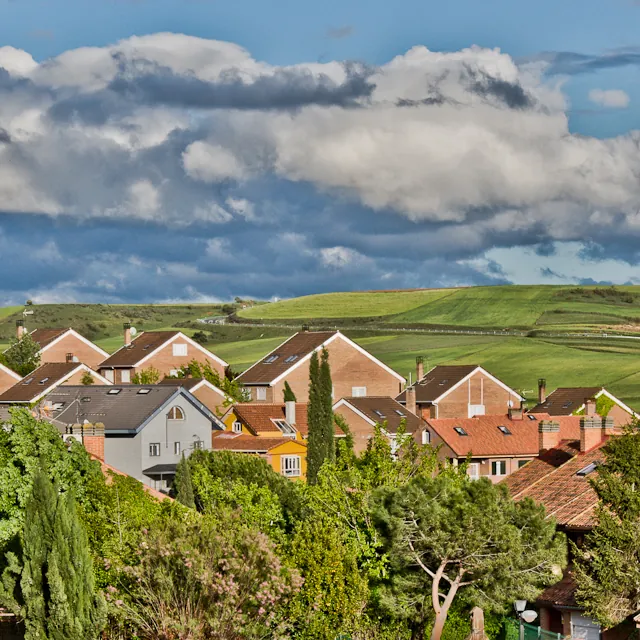
At the top, the view opens out across the whole village. Roofs, surrounding fields and the line of the valley stretching north all come into sight. It is the kind of place where people linger for a while, leaning on the railing and doing little else.
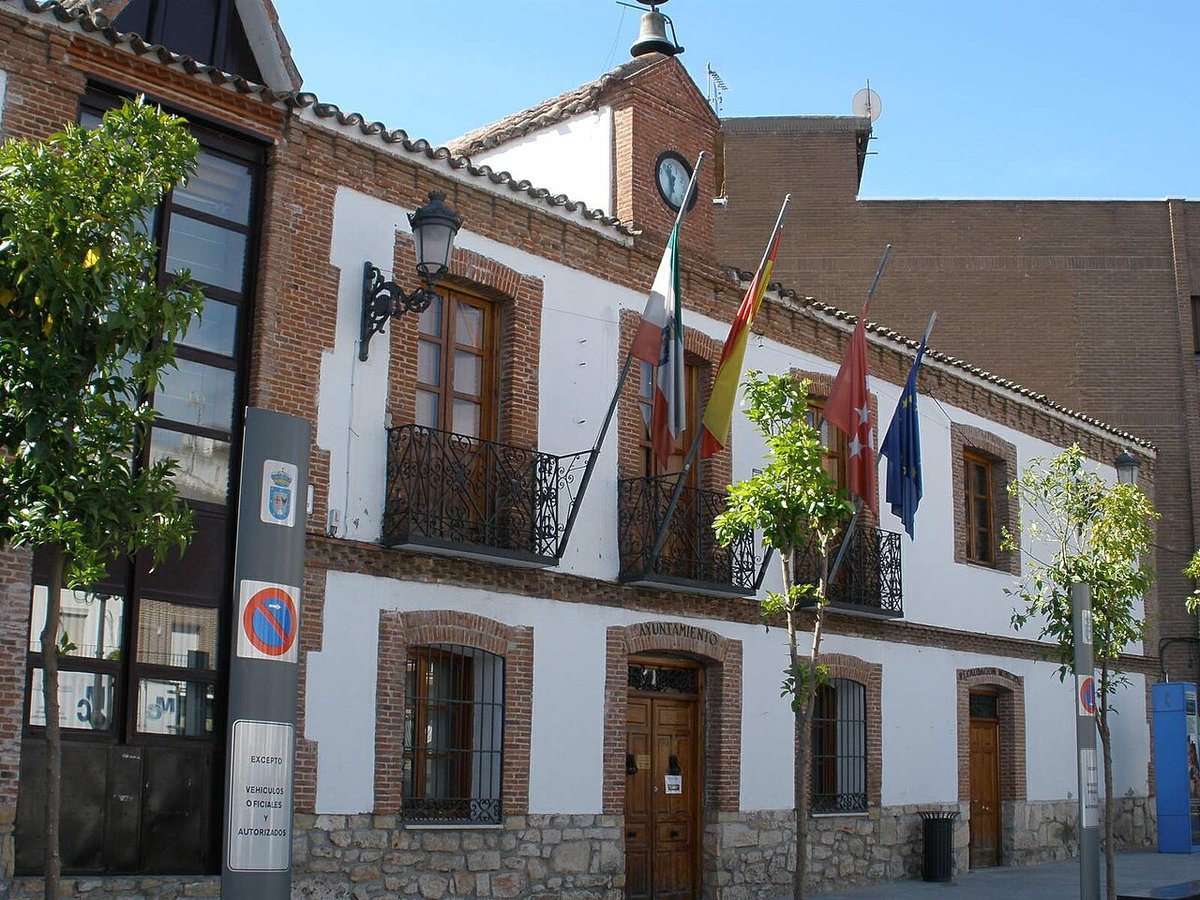
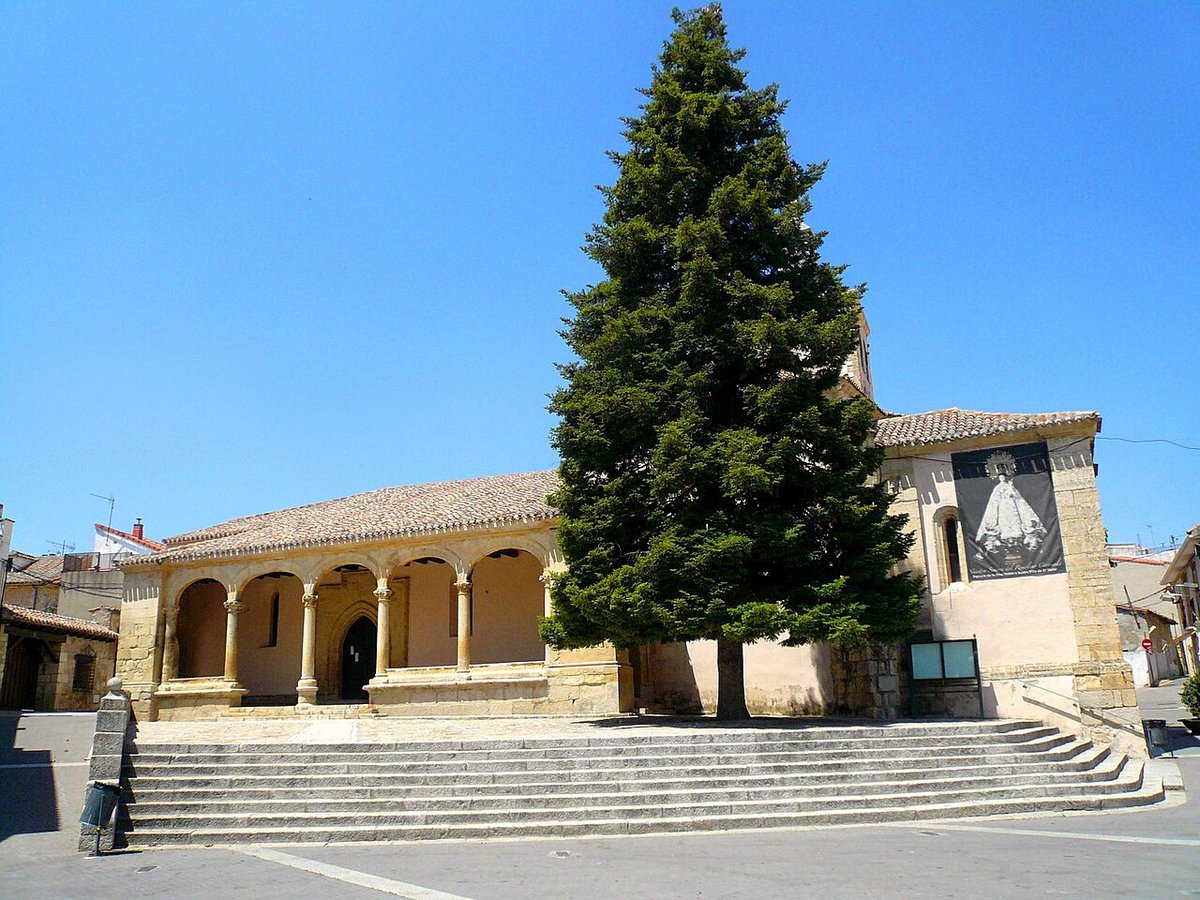
The parish church also has its own story. During the Spanish Civil War it suffered considerable damage. According to local accounts, it was the residents themselves who gradually rebuilt it, piece by piece.
A simple way to spend the day
El Molar is not a large place, and that is part of its appeal. In a single morning it is possible to walk through the town centre, head towards the caves and make your way up to the area of the watchtower or the hermitage.
If arriving from Madrid at the weekend, the return journey tends to make itself felt on the road. The A‑1 becomes noticeably busier in the afternoon. For that reason, it makes sense to set off early, spend some time walking among the caves, and then come back down into the village at an unhurried pace.
From time to time, small stalls or markets appear in the main square or nearby streets, especially on livelier days. They are worth a look if you happen to come across them.
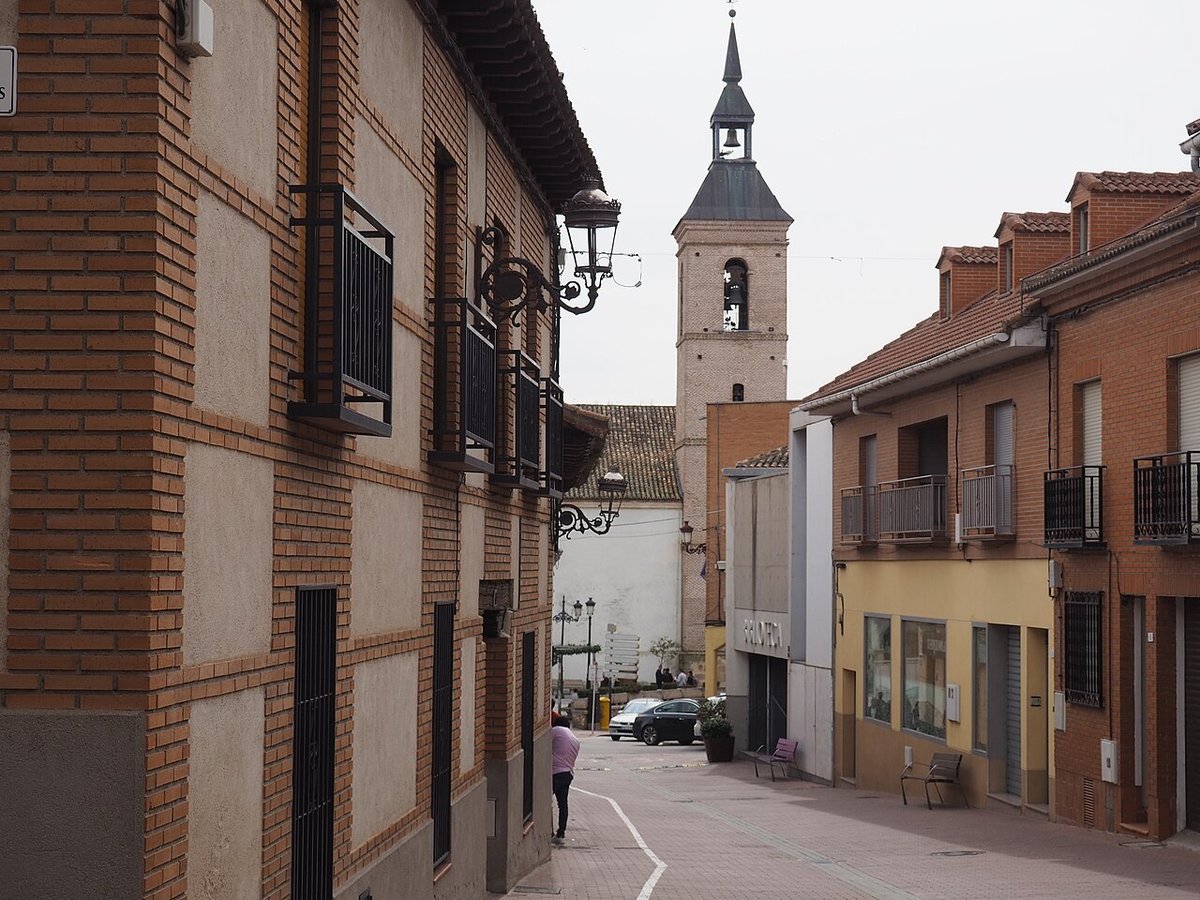
It is also worth leaving space for wandering without a plan. No map, no fixed route. El Molar works best like that: quiet streets, everyday life continuing at its own speed, and Madrid sitting, quite literally, half an hour away.