Full Article
about Fresno de Torote
Municipality that includes the Serracines development; noted for its Mudéjar church in the nearly abandoned old center.
Hide article Read full article
Crossing into a different kind of place
A crooked sign hangs from a lamppost at the entrance. It warns that the historic centre is private property. The message makes more sense once the arch is behind you. This, too, is part of travelling to Fresno de Torote.
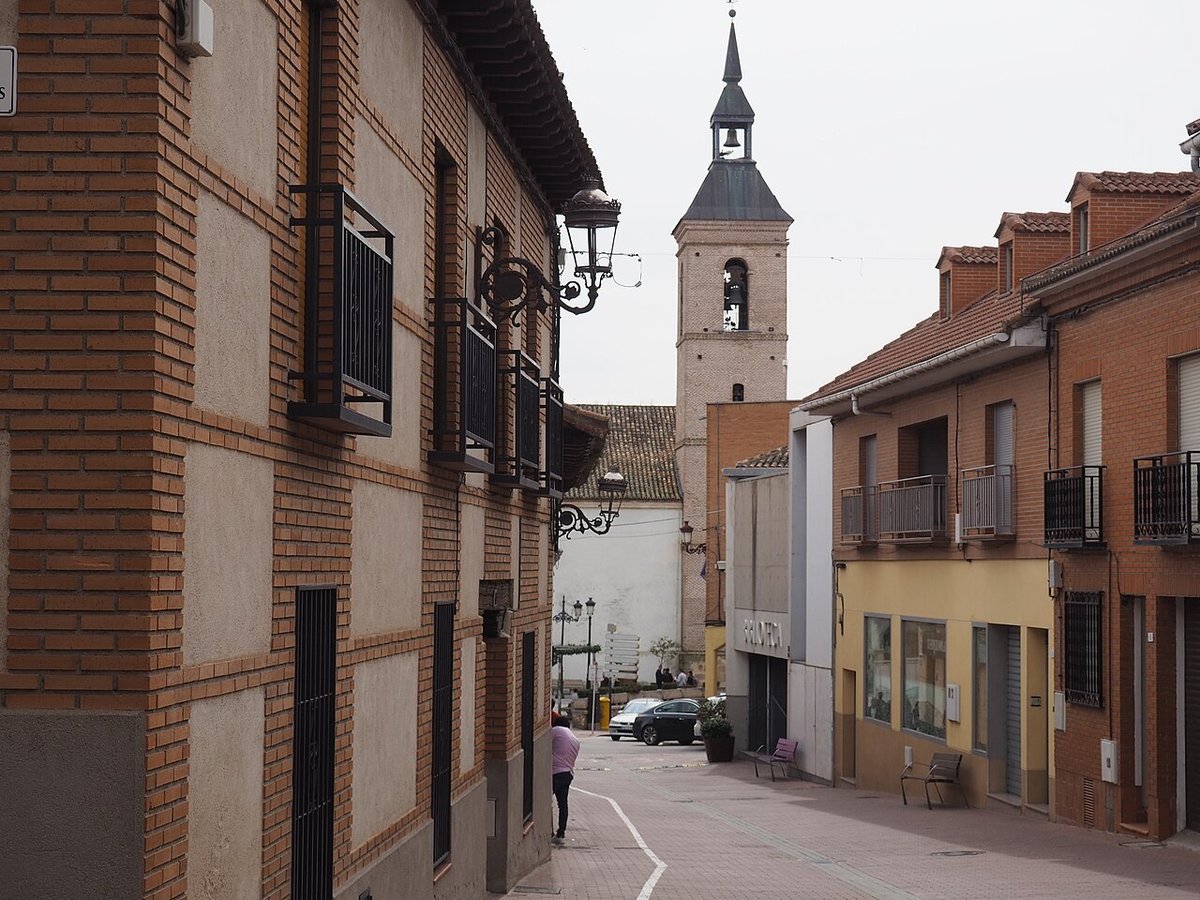
The houses are low, built from rammed earth and topped with clay tiles. Many are still standing, yet they are empty. There is no everyday noise, only wind moving across the square and the occasional footstep echoing along Calle de la Iglesia. Since the end of the 20th century, almost no one has lived in this part of the municipality. Today, most residents are based in Serracines, a few kilometres away.
Walking here feels unusual. The layout of the village remains clear, but the activity that once sustained it has shifted elsewhere.
A settlement shaped by land and power
Fresno de Torote began as a place tied closely to land ownership. In the mid-15th century, Íñigo López de Mendoza, marqués de Santillana, organised a small agricultural settlement here. The aim was practical: to ensure a steady workforce for cereal fields.
Homes were arranged around the church, following a pattern common across the Jarama countryside. The parish of the Asunción served both religious and social functions, acting as a focal point for the community.
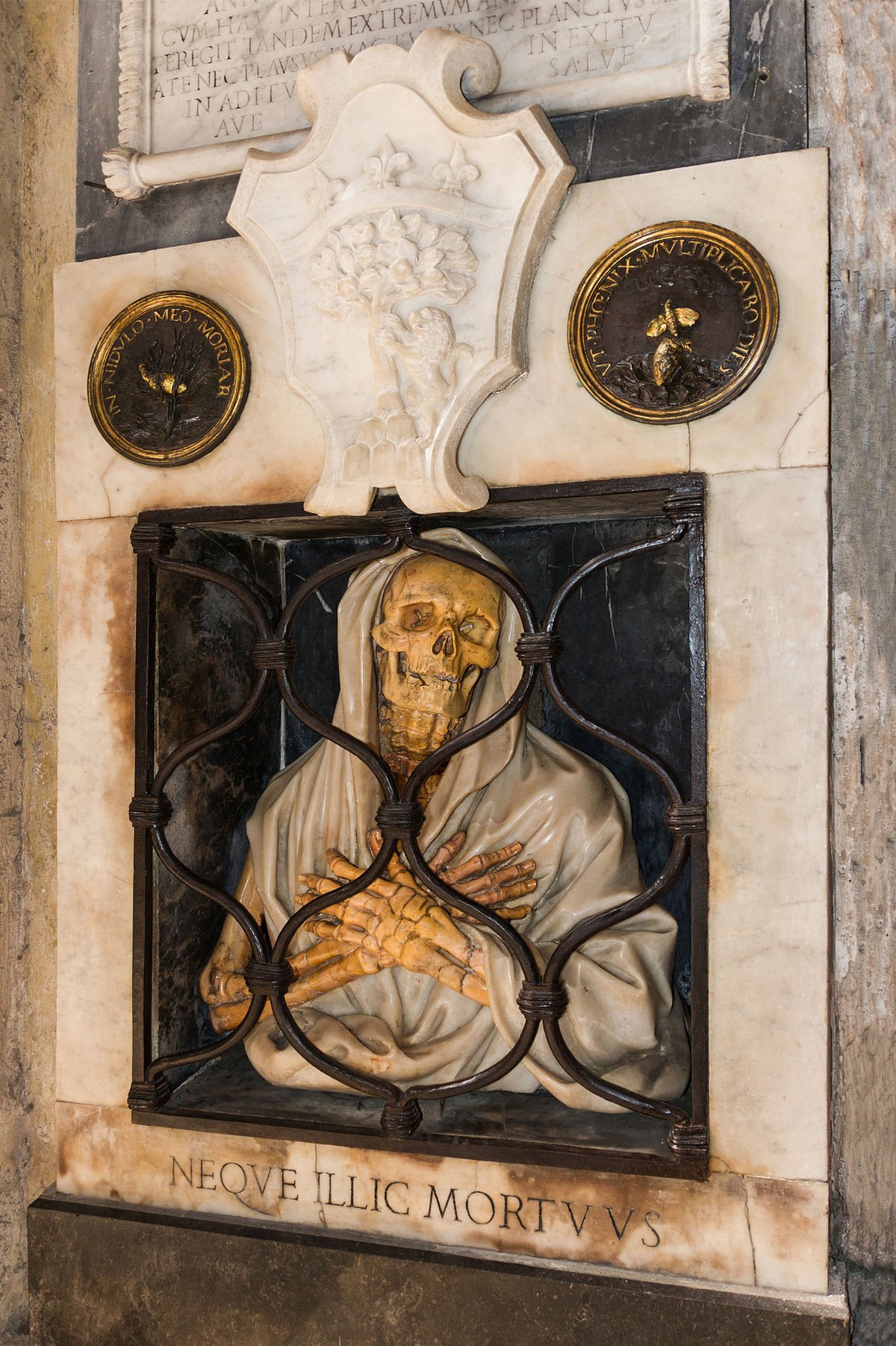
Over time, the village passed through different hands within the noble circles connected to the Mendoza family. Administration of the territory remained linked to agricultural and livestock income. Beneath the church, some members of this family were buried. During building works, remains associated with one of these figures were uncovered. The discovery supported a story long shared among local residents.
A historic centre that is still private
Fresno’s legal situation is unusual. Much of the historic centre and the surrounding land has belonged to a private estate for generations.
When feudal systems were dismantled in the 19th century, many rural properties changed status. Here, the transition followed a different path. The land remained tied to a large agricultural holding.
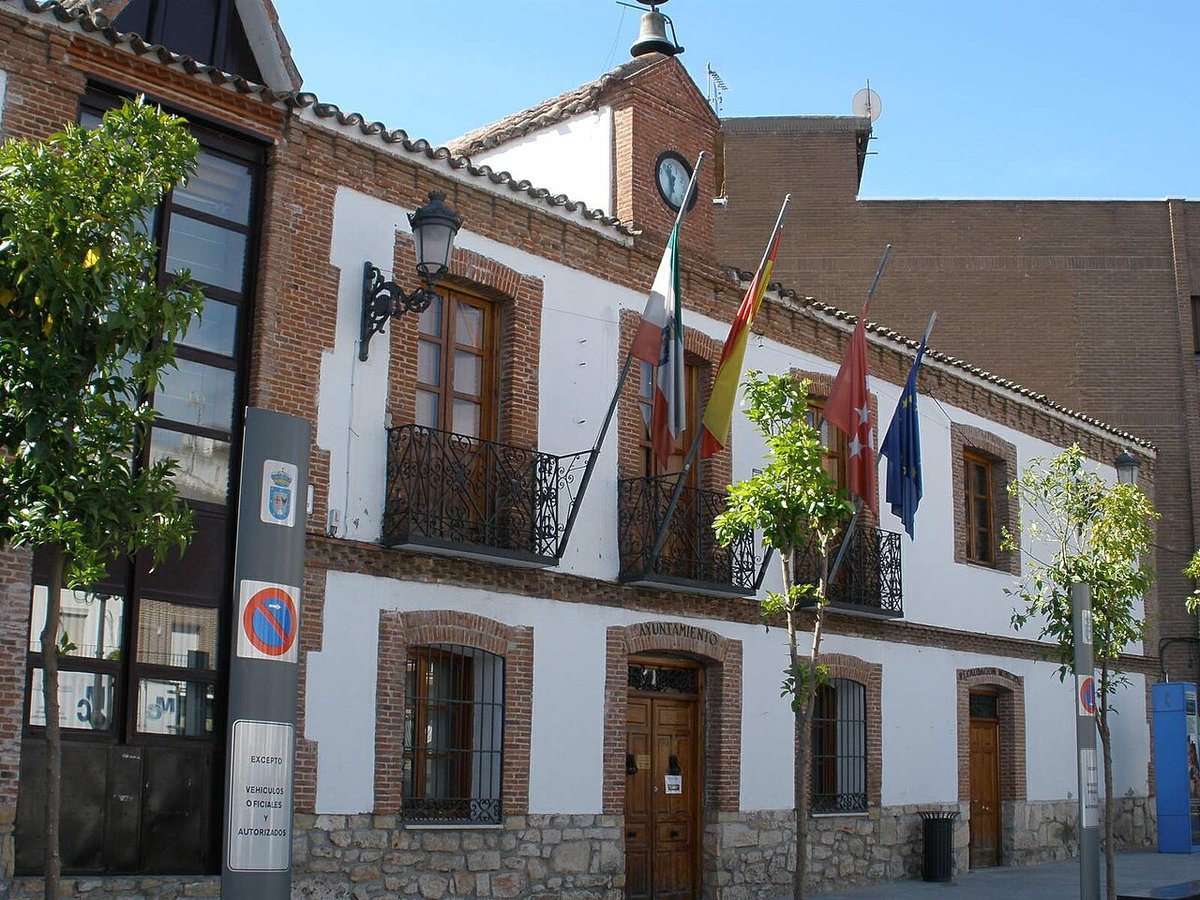
As a result, the old village does not function as a typical urban centre. There is no municipal activity within the historic area. Daily life in the municipality takes place in Serracines, where most people live.
This contrast explains the atmosphere when walking through Fresno. The street plan is intact, the buildings still define the space, yet there is an absence of the routines that once filled it.
Stories that linger around Fresno
Various stories have circulated around Fresno de Torote. One of the most frequently repeated connects the village to Francisco de Quevedo, a major figure in Spanish literature. Local tradition speaks of a cleric from the area who may have inspired one of his well-known sonnets. There is no document to confirm this link.
Closer to modern times, the surrounding landscape has been associated with hunting. During part of the 20th century, hunting estates operated in this area of the Jarama valley. Visits by public figures are part of local oral memory, although the details are not always clear.
These accounts form part of how the place is remembered, even if they remain difficult to verify.
Approaching Fresno today
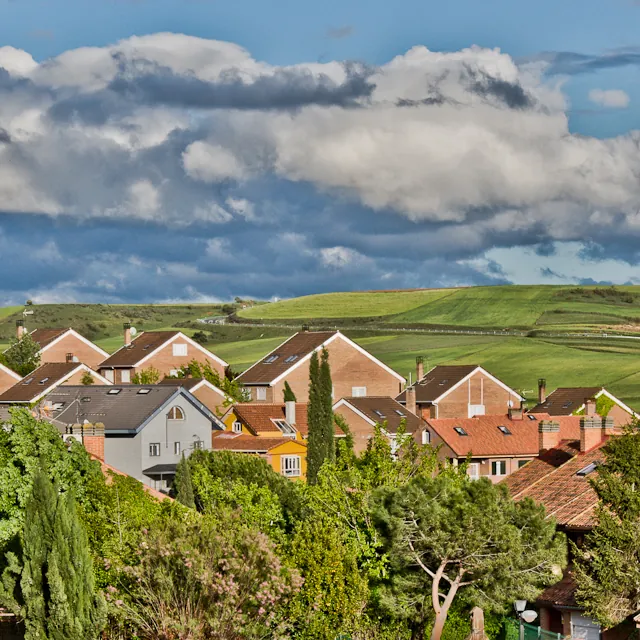
Fresno de Torote lies in the open countryside of the middle Jarama valley. The landscape is agricultural, with cereal fields dominating and some scattered olive groves.
The usual approach is from Serracines. A path leads out following the course of the Torote stream. The route is short and flat, entering the village from the lower side near the old washhouse.
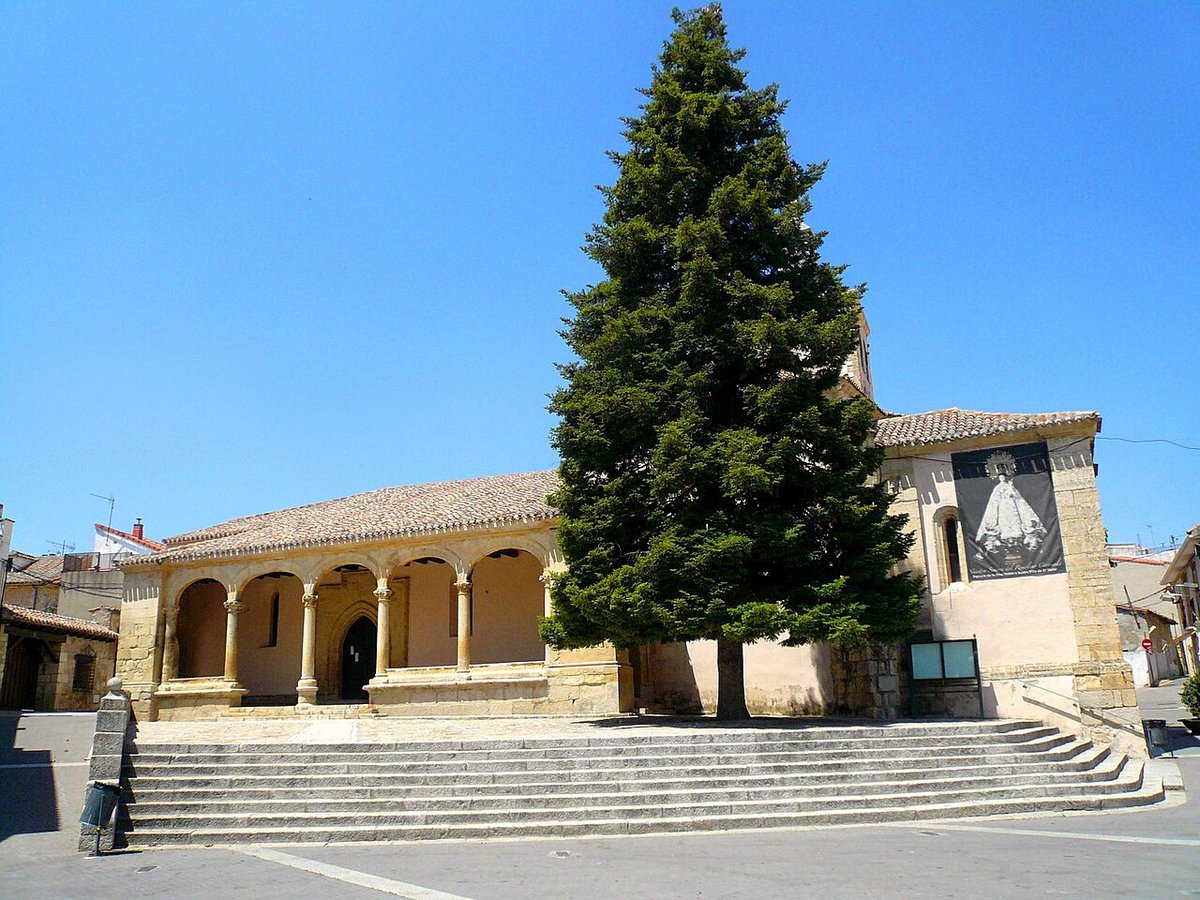
The church of the Asunción is the most visible building. Its volume stands over the small square, making it easy to grasp the scale of the former settlement. The interior is not always open, but the exterior alone gives a clear sense of its role.
Domestic architecture is worth close attention. Many houses retain rammed-earth walls reinforced with stone at the corners. The tiled eaves project noticeably, a practical solution to protect the walls from rain.
There are no services or shops in the historic centre. It is sensible to bring water and keep the visit brief and respectful. Fresno is best understood by walking slowly, noticing how the streets are organised and how the village once functioned as a whole.