Full Article
about Paracuellos de Jarama
Overlook above the airport and Madrid; blends residential areas with history
Hide article Read full article
A Turn-Off You Weren’t Planning
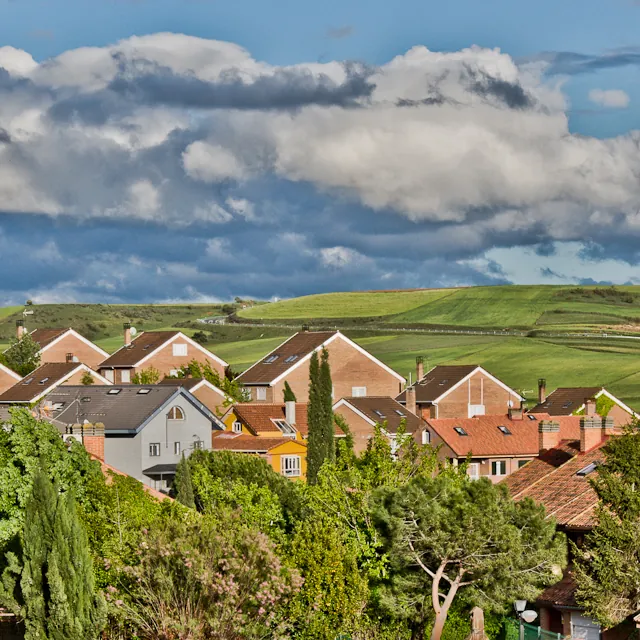
Some places are reached by accident. Paracuellos de Jarama is one of them. On the way to Madrid’s airport, you glance to the right, notice houses perched high on the plateau and think, “people actually live up there”. One day curiosity wins, you take the road uphill, and it turns out the town has more going on than it seemed from the motorway.
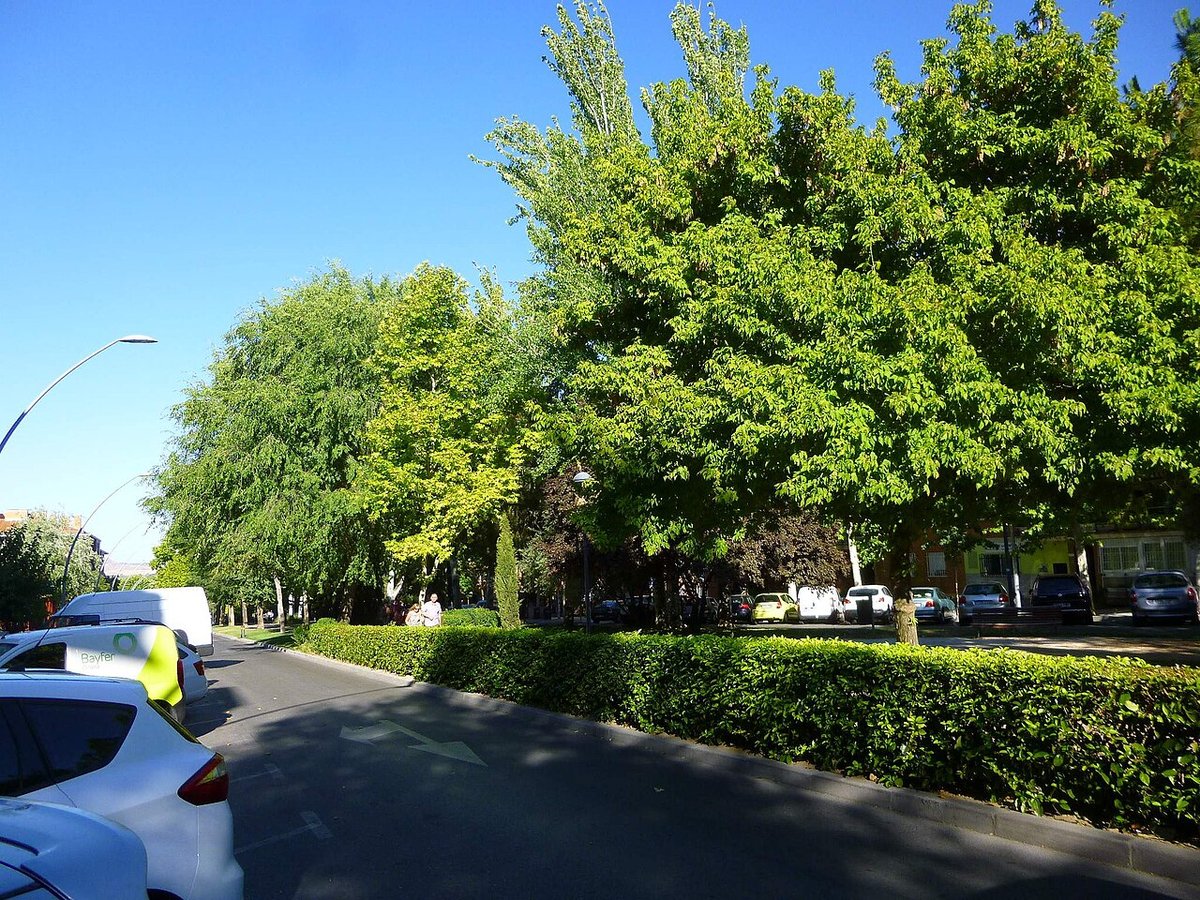
Perched above the Jarama valley, Paracuellos sits in that in-between space where the capital’s expansion has gradually edged closer. It does not make a dramatic first impression. You park and see relatively modern apartment blocks, a local supermarket, everyday life unfolding without much fuss. It is not the romantic image some expect when they hear “a village near Madrid”, and for some that is reason enough to turn back.
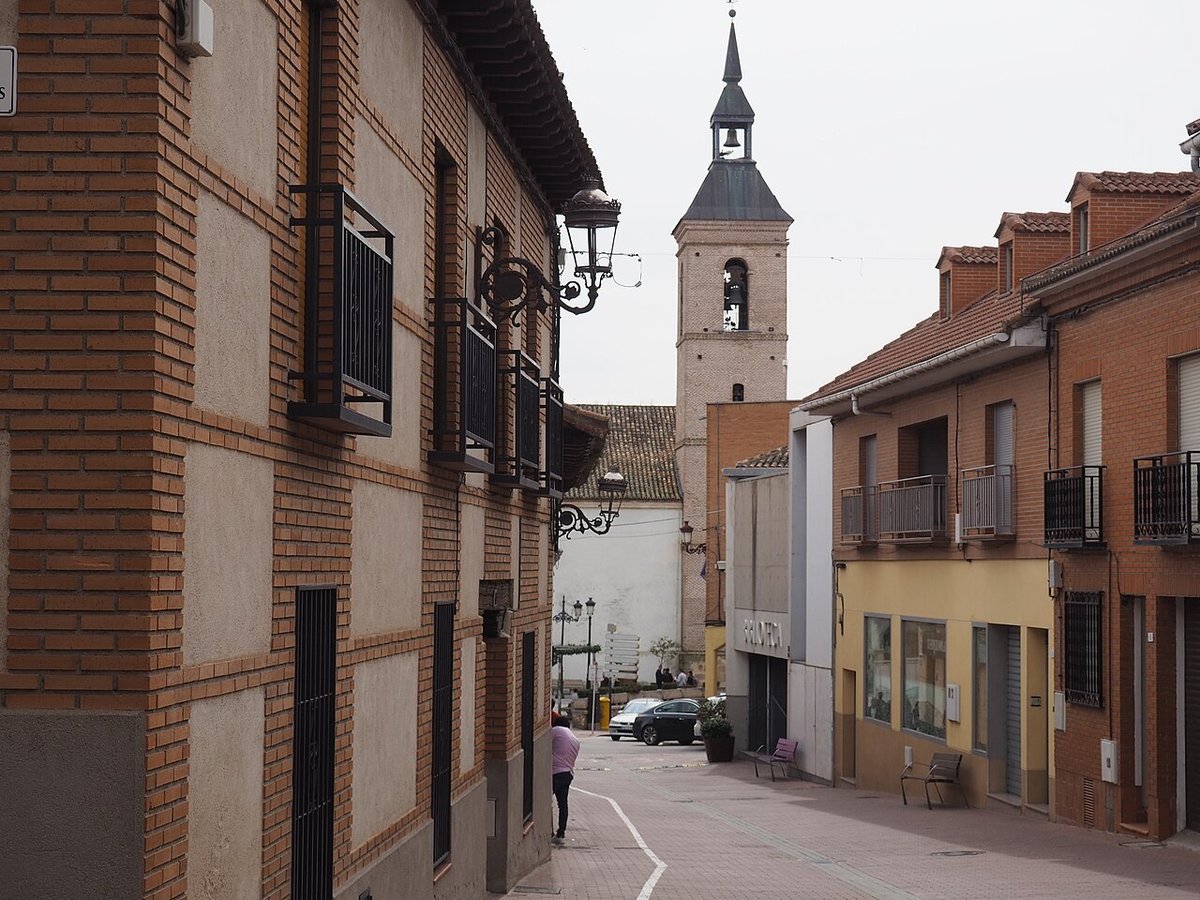
Walk towards Calle Mayor, though, and the atmosphere shifts. The historic centre is compact and easily covered on foot. There, rising quietly among the streets, stands the Iglesia de San Vicente.
San Vicente and the Old Quarter
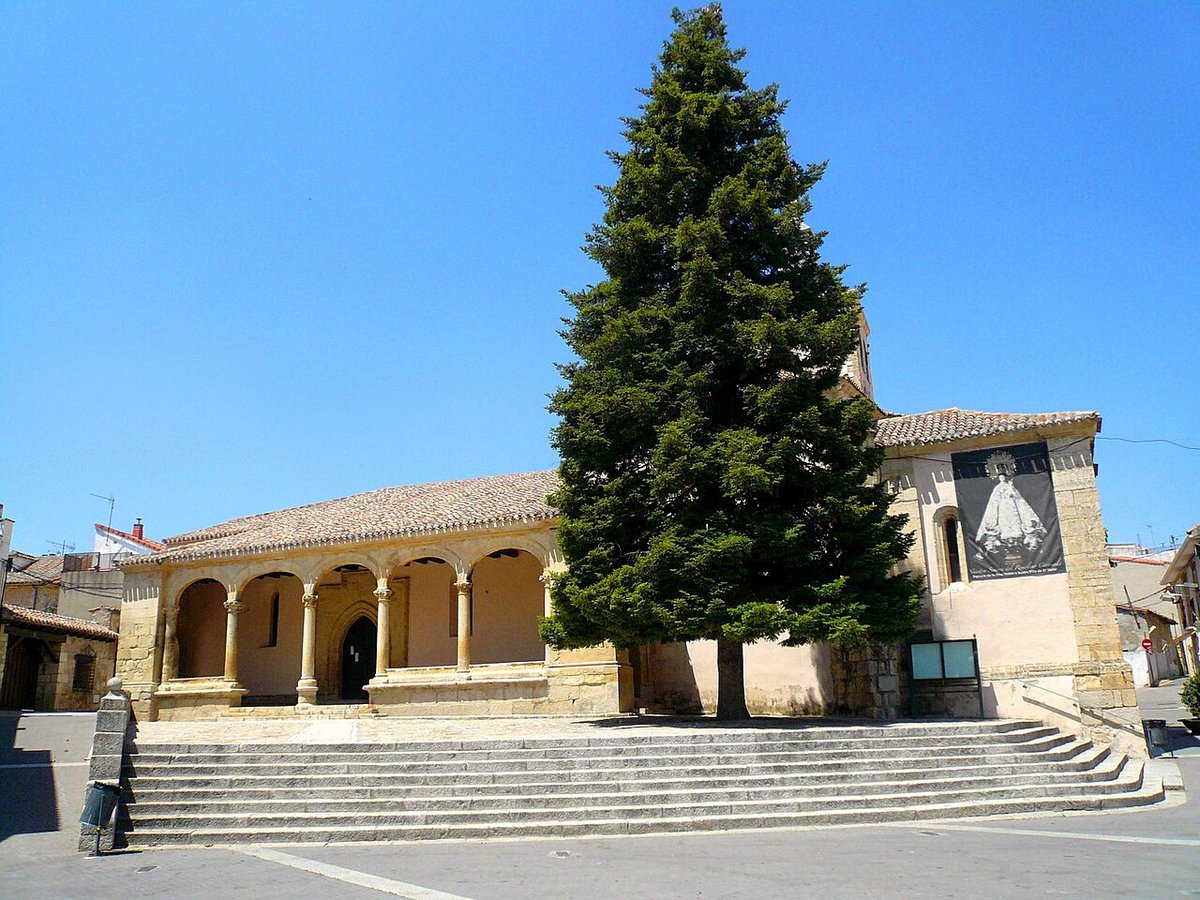
The Iglesia de San Vicente is sober and whitewashed, one of those buildings that seem larger inside than they appear from the outside. The current structure is usually dated to the 18th century, although a church has stood on this site for centuries. It is not a grand landmark that would justify a long journey on its own, yet it fits the scale and rhythm of the old quarter.
Step inside and there is the familiar scent of candle wax and old wood, the kind found in many parish churches across central Spain. Light filters in cautiously through the windows, so the interior keeps a gentle half-shadow even during the day. The effect is calm rather than theatrical.
Around the church, the historic centre unfolds in a few short streets. It does not take long to explore, and that brevity is part of its character. Paracuellos is not trying to overwhelm visitors with monuments. Instead, it offers a small cluster of spaces that make sense together: the church, the main street, a square where local life continues at its own pace.
From the upper edges of town there are viewpoints overlooking the Jarama valley. On clear days, the view stretches across much of the Henares corridor, a broad swathe of landscape that connects towns and farmland to the east of Madrid. Up here, the sense of height is constant. The plateau drops away and the horizon opens.
Belvis Lagoons and the Jarama Valley
The real surprise of Paracuellos lies less in its centre than in its surroundings.
Descending towards the valley of the Jarama, you reach the lagunas de Belvis. Their origin is prosaic: former gravel extraction sites that gradually filled with water over the years. What remains today is a chain of lagoons fringed by reeds, functioning as a modest refuge for birdlife.
The approach crosses open countryside. Fields of wheat, patches of turned earth, and, when the wind blows from a certain direction, the faint smell of nearby livestock. Then, almost abruptly, water appears among the reeds.
For those who enjoy birdwatching or simply walking without the constant background of traffic, the area has real appeal. Flamingos are sometimes spotted here, an unexpected sight just a few kilometres from Madrid. It is one of those contrasts that stays with you: tall pink birds standing in shallow water while, overhead, planes descend towards Barajas airport.
That sound is inescapable. Aircraft pass low, a distinctly 21st-century presence in a landscape that otherwise feels rural. Nature and air traffic share the same frame, neither quite cancelling the other out. The lagoons do not pretend to be remote wilderness. They are something more particular: a reclaimed industrial space turned into a pocket of biodiversity on the edge of a major city.
A Table Shared with the Locals
Paracuellos has held on to something that has thinned out in many towns around Madrid: places where local residents still gather to eat at the weekend. The atmosphere tends to be straightforward, with families and groups of friends meeting over long lunches.
A dish that frequently appears on tables is cordero lechal, roast suckling lamb. It is usually prepared simply, without elaborate garnish. The skin comes out crisp, the meat tender enough to fall away from the bone. It is the sort of meal that invites time rather than haste.
The safest way to choose where to eat is to watch what local people do. Walk around the square or nearby streets, look for long tables and family gatherings, and follow their lead. It is a method that rarely fails.
A Short Plan That Makes Sense
Paracuellos de Jarama works best as a short escape rather than a full weekend destination. It is more of a pause than a programme.
Arrive in the morning from Madrid. Wander through the historic centre, step into the Iglesia de San Vicente, and take in the viewpoints over the Jarama valley. If the sky is clear, the panorama across the Henares corridor adds depth to the visit.
Then head down towards the lagunas de Belvis for a walk. The paths through open fields and around the water offer a change of pace from the city. There is space to move, to listen, to notice small details.
Afterwards, settle in for a leisurely lunch. If the mood allows, stretch out the sobremesa, that extended time at the table after a meal that is so common in Spain, especially on Sundays. Many residents of Paracuellos follow exactly this rhythm.
Season makes a difference here. In summer the heat can be intense, as the plateau offers little shelter from the sun. In winter the landscape becomes drier and more stripped back. Spring and autumn are generally the most comfortable times for walking in the area, when temperatures are milder and the countryside feels more forgiving.
By the end of the day, Paracuellos de Jarama reveals its character almost quietly. It does not try to impress or compete. It sits high on the plateau, looking out over the valley and listening to the steady approach of aircraft. For a brief stop that combines open views, a modest historic centre and an unexpected wetland, that is often enough.