Full Article
about San Agustín del Guadalix
A modern municipality that preserves a valuable natural setting along the Guadalix River.
Hide article Read full article
A sign on the way in reads “San Agustín del Guadalix, 33 km from Madrid”. That number always feels slightly deceptive. You’re barely half an hour from the Gran Vía, but you can feel the shift before you even park the car. Conversations spill out of bar doorways, people take their time with a coffee, and that Madrid buzz just dissolves. It’s the kind of place you drive to for a morning walk and a proper lunch before heading back.
Un pueblo que ha crecido sin borrar del todo su pasado
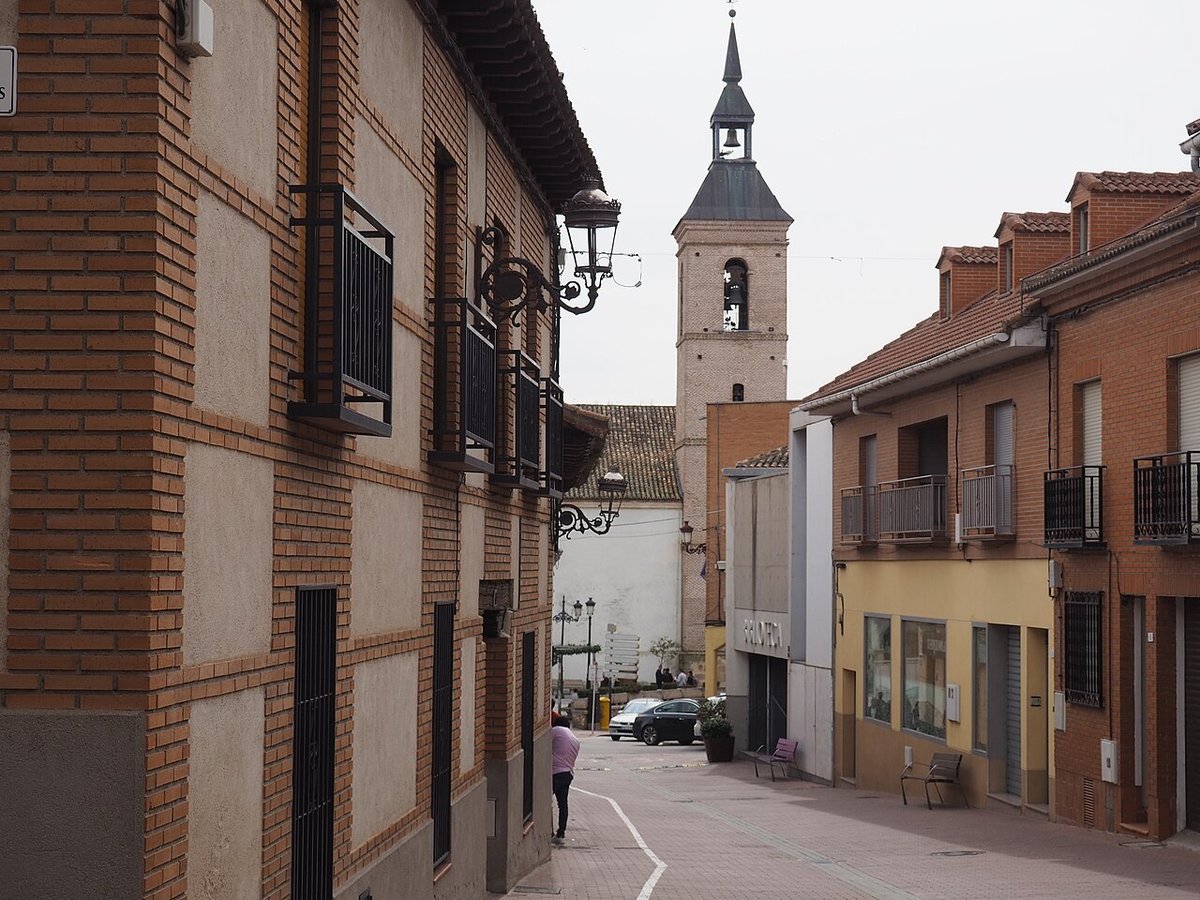
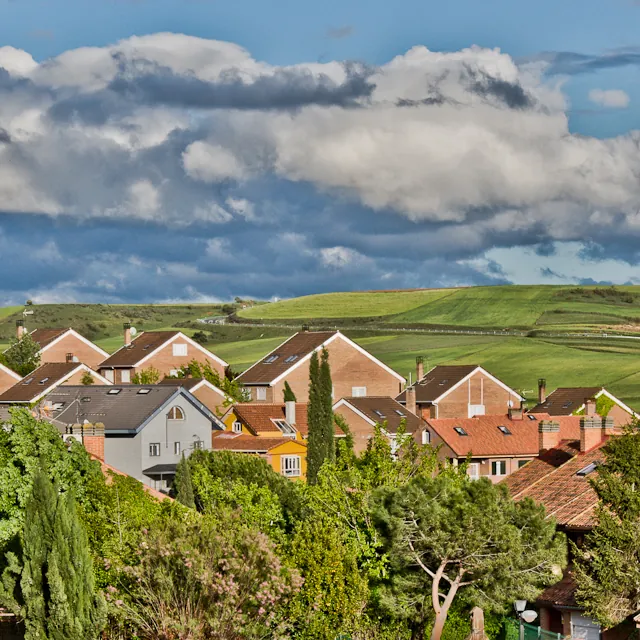
San Agustín has ballooned past thirteen thousand people. You see it in the newer barrios. But then you turn a corner and find yourself among low houses and quiet streets where you can actually hear yourself think. You’re not in the deep sierra, but you’re not in that endless brick-and-tile sprawl of the outer suburbs either. It sits in a middle ground where you can still spot vegetable plots and dirt tracks between developments. It feels lived-in, not staged, which is probably why so many madrileños keep coming.
Acueductos de ladrillo y un río con nombre árabe
Ask about a walk here and they’ll point you to the old Canal de Isabel II aqueducts—the Acueducto de la Retuerta and the Acueducto de la Sima. Don’t expect Roman grandeur. These are modest, nineteenth-century brick structures that look like giant Lego pieces left in the fields. Their charm is in their simplicity. You can follow a flat, easy path from one to the other; it’s the definition of a low-effort stroll, perfect with kids or a dog.
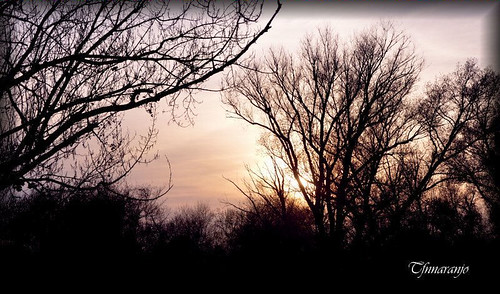
The path runs near the Guadalix river. The name comes from Arabic, something like “river of the alders,” and when you see the trees crowding its banks, it fits. The water moves quietly here, and on the path you hear bicycles and footsteps before you see them. It’s peaceful in a way that makes those 33 kilometers feel like more.
Fiestas donde los niños corren primero
The big patron saint festivities hit in late August. They have that mix of everything you’d expect in a town this size: processions, verbenas, and bull runs. But they do something that catches your eye: an encierro infantil. Kids get to run first, chasing after small cattle or wheeled mock bulls while parents watch from behind barriers. It feels like a rite of passage everyone remembers. Later, the adult encierros take over and the mood shifts entirely.
Come spring, there’s usually the Romería de la Virgen de la Soledad. Think less solemn pilgrimage, more massive family picnic with a religious procession moving through it. You’ll see mantillas, generations walking together, and folding tables set up along the route with enough food for a battalion.
Una iglesia con más historia de lo que parece
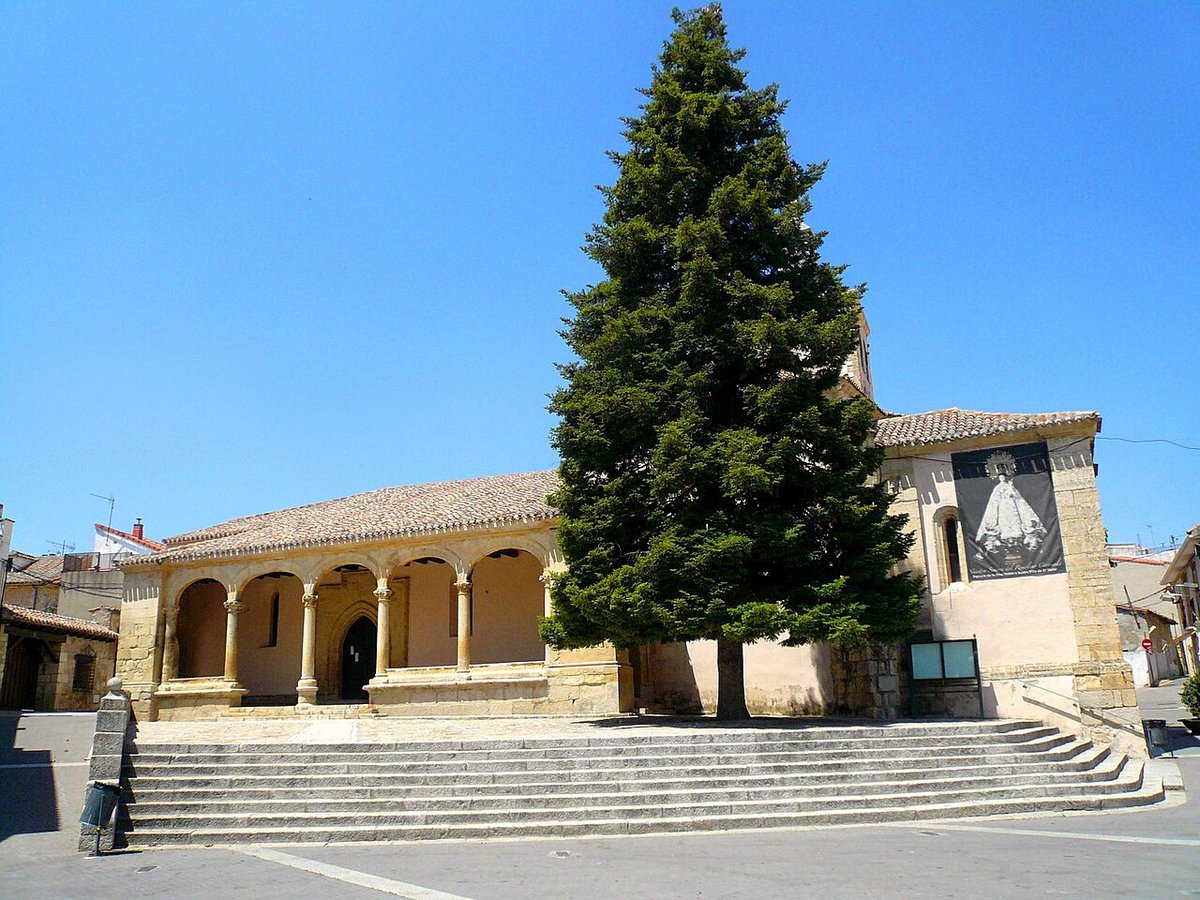
From the outside, the parish church is… solid. Not much more. Its story is what gives it weight. It was badly damaged by fire during the Peninsular War and sat neglected for over a century until architect Luis Moya Blanco rebuilt it mid-1900s. That explains its cleaner, more modern lines compared to typical Castilian churches.
Step inside though, and that changes. The air smells of old wood and candle wax—that heavy quiet of a place that’s seen countless baptisms, weddings, and funerals. For locals here awhile, it holds layers of memory no grand cathedral could match.
Comida sin florituras
Don’t come looking for culinary innovation. The food here walks a straight line: spoon dishes, hearty stews (cocido), callos, and roasts when it’s cold out. Portions are generous in that way that makes you ask for more bread without thinking twice. It’s classic, unfussy cooking that hasn't changed much in decades—and for many people driving up from Madrid, that’s exactly the point.
Cómo llegar y cuándo ir
It's straight north up the A-1 motorway; an easy drive that makes a morning trip logical. Buses from Madrid also stop here regularly. A word on timing: summer here can be brutal—open terrain with sun beating down relentlessly. Spring or early autumn are smarter for those riverside or aqueduct walks.
San Agustín del Guadalix isn't going to win any awards for most spectacular pueblo near Madrid. What it does offer is straightforward: accessible countryside, uncomplicated walks, and proof you can leave the city's rhythm behind without a marathon drive. Come for a few hours, walk off a big lunch, and drive back feeling like you've had a proper change of air. Sometimes, that's all you need