Full Article
about Valdeavero
Municipality on the border with Guadalajara; it has a Baroque palace and farmland.
Hide article Read full article
Where the landscape sets the tone
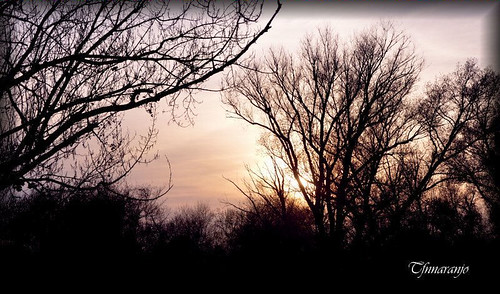
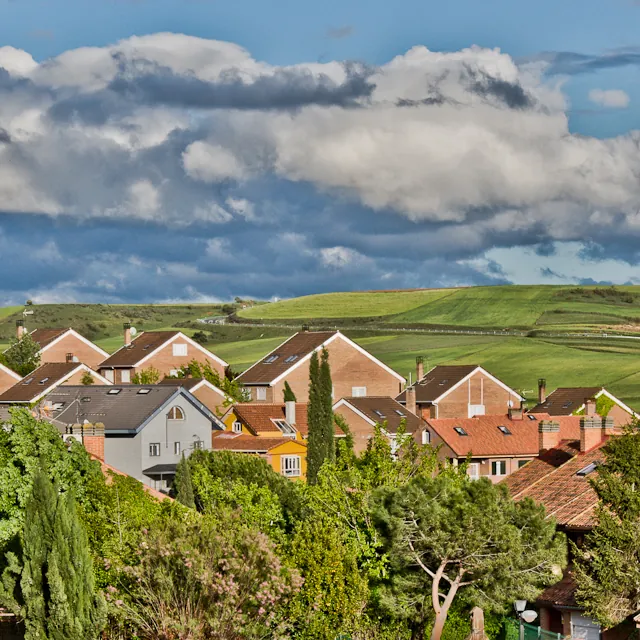
At around 716 metres above sea level, Valdeavero sits in a stretch of open countryside where the smell of damp earth and ripening grain drifts through the air at certain times of day. It tends to happen as the sun lowers over fields of wheat and barley, softening the light and flattening the horizon. That moment captures what tourism in Valdeavero is really about. It does not begin with a landmark or a main square, but with the plain that surrounds the village.
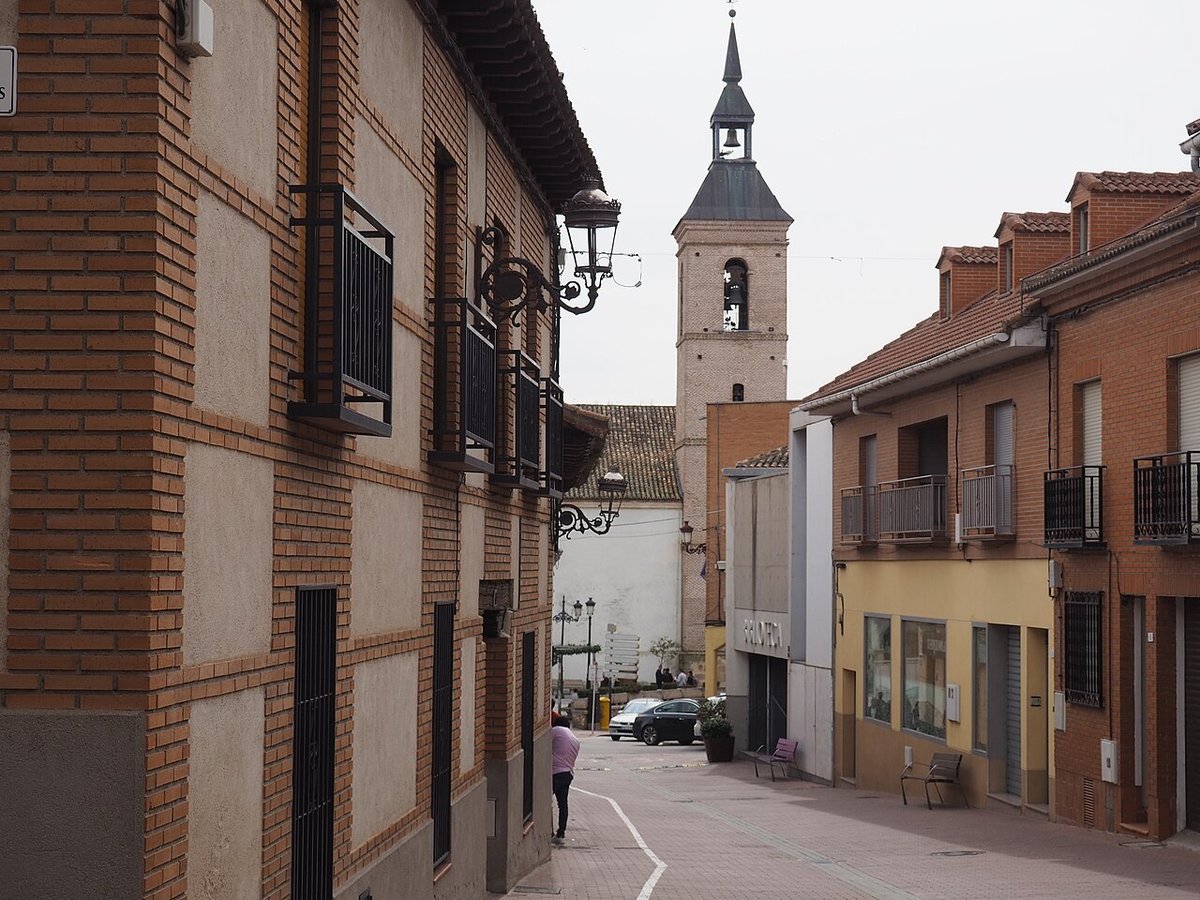
From the road, the built-up area appears almost unexpectedly, tucked into a bend in the landscape. Houses of brick and stone rise to modest heights, and the streets feel as though they have evolved gradually rather than following a strict plan. The overall impression is shaped as much by the fields as by the village itself.
A village shaped over time
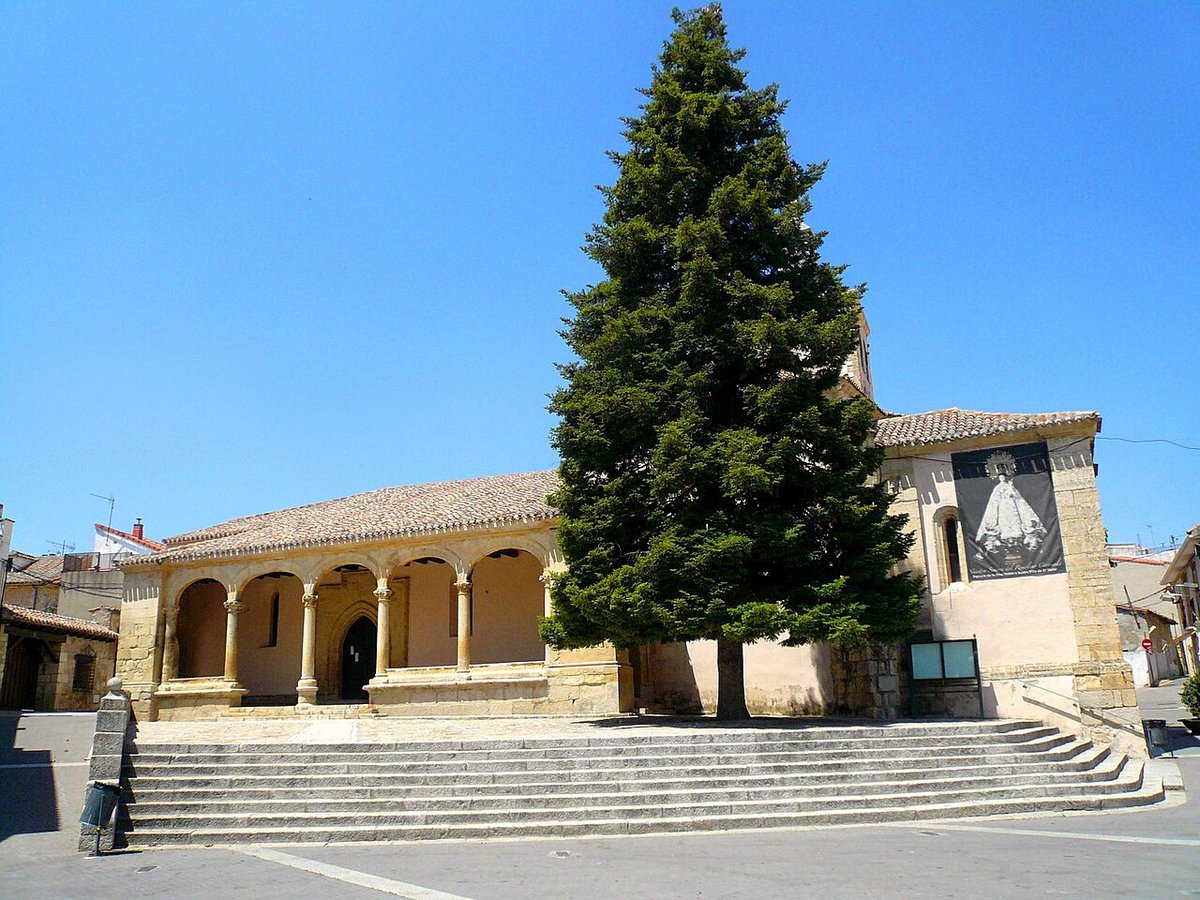
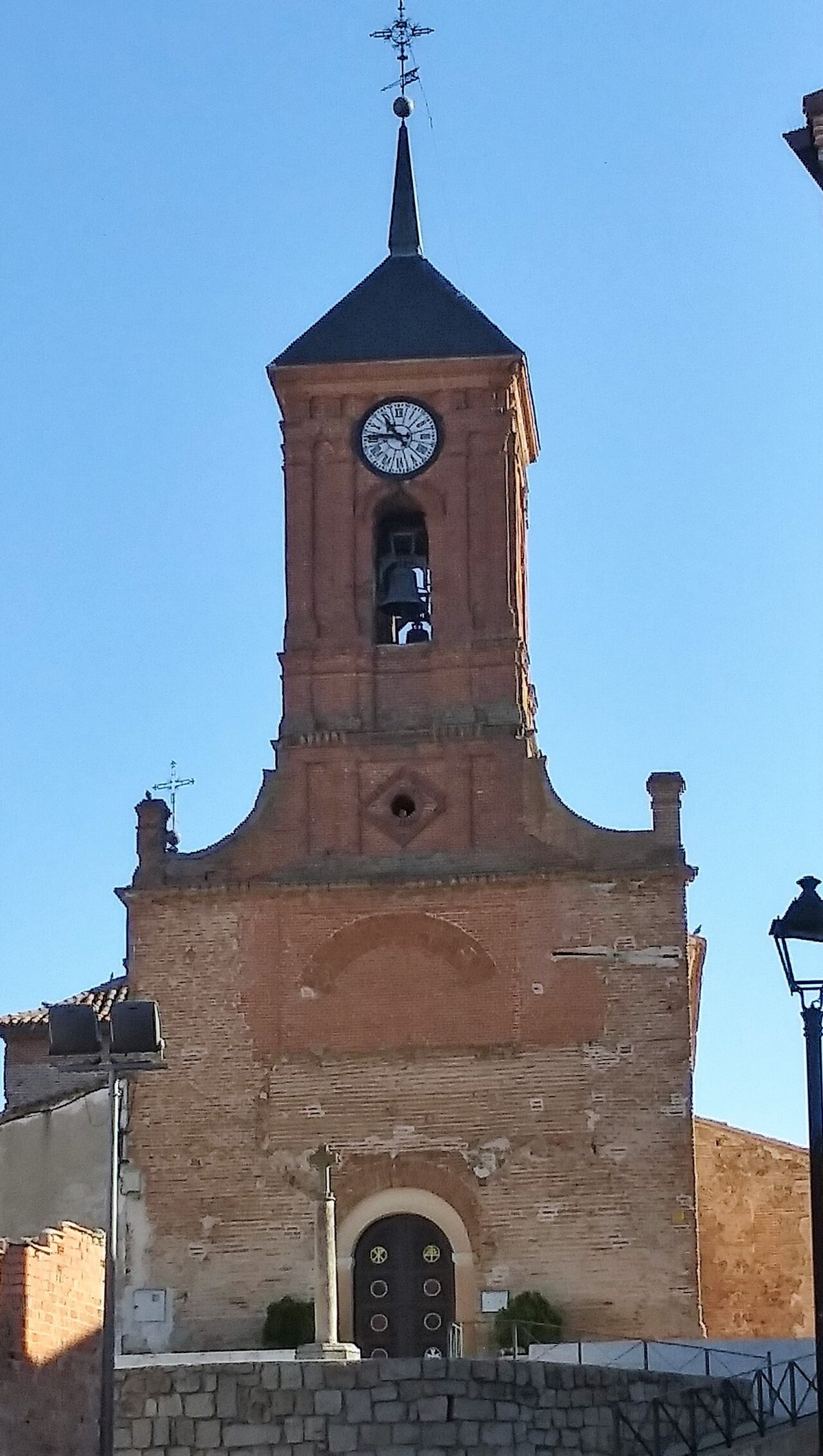
The centre of Valdeavero is organised around its parish church, built with simple materials such as stone and brick and topped with red roof tiles. Around it, the streets intersect in an irregular pattern. There are no long avenues or grand axes. Instead, short stretches of road open into small spaces, sometimes forming a quiet square or a slight widening in the street.
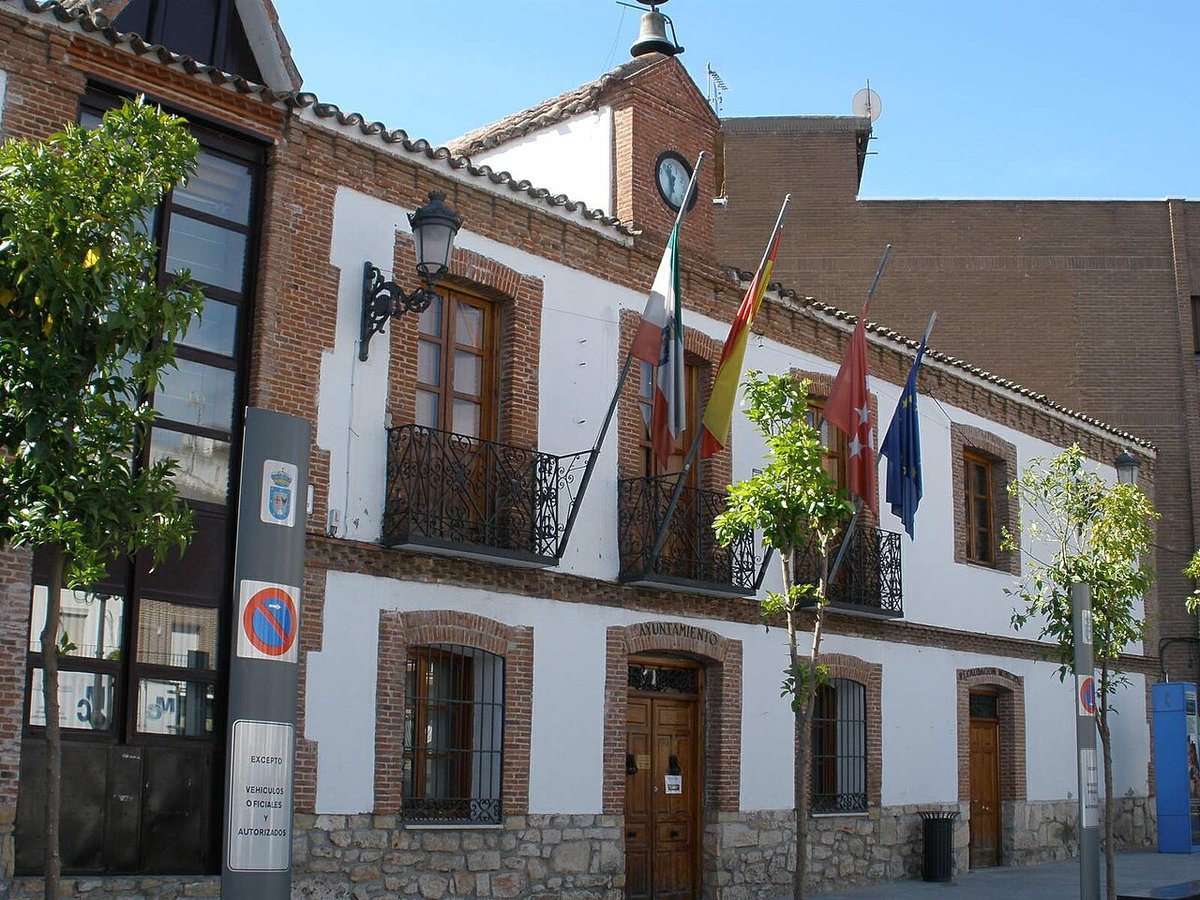
Many houses still have large gateways leading into interior courtyards. On some façades, old metal grilles remain in place, and patches of render show how colours have shifted over the years. Walking slowly through these streets reveals a familiar mix found in villages across the Jarama valley: traditional homes alongside more recent buildings that have gradually extended the urban area.
The interest here does not lie in ticking off historic buildings. It comes from observing how the village has adapted over time, layer by layer, without losing its rural character.
The fields around Valdeavero
It takes only a few minutes on foot to leave the village behind. Agricultural tracks spread out between large plots of land where cereal crops dominate for much of the year. In summer, the fields turn a deep gold, and when the wind passes over them, the movement of the grain creates the effect of a single shifting surface.
On clear days, looking north, it is sometimes possible to make out the distant outline of the Sierra de Guadarrama. Visibility varies depending on the light and the clarity of the air. When the mountains do appear sharply, the contrast with the flat agricultural land is striking.
Sound changes quickly in this setting. Within the village there are passing cars and the occasional conversation drifting from a doorway. A few hundred metres out, those fade away, replaced by wind, birds and the crunch of the path underfoot.
Easy routes on foot or by bike
The surrounding area is crossed by wide agricultural tracks used by machinery and by locals moving between plots. These paths are generally easy to follow and fairly flat, making them suitable for walking or cycling without much difficulty.
In spring, the landscape shifts to greener tones, with wildflowers appearing along the edges of the tracks. Autumn brings ochre colours and often a broader-looking sky, with low clouds that alter the light across the fields as the afternoon goes on.
For those interested in landscape photography, early morning or the period just before sunset tends to offer the most definition. The low angle of the light highlights the furrows in the soil and the lines of cultivation far more clearly than at midday.
Traditions linked to the land
The local calendar still reflects Valdeavero’s agricultural roots. There are traditional festivities in honour of the village’s patron saint during the summer, as well as events connected to San Isidro in May. San Isidro is widely recognised in Spain as the patron saint of farmers, and celebrations in his name are common in rural areas.
Although farming activity has changed significantly over the years and fewer residents now work directly in the fields, these dates continue to act as moments of gathering. During these periods, the atmosphere becomes livelier and the streets fill with people returning to the village or arriving from nearby towns.
A short walk through the centre
With limited time, the simplest approach is to walk through the centre without a fixed plan. The church works as a natural reference point, and several streets branch out from it, giving a quick sense of how the village is laid out.
Details matter here. Large gateways on some houses hint at their original use for carts or agricultural vehicles, while the presence of interior courtyards can be guessed from what lies behind the walls. These small features offer clues about daily life over past decades.
Afterwards, it is worth heading out towards the edge of the village along any of the paths that lead away from the built-up area. Within minutes, the view opens up completely and the surrounding countryside takes over.
Before you go
Valdeavero is a quiet municipality without major monuments or museums. A visit tends to revolve around walking through the village and exploring the agricultural landscape nearby.
The terrain is quite exposed. Wind is relatively common in this open area, and it can make the temperature feel noticeably cooler, even on sunny days. In contrast, summer heat builds quickly from midday onwards, making earlier or later hours more comfortable for being outdoors.
When to visit
Spring and autumn are usually the most pleasant times to explore the area on foot. Temperatures are milder, and the fields show greater contrast in colour.
In summer, it is best to head out early in the day, before the heat becomes intense.