Full Article
about Valdeolmos-Alalpardo
Municipality made up of three settlements; known for its living nativity scene and quiet residential atmosphere.
Hide article Read full article
Where Madrid Feels Distant
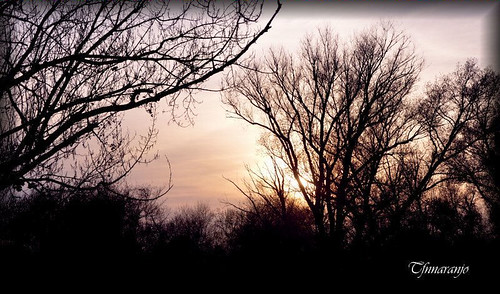
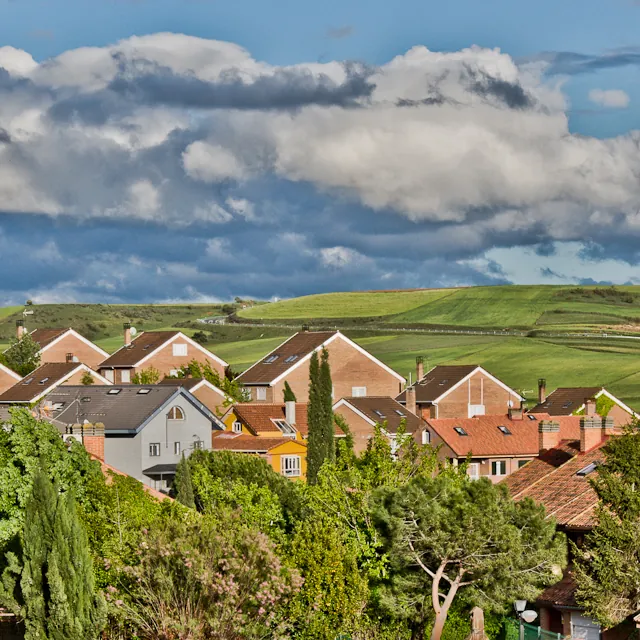
At six in the evening, as the sun drops and the shadows of poplars stretch across dirt tracks, the sound of a plane taking off from Barajas cuts through the air. It crosses the sky in seconds, then silence returns. In Valdeolmos Alalpardo, the city is sensed more than seen. Madrid sits just over half an hour away by car, yet here the air often smells of dry cereal fields, freshly watered vegetable plots and, on some afternoons, bread coming out of the oven.
Life moves at a different pace. The horizon is low and open, the light wide and direct. The nearness of the capital shows itself in brief moments like that passing aircraft, but it never quite settles into the landscape.
Two Villages, One Name
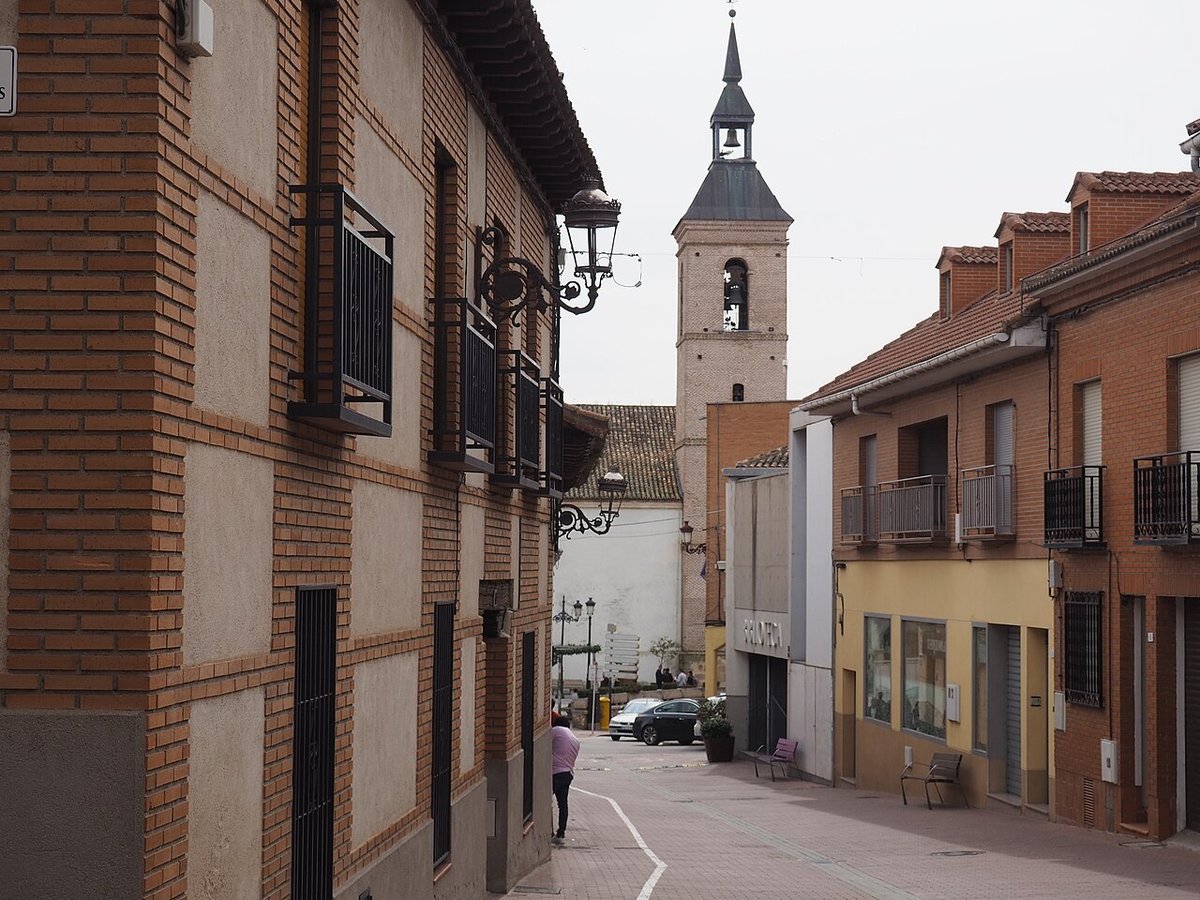
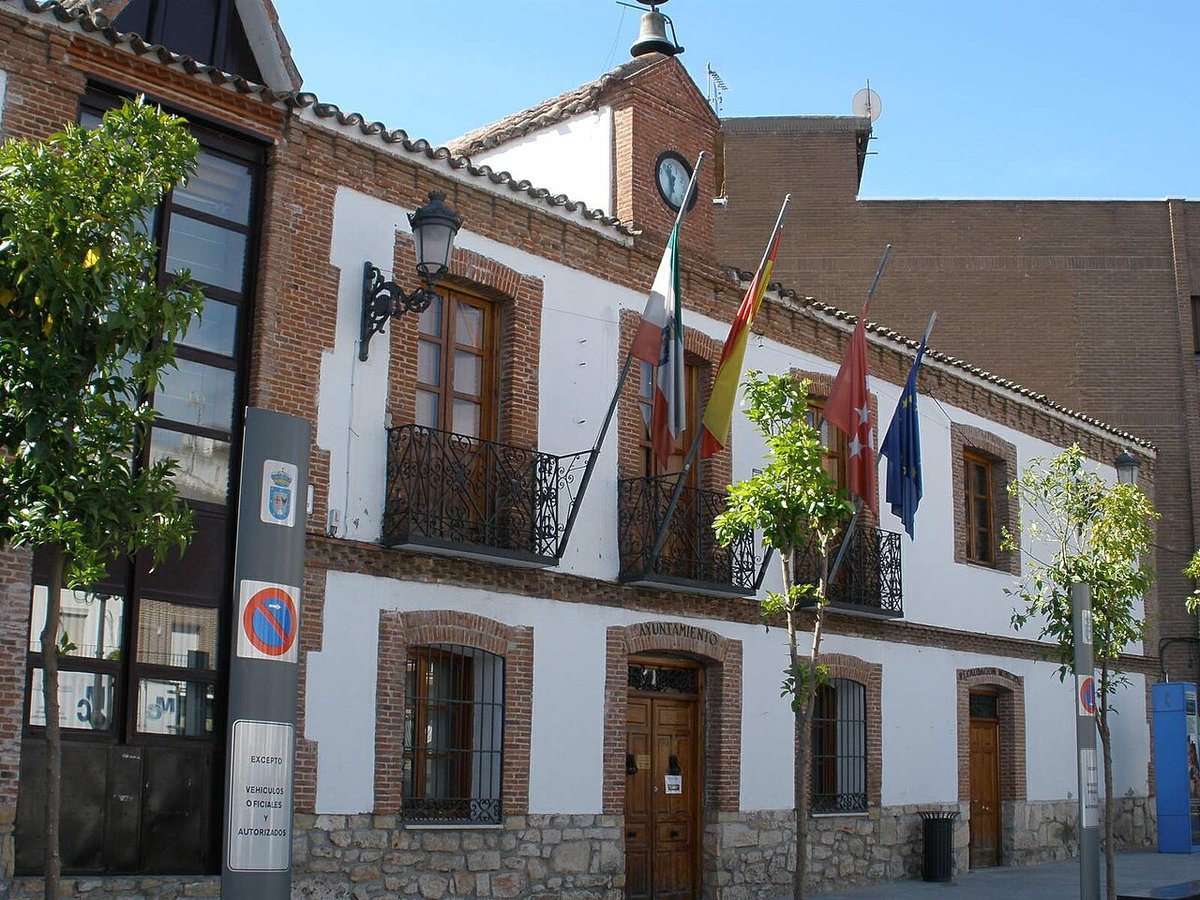
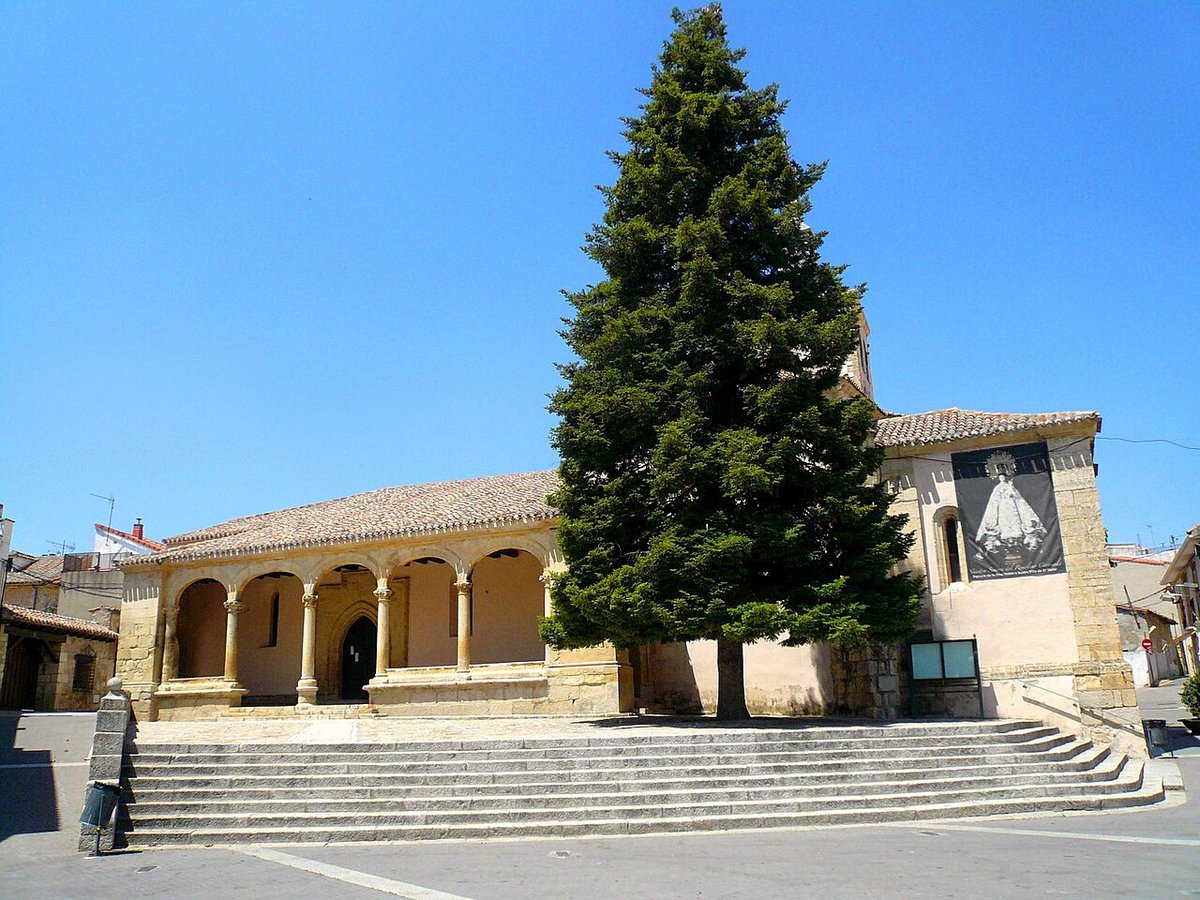
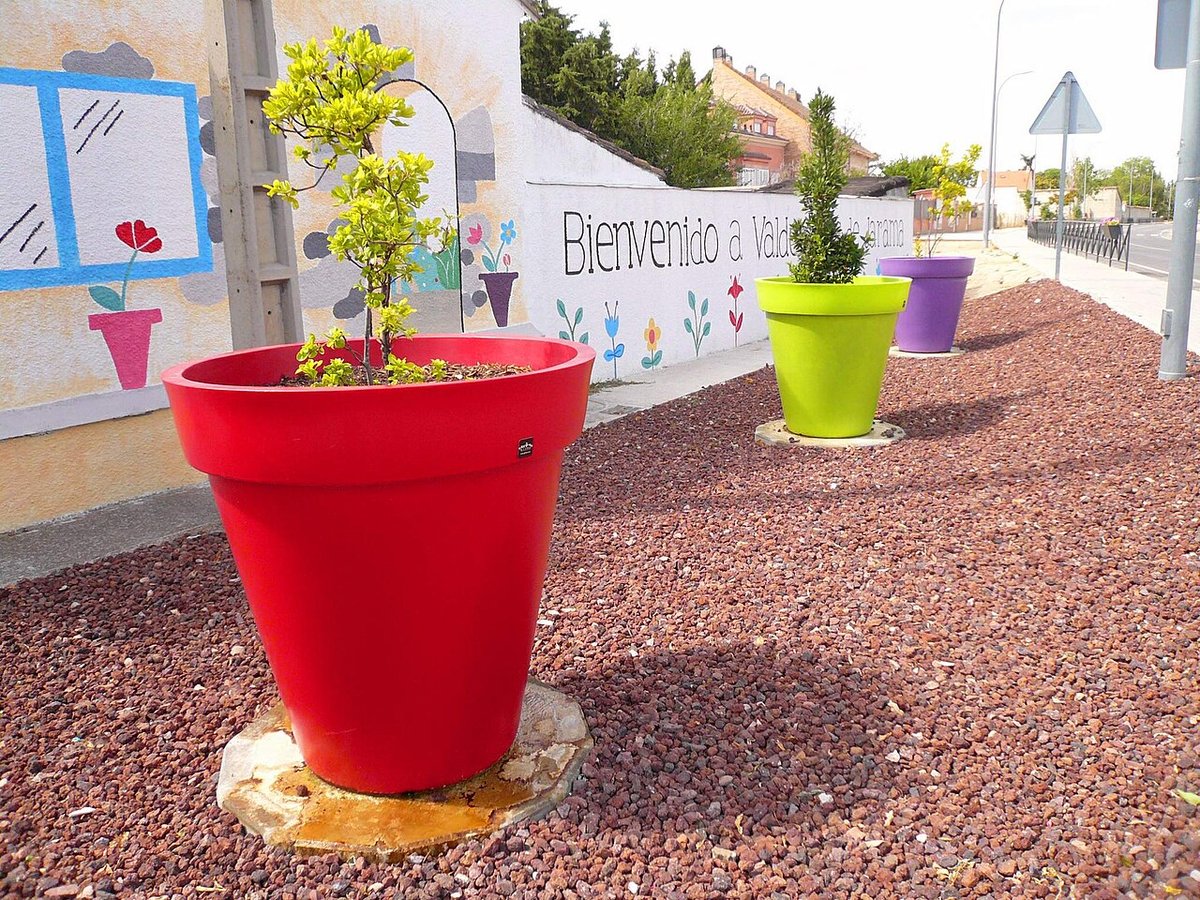
On the road in, the name appears joined by a hyphen: Valdeolmos‑Alalpardo. Many locals pronounce that hyphen with a hint of pride. Although they form a single municipality, each settlement keeps its own character and customs. There are two churches, two cemeteries, two bullrings. There are also two main squares where daily life gathers, where older residents sit in the late afternoon watching cars and bicycles pass by.
The two villages lie close enough to walk between them. The route crosses open farmland and small lines of trees that turn yellow all at once in autumn. It is an easy walk, with barely any change in elevation, popular with cyclists and families with children. On clear days, the gentle hills of the surrounding countryside come into view, and in winter flocks of birds pass high overhead on their way south.
Despite the shared administration, the sense of dual identity remains present in small details. Conversations, routines and meeting points often belong to one side or the other. The hyphen is more than punctuation, it reflects a balance that has settled over time.
Winter Kitchens and Summer Sweets
When colder days arrive and fog from the Jarama lingers low over the fields, the smell of the village shifts. Thick smoke rises from many chimneys, carrying the scent of paprika and garlic. In quite a few homes, traditional pig slaughter, known as matanza, still takes place during the coldest months, when temperatures help preserve the meat. From the street, it is possible to recognise the smell of freshly made chorizo and the broth where morcillas, a type of blood sausage, are cooked.
These are long working days in courtyards and garages. Conversations overlap with the sound of knives against wooden boards and radios playing in the background. Someone might cut a piece of still tender sausage to check the seasoning. Passing by at the right moment can lead to an invitation to step closer. The matanza remains something shared, not hidden away.
In Alalpardo, when the summer festivities arrive, the aromas change again. Trays of homemade rosquillas appear, small ring-shaped pastries flavoured with aniseed. Kitchens fill with flour and hot oil as they are prepared. The taste is strong and slightly dry, the kind of sweet that calls for a glass of milk or a strong coffee alongside.
Tracks Across Open Land
The surroundings of Valdeolmos Alalpardo are flat and expansive, typical of the campiña, a rural landscape of cultivated plains. Agricultural tracks link one field to another, well known to local cyclists. These are not busy roads but firm dirt paths where the main sounds are tyres rolling and wind moving through the grain.
At certain times of year, these routes intersect with flocks of sheep. Transhumance, the seasonal movement of livestock, still passes through this part of the Community of Madrid. Shepherds guide merino sheep down from higher areas, moving steadily across the land. Large mastiff dogs walk alongside the flock, and the sound of bells can be heard long before the animals come into view along the track.
For those coming to walk or cycle, it is worth bearing in mind how exposed the terrain can be. In the hotter months, water and a hat are essential. Shade is scarce beyond the small pine woods near the village, and the open fields offer little relief from the sun.
The Hour When Everything Pauses
In August, the light falls hard on rooftops and the ground turns almost white with dryness. On weekdays in the early afternoon, the streets empty out. Shutters are lowered, dogs lie in the middle of the warm road, and only the occasional car passes through.
Visiting Valdeolmos Alalpardo in summer rewards an early start. Before ten in the morning there is still a hint of moving air and the tracks remain quiet. By midday, the sun sits directly overhead and walking across the open countryside becomes heavy going.
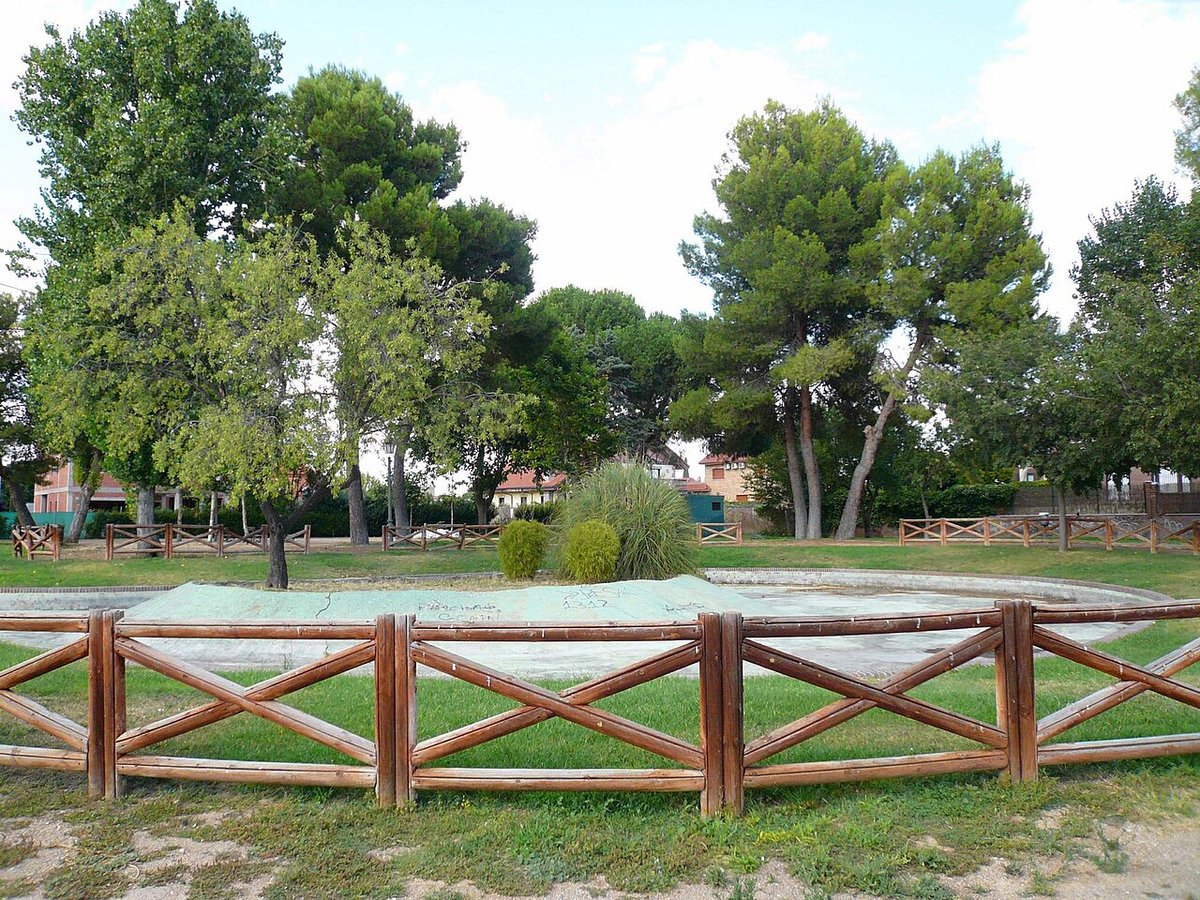
A different option lies in the small wooded area near Valdeolmos. There, pines form a corridor of shade that smells of resin and dry earth. The path is short and easy to follow, and it changes the feel of the landscape after the wide, open fields that surround the municipality.
When night falls, the sky clears more than expected for a place so close to Madrid. From the low hills around Alalpardo, the orange glow of the capital is visible on the horizon. Beyond that, there is little but the sound of wind moving through tall grass and the occasional bark of a distant dog.
Early on Sunday morning, the village slowly wakes again. Large doors open onto the street, someone sweeps the pavement, and the smell of warm bread drifts out through a window. It is a brief moment of calm before cars head back onto the road and the week begins once more.