Full Article
about Valdepiélagos
Madrid’s only ‘Ecomunicipio’; a quiet village committed to the environment
Ocultar artículo Leer artículo completo
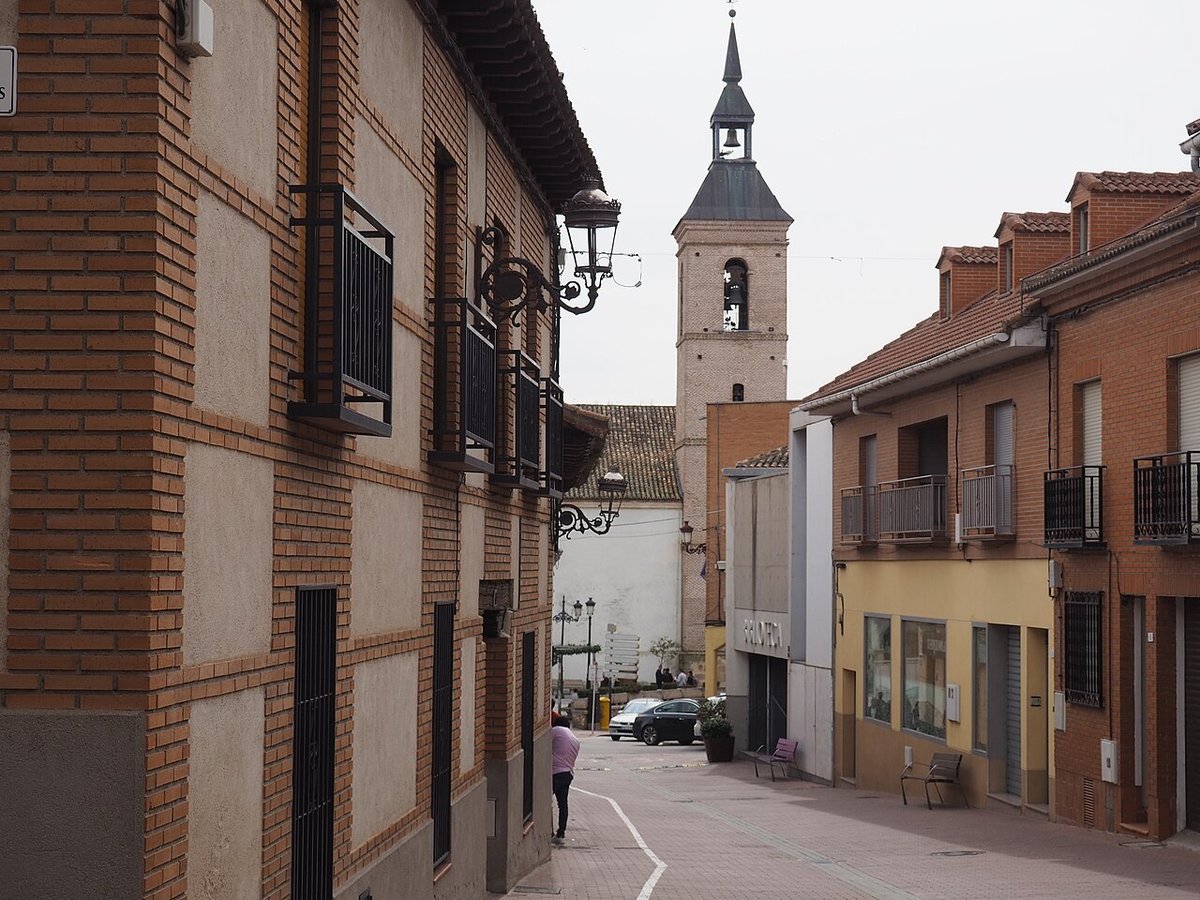
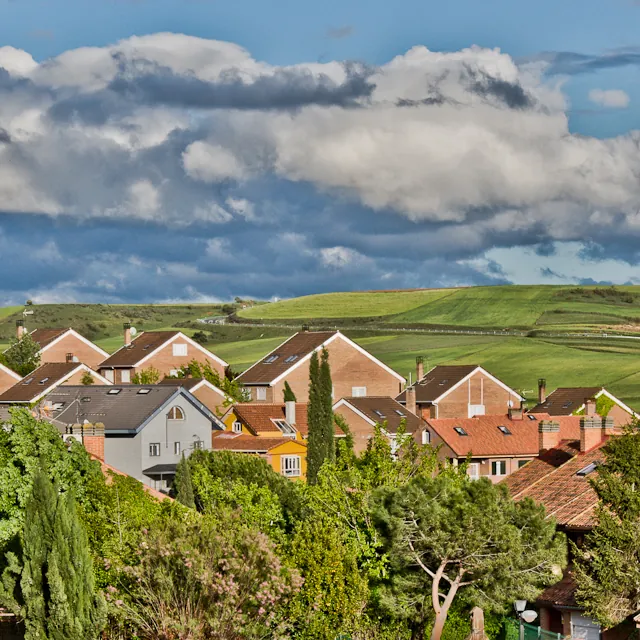
The church tower of La Asunción rises exactly twelve metres above the terracotta roofs, a modest height that nevertheless dominates Valdepielagos completely. From the single traffic light at the village entrance, you can see it in one glance—along with every other building in this settlement of 623 souls, scattered across folds of wheat-coloured earth fifty kilometres north-east of Madrid.
A Landscape That Explains Its Name
Valdepielagos translates roughly to "valley of mud," and the geography makes this immediately logical. Despite sitting in Spain's central plateau—famously dry, famously harsh—this particular dip collects water. Poplars and ash trees line invisible streams. Springs appear unexpectedly in roadside ditches. When summer winds sweep across Castilla, they carry the scent of damp earth, an anomaly in a region where dust normally rules.
The village sits at 850 metres, high enough that winter mornings bite hard and summer afternoons demand shade. The surrounding cereal fields roll in gentle waves, more East Anglia than Alpine. Farmers have worked these same plots for generations, and the agricultural calendar still dictates the village rhythm. In late June, the wheat turns gold overnight. By July, combine harvesters crawl across the horizon like mechanical beetles, their engines audible from the church square.
What Passes for a Centre
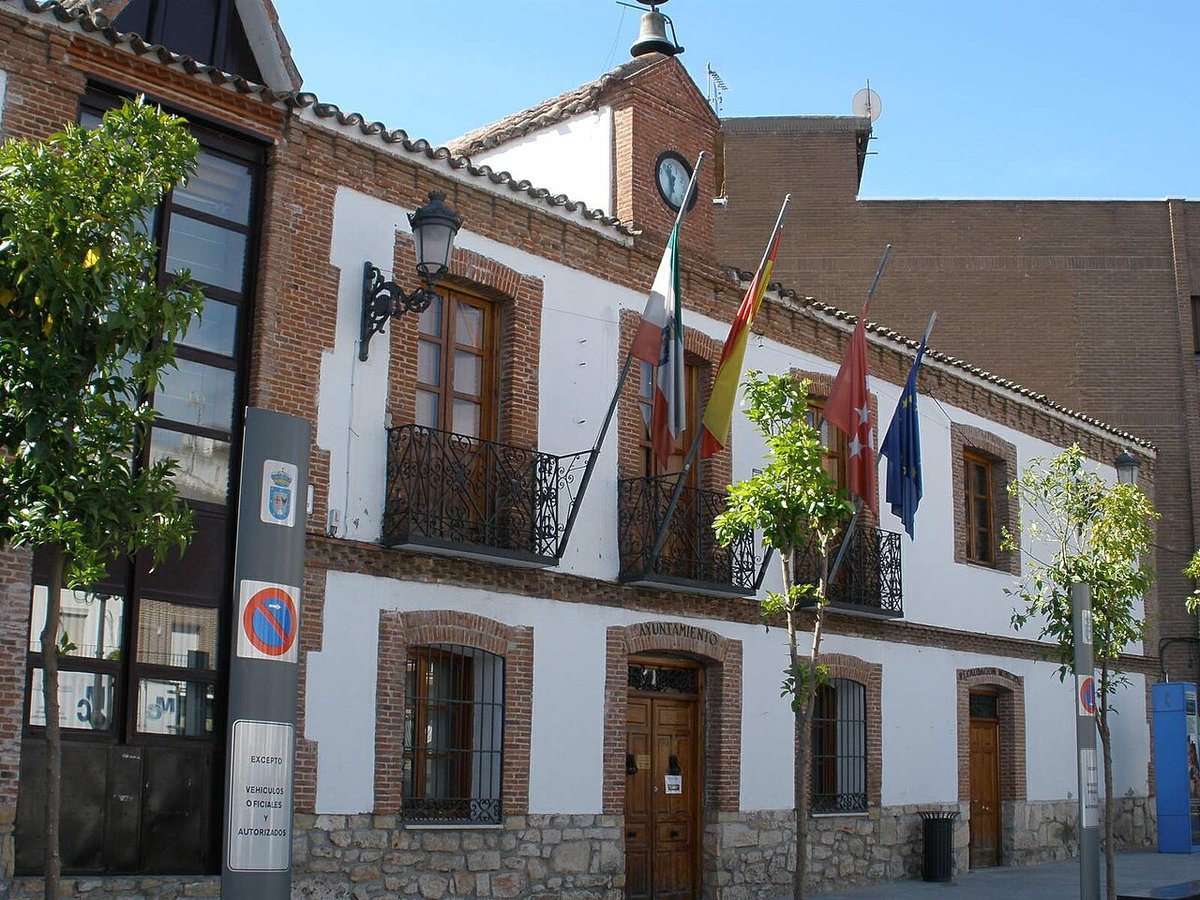
The plaza measures perhaps forty metres across. One bar, closed on Tuesdays. A pharmacy with faded posters from 2019. The ayuntamiento occupies a modest two-storey building whose balcony hosts the Spanish flag and, on festival days, a sound system that ensures everyone hears the mayor's speech whether they attend or not.
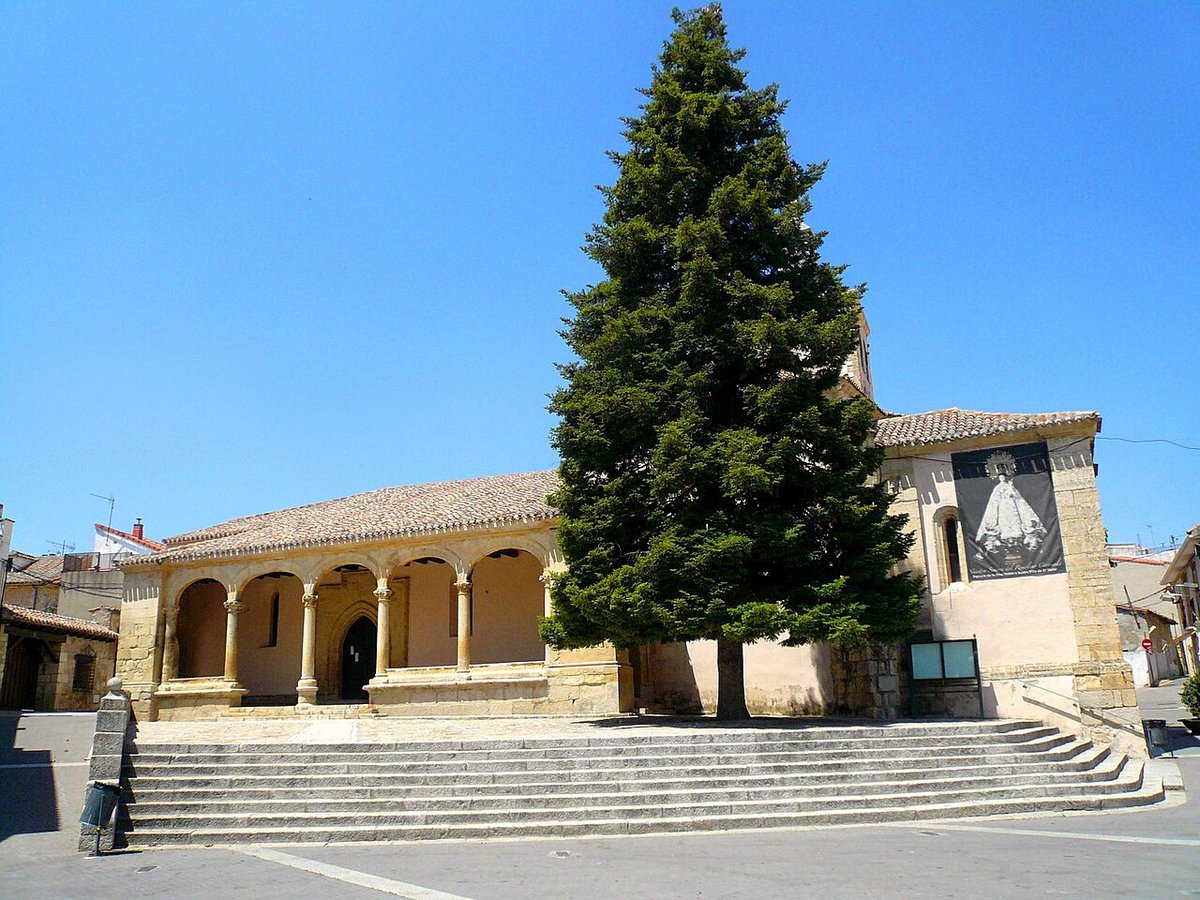
The Church of Nuestra Señora de la Asunción rewards closer inspection than its rough stone exterior suggests. The base dates from the sixteenth century, though renovations in the 1940s added architectural inconsistencies that historians politely ignore. Inside, the altarpiece depicts the Assumption in typically baroque fashion—Mary ascending through clouds while putti scatter roses. The bell rings the hours, though rarely on time. Locals set their watches by it anyway.
Side streets radiate outward in no particular pattern. Houses present plain facades to the world, their beauty concealed behind wooden doors that cost more than most cars. Knock and you might glimpse interior patios where grapevines provide summer shade, though you probably won't. Privacy remains valued here.
Beyond the Edge
The real discovery begins where asphalt turns to dirt. Agricultural tracks lead between wheat and barley fields, following ancient rights of way. Walk ten minutes and village noise fades to bird calls and tractor engines. The land appears flat but isn't—subtle rises reveal new perspectives every few hundred metres. To the south, the Sierra de Guadarrama floats on the horizon like a painted backdrop.
Cycling works well here if you accept limitations. Tracks are graded but narrow. After rain—which arrives suddenly, transforms routes to mud, then disappears—they become impassable for days. Mountain bikes cope better than road bikes. Bring water. Shade exists only where poplars cluster near streams, and these spots are further apart than they appear.
Walking requires less preparation. A circular route of eight kilometres takes in the village, two abandoned farmhouses, and a spring where locals still fill plastic bottles despite municipal warnings. The path crosses the Arroyo de Valdepielagos twice—normally dry, occasionally a proper river. Stone bridges from the 1950s handle both conditions with equal indifference.
The Food Question
Weekday visitors face a mathematical problem. One restaurant operates year-round. It opens for lunch at 1:30 pm, closes at 4:00 pm, and serves dinner from 8:30 pm onwards. Between these hours, eating options reduce to whatever you brought with you. Weekend improves the ratio slightly—two restaurants, though the second might close if trade seems slow.
When available, food follows Castilian patterns without tourist modifications. Roast lamb appears on every menu, slow-cooked until it surrenders to fork pressure. Chickpea stews arrive in bowls that could double as plant pots. Local cheese tastes of sheep's milk and rosemary—subtle or overpowering depending on the herd's recent grazing. Wine comes from nearby Valdepeñas or further afield in Ribera del Duero. Prices hover around €12-15 for a three-course lunch, wine included, assuming the menu del día hasn't disappeared with the chef's mood.
Timing and Temperature
Spring transforms the landscape completely. By late March, green shoots pierce brown earth. Poppies create red interruptions in wheat fields. Temperatures hover around 18°C—perfect walking weather, though mornings require jackets. This season lasts approximately six weeks before summer asserts dominance.
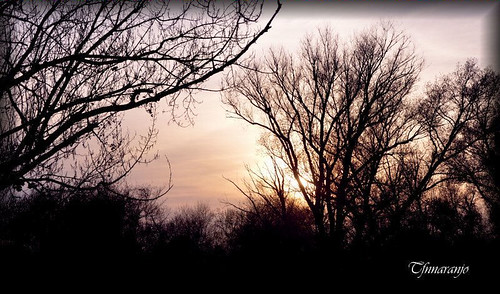
Summer proper arrives suddenly in mid-May. By June, midday temperatures reach 35°C regularly. Shade becomes currency. Locals emerge at 7:00 am for market, retreat indoors by 2:00 pm, reappear after 6:00 pm. The eight-kilometre walk becomes an early-morning necessity rather than pleasant stroll. Evenings compensate—temperatures drop to 20°C, the church square fills with card players, and swifts perform aerial displays against salmon-pink skies.
Autumn brings the most reliable weather. September maintains summer warmth without intensity. October paints the poplars yellow. The harvest concludes, fields transform to stubble, and temporary workers depart. This is when photographers appear, though never in sufficient numbers to form a crowd.
Winter arrives properly in December. Frost whitens fields until 10:00 am. The population drops further as elderly residents relocate to city apartments with central heating. The restaurant reduces opening hours. Days shorten to a six-hour window of acceptable light. Still, crisp mornings reveal the Sierra crowned with snow, and the village church stands stark against pale winter skies.
Getting There, Staying There
Driving from Madrid takes forty-five minutes via the A1 motorway, then fifteen minutes on the M131 regional road. Public transport exists but requires commitment—two buses daily from Madrid's Avenida de América station, departing 8:00 am and 6:00 pm. Missing the return journey means overnight accommodation, which simplifies to one option: Casa Rural San Isidro, three rooms above the bakery, €60 per night including breakfast bread delivered warm at 8:30 am sharp.
Parking presents no difficulty except during the August fiesta, when the population quadruples overnight and every available space fills with vehicles displaying Madrid registration. The rest of the year, you park where convenient, leaving room for the passing tractor whose driver will remember your registration and mention it in the bar that evening.
The Honest Assessment
Valdepielagos delivers exactly what it promises: a functioning Spanish village where tourism remains incidental rather than essential. The church won't overwhelm with artistic treasures. The walks won't feature in glossy hiking magazines. The food won't revolutionise your understanding of cuisine. What you receive instead is authenticity without marketing departments—real places where real people live real lives that continue unchanged whether you visit or not.
Come here for quiet hours walking between wheat fields. Come for conversations with farmers who've never considered learning English because they've never needed to. Come for the discovery that Spanish village life continues just as it has for centuries, despite airports and motorways and Brexit headlines.
Don't come expecting entertainment. Don't come without checking restaurant opening times. Don't come in August without booking accommodation. Most importantly, don't come in a hurry—Valdepielagos reveals itself slowly, like the seasons that shape its surrounding fields, and rewards those who adjust to its pace rather than demanding it adjust to theirs.