Full Article
about Valdetorres de Jarama
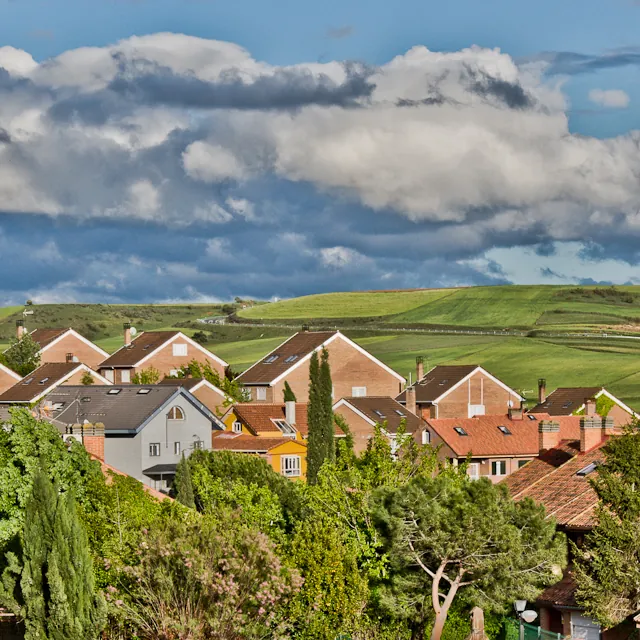
Set on a terrace above the Jarama river; it has an unfinished monumental church.
Hide article Read full article
A Village That Doesn’t Live for Visitors
Valdetorres de Jarama does not depend on tourism. That becomes obvious straight away.
On Saturday mornings, cars arrive from Madrid in search of a large chuletón, the thick Spanish T-bone steak, and a table big enough for the whole family. Locals watch from the pavement. They say nothing. The issue is not the meat. It is the parking.
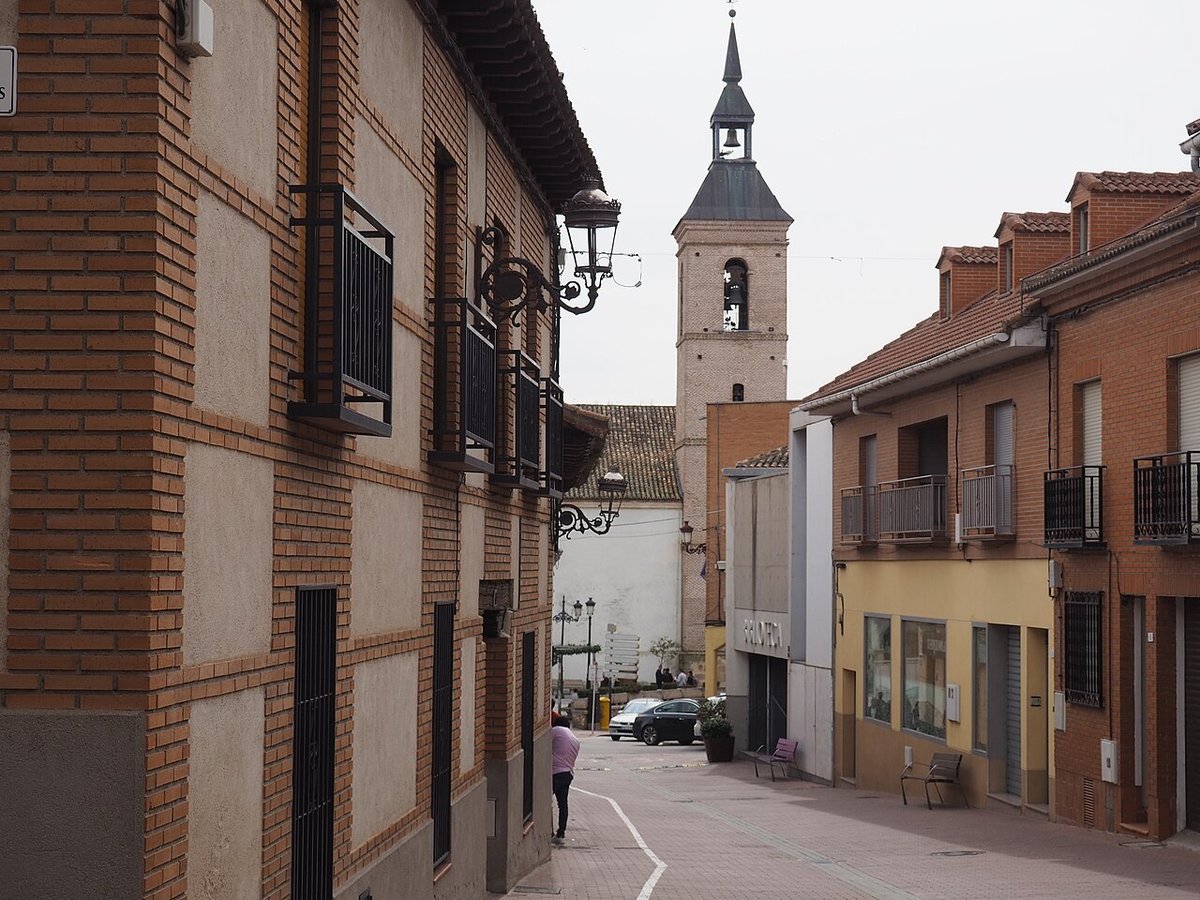
This is a place that carries on at its own pace. There are no souvenir shops and no streets designed for wandering. What you find instead is a supermarket, a couple of bars and everyday village life. During the week, things feel quiet and ordinary. At weekends, especially around lunchtime, the dining rooms fill up and number plates from Madrid line the streets. Then it settles again.
Valdetorres de Jarama sits within the Community of Madrid, close enough to the capital for an easy drive, yet far enough to feel detached from its rhythm. It has not reinvented itself as a destination. It simply continues.
Getting There and Parking Without Drama
The usual approach is along the M‑104 from San Sebastián de los Reyes. It is about 38 kilometres. If traffic is kind, the journey takes a little over half an hour.
You enter via the newer road, the one that made the old brick bridge redundant decades ago. That detail says something about the place. Roads changed, routes shifted, and the village adapted without fuss.
There are no large car parks once inside. You leave the car where you can. It is not a major problem, as the streets are flat and easy to cross on foot. Everything lies within a short walk.
One simple point matters: park without blocking anyone. Valdetorres de Jarama is still a village where people expect to leave their car outside their own front door. No one here set out to become a gastronomic stop for the capital. Daily life comes first.
A Short Walk Through Its Landmarks
You do not need long to see what there is to see.
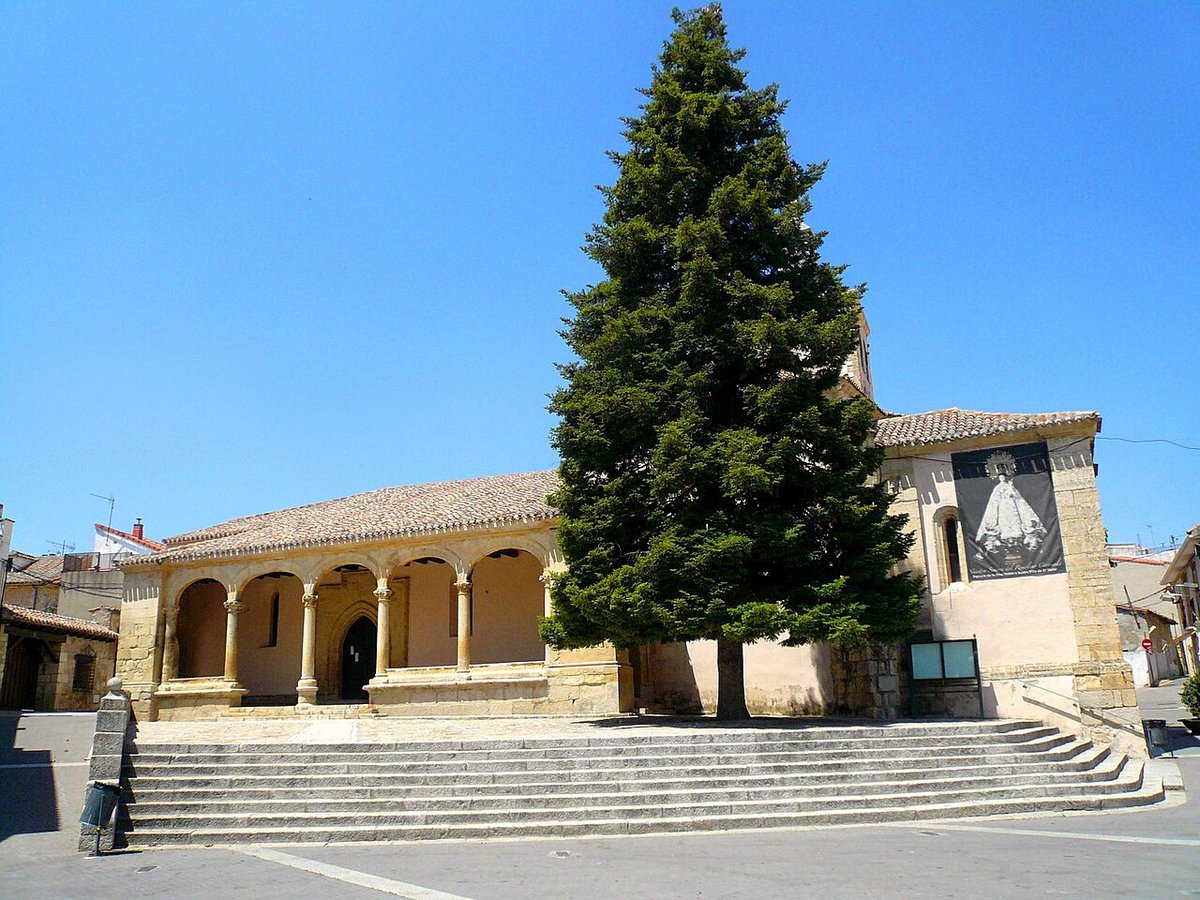
The Iglesia de la Natividad stands out immediately. It has a square tower and a slate roof, a solid presence against the sky. The church is protected as heritage, which in villages like this often means that at least it has been preserved. Inside, there are gilded altarpieces and the faint smell of wax. The door is sometimes open during the day. If it is closed, it may open later in the afternoon.
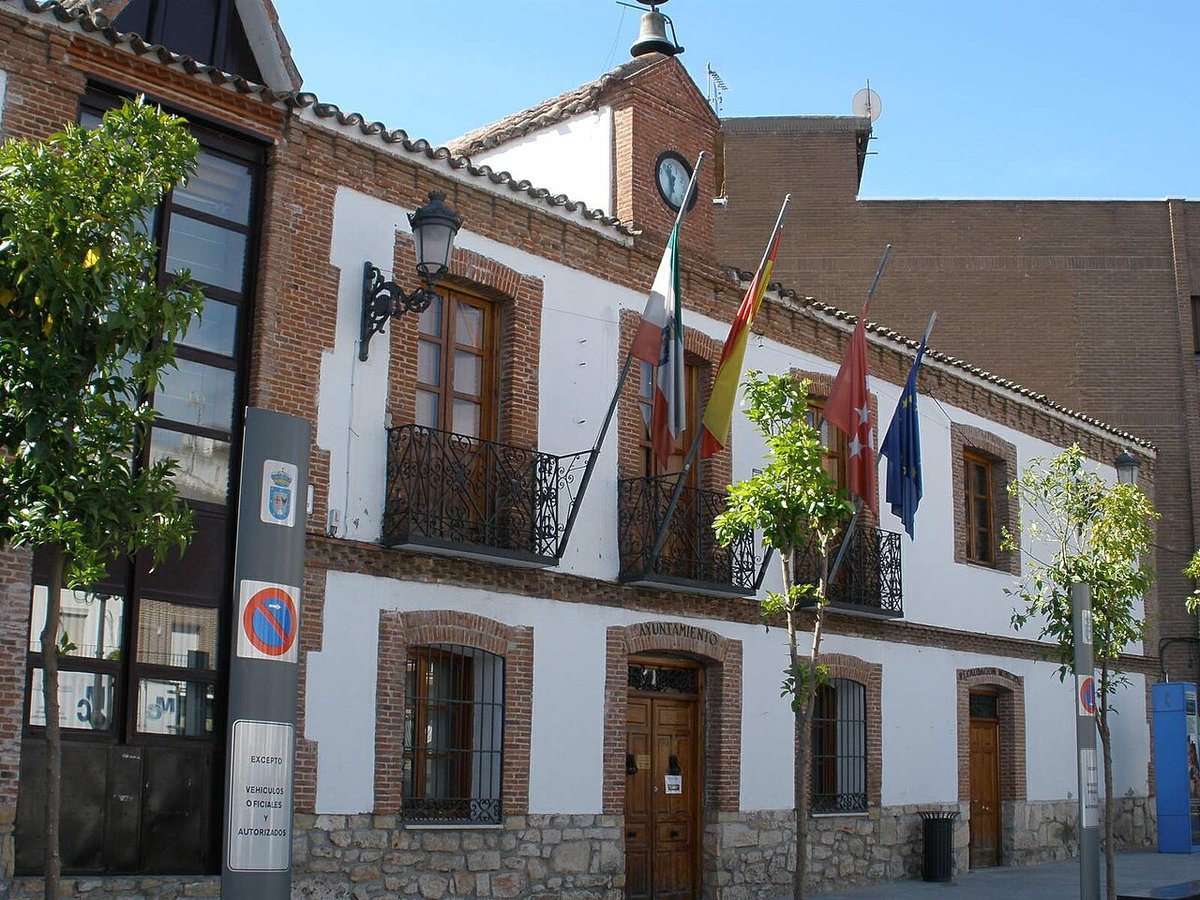
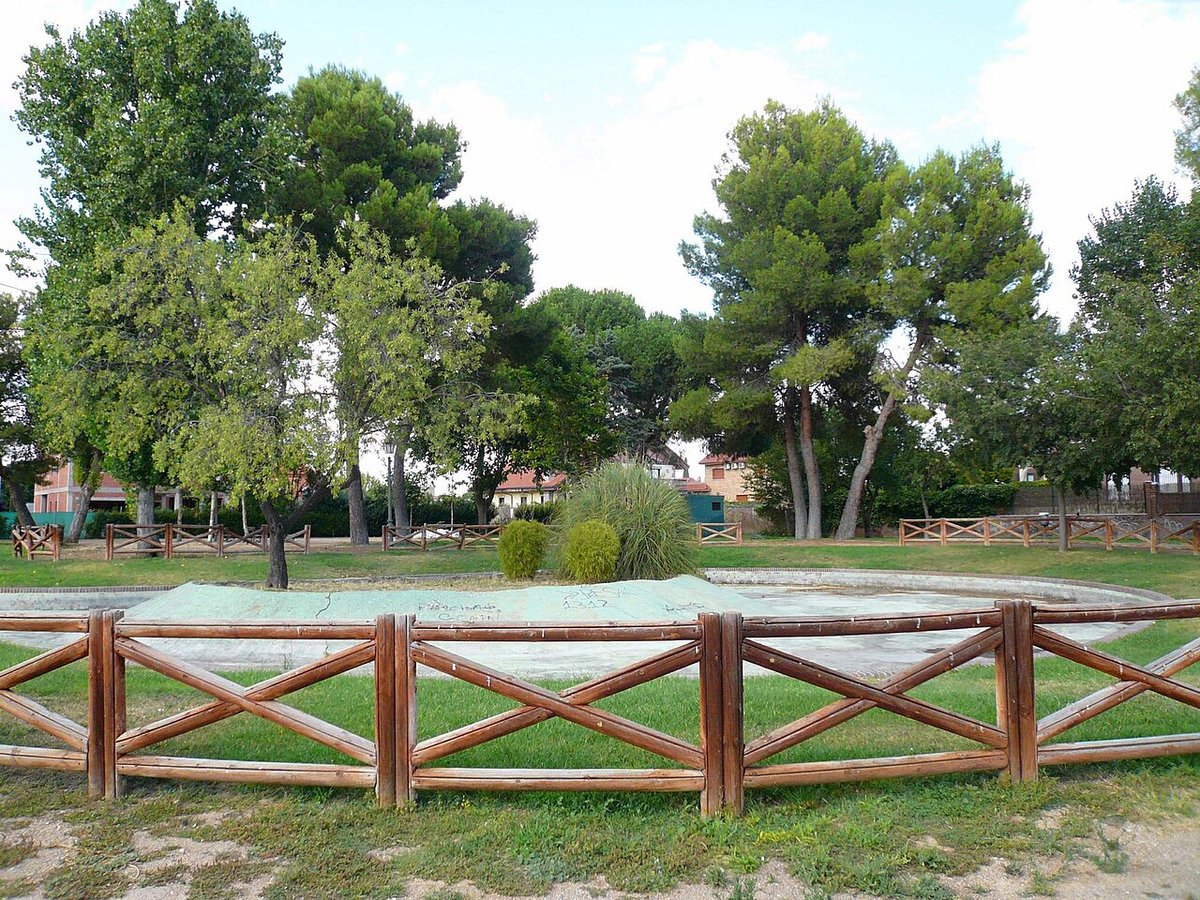
Nearby is the town hall, built in the 1920s. Exposed brick, the municipal coat of arms on the façade. Next to it sits a simple square with concrete benches and trees that provide shade. When the heat presses down, neighbours gather there and sit for a while. There is little else around it, and that is part of the point.
Five minutes away on foot is the old bridge, dating from the late 19th century. For years it was the obligatory crossing point for anyone heading north. Today it is used more by teenagers on scooters and by those taking a short stroll beside the Jarama river. The sense of former importance has faded, but the structure remains.
Beyond these landmarks, Valdetorres de Jarama does not present a long list of attractions. The scale is small. Distances are short. A visit can be brief without feeling rushed.
Why People Come
Chuletón. Little else needs explaining.
At weekends, the village’s grill restaurants fill up. Large tables, extended families, and cars bearing Madrid plates define the scene. It is a simple ritual: drive out, sit down, share a substantial meal, drive back.
During the week, normality returns. The same streets that felt busy on Sunday at lunchtime become quiet again. There are no themed routes or curated experiences waiting to be discovered. The appeal lies in something more direct, a straightforward meal in a place that has not reshaped itself for visitors.
This pattern shapes the atmosphere. Those who arrive expecting a carefully packaged rural escape may find the reality more matter of fact. Valdetorres de Jarama offers what it has, no more and no less.
The Parts Leaflets Leave Out
The municipal area still preserves several vías pecuarias, traditional livestock trails that once connected grazing lands. They cross fields and head towards the Jarama. These are dirt tracks, without signposts. Locals use them to walk the dog or go for a run.
If you follow one, do not expect information panels or marked routes. Orientation here remains practical: the stream, the road, or asking someone who happens to pass by. It is an older way of navigating, one that assumes familiarity rather than guidance.
Centuries ago, this was a small place on the road. It grew when the bridge forced travellers to cross here. When the road layout changed, and traffic no longer had to pass through, the village returned to its own rhythm. That shift explains much of what you see today. Growth tied to a crossing point, then a quiet adjustment when the flow moved elsewhere.
The landscape around the village plays its part. In spring, the surrounding fields turn green and the river usually carries some water. The setting improves noticeably. In summer, there is dry heat and mosquitoes. In winter, a north wind blows and the streets empty early.
Timing makes a difference. Come on a Sunday and expect cars and full tables at lunchtime. Without a reservation at one of the grill restaurants, you may end up turning back. Come on a weekday and the experience will be altogether calmer.
Valdetorres de Jarama does not attempt to impress. It has a church that opens when it opens, a square where neighbours sit in the shade, an old bridge that no longer carries through traffic. It has dirt paths leading towards the Jarama and a habit of filling up when steak is involved.
Beyond that, life continues much as it always has.