Full Article
about Alameda del Valle
Set in the Valle del Lozoya, it offers spectacular mountain scenery and green meadows perfect for unwinding.
Hide article Read full article
A change of pace in the Sierra Norte
Some places work like switching off your phone for a while. Everything seems to move more slowly. Alameda del Valle, in the Sierra Norte of Madrid, has something of that effect.
You arrive along the road that follows the Lozoya Valley, park near the centre and, within five minutes on foot, the rhythm has shifted. The streets are short. Houses combine stone and wood, and many still have vegetable gardens behind them. It is not a large village and makes no attempt to be one. Rather than feeling like a polished postcard, it feels lived in, practical and rooted in everyday rural life.
This is not a destination built around headline sights. It is about atmosphere and the landscape that surrounds it.
Around the Iglesia de la Asunción
The village revolves around the Iglesia de la Asunción. It does not stand out for its size or decoration. The building is sober, with thick walls and a simple bell tower, in keeping with the character of the place.
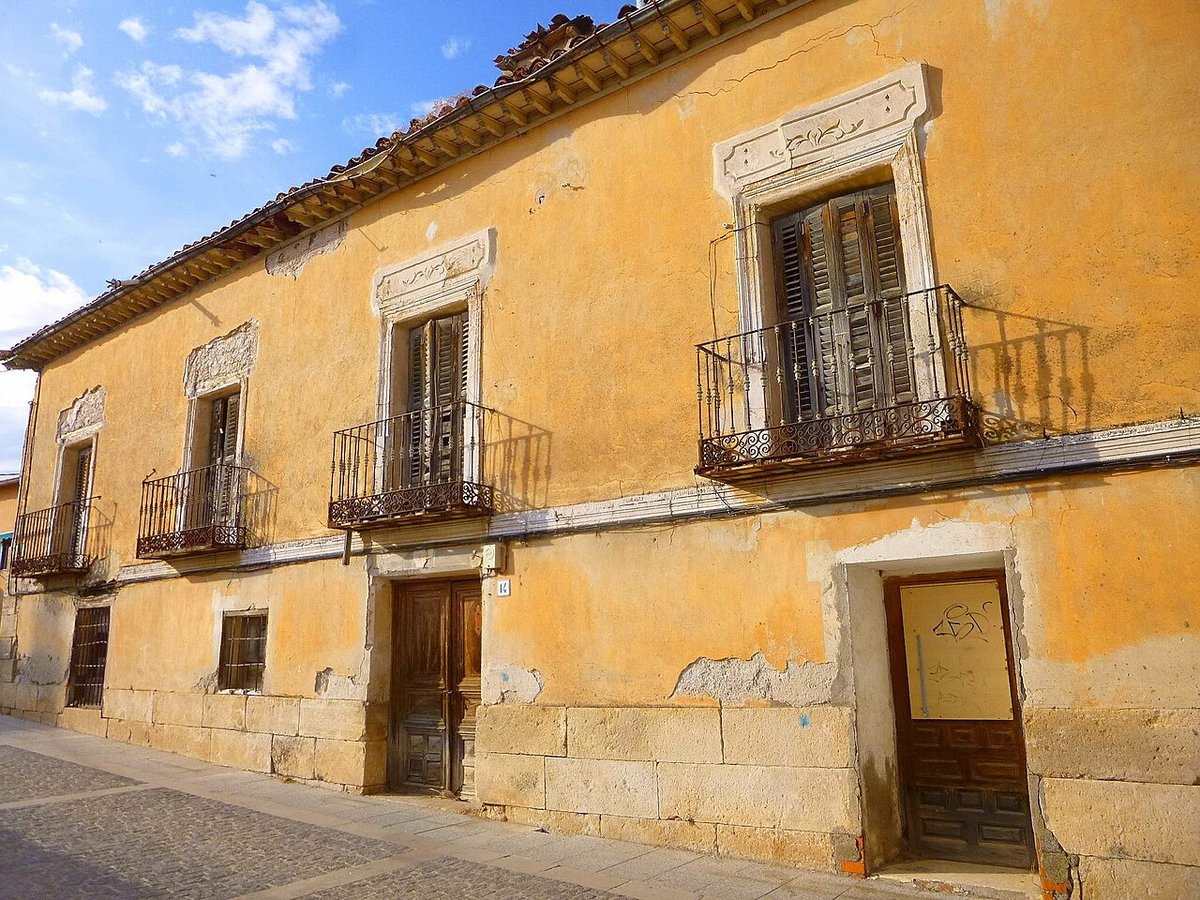
From here, narrow streets branch off, where large wooden gates, inner courtyards and old livestock pens are still visible. Walking slowly, a detail becomes clear: many of the houses seem designed to last rather than to impress. Local granite, timber beams, solid walls. Buildings made to withstand cold winters and calm summers.
If there is no rush, half an hour is enough to walk the entire historic centre. That is not a drawback. Alameda del Valle is not about ticking off monuments. It is about taking in a way of life that still feels coherent and close to the land.
The Lozoya River and valley paths
A few minutes from the centre, the Lozoya River comes into view. This stretch is neither wild nor noisy. The water flows quietly between meadows and trees. Dirt tracks run alongside it, used by walkers and cyclists who prefer gentle routes.
On a clear day, the wide vega of the valley opens up ahead. The patchwork of pastureland and grazing cattle has shaped daily life here for centuries. Historically, routes linked to trashumancia passed through this area. Trashumancia refers to the seasonal movement of livestock between mountain pastures and other parts of the Spanish plateau, an old system that connected regions and sustained rural economies.
There is no need to plan a demanding hike. Often it is enough to follow one of the tracks that leaves the village and simply see how far it feels right to go. The terrain invites wandering rather than goal setting.
Oak woods, pasture and real quiet
The surroundings of Alameda del Valle are crossed by footpaths that lead into oak woods and open grazing land. Some climb towards slopes with broad views over the Lozoya Valley. These are not technical routes, but in winter it is wise to be careful. Ice forms easily in shaded areas and can catch out the unwary.
What stands out most is the silence. Not a staged, cinematic silence, but a genuine one. Wind moving through the trees. The faint sound of a cowbell in the distance. Little else.
That sense of space and sound, or the absence of it, becomes part of the experience. The village itself remains close, yet the landscape quickly takes over.
Hearty mountain cooking
After a walk, the natural next step here is a substantial meal. In this part of the Sierra, traditional dishes tend towards the comforting and filling. Legume stews are common, as is roast lamb. Simple spoon dishes, the kind served hot and eaten slowly, are especially welcome when the weather turns cold.
At weekends, the atmosphere becomes livelier than during the week. People from Madrid come up for the day. Families return to their village houses. It is not overwhelming, but there is a noticeable lift in movement and conversation.
Even then, Alameda del Valle never feels hurried. The scale of the place keeps everything close and manageable.
August festivities
In August, the village celebrates festivities linked to the Virgen de la Asunción. These are straightforward celebrations, centred on a procession and traditional local events. There are no large-scale productions or vast stages. The atmosphere resembles that of long-established village festivals across Spain, focused on community rather than spectacle.
Such occasions say a great deal about how life functions here. The community is small. Everything is within walking distance. Many people have known one another for years. Visitors who happen to be in the village at that time see a snapshot of everyday bonds rather than a performance designed for outsiders.
How long to spend
Alameda del Valle is not a place for rushing from sight to sight all day. It works better as a calm stop within a wider exploration of the Lozoya Valley.
A walk through the village centre, a stroll down to the river, perhaps extending the route along one of the valley paths, and then sitting down to a hot meal. That is enough to form a clear impression of the place.
It does not try to dazzle or overwhelm. It simply carries on at its own pace, which is often exactly what draws people here from Madrid. In less than an hour’s drive from the capital, the contrast can feel striking. Stone houses, grazing land, quiet tracks by the Lozoya. No grand attractions, no dramatic statements, just a village living as it has for generations.
For travellers seeking a shift in tempo rather than a checklist of landmarks, Alameda del Valle offers something straightforward and increasingly rare: time to slow down in a landscape that still sets the rhythm.