Full Article
about Berzosa del Lozoya
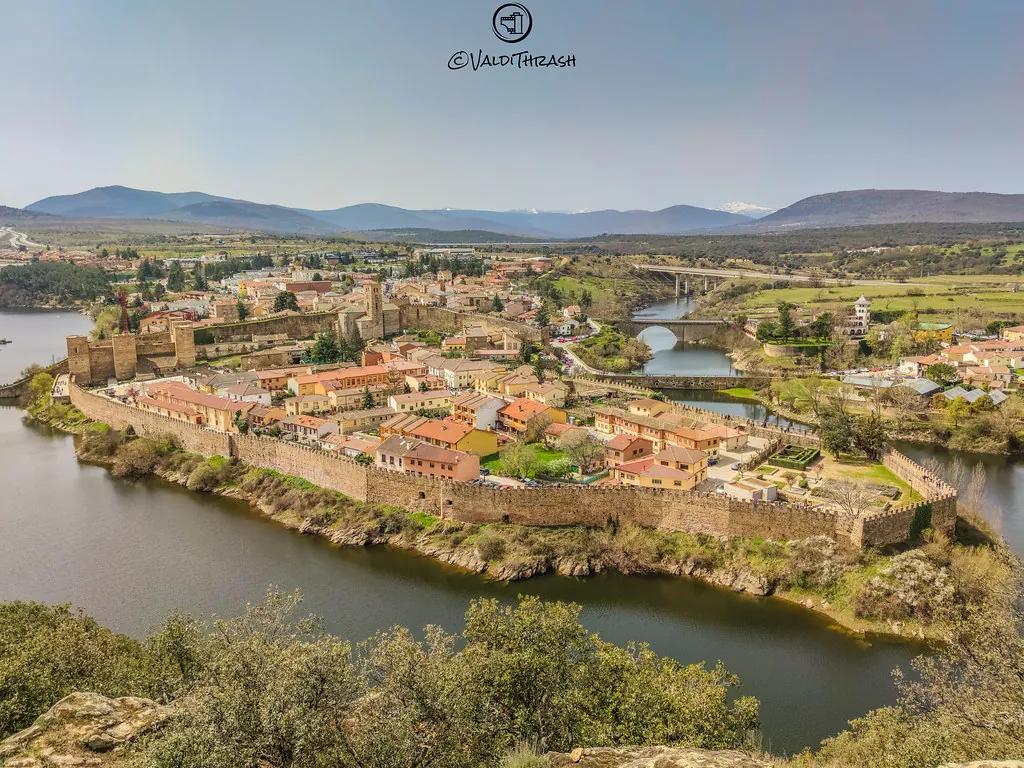
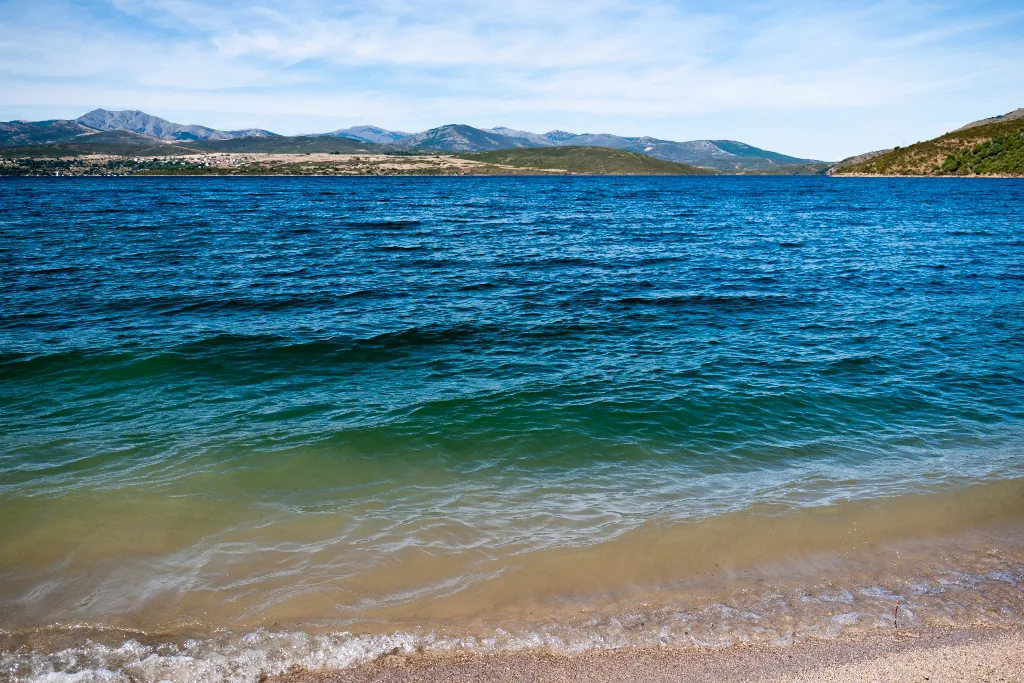
Natural lookout over the El Villar reservoir; quiet village of steep streets and clean air
Hide article Read full article
Early in the morning in Berzosa del Lozoya, the Church of the Assumption catches a cold light that bounces off its rough granite façade. The door is often slightly open, and the square is still half empty. Water can be heard from the fountain on Calle Real, along with the occasional car starting up slowly. In autumn, as the oaks begin to shed their leaves, the air carries that dry, earthy smell from the surrounding hills.
A small village of granite and short slopes
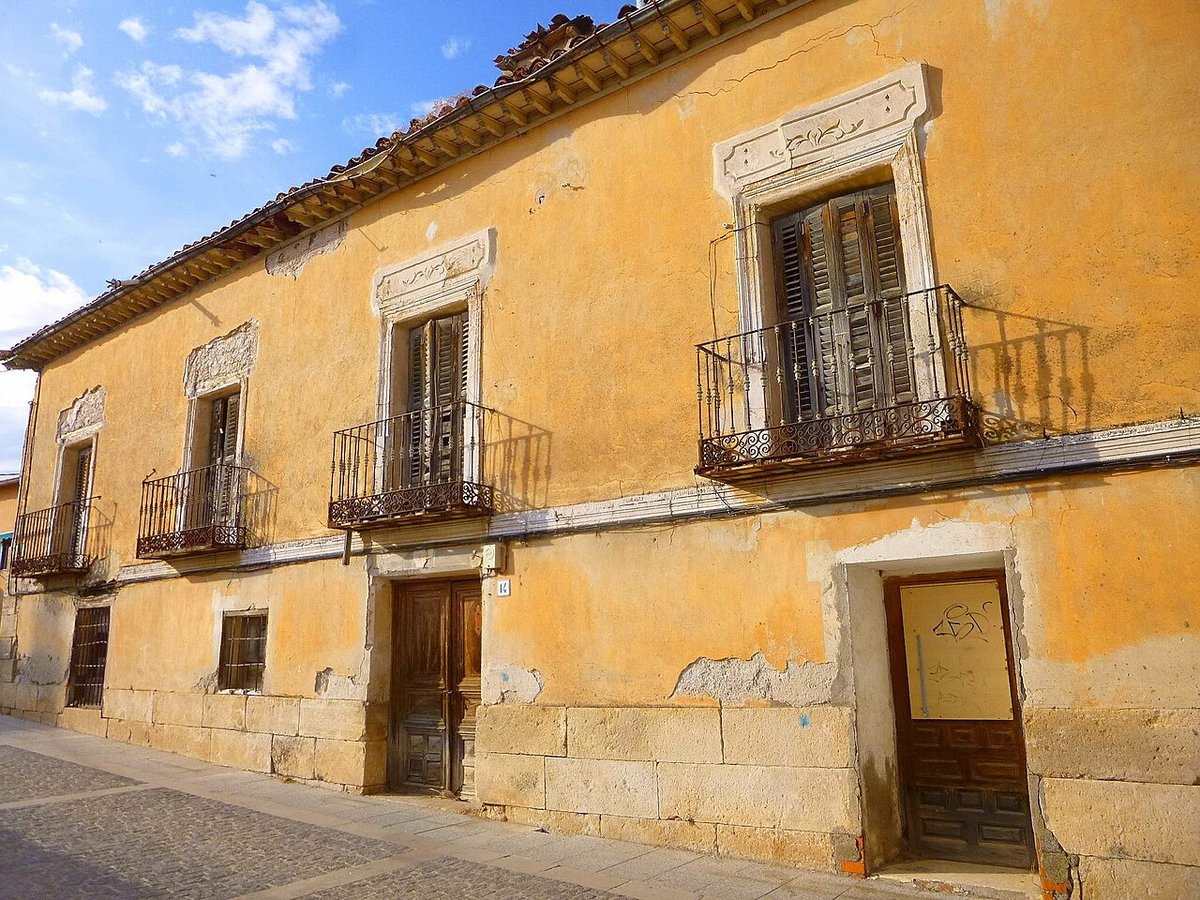
Berzosa del Lozoya stands on a small rise, surrounded by holm oaks and oak woodland. At just over a thousand metres above sea level, it is easy to explore on foot. The streets are short, some with a noticeable incline, and lined with houses built from granite, topped with curved roof tiles.
Many homes still have small enclosed courtyards edged by wooden fencing. Some hint at former animal pens. Stacks of firewood beside doorways and tools resting against walls suggest that rural life here has not disappeared into memory.
At the centre, the church anchors the square with a quiet, understated presence, almost pressed against the surrounding houses. When it is open during the day, the interior is simple: wooden pews, a cold stone floor, and an altarpiece without elaborate decoration.
A walk through the nearby streets reveals small details. Wooden balconies hold plant pots that have dried out by the end of summer. Shutters were painted years ago and now show their age. Heavy doors creak as they close.
Paths through pasture and oak woodland
Beyond the village, the landscape changes quickly. Open meadows appear, crossed by dirt paths that lead to old fountains and watering troughs still used by some livestock farmers. On clear days, the slopes are visible, covered in holm oaks and melojo oaks. Occasionally, vultures circle high above on rising air currents.
The paths are not always marked. Many are simply tracks shaped by animals or by those who head out walking from the village. It is wise to carry a map or have a clear sense of direction before venturing too far.
After rain, the ground releases a strong scent of damp earth and leaves. In summer, the hills become dry and dusty, and the dominant sound comes from insects during the middle hours of the day.
Autumn brings a shift in colour. The oak woods turn shades of red and yellow, and it is also mushroom season in the surrounding area. Much of the land is privately owned, so it is best to check carefully before collecting anything.
Quiet traditions
Agriculture and livestock farming remain part of daily life, though on a modest scale. In nearby villages, small fairs are sometimes held where local products appear, including honey and traditionally made cured meats.
The main celebrations tend to take place in summer. During those days, the streets become a little livelier. Processions dedicated to the Virgin move through the village, accompanied by music that drifts across different corners as evening approaches. Outside these dates, Berzosa returns to its usual rhythm.
Getting there and choosing your moment
From Madrid, the usual route follows the A‑1 towards the area around Buitrago del Lozoya, then continues along secondary roads that pass through several villages in the Sierra Norte. The final stretch has bends and very little traffic, so a steady pace makes sense.
The village itself can be explored in a short time. A couple of hours are enough to walk the main streets, step inside the church if it is open, and head out towards a fountain or watering trough on the outskirts.
In summer, the central hours of the day are best avoided. The sun is strong and there are few shaded spots within the village. Early morning or late afternoon offer a different atmosphere, as the light drops over the rooftops and the quiet of the valley becomes more noticeable.
Berzosa del Lozoya does not revolve around major monuments or a packed calendar of activities. What remains is the village as it is: stone houses gathered around the church, paths leading out towards the hills, and the lingering smell of damp earth after a brief rain in the mountains. Here, the visit is mostly about walking slowly and paying attention to what is already there.