Full Article
about Braojos
High-mountain village with well-preserved traditional architecture; known for its church and altarpieces.
Ocultar artículo Leer artículo completo
The first thing you notice is the hush. Stand on Calle Real just after the evening bread van has rattled away and the only sound is the wind moving through pines that you can’t yet see. Braojos is only an hour and twenty minutes from Madrid’s M-30 ring road, but the Sierra Norte behaves as if the capital were on another continent. At 1,192 m, the air is thinner, the sky a darker shade of cobalt, and the temperature drops a clean five degrees the moment you step out of the car.
Stone, Timber and the Smell of Oak Smoke
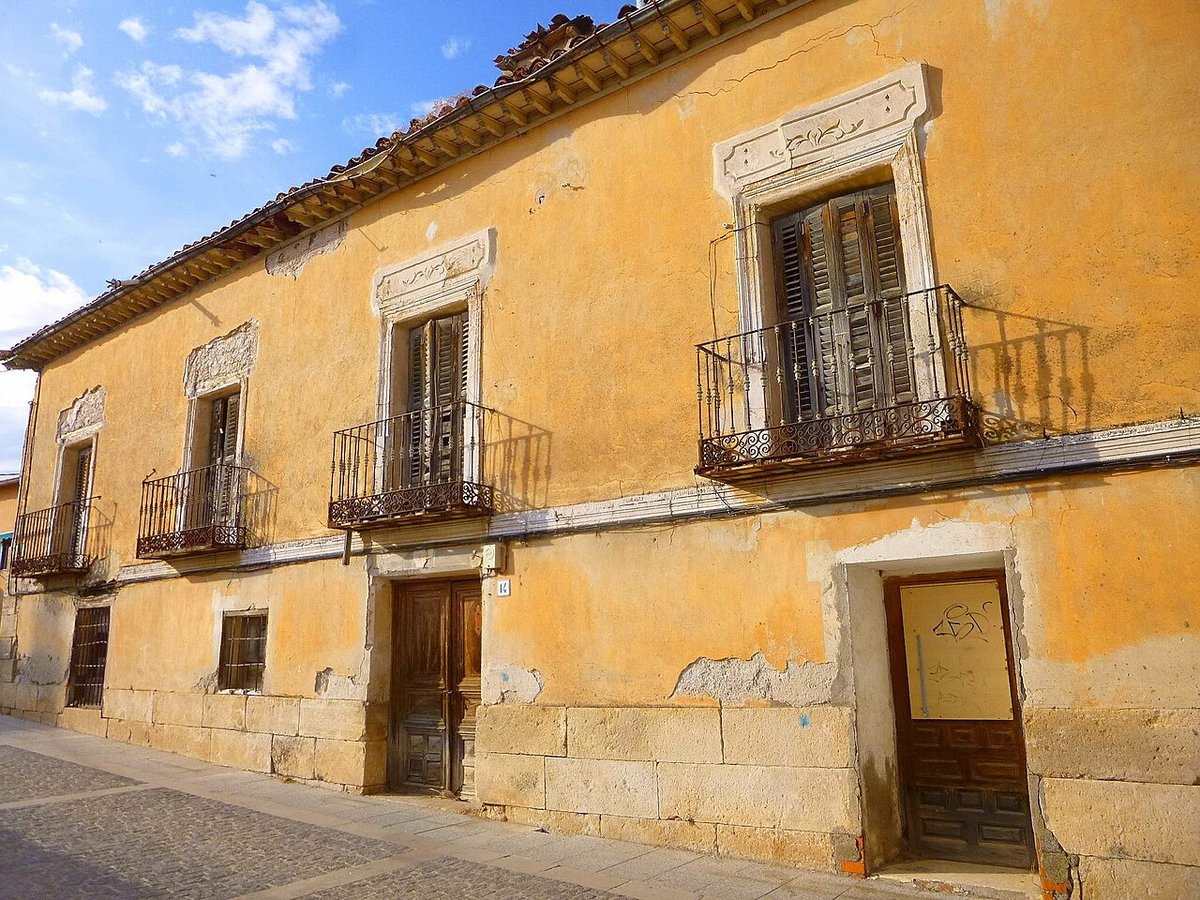
No one builds a “pretty” village on purpose; they simply survive long enough to look coherent. Braojos has managed 900-odd years, and its houses show the timeline: granite footings 80 cm thick, timber balconies blackened by altitude sun, occasional 1970s brick patches where a wall collapsed and someone had to improvise. The streets are too narrow for two vehicles to pass, so drivers leave cars at the lower plaza and walk. That is the whole plan: park, breathe, look up.
The Iglesia de San Vicente Mártir dominates the western edge. From the outside it is sturdy rather than beautiful, but push the heavy door (afternoons only, unless the sacristan is in a good mood) and you’ll find a nave painted custard-yellow, a 16th-century Flemish panel of the Crucifixion and a baby-grand organ that still works. Drop a euro in the box and the lights flicker on long enough to remind you that this was once the richest building for miles.
Beyond the church the lanes shrink to shoulder width. Peer over a low wall and you’ll spot the original communal laundry – a stone trough fed by a spring that runs even in August. The water is cold enough to make your wrist ache; locals still fill bottles here, insisting it tastes better than the treated supply.
Walking Tracks That Start at Your Doorstep
You don’t “drive to the trailhead” in Braojos; you simply keep walking uphill. Three minutes past the last house the asphalt gives way to a dirt track signed “Puerto de la Quesera, 5 km”. The gradient is gentle but steady, winding through holm oak and, higher up, sweet chestnut. After forty minutes the village shrinks to a russet smudge and the view opens across the Lozoya valley. On a clear day you can pick out the blue-grey bulk of Bola del Mundo to the north-west, a summit more usually associated with Madrid’s weekend ski traffic than with a quiet village stroll.
Maps are downloadable from the Sierra Norte tourist office, but the old men at the bar will happily sketch a loop on the back of a lottery ticket. Their favoured circuit – Braojos–Cruz de la Muela–Fuentemilanos–Braojos – is 11 km, takes three and a half hours and delivers 400 m of ascent. Spring brings carpets of lavender and the risk of ticks; after October the same path can be edged with snow, so carry at least a lightweight pole.
What You’ll Eat and Where You’ll Sleep
There are no restaurants in the Michelin sense. Mesón de la Villa opens five tables for lunch and another four for dinner; if you haven’t rung before 11 a.m. you may be offered the bar stool. The menu is short and seasonal: judiones de Braojos (butter beans the size of a 50-p piece, stewed with partridge), lechazo castellano (milk-fed lamb that arrives as two pink ribs and a sheet of crackling), and a flan whose caramel tastes faintly of wild rosemary honey. A half portion of lamb is plenty for two British appetites; count on €18 apiece for three courses, bread and a glass of house red from Buitrago. Vegetarians get a giant pisto (Spanish ratatouille) and a lecture on why beans need jamón to taste authentic.
Accommodation totals 32 beds, split between four rural houses. Casa de la Quesera has underfloor heating and Wi-Fi that actually reaches the bedrooms; Casa Rural El Roble is cheaper, colder, and keeps a basket of firewood by the door like a hotel minibar. Weekend rates hover around €90 for two, including breakfast (fresh orange juice, thick hot chocolate, sponge cake baked in a wood oven). August is booked solid by Madrid families escaping the city heat; mid-week in March you’ll have the place to yourself and the owners will knock 20% off if you stay three nights.
Winter Silence, Summer Stars
Snow arrives earlier here than in the capital – sometimes by late October – and the Ayuntamiento keeps one plough for the whole municipality. Chains are rarely mandatory, but the final 6 km from the A-1 can turn glassy after dusk. British homeowners drive out for Christmas precisely because the village shuts down: no supermarket queues, no fireworks, just log smoke and the occasional owl. Night skies are dark-sky grade; bring a torch for the walk back from the bar and you’ll see Orion so sharp it looks three-dimensional.
Summer, by contrast, is dry and breezy. Daytime peaks of 32 °C feel cooler than on the coast because the air lacks humidity; nights drop to 16 °C, so you’ll still want a jumper. The fiestas of 15 August involve a foam party in the plaza (yes, really) and a communal paella for 200 people. Visitors are welcome to stir the pan; bring your own apron.
The Honest Catch
Braojos is tiny. If you arrive expecting gift shops or evening cocktails, you’ll be driving to Buitrago (25 min) for entertainment within two hours. Mobile signal is patchy on EE and Vodafone; WhatsApp messages stall unless you stand by the church door. There is no cash machine and the bar doesn’t take cards for bills under €20, so fill your wallet before you leave the M-607. Finally, altitude headaches are real – the village sits higher than Ben Nevis – so drink more water than you think you need on the first afternoon.
Come anyway. Walk the chestnut woods at dawn, eat lamb so tender it slips off the bone, and listen to a silence deep enough to carry the clang of a distant cowbell. Braojos won’t change your life, but it will remind you what Spanish villages looked like before souvenir ashtrays arrived.