Full Article
about El Berrueco
Gateway to the Sierra Norte, beside the Atazar reservoir; noted for its pillory and granite setting.
Hide article Read full article
El Berrueco es ese pueblo que te encuentras cuando te sales de la autovía
Vas por la A-1, te sales en la salida de moda para ir a la sierra, y en vez de eso, giras hacia donde hay menos coches. De repente, el paisaje se aplana un poco, aparecen unas rocas redondas como bolas gigantes entre los árboles, y ahí está El Berrueco. No es un destino, es más bien una parada. La clase de sitio al que llegas casi por casualidad.
¿Merece un desvío? Depende. Si buscas tiendas de artesanía y un ambiente animado, sigue conduciendo. Pero si te apetece estirar las piernas en un lugar donde el silencio tiene peso y el granito es el protagonista de todo, entonces sí.
Un núcleo pequeño, hecho a la medida del granito
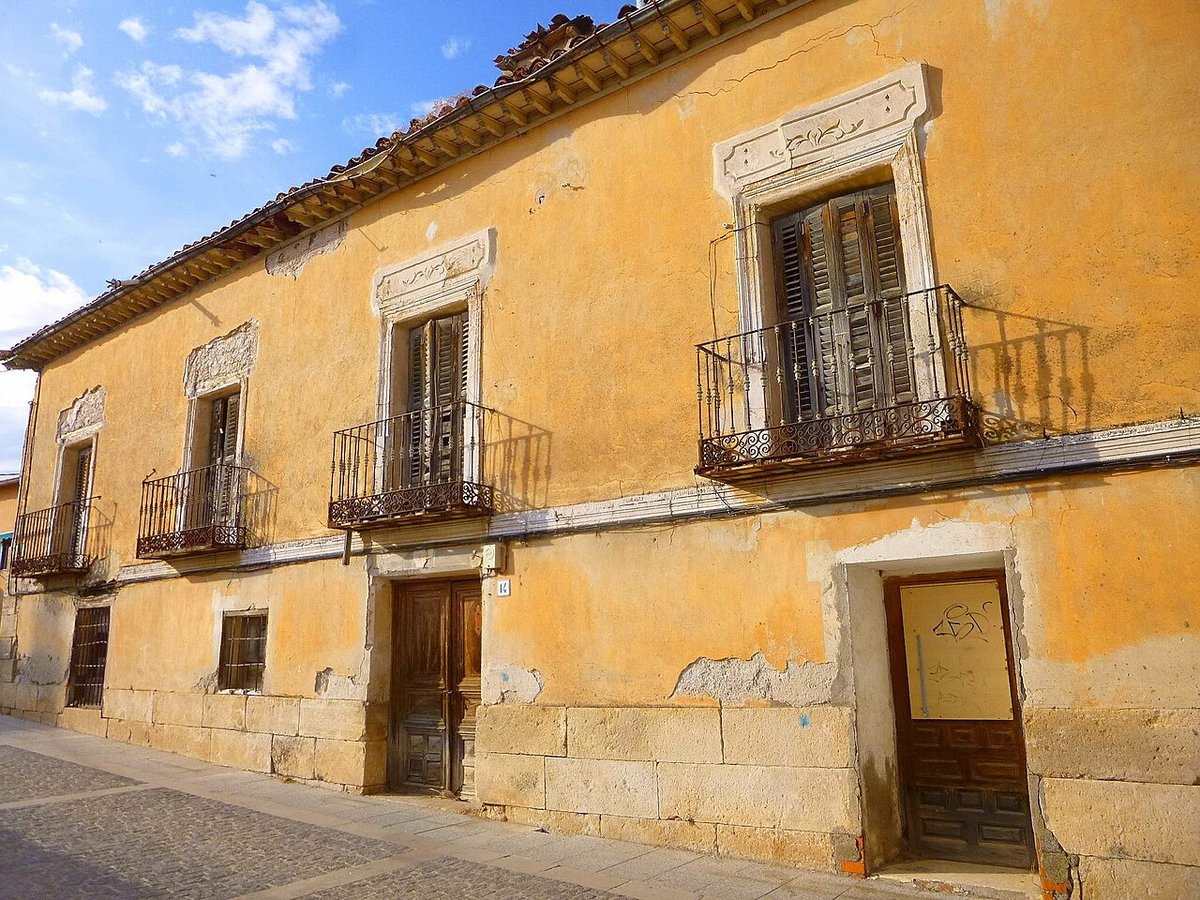
El pueblo es compacto. Lo recorres en diez minutos. La iglesia de San Andrés Apóstol no va a quitarte el hipo; es más bien robusta y seria, como casi todo aquí. Las calles son estrechas, del ancho justo para que pase un coche rezando, flanqueadas por casas de piedra con balcones de hierro. Tiene ese aire de martes por la mañana en invierno: tranquilo, sin aspavientos.
Lo que define El Berrueco no está tanto dentro como alrededor. Los berruecos, esas moles graníticas redondeadas por el tiempo, son los vecinos más ilustres. Algunas parecen camiones volcados; otras son perfectas para que los niños (y no tan niños) trepen un rato. Están ahí desde siempre, como muebles viejos en el jardín de nadie.
Salir a caminar es obligatorio (y fácil)
Si solo ves el casco urbano, te vas con la sensación de que te falta algo. La gracia está en ponerte las zapatillas y salir por cualquiera de los senderos que nacen en las últimas casas.
La Ruta de los Berruecos es la más conocida. No es una hazaña alpina; es un paseo largo donde puedes ir hablando sin ahogarte. El terreno es amable al principio y se pone un poco más serio según te alejas. Verás ciclistas –esto conecta con otras rutas– y si levantas la vista, con suerte, algún buitre planeando.
Cerca está la Dehesa Boyal, una zona abierta de encinas. Es el sitio para sentarse en una piedra cinco minutos y terminar quedándote media hora mirando al embalse.
Comer como en casa (de tu abuela serrana)
No esperes cartas gourmet ni platos con flores comestibles. Aquí se come lo de siempre: cordero asado, guisos contundentes, quesos de la zona. En otoño, si ha llovido bien, puede que haya setas. Es comida para después de andar, del tipo que pide una sobremesa tranquila antes de volver al coche.
Lo que haría yo: venir sin prisa y con buen calzado
Mi fórmula sería esta: llegar a media mañana, dar una vuelta por las calles para coger el tono (media hora basta), y luego dedicar al menos otra hora o dos a perderse por los caminos entre berruecos y encinas.
Evita el mediodía en pleno verano. Aquí no hay mucha sombra en los caminos y puede ponerse intenso, como pasear por un aparcamiento al sol en agosto.
Tampoco cometas el error de juzgar el pueblo solo por su entrada o su plaza principal. Es como ver solo la portada de un libro: no te enteras de nada.
Para organizarlo: Desde Madrid se llega en algo más de una hora sin complicaciones. Aparcar suele ser sencillo fuera de festivos muy concretos. Puedes hacer una visita exprés (una hora), pero cobra más sentido si le dedicas una mañana entera o lo combinas con otros pueblos cercanos de esta parte olvidada –y bastante auténtica– de la Sierra Norte madrileña