Full Article
about Garganta de los Montes
Mountain village that preserves its traditional architecture; known for its open-air sculptures of rural life.
Hide article Read full article
First Glimpse of the Valley
The first sight of Garganta de los Montes usually comes just after a tight bend in the road. The valley suddenly opens up and the village appears, its houses built from dark stone and weathered wood, leaning into the slope. Early in the morning, light filters through oak and ash trees, and the ground still holds the dampness of the night.
With just over four hundred residents, the pace here is unhurried. A door opens, a car passes along the main street, a dog crosses the square without urgency. Nothing seems to compete for attention. The rhythm of the place reveals itself gradually, in small, ordinary movements.
Streets of Stone and Small Gardens
The centre of the village can be explored quickly, though there is no need to rush. Streets are short and fairly straight, often ending at a fountain or a small vegetable plot enclosed by dry stone walls. In summer, tomato plants and onions still grow behind low walls, with coiled hoses left in a corner.
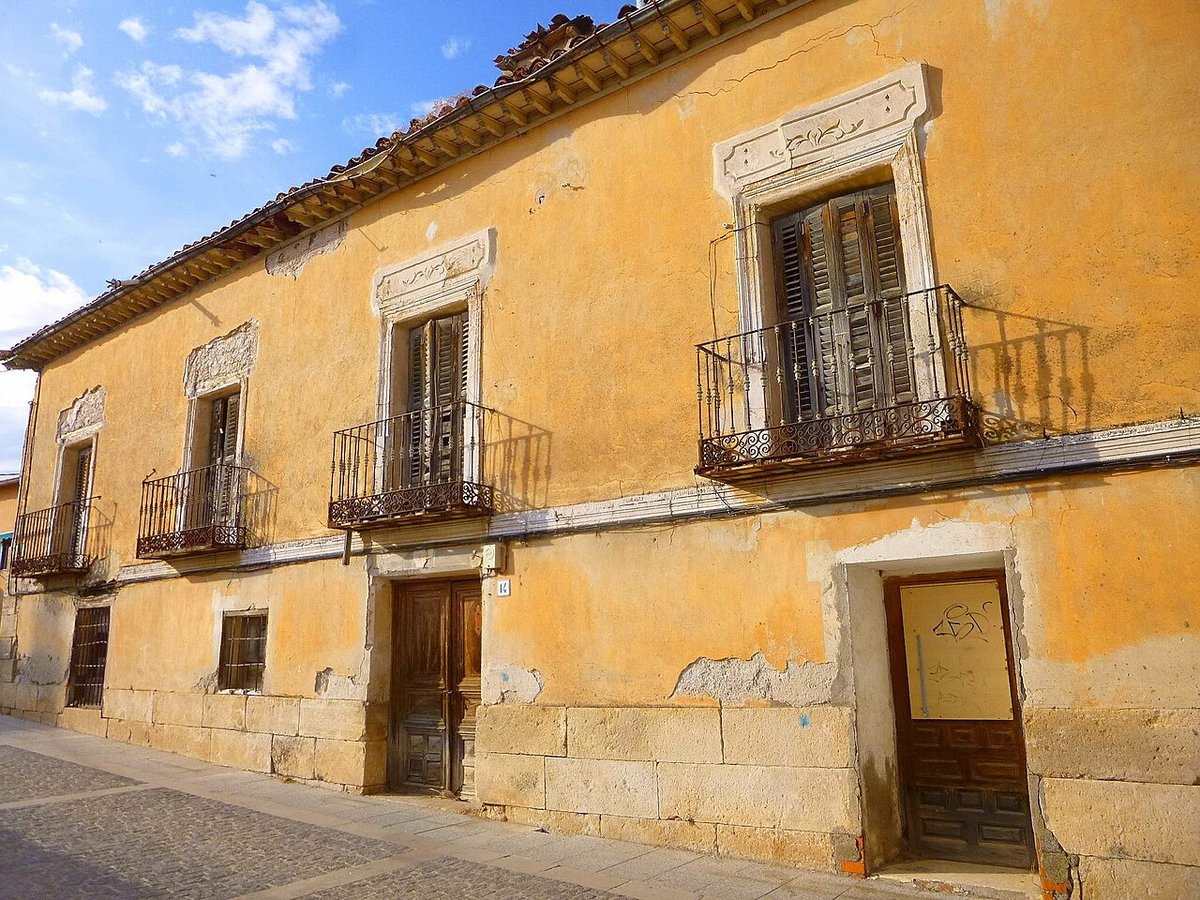
Buildings combine thick stone walls with wooden beams and balconies darkened by age. There are no large structures. Most houses rise just two storeys, facing either the valley or the nearby meadows. At the edges of the village, old threshing floors and enclosures remain, once used for livestock. Some are still in use, while others are slowly being reclaimed by grass.
From many windows, the changing seasons shape the view. In autumn, the meadows turn yellow and the woodland deepens in tone. Winter brings frost that leaves a pale sheen on stone walls at dawn. Snow still falls some years, and when it does, the quiet becomes so dense that footsteps can be heard crunching across the street.
San Pedro and the Sound of Water
The parish church of San Pedro Apóstol stands in a central position. It is a simple stone building, likely constructed several centuries ago and altered over time. Its bell tower, topped with uneven reddish tiles, is visible from almost anywhere in the village.
Inside, decoration is minimal: wooden pews, pale walls and a modest altarpiece. Around mid-morning, there is often a little movement outside, as neighbours pause to talk before continuing with their day.
Nearby is one of the village’s best-known fountains, La Capilla. On hot summer days, the sound of water can be heard before it comes into view, falling steadily. People sometimes stop here with containers or simply to cool their hands after a walk.
A few steps away lies the main square. It is not large, but it becomes the focal point during local celebrations and gatherings.
Paths into the Lozoya Valley
Several paths lead out from Garganta de los Montes into meadows and patches of woodland. Some sections follow marked trails of the Sierra Norte, identified by white and red paint on stones or posts.
One of the most common routes climbs towards the pine-covered hills. As the path rises, the village recedes below and the Lozoya Valley opens out between rounded mountains. Early in the morning or towards evening, deer are sometimes seen moving through clearings. Wild boar leave quieter signs: disturbed soil and fresh tracks near streams.
After rainfall, the ground can become slippery, particularly where mud or exposed roots appear. Footwear with a good grip is advisable, even for a short walk.
Seasons Along the Trails
Autumn carries the scent of damp leaves and turned earth. After several days of rain, puddles form that reflect the grey sky between the oaks. If the season is favourable, níscalos (a type of wild mushroom common in Spain) begin to appear along the edges of the paths.
Spring brings quicker changes. Wildflowers emerge along the margins, including daisies, rose hips and, in some areas, daffodils. The calls of blackbirds and thrushes fill the morning quiet. Dry stone walls, which may seem plain at first glance, reveal careful construction on closer look, with small gaps where moss and tiny plants take hold.
Local Traditions and Rural Rhythm
Festivities continue to shape part of the village calendar. At the end of June, events take place in honour of San Pedro, the parish’s patron saint, with processions and music. During summer, several days of celebrations are usually held in the square.
In winter, some families still maintain the tradition of the matanza del cerdo, the slaughter and preparation of pork for the year ahead. It is a long day that begins early and ends around the fire, with conversations stretching into the night.
The rest of the year revolves around more specific tasks: checking beehives as the weather improves, tending small vegetable plots, or heading into the countryside after autumn rains in search of mushrooms.
A Short Visit, Unhurried
If time is limited, the best way to experience Garganta de los Montes is simply to walk through its centre without a fixed plan. The village does not demand a checklist. Its character emerges in the quiet details: stone against wood, water against silence, and the steady pace of everyday life.