Full Article
about Gargantilla del Lozoya y Pinilla de Buitrago
Twin municipality in the heart of the valley; noted for its railway viaduct and natural setting.
Hide article Read full article
Two Small Villages in the Lozoya Valley
Tourism in Gargantilla del Lozoya and Pinilla de Buitrago is straightforward. These are two small villages in the Sierra Norte of Madrid, a mountainous area to the north of the capital. People come here for a short walk and to see what daily life looks like in a mountain valley. There are no major monuments and no long historic centre to explore.
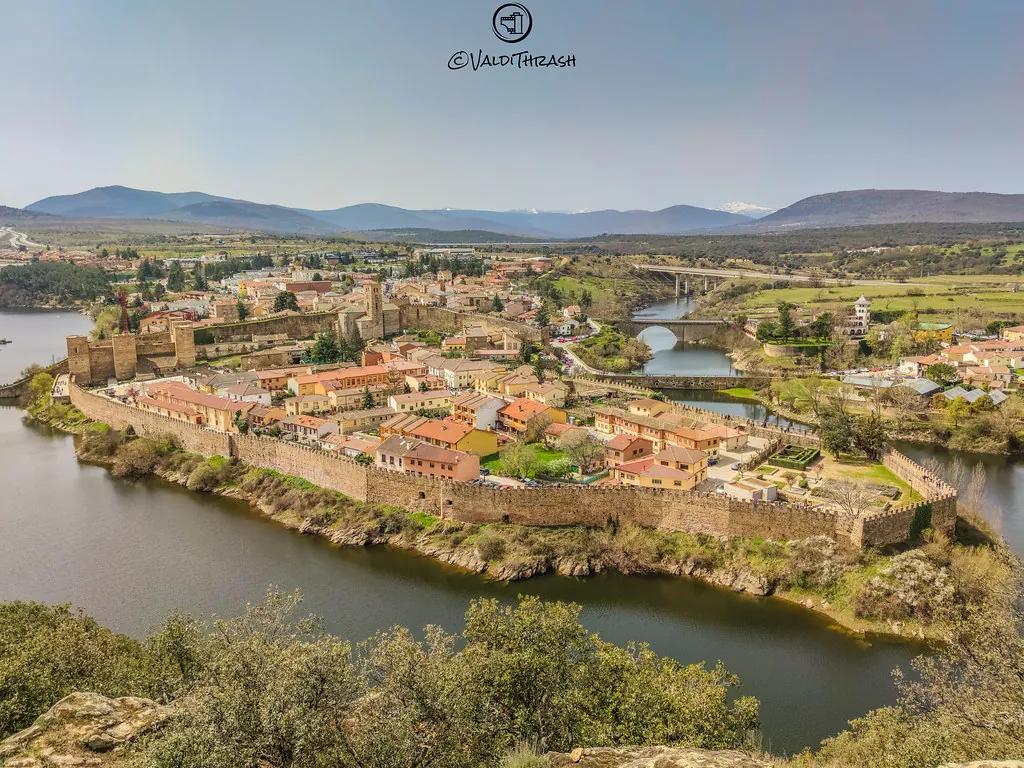
Both villages sit within the Lozoya Valley, a broad stretch of countryside shaped by the river and framed by higher ground. The appeal lies less in individual sights and more in the overall setting. Stone houses, quiet streets and open views define the experience.
This is not a place for ticking off attractions. It suits travellers who prefer a brief pause, a stroll through a rural setting and a change of pace from the city.
Arriving and Parking
The streets in both villages are narrow. If arriving by car, the simplest option is to leave it near the entrance areas and continue on foot. The centres are compact and easy to cover without needing to drive between points.
From Madrid, the usual approach is via the A‑1 towards the area of Buitrago del Lozoya, followed by regional roads. The final stretch involves gentle bends and generally light traffic, although weekends tend to be busier.
Once there, distances are short. There is no need to plan a complex route through the villages, as everything can be reached within a few minutes’ walk.
Gargantilla del Lozoya: Stone and Simplicity
Gargantilla del Lozoya revolves around its church. It is a simple stone building, visible from several points in the village. Decoration is minimal. The structure serves its purpose without ornament or flourish.
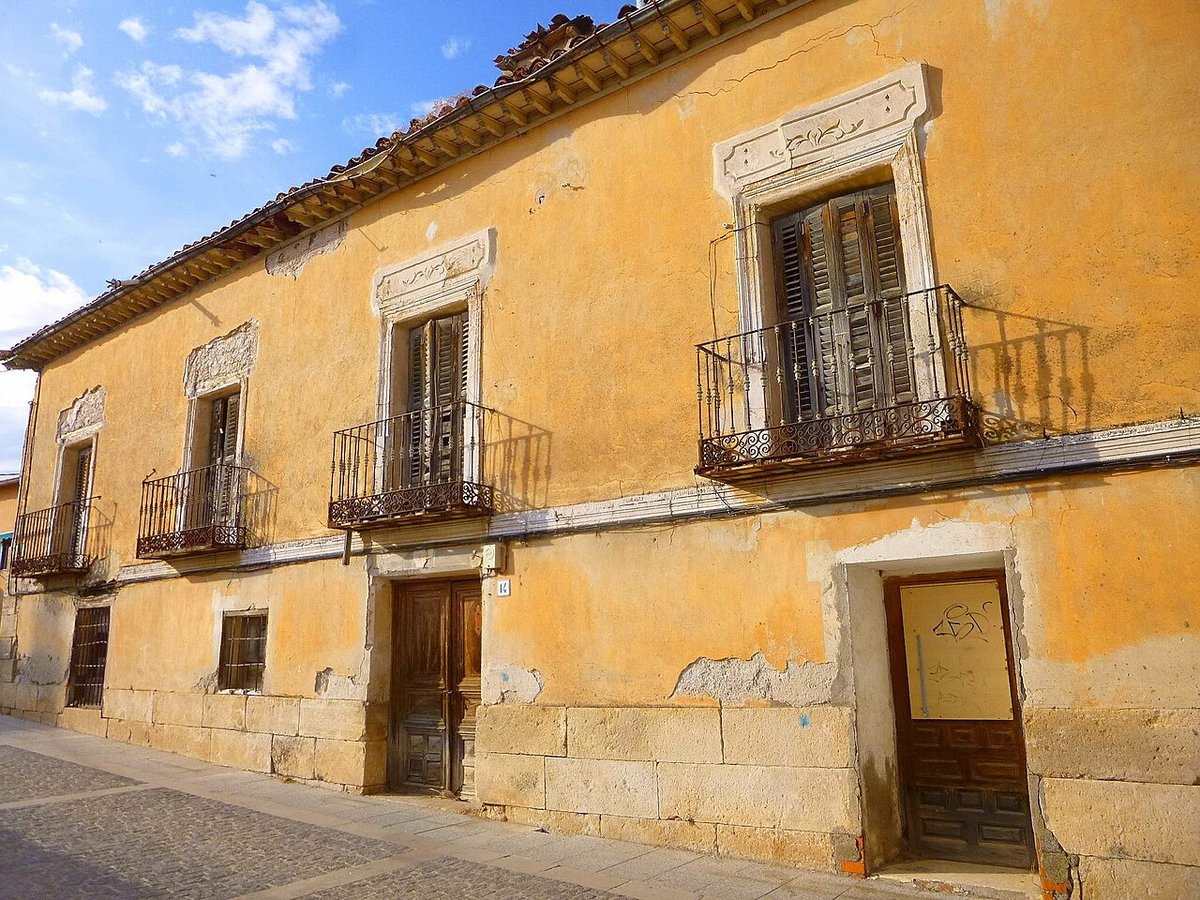
Around it, the streets retain their traditional rural layout. Stone houses line the lanes. There are small courtyards and the occasional high wall that once enclosed animal pens. The scale is modest and practical.
Old fountains remain in place. For many years they supplied water to the village. They are part of the everyday landscape rather than marked attractions, yet they hint at how the community functioned in the past.
A slow walk through the surrounding streets is enough to understand the rhythm of the place. There is little traffic and no defined tourist circuit. The interest comes from observing the buildings as a whole and noticing how the village fits into the valley.
Pinilla de Buitrago: Even Smaller, Equally Quiet
Pinilla de Buitrago is smaller still. Its atmosphere is similar to that of Gargantilla del Lozoya. There is another sober church and a handful of short streets that can be explored in a short time.
Half an hour is enough to walk through the entire village. There are no striking monuments or elaborate façades. As in Gargantilla, the attraction lies in the ensemble and in the surrounding landscape.
The limited size of both places shapes the visit. There is no need for a detailed plan. A simple circuit on foot covers everything of note.
Walking Beyond the Village Streets
The most rewarding part of the visit lies outside the built-up areas. Paths lead from both villages towards meadows, oak woods and areas of pine forest. These tracks connect the settlements to the wider countryside.
Not all routes are clearly signposted. It is sensible to check the route in advance or carry a basic map. Even so, the terrain is fairly open, and it is difficult to get lost if you do not stray too far from the villages.
In certain spots, the land opens up and offers views across the Lozoya Valley. You do not need to walk far to find these panoramas. Sometimes just a few hundred metres from the last houses is enough for the perspective to change.
The transition is gradual. One moment you are passing stone walls and small plots of land, and shortly afterwards you are among grassland or trees. The setting encourages a relaxed pace rather than a long-distance hike.
Short on Time
Two hours are sufficient to see both villages. A practical order is to begin in Gargantilla del Lozoya: visit the church, find one of the old fountains and wander through the nearby streets. Then continue to Pinilla de Buitrago, which can be covered quickly.
If there is an extra half hour available, it is worth stepping out along one of the nearby country paths. At around five hundred metres from the village, the view often shifts. Houses give way to open land, and the valley becomes more apparent.
The scale makes it easy to adapt the visit. It can be a brief stop on a wider route through the Sierra Norte, or a short outing focused solely on these two villages.
When to Visit and Practical Notes
Spring and autumn are generally the most pleasant seasons for walking. The landscape changes noticeably with the seasons, particularly in areas of oak woodland. Colours and light vary across the year, which alters the feel of the valley.
Summer can be hot in the middle of the day, although temperatures tend to drop later in the afternoon. In winter there may be frost, and some paths can become slippery if there is ice. Conditions are simple and natural, with little intervention.
It is advisable to bring water and something to eat if planning to stay for several hours. Services are limited, and the usual plan is uncomplicated: a walk, back to the car, and then on to the next stop in the sierra.
Gargantilla del Lozoya and Pinilla de Buitrago do not try to impress. Their interest lies in their scale, their quiet streets and the surrounding valley. For those willing to slow down, that is enough.