Full Article
about Gascones
Small mountain village with a livestock tradition; offers peace and trails along the Cañada Real.
Ocultar artículo Leer artículo completo
The thermometer on the car dashboard drops eight degrees in the final twenty minutes. First the pine trees appear, then the road begins to corkscrew, and finally a scatter of stone houses slides into view at 1,160 m. Gascones is less a destination than a breather on the climb to the Somosierra pass, but plenty of Brits find themselves lingering longer than planned once the engine cools and the silence sinks in.
A village measured in minutes
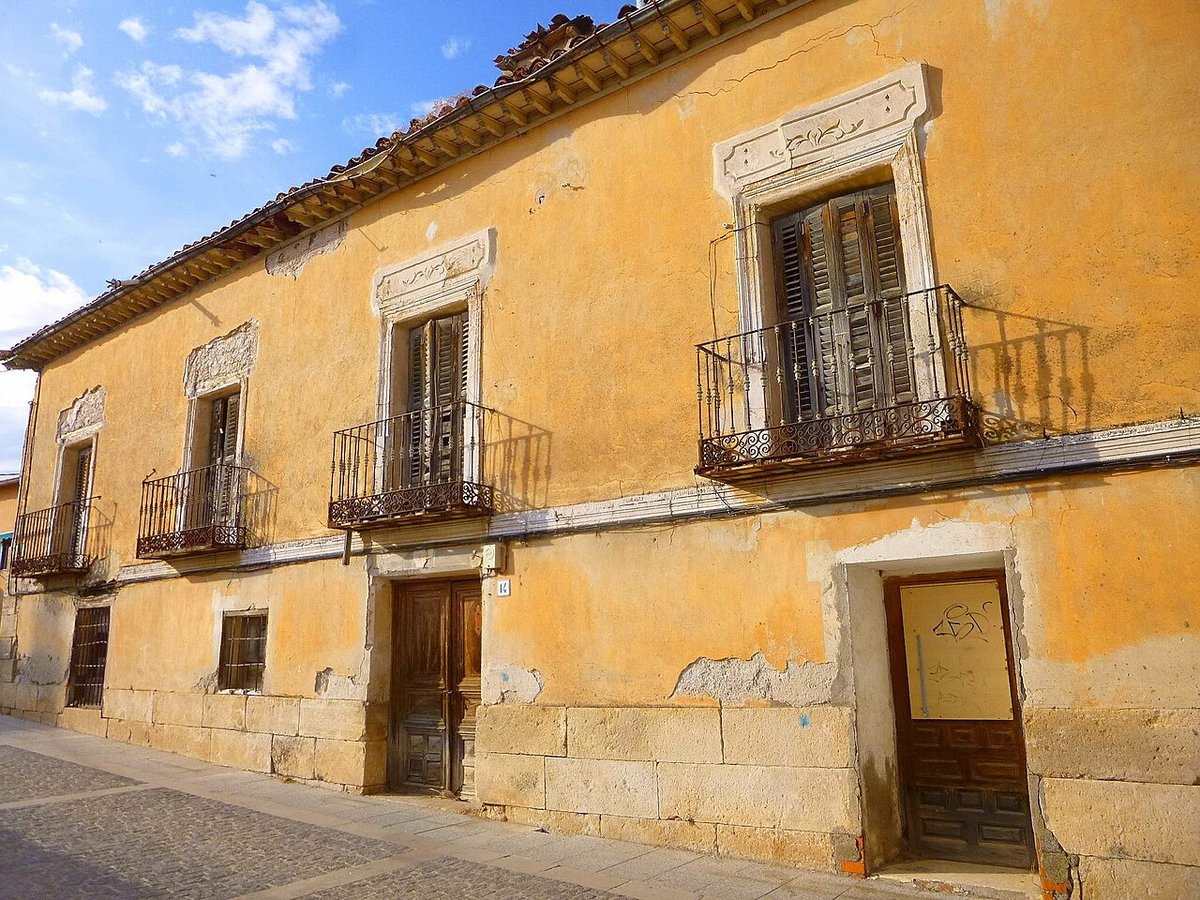
You can walk from one end of Gascones to the other in four flat minutes, five if the cobbles are slick after rain. The single main street, Calle Real, doubles as the M-629; locals pull their cars onto the gravel verge and leave the keys on the dash while they nip into the bakery for bread that is still warm at 11 a.m. Stone houses, most rebuilt after the Civil War, line up like terraced cottages on a Yorkshire slope, their wooden balconies painted the same ox-blood red you see in Segovia. There is no medieval core to tick off, no gift shop quarter, just a church, a fountain and two restaurants that between them account for half the village’s daytime trade.
Sunday lunchtime is the weekly performance. Families from Madrid arrive in convoy, boots caked with red clay from the nearby Río Lozoya trails. By 13:30 every table at Restaurante Charo is taken and the smell of holm-oak charcoal drifts across the street. Order the judiones de la Granja—buttery butter-bean stew the texture of a French cassoulet—and a chuletón for two (1 kg of rib-eye, £38, cooked rare unless you protest). The house cheesecake arrives in a clay dish, crustless and still wobbling, tasting like baked New York meets crème-brûlée top. A glass of local cider (La Sierra, slightly sweeter than Asturian, £2.40) washes it down without the gassy punch of Spanish lager.
Altitude changes everything
At this height the Sierra Norte behaves more like the Peak District than Castile. Spring starts three weeks late; wild narcissi appear in May, not March. Summer afternoons top 27 °C but the air thins after six o’clock and you will want a fleece for the walk back to the car. Autumn is mushroom season: whole families vanish into the pine and oak with wicker baskets, emerging at dusk to compare boletus hauls on the church steps. Winter is serious business: night frosts from October, occasional snow that closes the M-629 for hours, and a wind that whistles straight off the Guadarrama plateau. Check the DGT traffic app before you leave Madrid; the last bend after Buitrago is notorious for black ice.
Hiking options begin at the edge of the village. A fifteen-minute stroll on the Camino de Robregordo leads through Scots pine to a mirador that drops away over the Lozoya valley—nothing dramatic, just a wide green bowl that makes the city feel farther than 75 km. Serious walkers can link into the GR-88 long-distance path, a six-hour traverse to Patones de Arriba with 600 m of ascent and vultures overhead. Mountain-bikers use the forest tracks that web the hillside; hire bikes in Torrelaguna (25 min drive) if you did not bring your own.
Practicalities without the brochure speak
Fill the tank before you leave the A-1—Gascones has no petrol station and the nearest 24-hr Repsol is back at km 72. Bring cash: the only ATM is inside Restaurante Charo and it charges €2 a pop. Parking is free but courteous; pull in tight so the farmer can still get his tractor through the 2.5 m gap between houses. There is no pavement, so pack shoes with grip; the polished cobbles turn lethal after a shower.
Accommodation is limited to four guest rooms above the bakery and a clutch of Airbnb cottages. Prices hover around £65 a night for two, including breakfast of toasted village bread and local honey. Most UK visitors treat Gascones as a cheap lay-over before an early Barajas flight: leave at 06:30 and you are at Terminal 4 in 70 minutes, all motorway after the initial 12 km descent. The alternative—an airport hotel—costs twice as much and you still wake up to aircraft noise.
When to bother, when to drive on
Come in April for orchids on the roadside banks, or mid-October when the poplars along the Lozoya flash gold and the restaurants lay on set menus with partridge and roasted chestnuts. August is tolerable thanks to the altitude, but the weekend exodus from Madrid clogs the single street and you will queue 40 minutes for lunch. January is stark and beautiful if you enjoy empty trails and the crackle of a log burner, but pack chains and a thermos—road closures are routine and the bakery shuts without notice when the owner decides the snow is too deep.
Gascones will never make anyone’s “top ten” list. It has no castle, no craft-beer taproom, no Sunday market worth a detour. What it offers instead is altitude-bred clarity: the smell of charcoal and pine resin, a bowl of beans that tastes of thyme and wood-smoke, and the quiet that descends once the last Madrid 4×4 has zig-zagged down the hill. Stay for lunch, walk the track to the mirador, and leave before the sun drops behind the Sierra—unless the forecast promises frost, in which case the bakery rooms are heated and the cheesecake is still warm at nine.