Full Article
about La Serna del Monte
Quiet little mountain spot; it has a sundial and easy nature trails.
Hide article Read full article
Aparece en una curva, como un amigo que no esperabas ver
Iba buscando otra cosa, uno de esos pueblos con nombre más sonoro de la Sierra Norte, y de repente, tras una curva cerrada, ahí estaba. La Serna del Monte es ese tipo de sitio que te encuentras, no al que llegas. Si vienes buscando animación o planes organizados, te vas a aburrir. Pero si lo que quieres es entender el ritmo de un pueblo de verdad en esta sierra, donde el paisaje es el protagonista y las casas un apunte, entonces has acertado.
Con poco más de cien vecinos, la vida aquí tiene otro compás. Se nota en el aire frío a mil metros de altura y en un silencio que no es ausencia de ruido, sino presencia del viento en los robles.
Calle Real y poco más: la arquitectura sin pretensiones
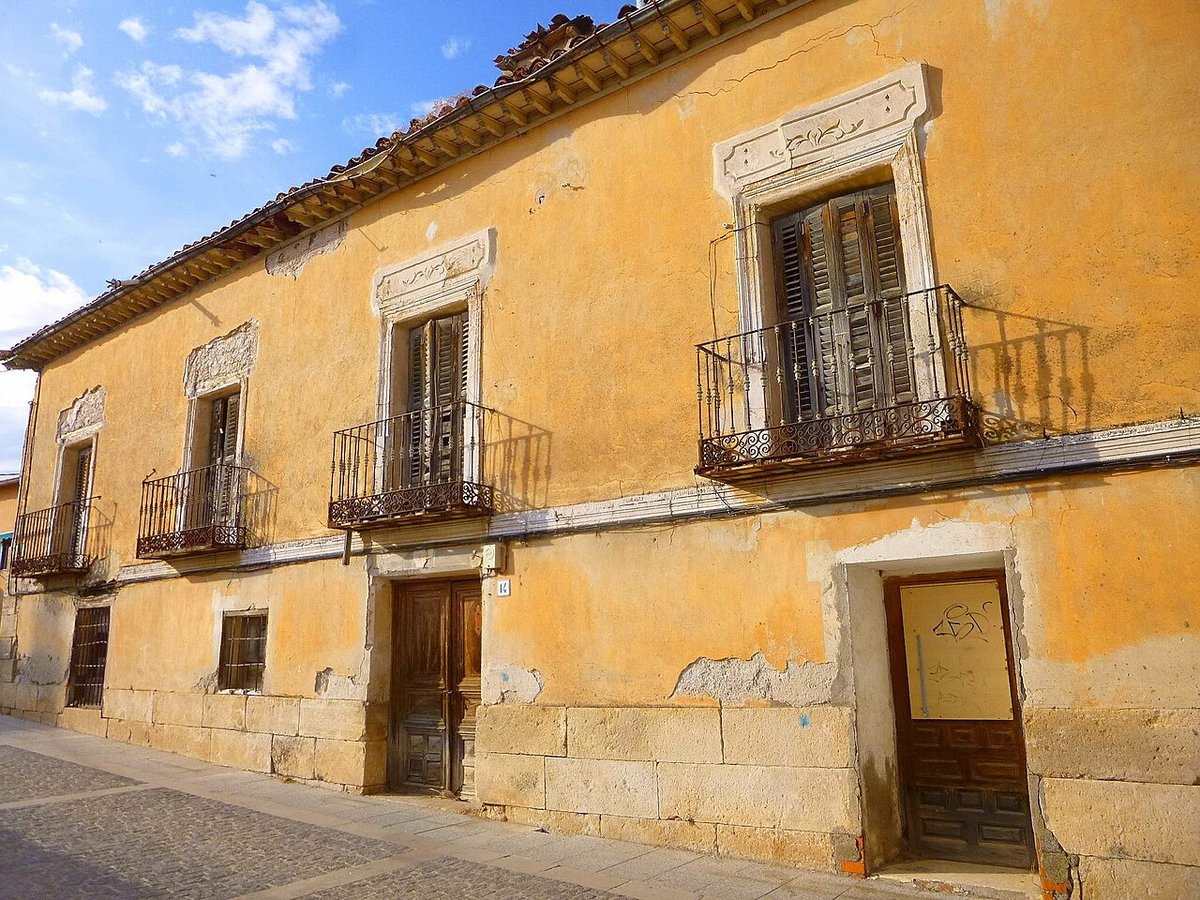
Pasear por La Serna se hace en diez minutos. No es broma. Calle Real lo atraviesa y de ella salen callejuelas que suben o bajan por la ladera. Las casas son el manual práctico de cómo vivir en la montaña: piedra gruesa, ventanas pequeñas, tejados a dos aguas. Nada es decorativo. Todo sirvió para algo, sobre todo para aguantar inviernos duros.
Al final del paseo está la iglesia de San Andrés. Es del siglo XVI, dicen, pero lo que importa es cómo se ve: sólida, sencilla, como todo aquí. No vas a alucinar con su arte, pero encaja perfectamente con el tono del pueblo. Alrededor quedan muros de piedra seca y corrales vacíos que te recuerdan que esto siempre ha vivido del campo.
Donde termina el asfalto empieza lo bueno
La razón para venir está justo después de la última casa. Unos pasos y ya estás en un camino de tierra que se mete en el bosque de roble melojo. No hay carteles brillantes ni centros de interpretación. Son las veredas de siempre.
En otoño tardío, pisar la alfombra de hojas secas suena a crujido constante, como andar sobre papel arrugado. Si paras un momento, ves movimiento entre los arbustos: corzos casi siempre, algún jabalí lejano y buitres planeando arriba. También hay arroyos pequeños entre las piedras; nada espectacular, pero le ponen banda sonora al paseo.
Paseos cortos con vistas largas
Desde el pueblo salen varios caminos fáciles hacia los prados abiertos. Son más paseo que ruta de senderismo. En verano avanzas entre hierbas altas junto a los muros; después de llover se pone embarrado y hay que ir con cuidado. En invierno cambia todo: con nieve los caminos se difuminan y necesitas más atención donde pisas.
Es buen terreno para mirar al cielo sin prisa. A primera hora o al atardecer se ven zorzales, rapaces sobre las copas y mucho movimiento en el límite del bosque.
Fiestas para los suyos (y tú puedes mirar)
El momento más vivo del año es Santa Ana, a finales de julio. Vuelven familias y gente con casa aquí aunque vivan en Madrid. Hay misa, música en la plaza y sobre todo charlas en corro. No es un espectáculo montado para forasteros; parece más la reunión grande de un vecindario.
El invierno es justo lo contrario: muchas casas solo se abren los fines de semana y La Serna vuelve a su ritmo lento. Con frío o nieve pasear por alrededor tiene otra calma, más profunda.
Cómo no complicarse la visita
No hace falta planificar nada. Llegas aparcas donde puedas (no suele haber problema), recorres Calle Real fijándote en los dinteles de piedra o las puertas viejas. Te acercas a la iglesia y luego tomas cualquiera de los caminos hacia el campo. En un par de horas lo has visto todo.
La Serna no intenta impresionarte. Se queda como es: pequeño callado rodeado de monte bajo. Si buscas monumentos o ambiente turístico sentirás que falta algo. Si lo tomas como una pausa auténtica dentro dela Sierra Norte entonces funciona