Full Article
about Lozoyuela-Navas-Sieteiglesias
Municipality made up of three settlements; a crossroads in the sierra with medieval necropolises
Hide article Read full article
A quieter corner of Madrid’s Sierra Norte
Some places come with a mental checklist of sights. Others ask you to slow down, otherwise you pass through without noticing much at all. Tourism in Lozoyuela‑Navas‑Sieteiglesias works more like the latter. This is not about ticking off landmarks. It is about walking for a while, looking around, and letting the landscape do its thing.
The setting is the Sierra Norte of Madrid, just over an hour from the capital when traffic allows. The municipality brings together three small settlements, Lozoyuela, Navas de Buitrago and Sieteiglesias, with plenty of open countryside around them. Expect oaks, meadows, stone walls and paths that feel more like routes between plots of land than planned weekend trails.
Three villages within easy reach
Lozoyuela is usually the liveliest of the three. There are a few traditional shops, cars coming and going, and the Iglesia de San Juan Bautista, generally dated to around the 16th century. It is not a monumental site, but it anchors the centre and helps make sense of how these settlements grew over time.
Navas de Buitrago shifts the atmosphere. Houses sit further apart here, often with small kitchen gardens nearby. Chickens roaming freely are still a normal sight, and plots with vegetables appear along the edges of the village. Walk down a quiet street and you are more likely to hear a barking dog or a tractor than anything resembling city noise.
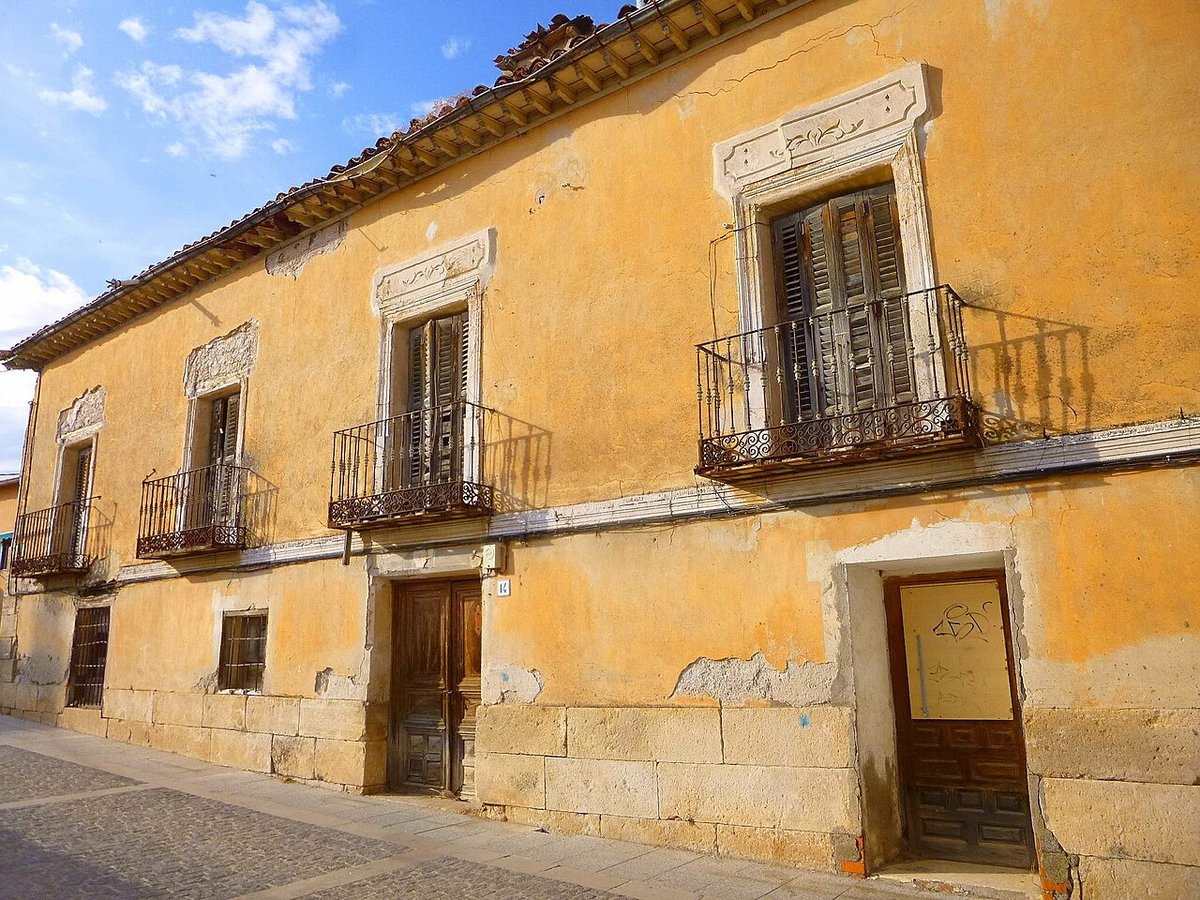
Sieteiglesias keeps a good amount of traditional architecture. Stone walls are common, with some adobe on certain façades and roofs covered in curved tiles. Windows tend to be small, which makes sense when you remember how cold winters can be in this part of the region.
Paths that favour wandering over planning
One of the most appealing aspects of this area is the network of paths linking villages and farmland. There is no need to plan a major outing. It is enough to follow a dirt track and see where it leads.
Short routes connect meadows with small streams. The landscape is open, so views stretch quite far in many directions as you walk. Autumn brings a ground covered in leaves and chestnuts. Spring turns everything a vivid green, the kind that arrives suddenly in the mountains and does not last long.
Early mornings and late afternoons often bring a bit of wildlife activity. Foxes appear from time to time, birds of prey circle overhead, and smaller birds move constantly among the oaks. Nothing is staged or guaranteed, but the rhythm of the place makes these encounters feel natural rather than exceptional.
Quiet roads and the reality of the hills
The secondary roads around Lozoyuela‑Navas‑Sieteiglesias suit cycling quite well. Traffic is generally moderate, and long stretches feel calm.
The Sierra Norte does not make things flat, though. Some climbs look gentle on a map but turn out to be longer than expected. Anyone arriving with a road or gravel bike will notice the gradients in their legs. A relaxed pace helps, especially on those stretches that seem to go on just a bit further than planned.
After heavy rain, dirt tracks between fields can become soft and muddy. It is not unusual to come across sections where the ground holds onto moisture for a while.
A simple plan for a few hours
The scale here is small enough that a full day of planning is unnecessary. A straightforward approach is to begin in Lozoyuela, walk around the centre, and then head towards either Sieteiglesias or Navas de Buitrago on foot or by bike.
In a few hours, it is possible to pass through two of the villages without rushing. Along the way, small squares appear, short streets branch off, and occasional paths open out into the countryside. The walk becomes more rewarding when attention shifts to small details, an old wall, a tucked-away fountain, a threshing floor.
Practical notes to keep in mind
Parking is usually easy, but it pays to be mindful. Many streets are narrow, and access points to fields or farmyards are used every day. A space that looks empty might well be a working entrance for a tractor.
Footwear matters more than it might seem. After rain, the mud on certain paths sticks readily. White trainers can lose their original colour in a matter of minutes.
The weather changes quickly in this part of Madrid. Even in summer, temperatures drop noticeably towards evening. Winter brings wind across the open areas, which can make it feel colder than expected.
More about walking than sightseeing
Anyone arriving in search of major monuments or museums may find the area underwhelming. The appeal of Lozoyuela‑Navas‑Sieteiglesias lies elsewhere, in the landscape and in how it is still used. Kitchen gardens, working paths, open meadows and houses that do not seem designed for photographs define the experience.
This is the kind of place where the best plan is to park, start walking and see what appears around the next bend in the path. Sometimes nothing particularly striking appears at all, and that is precisely the point. The idea here is simple: walk for a while and let the Sierra Norte set the pace.