Full Article
about Montejo de la Sierra
Home of the famous Montejo Beech Forest; Biosphere Reserve with a unique natural setting
Hide article Read full article
At seven in the morning, when the sun is only just lifting above the ridge, Montejo de la Sierra is still half asleep. A door opens somewhere, a car rolls past on its way to the road, and the light falls at an angle across slate roofs. The air smells of damp stone and woodsmoke from a chimney that was lit an hour ago. Travel here often feels like that: quiet moments, short streets, and countryside that begins almost at the edge of the last house.
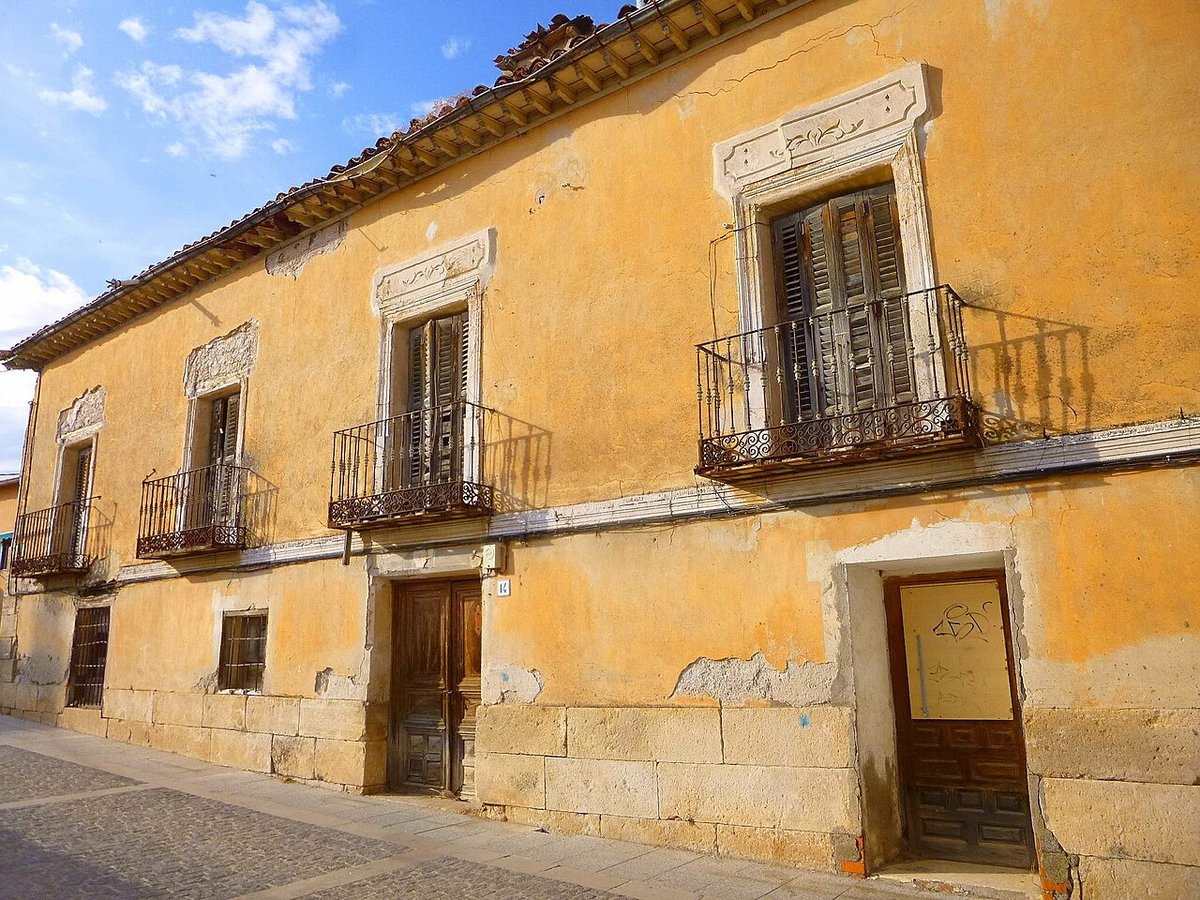
The first impression is usually a narrow street paved with uneven stone, the kind that makes you glance down from time to time. Morning light slides over granite walls and the dark slate rooftops. There is not a great deal of ground to cover. The main streets can be walked in under half an hour at an unhurried pace. Even so, the walk seems to stretch out, as if the rhythm of the village slows everything down.
Walking a village built from granite and slate
Between some houses, there are pots of hydrangeas or clumps of lavender, often dried by the sun. Their muted colours break up the greys of the stone. In the centre stands the church of San Pedro in Cátedra, an old building that has been altered several times over the centuries. Inside, it is restrained: thick walls, dark wood, very little decoration.
Walking around it at an easy pace draws attention to small details. Worn beams, stone benches where people sit for a while in the sun, the kind of conversation that lasts longer than expected. By mid-morning there is usually a bit of movement in the square. Before long, it settles again.
The beech forest by the river
A few kilometres from the village lies the Hayedo de Montejo. The forest spreads across a damp hillside beside the Jarama river, where beech trees grow alongside oaks and other species.
Access has been regulated for years and requires booking in advance; you cannot just show up and walk in. Daily visitor numbers are limited and weekends tend to fill quickly, often weeks ahead in October.
Walking through the beech forest is less about covering distance and more about paying attention. Light filters softly through the trunks, and the ground is often carpeted with leaves that crunch underfoot. In autumn, the colours shift almost week by week, from pale yellow to deep copper.
For fewer people, weekdays are a better option, or visiting outside the peak autumn weeks. The forest remains interesting in winter or spring, but the atmosphere is noticeably quieter, reduced to the sound of water over rocks and wind in bare branches.
Routes that start from your doorstep
Several marked routes start directly from Montejo, crossing oak woods and open meadows. The Jarama river runs nearby and, in some stretches, it can be heard before it comes into view, particularly after heavy rain when the flow is stronger.
The paths are not especially demanding, although there are short inclines that can feel tiring if the ground is damp. After several days of rain, the soil becomes slippery clay; boots with a good grip are necessary then.
With a bit of quiet, it is not unusual to spot movement among the trees. Roe deer sometimes appear at a distance from the path and disappear again within seconds.
A kitchen tied to the hills
Cooking in Montejo de la Sierra is still closely tied to what is raised or gathered locally. In colder months, there are hearty stews and slow-cooked lamb dishes. In autumn, recipes often feature mushrooms from the nearby hills, although their presence depends heavily on how much it has rained that year—some seasons there are none at all.
Cheeses made from goat’s or sheep’s milk in the surrounding area are also common. The overall offer is not especially large or modern. Food here tends to be simple, designed to restore energy after time spent walking.
Notes on timing
Each season alters Montejo in noticeable ways. Autumn draws the largest number of visitors because of the changing colours in the Hayedo, particularly between October and November. For a quieter experience, avoid sunny weekends.
Spring brings very green meadows and mild temperatures, well suited to walking. Winter can be cold and daylight hours are short; you need to start any route by mid-morning.
In summer, the middle of the day can be hot. Many of the paths are more enjoyable early in the morning, when the light is softer and the village still feels close to that first quiet moment—the smell of damp stone and woodsmoke—just before everything properly begins.