Full Article
about Navalafuente
Quiet village on the mountainside; narrow lanes keep its rural charm.
Ocultar artículo Leer artículo completo
The church bell strikes noon, and the only other sound is grain dryers whirring somewhere beyond the stone houses. Navalafuente sits at 910 metres on Madrid's northern plateau, high enough that the air feels thinner than the capital's, yet low enough that oak trees still outnumber pines. This isn't the postcard Spain of whitewashed walls and flamenco; it's the Spain of wheat stubble, red clay roof tiles and villagers who nod politely then carry on with their day.
A Village That Prefers Walking to Talking
Most visitors race past on the A-1, bound for Segovia's aqueduct or the Sierra ski stations. Those who peel off at junction 50 discover a place that measures distance in minutes on foot, not kilometres. The entire urban centre—if a settlement of 1,637 souls can be called that—spans eight short streets radiating from Plaza de San Bartolomé. Walk the perimeter in fifteen minutes; spend an hour if you pause to read the hand-painted ceramic house numbers or watch swallows dive between telephone wires.
The parish church anchors the square, its stone tower more functional than ornate. Step inside and the temperature drops five degrees; the interior smells of beeswax and centuries of woodsmoke. Don't expect explanatory plaques or a gift shop. When mass finishes, the priest locks up and the key returns to the bar on the corner. That's how things work here: shared, practical, unshowy.
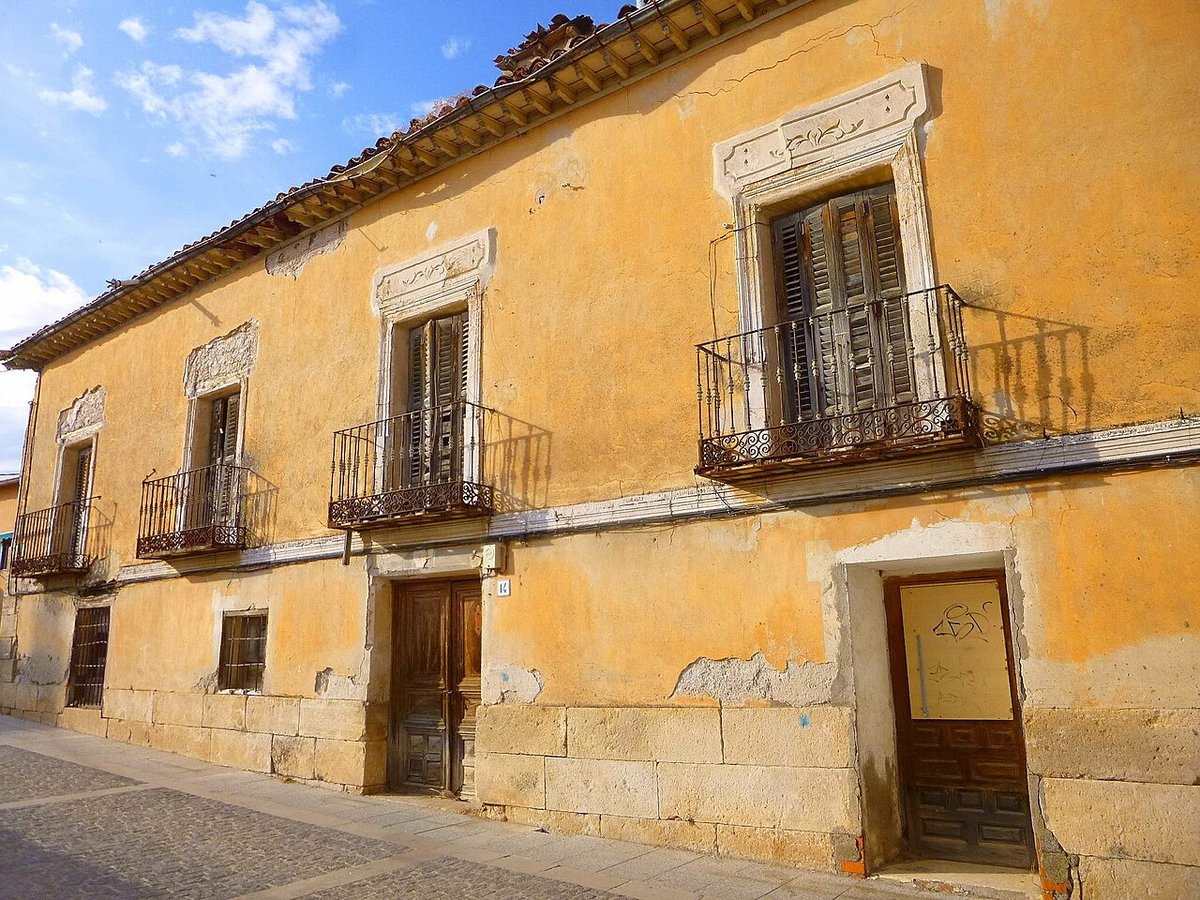
Stone walls the colour of weathered parchment line the lanes. Peek through iron gates and you'll see patios where peppers dry on strings, and fig trees planted in tin baths to keep roots from cracking the foundations. Many houses stand empty during the week—second homes for Madrilenians who arrive Friday night, leave Sunday evening—so midweek visitors have the place almost to themselves. The silence is complete enough to hear your own footsteps echo off the walls.
Between Field and Forest
Navalafuente means "new spring" in medieval Spanish, a reference to the freshwater source that once fed travellers heading north. The spring still flows, now channelled into a stone trough at the village edge where locals fill plastic jerrycans for drinking. Stand here at dawn and you'll see why altitude matters: mist pools in the surrounding fields like milk in a saucer, while the village sits clear above it, roofs glowing pink with first light.
Three minutes' walk from the last house, tarmac gives way to red-earth tracks that slice between wheat stubble and sunflower stalks. These aren't wilderness trails; they're working paths used by farmers in battered Seat Ibiza cars who raise a hand in greeting then disappear in a cloud of ochre dust. Follow any track for twenty minutes and you reach the pine belt that marks the start of the Sierra Norte proper. Oak and juniper replace cereal, and suddenly you're walking through proper forest where wild boar root among acorns.
The contrast is deliberate. Navalafuente occupies the transition zone between Madrid's agricultural plateau and the granite mountains beyond. That means you can breakfast on tostada in the plaza, hike through holm oak forest by eleven, and be back for a late lunch of cocido stew—all without moving the car. Just remember the altitude: climbs that look gentle on Google Maps feel steeper when the air thins. Carry water; the only fountain is in the village.
What to Eat When There's No Menu in English
Food arrives on heavy pottery dishes, never slate tiles. The local speciality is callos—tripe stewed with chorizo and paprika—though few visitors order it. Safer bets are judiones (giant white beans with clams) or roast lamb shoulder for two. Portions favour the hungry; asking for a child's portion usually produces a knowing smile and the same plate anyway.
Los Nuevos Hornos Ángel opens at seven each morning and sells out of empanadillas by ten. Their tuna-and-pepper pasty costs €1.40 and fits a coat pocket—perfect walking fuel. For sit-down meals, La Taberna de Nava offers tortilla that arrives still trembling in the centre, plus croquetas whose ham flecks prove they weren't tipped from a freezer bag. Service can be leisurely; order another beer and accept the pace.
Evening options shrink fast. By nine the bakery shutters are down and the supermarket—the size of a London corner shop—has rolled its metal grille shut. If you haven't booked dinner, you may end up with crisps and tangerines eaten on a bench. That's not a disaster: the church façade is floodlit at night, and the bench faces southwest towards the lights of Madrid glowing faintly forty-five kilometres away.
Seasons That Change the Village More Than You'd Expect
October turns the surrounding poplars the colour of burnt sugar. Farmers burn wheat stubble in controlled strips; the smoke drifts over the village like incense. This is prime walking weather—cool mornings, warm middays, skies scrubbed clean by altitude. November brings the first frost; by December the fields bleach to silver and the Sierra tops wear a dusting of snow that rarely reaches the village itself.
January and February empty Navalafuente entirely. Half the houses stand dark, pipes drained against freezing. The bakery reduces its hours; one bar stays open for the handful of pensioners who shuffle in for coffee and dominoes. Visit then and you'll have the streets to yourself, but you'll also feel like you're trespassing in someone else's winter retreat.
March explodes into green so sudden it looks artificial. Wild asparagus pushes through roadside verges; locals carry kitchen knives to harvest it on evening walks. By May the wheat reaches knee-height and the air smells of pollen. Summer arrives without ceremony in late June; temperatures hit 34 °C by day yet drop to 15 °C after midnight. That's when Madrilenians drive up, unload cool boxes, and occupy their second homes until September. The bakery reopens all week; the plaza fills with children's bicycles. If you want solitude, come Tuesday morning. If you want atmosphere, come Saturday evening when the bars screen football on terrace televisions and someone inevitably produces a guitar.
Getting Here, Staying Here, Leaving
Madrid-Barajas Airport to Navalafuente takes 45 minutes on the A-1 if you avoid rush hour. Hire cars are essential; no bus serves the village and a taxi from the airport costs €80–90 each way. Petrol stations on the motorway close at midnight; fill up before the exit because rural pumps shut even earlier.
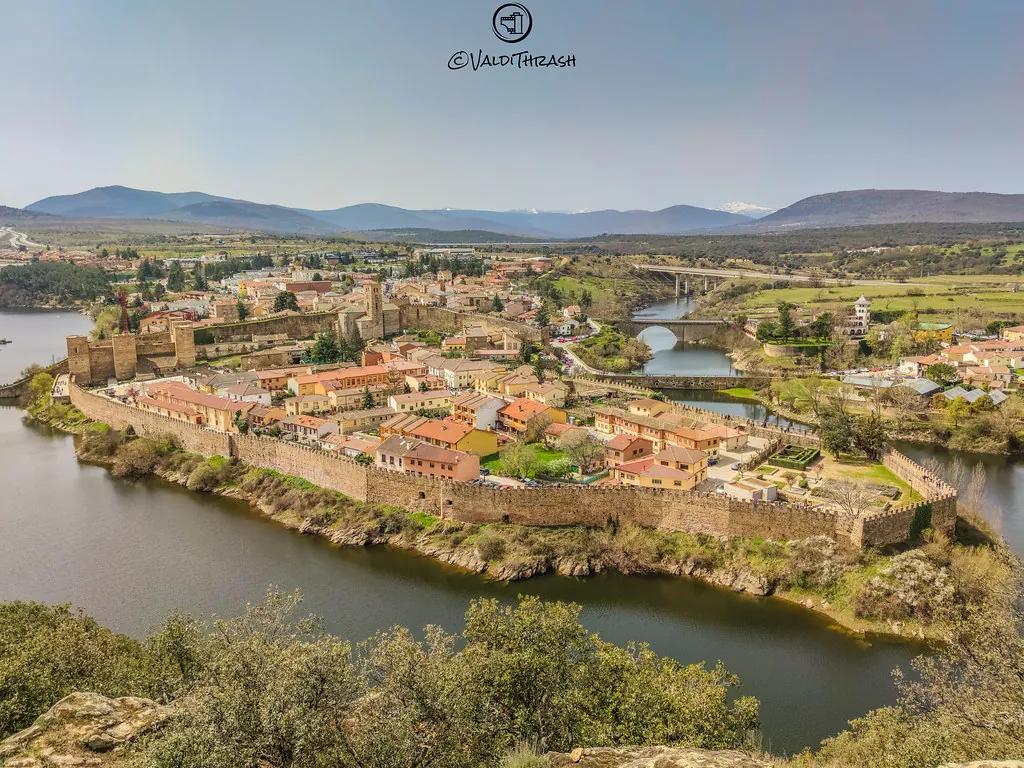
Accommodation means staying elsewhere. The nearest hotel is in Buitrago del Lozoya, twenty minutes north beside a medieval wall. Rural cottages dot the district—look for "casa rural" listings on the Comunidad de Madrid tourism site—but none are inside Navalafuente itself. Most visitors day-trip from Madrid or combine the village with overnight stops in Segovia or the Sierra.
Cash matters. The nearest ATM is seven kilometres away in Cabanillas de la Sierra; Navalafuente's single bank closed in 2019. Bring euros, or expect to drive for cash and return to find the restaurant has shut for siesta.
Leave before Sunday evening if you're driving south. The A-1 back to Madrid clogs with weekenders returning to the city; what took 45 minutes in can easily take ninety on the way back. Better to linger over lunch, start the engine at four, and roll into Madrid before the traffic wakes up.
Navalafuente won't change your life. It might, however, recalibrate your sense of scale: a place where distances are walked, where lunch determines the afternoon's rhythm, and where the sierra begins not with a dramatic gorge but with a wheat field that simply stops at the first pine.