Full Article
about Navarredonda y San Mamés
A municipality made up of two small settlements in the Lozoya valley; known for the Chorro waterfall.
Hide article Read full article
A quieter corner of the Sierra Norte
Some places appear almost without warning. Navarredonda and San Mamés sit like that in the Sierra Norte of Madrid. The road curves through the mountains, the asphalt narrows, and the landscape closes in until a small cluster of granite houses comes into view. It feels like a shift in pace, as if everything has quietly slowed down.
These two villages lie in one of the calmest parts of the region. There is no headline attraction in the usual sense. What matters here is the setting and a way of life that still follows the land quite closely. Granite, open meadows and woodland define the surroundings. There is little else competing for attention, and that simplicity is part of the appeal.
Two small villages shaped by stone
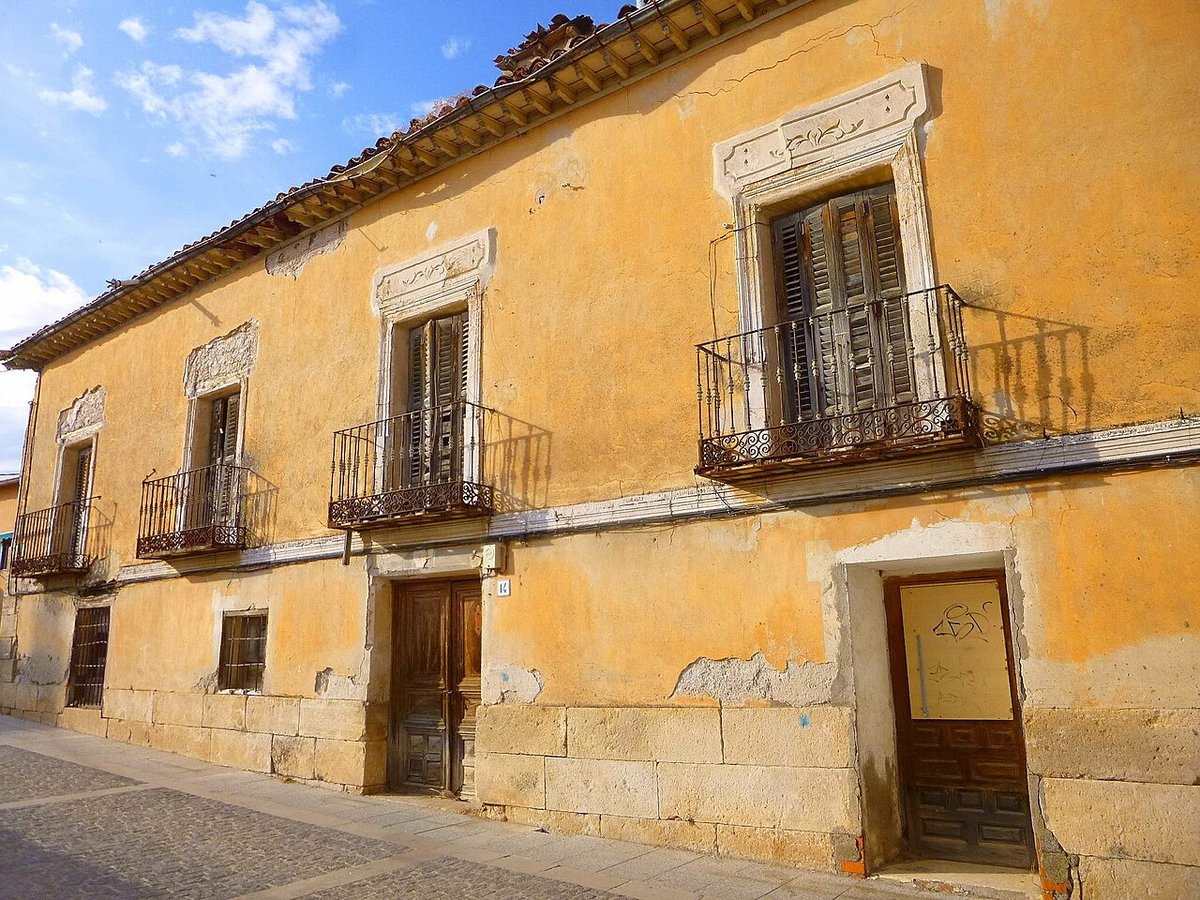
Navarredonda is compact from the moment you enter. Low houses sit close together, with carefully laid granite walls and wooden gates that look as though they have been in place for decades. There are no grand squares or standout buildings. The place reveals itself in smaller details: an old water trough, a fence softened by moss, a vegetable plot that is still in use.
The parish church dedicated to San Bartolomé is usually mentioned as the oldest building in the village, with origins in the 16th century. It is not an imposing church. Its thick walls and restrained design suggest it was built to withstand long, harsh winters rather than to impress.
San Mamés lies very close by and shares the same character. It is another small settlement with similar architecture, stone walls, reddish roofs and short streets. Both villages give the impression of having grown just enough to remain functional, without major transformation over time.
Beyond the houses: woodland and open ground
The surrounding landscape becomes the main focus once you step outside the built-up area.
Oak woods spread across the hills, while meadows are used for grazing livestock. Small streams run down from the mountains. Paths and tracks criss-cross the area, some marked, others less clear, used by locals and farmers. Walking here does not require a strict plan. It is often enough to choose a path and follow it into the countryside.
Maps show nearby high points such as Alto del Tolmo and other elevations overlooking the Lozoya valley. These are not technical routes, but the terrain can become confusing where forest tracks and livestock paths intersect. Carrying a map or a digital track is advisable. Weather in this part of the Sierra can also change quickly, which is worth keeping in mind before setting out.
Walking without a fixed plan
A simple approach tends to work best here. Leave the car, walk through the village, then continue out into the surrounding countryside.
The experience is quiet and unstructured. A path stretches ahead, the sound of wind moves through the branches, and the occasional sheep can be heard in the distance. There are no designed viewpoints or routes built around specific photo spots. What you find instead are dirt tracks, patches of woodland and open land that shift with the seasons.
Spring brings a strong green to the landscape, with meadows filled with wildflowers. Autumn changes the oak woods to warmer tones, and fallen leaves cover the paths. Winter can bring snow or ice, as temperatures drop noticeably in this area.
Food that fits the setting
The cooking in this part of the Sierra Norte follows a practical logic. Dishes are hearty and suited to colder conditions.
Traditional meals include stews made with local beans, chorizo, and meat that is either slow-cooked or roasted. The style is straightforward and filling, the kind of food that suits a long walk beforehand.
This is not a destination built around elaborate food experiences. It is more about stopping for something warm, eating well, and continuing the day.
A few practical notes
Streets within both villages are narrow. If space is limited for turning or parking, it is often easier to leave the car at the entrance and walk in.
Two common aspects of the Sierra Norte are worth bearing in mind:
- In winter, some secondary roads may have ice.
- Mobile coverage can be unreliable in parts of the area.
Neither point is unusual for a mountain setting, but it helps to be aware before heading out.
Navarredonda and San Mamés do not suit a checklist approach to travel. Those looking to tick off sights may find little to hold their attention. For anyone wanting a quiet walk and a few hours among stone, woodland and open land, the setting works well. It is the kind of place where the focus shifts away from doing and towards simply spending time outdoors.