Full Article
about Piñuécar-Gandullas
Municipality made up of two rural hamlets; known for its quiet setting among meadows and ash trees.
Hide article Read full article
First light in the Sierra Norte
Early in the morning, when the sun still slips low between the pines of the Sierra Norte, Piñuécar-Gandullas sits almost in silence. Light filters through the branches and falls in patches across the stone walls. They do not shine. The surfaces carry a flat grey typical of old masonry, with lichen in places and uneven joints that show how often they have been repaired over time. At that hour, very little breaks the quiet apart from an occasional dog and the distant sound of a car passing along the road.
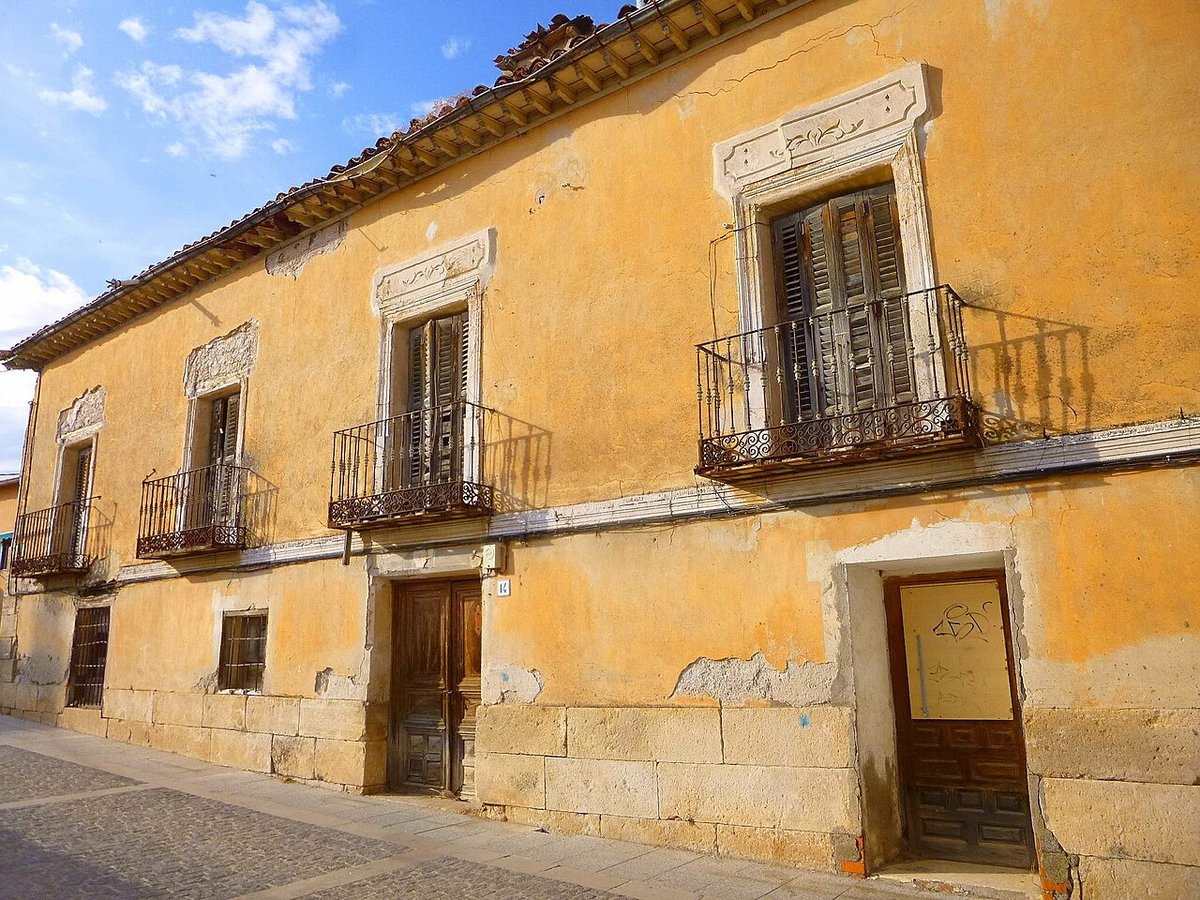
Piñuécar and Gandullas form a single small municipality, one of the more discreet corners of the Madrid mountains. The architecture follows the demands of cold winters. Houses have thick stone walls, roofs of curved tiles and relatively small windows. There are no large squares or streets laid out for strolling. Instead, there are small open spaces between buildings and narrow lanes that rise or fall with a steady slope.
The parish church of San Andrés stands beside one of these spaces. It is a sober structure built from local stone, with a square bell tower. Some sources place its origins in the 16th century, although later alterations shape its current appearance. When the door is open, the interior keeps the cool dimness typical of mountain churches. Footsteps echo across the floor, and there is a faint scent of wax mixed with damp air.
Between two villages
The two centres lie only a few minutes apart by car, and the distance is manageable on foot for those who feel like stretching their legs. The route offers a clear sense of the surrounding landscape. Open meadows extend outwards, bordered by low stone walls. Patches of Pyrenean oak, known locally as roble melojo, mix with stands of pine.
Some streets still preserve sections of old paving or stone slabs. Fountains appear here and there, with water still running. In summer, many residents continue to come with large containers to collect it. A slower pace reveals everyday details: animal pens, chickens wandering freely, and tools stored beneath simple shelters.
The land beyond the houses
The municipality reaches into the first slopes of the Sierra Norte. Oak woods of melojo spread across parts of the area, alongside zones of Scots pine where dry leaves cover the ground for much of the year. Dirt tracks lead out from the village in several directions. They are suitable for unplanned walks, simply by following one of the paths that move through meadows and low woodland.
To the north lies the Hayedo de Montejo, outside the municipal boundary but relatively close. The shift in scenery becomes noticeable as you approach. The woodland grows denser, and the shade more continuous.
Autumn brings mushrooms in the clearings and among the fallen leaves. Collecting them is taken seriously here. Local guidance matters, and it is advisable to understand the rules of the area before setting out. Residents tend to make this point quite clearly.
Light, weather and quiet hours
The most rewarding moments tend to come at the beginning or the end of the day. Low light brings out the texture of the stone, and the surrounding countryside feels calmer. Winter often brings fog, which settles around the houses and nearby fields. It sometimes lingers well into the morning before lifting.
A weekend visit works best without a tight plan or a checklist of sights. Piñuécar-Gandullas does not operate as a place for quick stops. Services are limited, and daily life follows the pace of the countryside.
Night falls with very little artificial light. When the sky is clear, the darkness allows a wide view of the stars above the meadows. From the edge of the woods, an owl may break the silence.
A place that moves slowly
Time here tends to stretch rather than fill. The impression many visitors take away is simple: a small place of stone buildings and open land, where the most interesting moments arrive slowly. A short walk, the sound of wind passing through oak branches, and an unhurried return are often enough.