Full Article
about Puebla de la Sierra
Isolated, stunning village in a deep valley; known for its Valle de los Sueños sculptures.
Ocultar artículo Leer artículo completo
The church bell strikes eleven and only silence answers back. At 1,163 metres above sea level, Puebla de la Sierra has reached that delicate hour when dew still clings to the chestnut rails but the sun is strong enough to warm your back through a wool jumper. Sixty-odd residents, two wandering cats, and whoever remembered to fill the honesty box at the viewpoint telescope—that's the entire census this Tuesday morning.
Stone, Slate and Sudden Weather
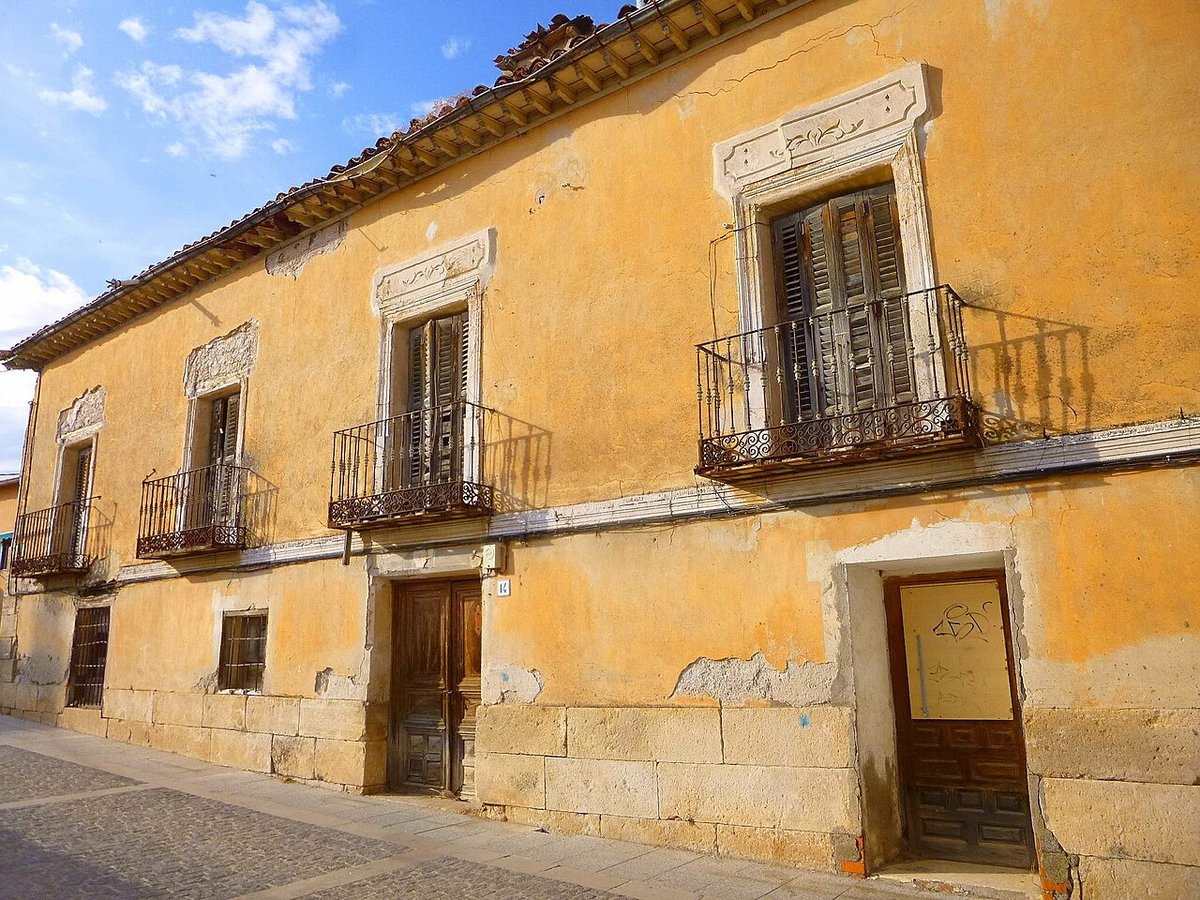
Every house here is built for winter. Walls are sixty centimetres thick, roofs pitch steeply to shed snow, and doorways sit a deliberate step above street level so draughts slide underneath rather than in. The materials—granite quarried a kilometre away, pine beams cut on the north slope, slate split along ancient fault lines—dictate the colour palette: lichen grey, resin amber, rust red where iron veins bleed through stone. Nothing is painted for tourists; it simply hasn't changed since the 1940s when half the village left for Madrid factories and never returned.
That altitude matters. In April you can leave the capital in 24 °C sunshine and arrive to find mist coiling between oak trunks like dry ice. By October the inversion is reversed: the valley below fills with cloud while Puebla sits in clear, sharp air, the distant towers of Madrid visible only as a faint smudge thirty-five kilometres south-west. Bring layers, even in July—nights can drop to 12 °C and the single-track MA-243 collects ice in shaded corners well into late morning.
Walking Tracks That Start at Your Doorstep
No visitor centre, no ticket booth, just a wooden finger-post at the upper fountain. Follow the yellow dashes painted on stone and within fifteen minutes the hamlet is reduced to chimney smoke and barking dogs. The PR-M 15 loop climbs through holm oak and rebollo, then breaks out onto a wind-scoured ridge where griffon vultures circle at eye level. The full circuit takes three hours, gains 400 metres, and deposits you back in time for lunch—assuming lunch is available, which is never guaranteed.
Shorter options exist. A twenty-minute stroll east reaches the abandoned watermills of El Chorro; their millstones still lie cracked on the forest floor, moss-covered and smelling of damp iron. For something stiffer, continue another hour to the Collado de la Yeguas where the path meets the Camino de Santiago Madridés. Pilgrims appear suddenly, rucksack-clad and slightly dazed, having started their day in the suburbs at Collado Villalba. Exchange nods, compare blisters, then step aside—they have another twenty-eight kilometres to reach Alcalá de Henares before nightfall.
The Economics of Very Little
There is no shop. Let that sink in. The last colmado closed when its proprietor died in 2018; shelves were stripped, shutters bolted, and the village reverted to a pre-consumer economy. The sole bar-restaurant, La Casa Grande, opens Friday through Sunday in winter, daily only during August. A hand-scrawled note by the door reads: "Si no estoy, llama al 689…" If nobody answers, you are officially on your own. Stock up in Buitrago del Lozoya where the small SuperSol has the basics, or better yet, bring a rucksack picnic and use one of the stone tables beside the laundry troughs—cold running water included.
When the kitchen is operative, order judiones stew. The beans are the size of a fifty-pence piece, creamy rather than floury, and the stock is vegetable-forward rather than chorizo-heavy—safe for vegetarians if you specify "sin morcilla". A plate costs €9 and arrives with a dented spoon that has probably served three generations. Wash it down with house vermouth poured from a plastic tap: sweet, orange-zested, tasting faintly of Christmas pudding. Payment is cash-only; they accept notes up to €20 without flinching, anything larger brings a raised eyebrow and a trip to the cigar box under the counter.
Why You Might Leave Disappointed
Coaches do not stop here. The village is not part of the official 'Black Architecture' route that shuttles tourists between Patones and Campillo de Ranas, and that is precisely its appeal—yet it also means facilities are geared to locals who drive elsewhere for services. Phone signal drops to one flickering bar on EE and disappears entirely inside stone houses. The lone ATM is forty minutes away in Buitrago, and it charges €2.50 for the privilege of dispensing your own money. If it rains, cobbles become slick as ice; if it snows, the council grades the road only after the school bus has run, which may be never.
Weekend warriors expecting Cotswold-level gift shops will find instead a rack of un-labelled honey jars—€5 for 500 g, heather-scented, beeswax still clinging to the lid—and little else. Even the telescope at the mirador demands €1 coins; Spanish change is refused, British coins rejected with a shrug. Come prepared or go without.
Seasons When the Village Changes Its Mind
April brings almond blossom and the first bees, but also sudden hail that peppers car roofs like gravel. June is perfect: daylight until ten, temperatures in the low twenties, wild lavender lining the paths. August fills with Madrileños fleeing the furnace of the capital; they occupy second homes shuttered since December, hang hammocks between pear trees, and argue over parking spaces the size of dinner tables. By late September they are gone, leaving only the smell of woodsmoke and the occasional forgotten beach towel flapping on a balcony.
Winter is the gamble. A dusting of snow turns the slate roofs monochrome and every view into a Japanese ink drawing, yet the access road becomes a toboggan run. The regional government posts a plough at Villavieja, but it prioritises the main artery to Somosierra; side roads wait their turn. If the forecast mentions "cota de nieve a 900 metros", stay in Madrid. If it promises high pressure and minus six overnight, pack chains and a thermos of coffee—the sunrise from the cemetery ridge will be yours alone, shared only with the stone angels and the distant blink of aircraft lining up for Barajas.
Leaving Without Really Saying Goodbye
By early afternoon the bar owner is wiping tables and glancing at his watch; if no customers appear by three, he will lock up and head to the allotments above the stream. The village returns to its default soundtrack—water trickling through stone channels, a chainsaw starting somewhere across the valley, the soft clink of a goat bell as a small herd picks its way through abandoned terraces. You could wait for evening colour, but there are no streetlights and the road down is hazardous enough in daylight. Turn the car around, count the hairpins—twenty-seven to reach the main valley—and notice how quickly oaks give way to olive groves, how the temperature rises a degree with every hundred metres descended. Madrid's ring road will be clogged with commuters by the time you merge, yet for an hour this morning you belonged to a place where rush hour means two farmers arguing over the last bag of chicken feed. Keep the honey jar; the label may be blank but the taste is a topographical map of these mountains, sweet, resinous, impossible to replicate anywhere lower down.