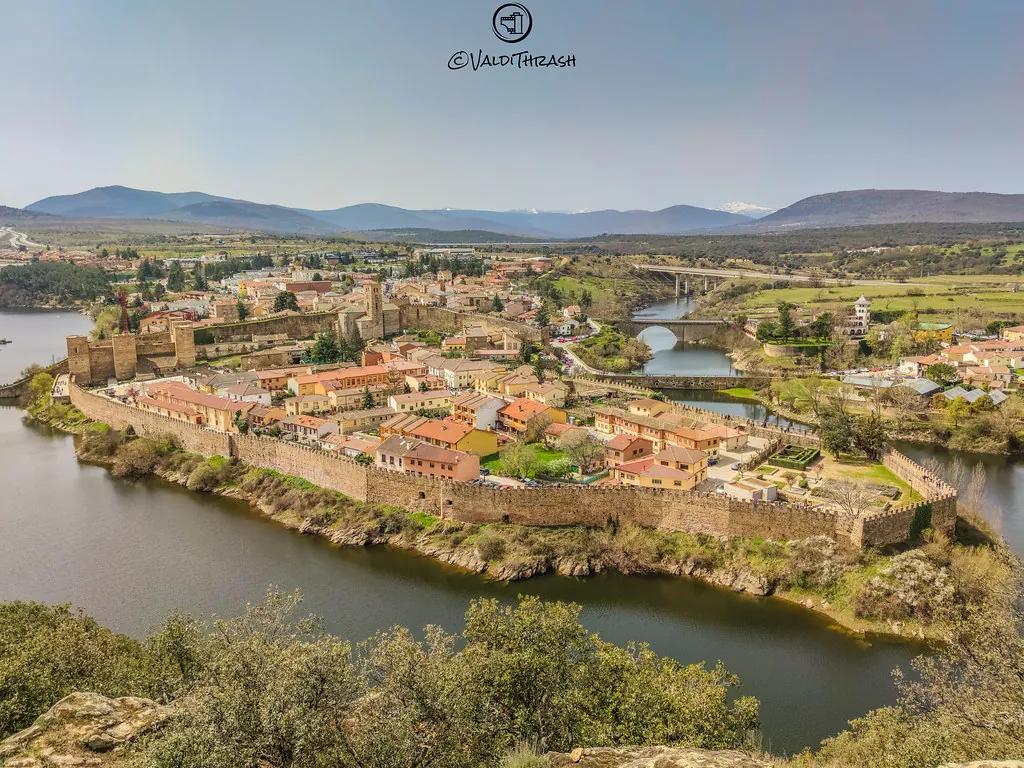
Vista aérea de Redueña
Instituto Geográfico Nacional · CC-BY 4.0 scne.es
Madrid · Mountains & Heritage

Redueña

The stone houses appear suddenly, just when the A-1 motorway's endless service stations start to feel oppressive. Forty minutes north of Madrid's l...

288 inhabitants · INE 2025
815m Altitude

Why Visit

Mountain Church of San Pedro ad Víncula Easy hiking

Best Time to Visit

spring

Santa Lucía (December) septiembre

Things to See & Do
in Redueña

Heritage

  • Church of San Pedro ad Víncula
  • Path along the Huertas stream

Activities

  • Easy hiking
  • Family walks
  • Nature watching

Festivals
& & Traditions

Fecha septiembre

Santa Lucía (diciembre), Virgen de las Viñas (septiembre)

Las fiestas locales son el momento perfecto para vivir la autenticidad de Redueña.

Full Article
about Redueña

Small limestone village on the Guadalix plain; known for its nature trail and quiet.

Ocultar artículo Leer artículo completo

The stone houses appear suddenly, just when the A-1 motorway's endless service stations start to feel oppressive. Forty minutes north of Madrid's last ring road, Reduña sits at 815 metres, where the air thins and the Sierra Norte proper begins. It's not dramatic—no cliff-hanging monastery or vertigo-inducing gorge—but rather the moment when Spain's capital loosens its grip and the landscape remembers it's meant for oaks, not office blocks.

The Arithmetic of Small Places

Three hundred residents, perhaps four streets worth mentioning, and a parish church that serves less as spiritual centre than geographical anchor. Redueña operates on different mathematics than the cities most visitors know. Here, a twenty-minute walk constitutes a proper expedition. A conversation with the woman selling eggs from her garage counts as cultural engagement. The village's entire historical centre fits inside most British supermarket car parks.

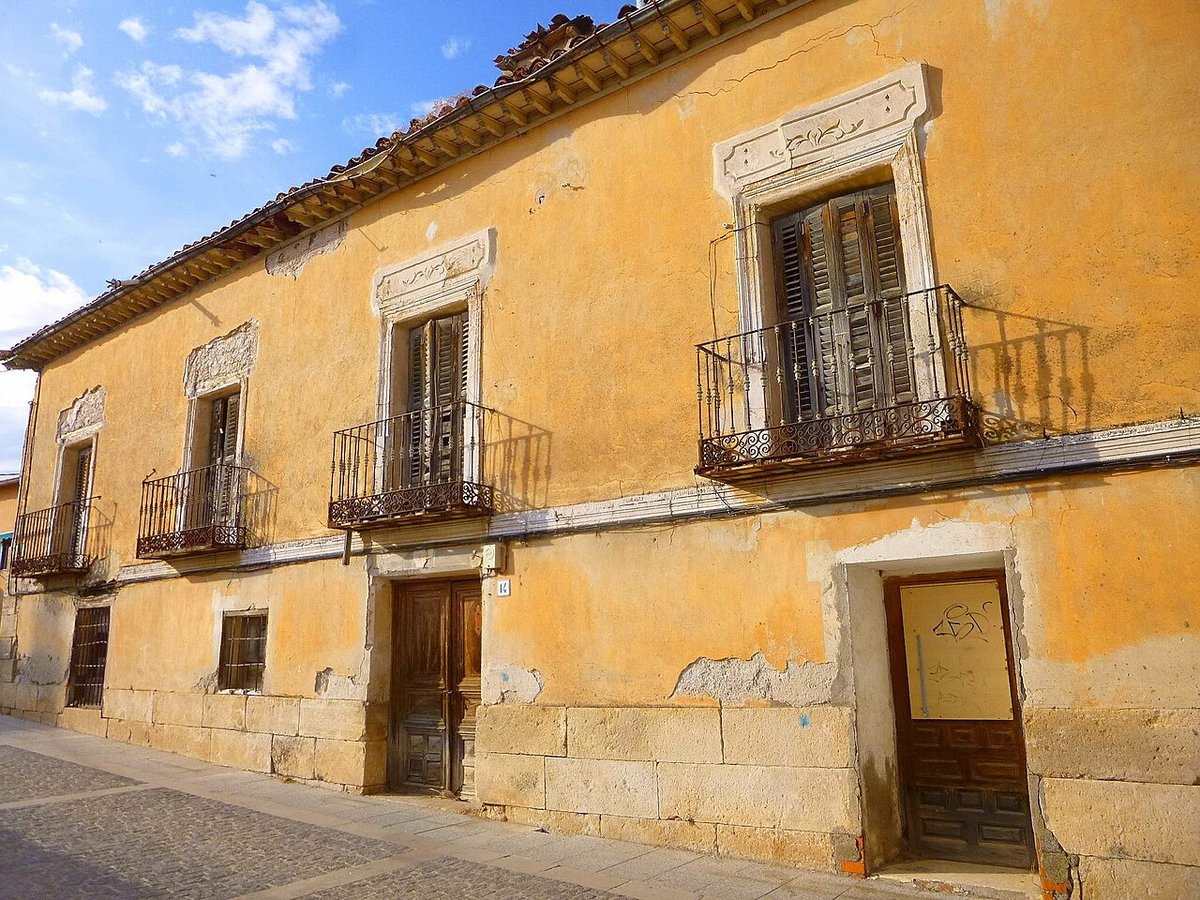
The houses speak a language of granite and terracotta, their walls thick enough to swallow mobile signals whole. Wooden balconies lean at angles that would give a surveyor nightmares, yet they've survived since someone's great-grandfather thought they'd probably be alright. There's no architectural coherence beyond practicality: windows placed where light was needed, doors sized for whatever livestock required shelter, roofs pitched to shed the snow that comes perhaps once each winter.

Walking into the Wind

The real village begins where the tarmac ends. Paths radiate outward like spokes, each following ancient rights of way through dehesas—those managed oak forests that produce everything from acorn-fed pork to charcoal. Within ten minutes of leaving the church square, the only sounds are boot soles on gravel and the occasional grunt of an Iberian pig somewhere behind the stone walls.

The camino to Torrelaguna climbs steadily through thyme and rosemary, the Mediterranean herbs that survive where grass gives up. It's three kilometres of steady ascent, enough to make weekend walkers question their fitness levels, but the reward comes suddenly: Madrid's northern plains spread below like a wrinkled tablecloth, the capital's tower blocks glinting miniature in the southern haze.

Local wisdom insists these paths change personality with the seasons. Spring brings wild asparagus and the risk of getting shot by over-zealous hunters. Summer transforms them into dusty ovens where shade exists only at midday, and even then sparingly. Autumn's the favourite—when the holm oaks drop their acorns and the air smells of fermentation and woodsmoke. Winter strips everything back to essentials: stone, sky, and the occasional footprint of something that might be a wild boar.

What Passes for Entertainment

The fiesta calendar runs on agricultural rather than tourist time. August's patronal celebrations involve more processions than is strictly necessary for a place this size, plus the crucial distinction of holding the bull-running in the morning rather than evening—apparently the animals behave better before lunch. San Isidro in May features the traditional blessing of seeds, though these days it's as likely to be courgette plants from the garden centre as ancient grain varieties.

September brings the vendimia-related activities, though Redueña itself grows little wine. Instead, locals load vans with grapes from warmer valleys and stage demonstrations of foot-treading techniques that health and safety would normally prohibit. The Christmas programme lasts exactly three days—long enough for everyone to remember why they spend the rest of the year avoiding each other.

The Honest Season

Visit between October and March and you'll discover why Spanish villages empty towards the coast. The wind that feels refreshing in September becomes something approaching vindictive by December. Temperatures might read eight degrees on the car dashboard, but factor in altitude and exposure and it feels closer to freezing. The British habit of checking weather apps proves useless—local microclimates mean it can be raining in the square while the surrounding hills stay bone dry.

Summer presents the opposite problem. From noon until four, the sun hits with the intensity of a tanning salon magnified through a child's microscope. The sensible schedule involves walking at dawn, hiding during the heat, then re-emerging for evening explorations. This isn't cultural affectation—it's survival strategy learned over centuries.

Spring and autumn provide the sweet spots, though spring brings mud that would trouble a Land Rover, and autumn coincides with hunting season. The wearing of high-visibility clothing becomes less fashion choice than life insurance during October weekends, when locals who've spent twelve months practicing their aim descend on the hills.

Practicalities Without the Brochure Speak

The drive from Madrid Barajas takes fifty minutes on a good day, ninety when the A-1 decides to become a car park. There's no train station—the nearest railhead is twenty-five kilometres away in Torrelaguna, served by buses that run when the driver feels like it. Accommodation options number precisely zero within village limits; the closest beds are in Buitrago del Lozoya, fifteen minutes down winding mountain roads that Google Maps optimistically labels "scenic."

Food follows the pattern of Spanish mountain villages everywhere: breakfast happens at eleven, lunch at three, and attempting to find dinner before nine marks you as either foreign or unwell. The bar on the main square serves coffee that could revive the recently deceased and tortilla thick enough to use as building material. They don't do menus in English, but pointing works—though vegetarians should probably learn the Spanish for "I don't eat ham" before arriving.

Mobile coverage exists in pockets, usually when you're trying to appreciate the silence. WiFi appears limited to the library, open Tuesday and Thursday afternoons, where the librarian doubles as the village's unofficial tourist information service. She'll explain, kindly but firmly, that no, there isn't a medieval castle, and no, the church doesn't offer audio guides, but have you considered just walking up that hill and seeing what you find?

The Exit Strategy

Redueña won't change your life. It offers no Instagram moments beyond the obvious stone street leading past someone's washing line, and even that looks better in the photographs than reality. What it provides is the increasingly rare sensation of geographical transition—the moment when Spain's frantic modernity thins out and something older, slower, and largely indifferent to tourism takes over.

Stay two hours and you'll have seen everything twice. Stay two days and you might understand why people choose to live at altitudes where winter lasts six months and the nearest cinema requires a forty-minute drive. The village works best as a palate cleanser between Madrid's museums and the coast's overdeveloped charms—a place to remember that much of Spain still functions according to rhythms established long before package holidays or digital connectivity.

Leave by four to avoid the afternoon shadows that make the mountain roads treacherous. The return journey provides the final pleasure: watching the temperature gauge rise as altitude drops, feeling civilisation's noise levels increase degree by degree, until Madrid's suburbs swallow you whole and Redueña becomes just another cluster of terracotta roofs receding in the rear-view mirror.

Key Facts

Region
Madrid
District
Sierra Norte
INE Code
28121
Coast
No
Mountain
Yes
Season
spring

Livability & Services

Key data for living or remote work

2024
Connectivity5G available
HealthcareHealth center
EducationElementary school
Housing~5€/m² rent · Affordable
January Climate5.1°C avg
Sources: INE, CNMC, Ministry of Health, AEMET

Planning Your Visit?

Discover more villages in the Sierra Norte.

View full region →

More villages in Sierra Norte

Traveler Reviews