Full Article
about Robledillo de la Jara
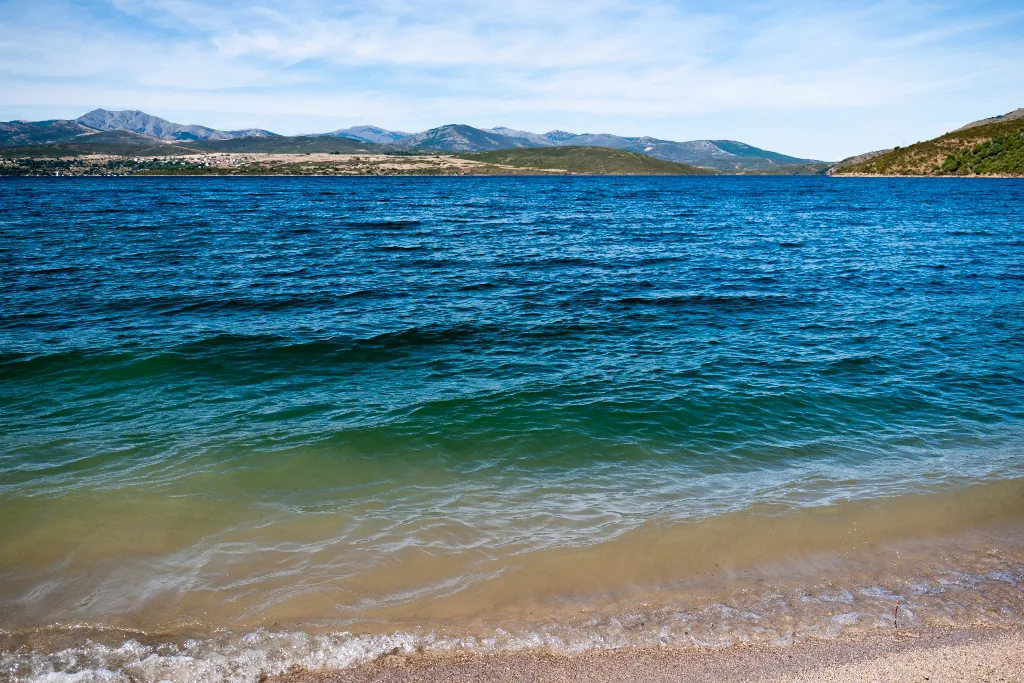
Mountain village overlooking the Atazar reservoir; it has a museum of past ways of life.
Hide article Read full article
Getting there and settling in
Robledillo de la Jara sits just over an hour from Madrid. The usual route follows the A‑1 before turning onto smaller roads in the Sierra Norte. The final stretch includes a few bends, though nothing out of the ordinary for this part of the region.
Parking is rarely a problem. Spaces are easy to find near the main square and along several streets, so there is no need to circle. The village works best earlier in the day. By mid‑afternoon it begins to empty out and some residents retreat indoors, which gives the place an even quieter feel.
The layout is compact. Everything can be covered on foot without effort, so it makes sense to park on arrival and leave the car where it is. Streets are narrow, and in some sections two vehicles barely pass. Those unfamiliar with the layout will find it easier not to drive too far into the centre.
A small village, simply observed
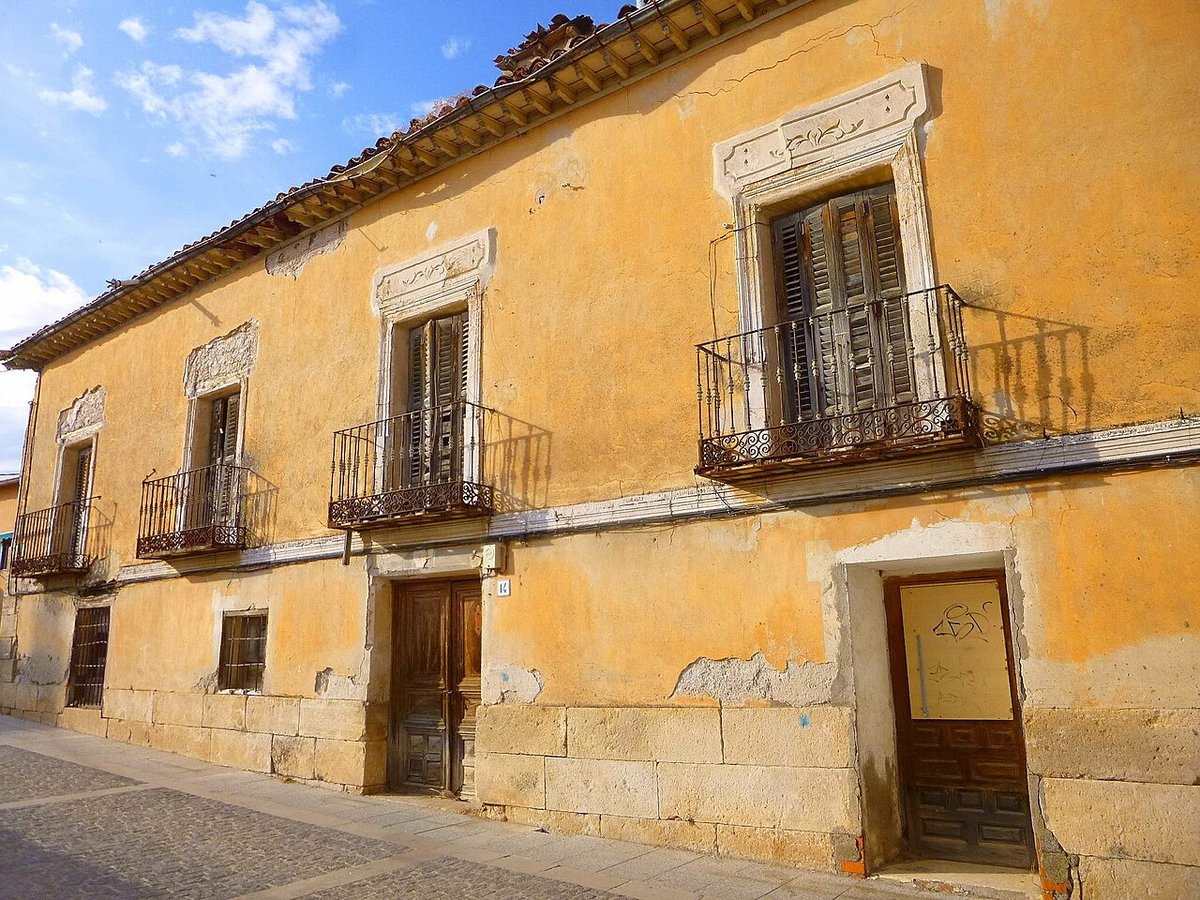
Robledillo de la Jara does not try to surprise. It consists of a handful of streets, traditional houses built with stone and timber, and a noticeable sense of stillness.
The Iglesia de San Miguel Arcángel stands out most clearly. Its structure is solid, with thick walls and very little decoration. Around it sit several traditional homes, some with exposed beams and enclosed courtyards protected by stone walls.
A slow wander suits the place. Within ten or fifteen minutes, most of the village comes into view. Even so, small details reward a bit of attention. Old wooden doors appear here and there. Small niches hold religious images. Near the edge of the village, a lavadero, a traditional washing place, sits beside the stream that runs along the boundary of the built area.
There are no museums or interpretation centres. Robledillo de la Jara remains a lived‑in village rather than one arranged for long visits. That simplicity shapes the experience more than any landmark.
Beyond the houses
The shift from village to countryside happens quickly. Meadows open out as soon as the last houses are left behind, divided by low stone walls. Livestock often graze in these fields, and the sense of space increases straight away.
A network of paths and tracks runs through the area, linking patches of low woodland and areas of oak, known locally as robledal. These routes invite a short walk rather than a long excursion. The terrain changes with the weather. After rain, the ground becomes heavy underfoot, with mud and loose stones making progress slower. Suitable footwear helps if planning to explore beyond the village streets.
The surroundings remain calm throughout the day. At times, the sound of cowbells carries further than that of passing cars. That quiet defines the area as much as the landscape itself.
Choosing the right moment
Spring and autumn tend to offer the most balanced conditions. Meadows stay green for weeks, and the woodland shifts in colour as temperatures drop later in the year. These changes give the area a subtle variation without altering its overall character.
Summer brings stronger sunlight at midday. Even so, temperatures drop quickly towards evening. Winter feels much quieter. Streets can remain empty for long stretches, reinforcing the sense of isolation that already marks the village.
Local festivities revolve around San Miguel, usually around September, although the exact programme varies from year to year. The celebrations reflect the rhythm of the community rather than attracting large crowds.
A short stop in the Sierra Norte
Robledillo de la Jara does not aim to fill a full day. The village reveals itself in a short walk and little more. That is part of its appeal.
The best way to approach it is as one stop along a wider route through the Sierra Norte. Arrive, park, take a walk through the streets, and look out over the surrounding fields. After that, it makes sense to move on.
The pace here is slow and uncomplicated. Nothing pushes for attention, and nothing needs to be rushed.