Full Article
about Robregordo
High-mountain village at the Somosierra pass, ringed by centuries-old holm oaks and oaks.
Hide article Read full article
A small village at the edge of the mountains
If you are thinking about visiting Robregordo, start with the practical side. This is a very small place, and parking is limited. Cars are usually left at the entrance or along a slightly wider stretch of the main street. At weekends it fills up quickly. From there, everything is done on foot and takes only a few minutes.
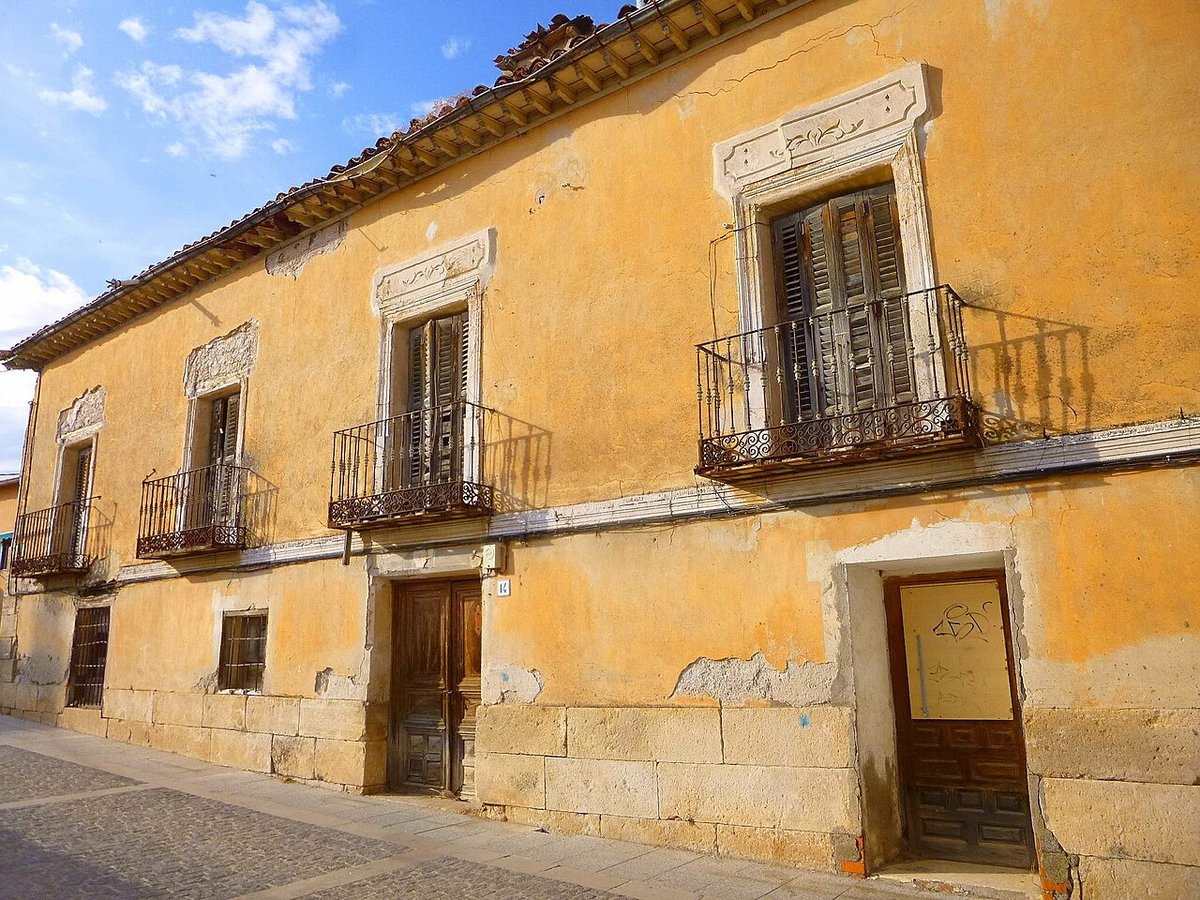
Robregordo sits at around 1,299 metres above sea level in the Sierra Norte of Madrid, a mountainous area to the north of the region. Around 79 people live here. The setting is simple: stone houses, slate roofs, narrow streets. There are no large monuments or wide squares. It is a place for a short stop, defined by quiet rather than activity.
A brief walk through the village
The centre can be covered quickly. The parish church of San Pedro ad Vincula is the most recognisable building in Robregordo. It is a modest construction. Part of it dates back to the 16th century, although it has been altered over time.
Around it, short streets are lined with stone walls and small windows. If you have visited other villages in the Sierra Norte, this layout will feel familiar. There are no major landmarks or standout features that demand attention.
At the edges of the village, the landscape opens up. Pine forests, rocky ground and low পাহাড় vegetation define the surroundings. On clear days, the nearby hills are easy to make out. Many people stop briefly, take a photo, and continue on their way.
Walking into the surrounding countryside
Beyond the village centre is where things become more interesting. The area is covered with oak groves and dense pine woods in places. The terrain alternates between forest tracks and less clearly marked paths. Signage can be uneven, so it is worth bringing a map or using an app to avoid getting lost.
Wildlife can be spotted, especially early in the day. Roe deer are present, as well as the occasional fox, and in quieter periods, deer. Birds typical of mountain environments are also common. That said, this is not a place where animals appear constantly. It is entirely possible to spend a whole morning without seeing any.
In autumn, mushrooms such as boletus and níscalos grow in the area. Collecting them is often regulated in many of the surrounding forests, so it is best to check the rules beforehand if you are planning to do so.
Getting there
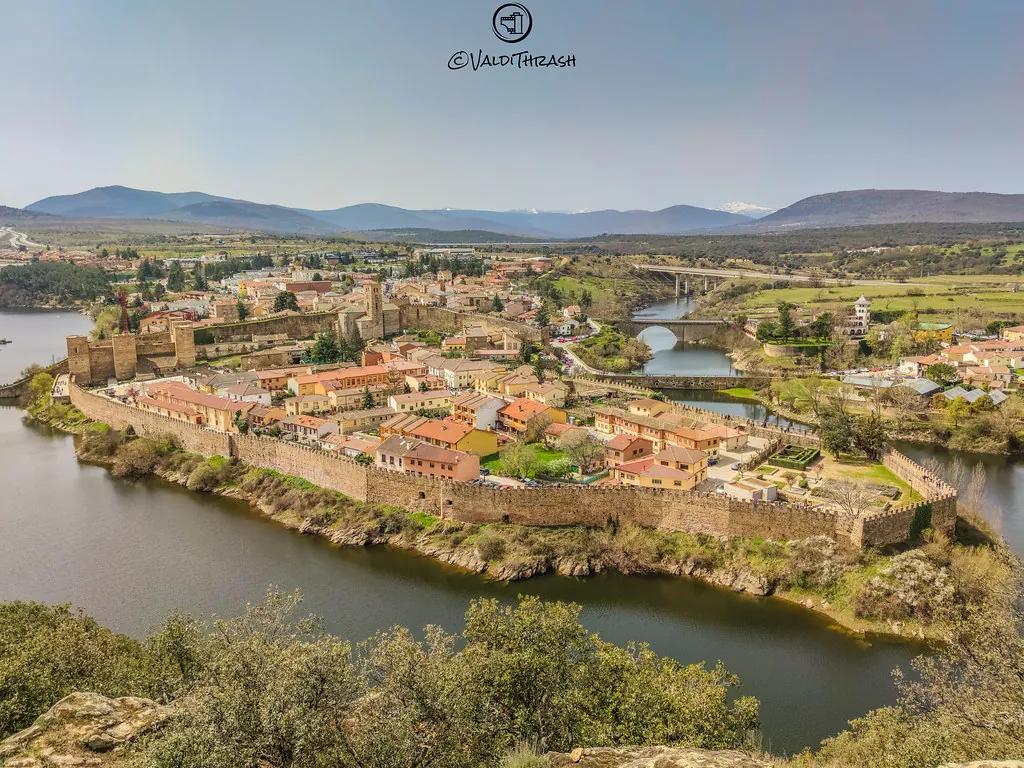
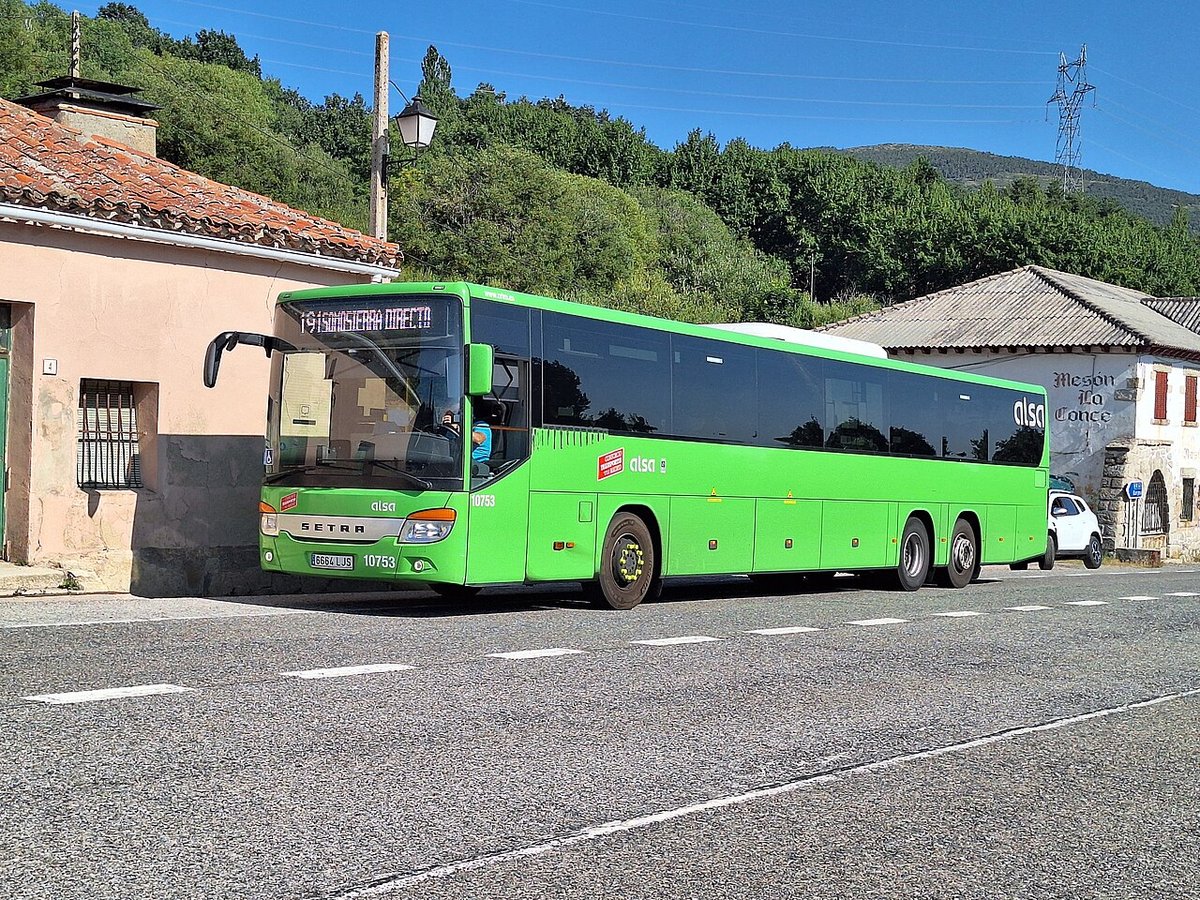
From Madrid, the route follows the A-1 motorway towards the area of Buitrago del Lozoya, then continues along local roads. The final stretch includes bends and some incline. This is typical for mountain roads, but it is worth taking it slowly if you are unfamiliar with the route.
In winter, snow or ice can appear. When that happens, access becomes slower and some forest tracks may be difficult or impossible to use.
When to go
Autumn brings a noticeable change thanks to the oak trees, although the season is brief. In winter, snowfall occurs some years, and the village can feel quite cut off for a few days.
Summer sees more visitors at weekends. Even so, Robregordo remains quiet compared with other parts of the Sierra Norte.
A simple piece of advice
Do not plan to spend a full day within the village itself. Half an hour is enough to see it. Robregordo works better as a short stop or as a starting point for walks in the surrounding countryside, or for continuing on to other nearby villages.