Full Article
about Torremocha de Jarama
A farming town with a notable craft estate; its historic irrigation channels survive.
Ocultar artículo Leer artículo completo
The church bell strikes eleven and the only other sound is wheat stalks brushing against each other in the breeze. From the plaza's stone bench, you can watch the whole village move: a woman carrying bread from the bakery, a farmer checking his tyres, two elderly men debating yesterday's football scores. Torremocha de Jarama doesn't announce itself. It simply exists, 900 metres above sea level, where the Sierra Norte's slopes flatten into rolling cereal fields that glow amber in late afternoon light.
The Village That Time Forgot to Modernise
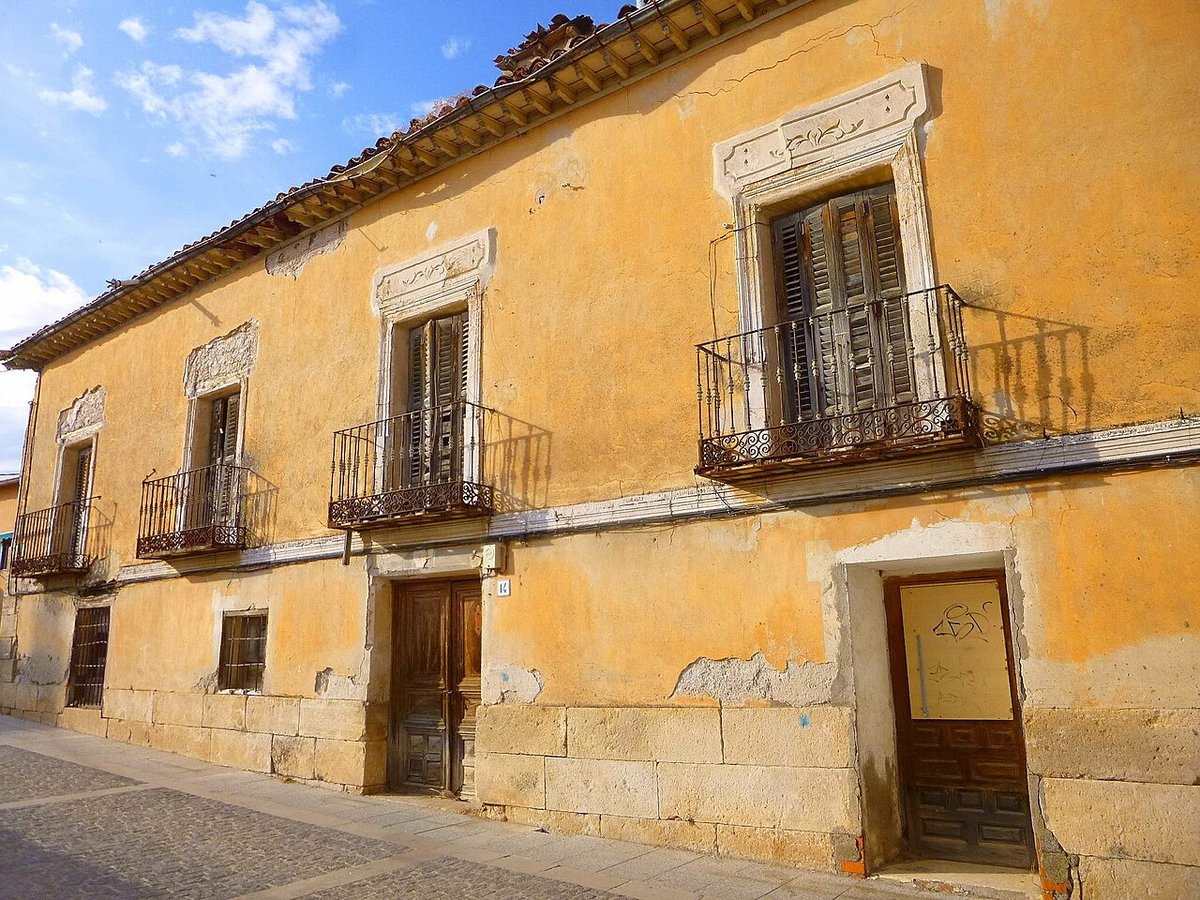
Walk the compact grid of streets and you'll notice the absence of things. No souvenir shops. No chain cafés. No interpretive centres with interactive displays. Just stone and adobe walls that have settled into comfortable middle age, wooden doors that still require a key rather than a swipe card, and wrought-iron balconies where geraniums survive despite Madrid's temperature swings. The houses aren't museum pieces—they're working homes with satellite dishes and modern cars parked beside them—but someone has resisted the urge to render everything in magnolia.
San Pedro Apóstol church dominates the skyline without trying. Its tower, recognised as a Property of Cultural Interest, rises square and solid above the plaza. Inside, the nave is refreshingly plain. No baroque excess or gold leaf here. The attraction lies in proportions that feel right, in stone worn smooth by five centuries of parishioners, in light that shifts gradually across whitewashed walls as morning progresses. Photography enthusiasts should note: the exterior works best at golden hour when the stone warms to honey tones against Madrid's famously blue sky.
When the Fields Become Your Walking Route
The real revelation lies beyond the last houses. Within five minutes, agricultural tracks lead into dehesa landscape: ancient holm oaks scattered across pasture, stone walls marking historic boundaries, and paths that follow medieval livestock routes. These aren't marked hiking trails with colour-coded waymarks. They're working farm tracks where you'll share space with tractors and the occasional herd of sheep. Wellington boots advisable after rain—the clay soil turns slick and clings to everything.
Spring brings the most dramatic transformation. Winter wheat creates rippling green seas that shift colour hourly. By late June, harvesters work through the night, filling the air with dust and the sweet smell of cut grain. Autumn sees stubble fields turn silver under moonlight, while winter reveals the underlying contours: dry stone walls, abandoned threshing circles, and the occasional ruined cortijo that once housed agricultural workers.
Birdwatchers should bring binoculars. Kestrels hover above field margins, hoopoes call from oak branches, and shrikes impale insects on thorn bushes. The altitude—900 metres means temperatures typically run five degrees cooler than Madrid—creates ideal conditions for raptors that struggle in the capital's heat island.
Eating What the Land Provides
Local cuisine reflects agricultural reality. Restaurants serve what surrounding farms produce: roast lamb that spent its life grazing these pastures, migas fried in olive oil from trees that predate your grandparents, and pulses cooked slowly with vegetables that never saw a plastic wrapper. Don't expect extensive menus. The bakery might offer three types of bread if you arrive early enough. The bar serves coffee that's strong enough to anchor a ship and tortilla that's been perfected rather than reinvented.
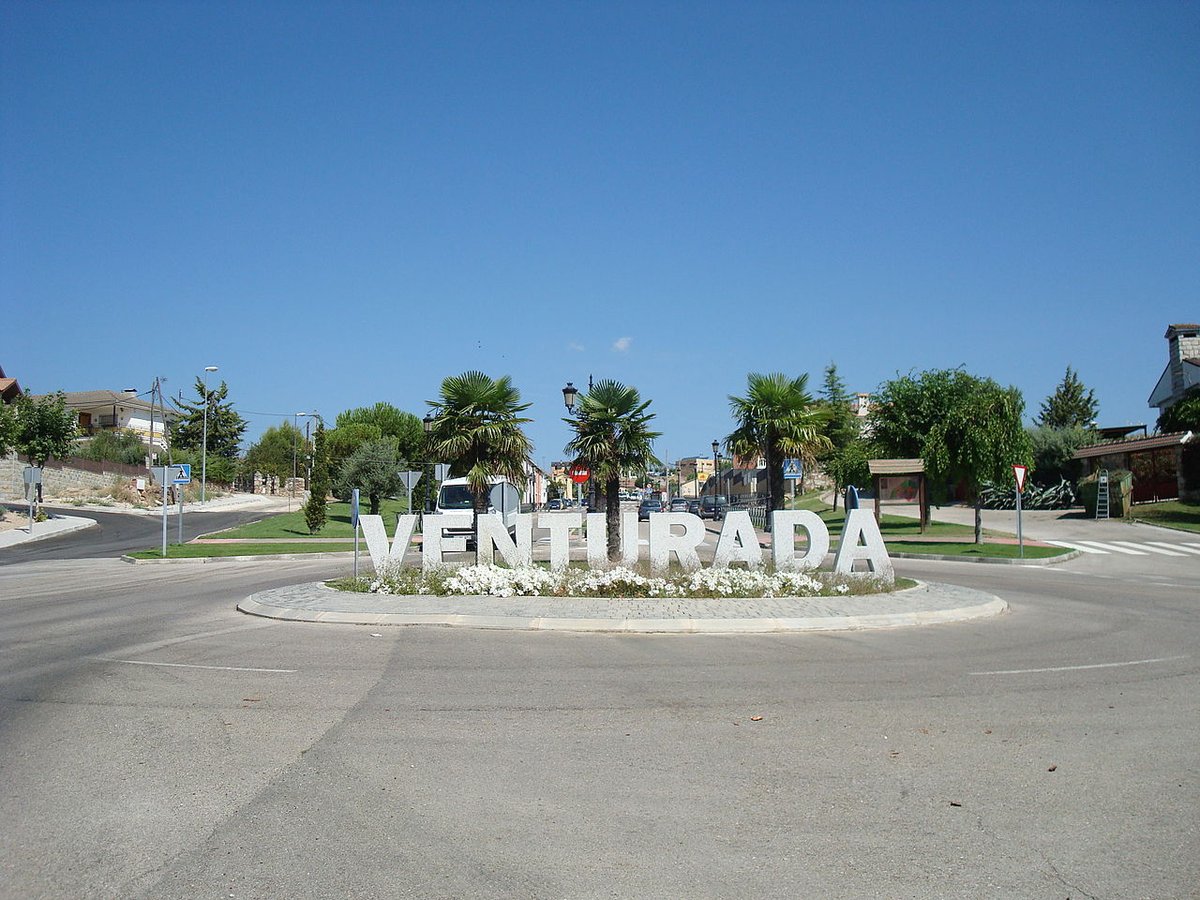
Weekend visitors should check opening times carefully. Several establishments close Monday to Wednesday, others operate reduced winter hours. The nearest supermarket sits fifteen kilometres away in Venturada—plan accordingly if self-catering. Those staying in village houses should note that tap water comes from local wells and tastes distinctly mineral. Tea drinkers might prefer bottled.
Getting There Without the Stress
Torremocha lies 65 kilometres north of Madrid, but the journey feels longer than it should. The A1 motorway speeds you past the capital's northern suburbs, then regional roads narrow and wind through increasingly rural terrain. The final approach involves single-track sections where meeting a combine harvester requires reversing skills. Journey time from Barajas airport averages seventy minutes in good traffic—add thirty for Friday afternoon departures when Madrileños head for their weekend houses.
Public transport exists but tests patience. One daily bus connects to Madrid's Plaza de Castilla, departing early morning and returning mid-afternoon. It serves locals rather than tourists—expect schoolchildren and shopping bags rather than rucksacks and cameras. Car hire remains essential for exploring surrounding villages or reaching walking routes beyond the immediate area.
When to Time Your Visit
April and May deliver the most comfortable walking weather: temperatures hover around eighteen degrees, wildflowers carpet field margins, and the risk of summer thunderstorms remains minimal. September offers similar conditions plus the drama of harvest activity. July and August become challenging—midday temperatures regularly exceed thirty-five degrees and shade proves scarce on exposed farmland. Winter brings crystal-clear skies but sub-zero nights; accommodation prices drop accordingly.
Festival dates transform the village's character entirely. San Pedro celebrations in late June fill the plaza with temporary bars and live music that continues past 3am. August's summer fiestas attract former residents from Madrid, swelling numbers to several thousand. The normally peaceful church square becomes impassable, and parking requires patience plus creative interpretation of traffic regulations. These events offer authentic Spanish village life—just arrive prepared for noise and crowds rather than contemplative solitude.
The Honest Assessment
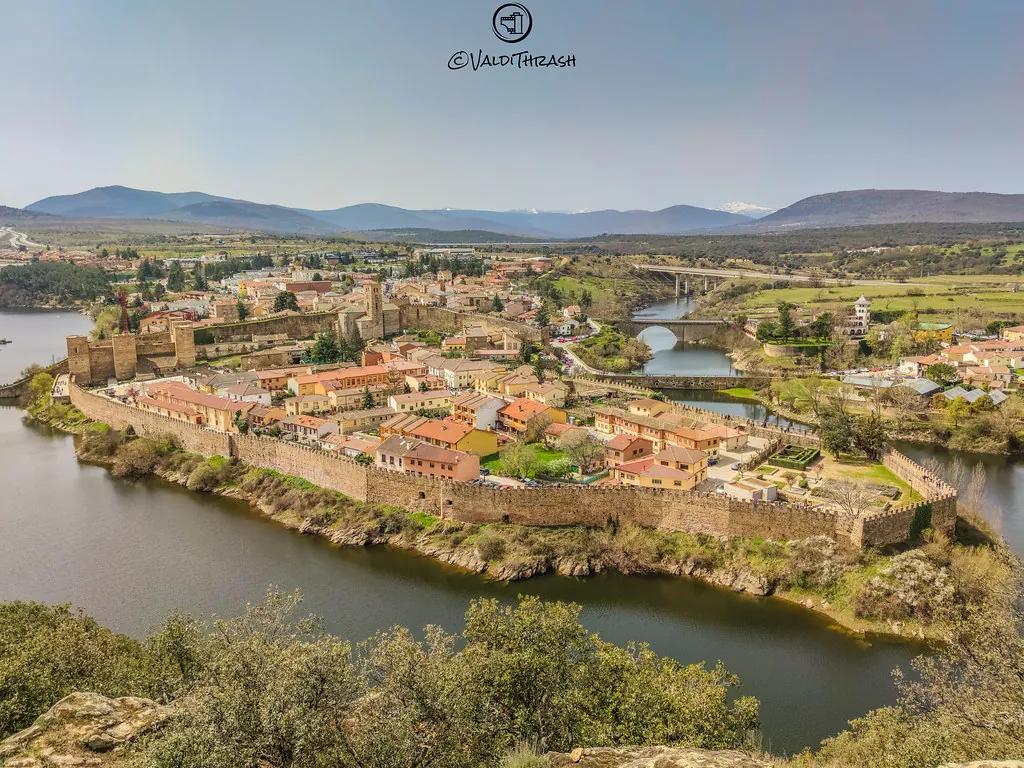
Torremocha de Jarama won't occupy a full day unless you walk extensively. Two hours covers the historic core, church visit, and coffee stop. Three allows a decent country walk and lunch. It works best as part of a northern Madrid circuit: combine with El Molar's Roman remains or Buitrago's medieval walls for a full day excursion. The village rewards those seeking Spain's agricultural reality rather than its tourist brochure highlights. Come expecting rustic authenticity rather than polished attractions, and bring curiosity about how villages function when coach parties don't arrive hourly. You might leave with wheat stalks in your socks and dust on your shoes, but you'll have experienced something increasingly rare: a Spanish village that exists for its residents, not for your Instagram feed.