Full Article
about Venturada
Residential town on the Burgos highway; it has a visitable medieval watchtower.
Ocultar artículo Leer artículo completo
The village that starts at the slip road
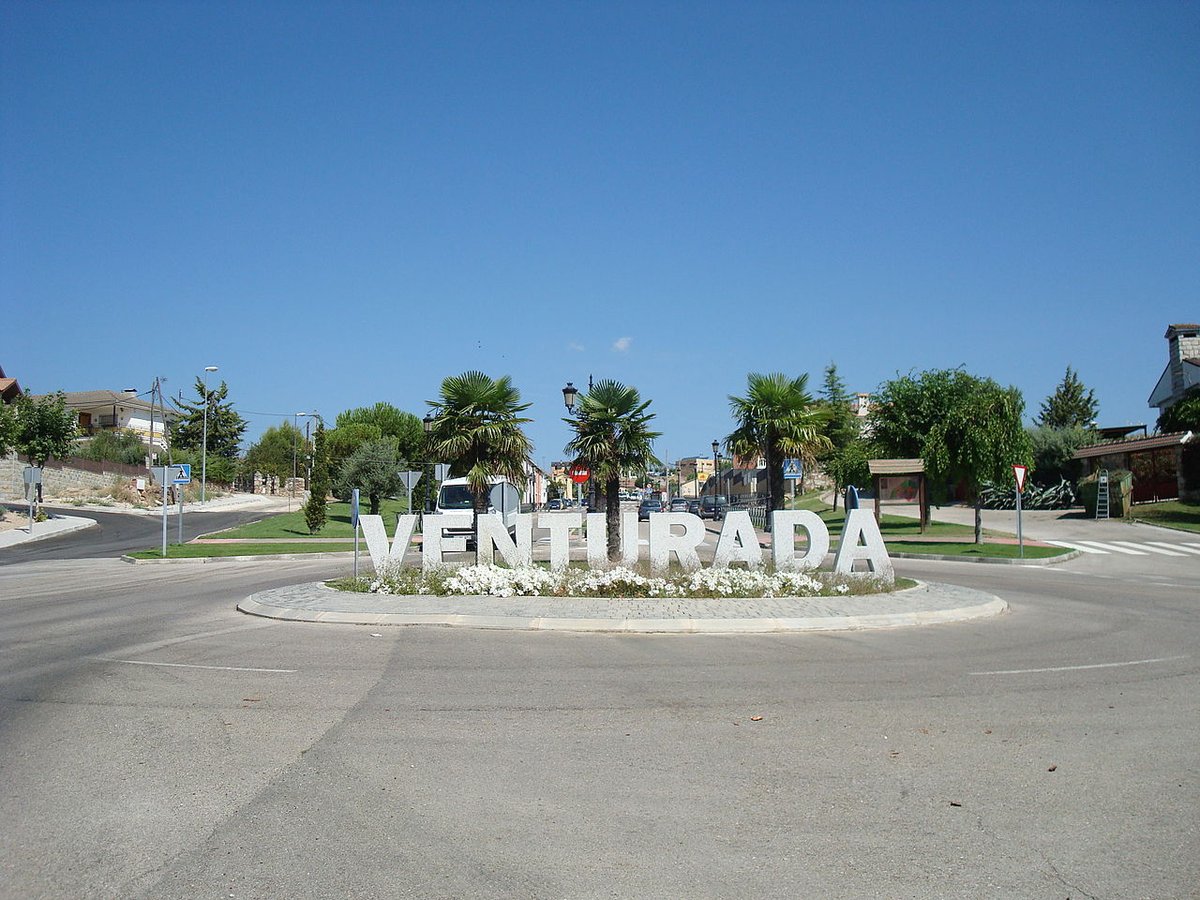
Leave the A-1 at junction 50 and the temperature drops three degrees before you've even found reverse. Venturada sits 864 metres above sea level, high enough for the air to taste different after Madrid's exhaust-fume soup. The first thing you notice is the horizon – suddenly there's one – followed by the sound of your own tyres on gravel instead of tarmac.
This isn't one of those villages that pretends time stopped in 1953. It's a working place where half the residents commute to Madrid and the other half raise fighting bulls. The houses are proper homes, not holiday lets, which means you'll see school uniforms drying on balconies and grandmothers shouting across the street about bread. Park on the edge and walk in; the centre is three streets wide and takes exactly seven minutes to cross diagonally.
Stone, brick and the smell of wet oak
The Iglesia de Santa María Magdalena squats at the top of the main drag like a referee watching play. Built between the 16th and 18th centuries, it shows: one tower is square, the other octagonal, and nobody quite knows why. Walk around it twice – the second lap reveals a fragment of Romanesque arch reused as building rubble and a stork's nest that weighs more than a Mini Cooper.
From the church door, every route leads downhill to the Plaza Mayor, a rectangle of granite slabs warmed by morning sun. The bar on the corner opens at seven for truckers and keeps serving café con leche until the coffee runs out. Order one and you'll get a glass of water on the side, no charge, plus a view of the old prison stones set into the opposite wall. They're smooth from centuries of bored thumbs.
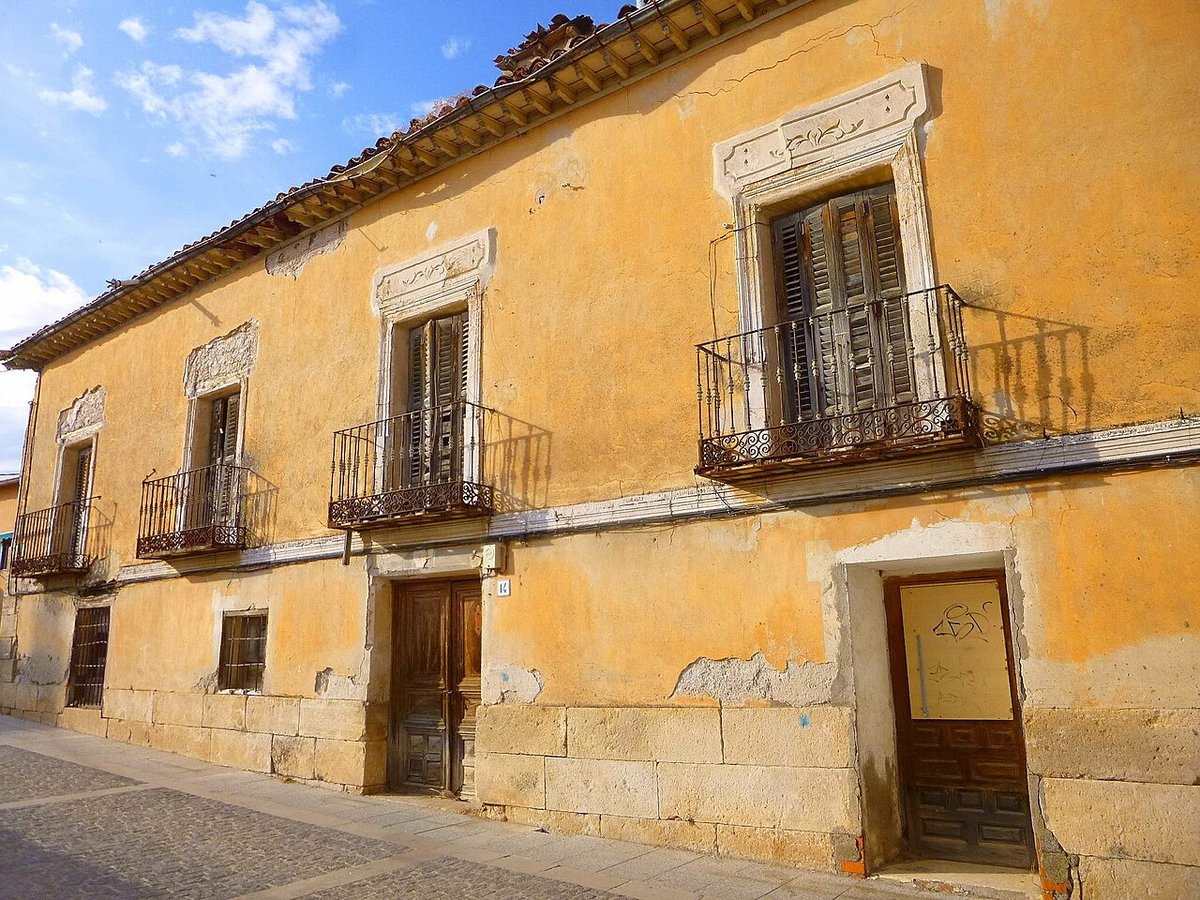
The houses here mix ochre stone with brick the colour of dried blood. Look up and you'll see wooden balconies held together with iron straps, each one slightly crooked after winter snows. Some facades still carry the ghost of 19th-century shop signs – "Harina" painted in flaking blue, "Tobacos" half erased by rain. The effect is unintentional art, not heritage theatre.
Walking until the motorway fades
Within five minutes of the last house the landscape opens into dehesa – grassland dotted with holm oaks that look like they've been bonsai-ed by centuries of sheep. Paths head north towards the Sierra de Guadarrama, all wide enough for two walkers and a spaniel. The most popular route follows an old drovers' track to the 12th-century watchtower at Torre de los Frailes, 45 minutes each way and mostly flat.
If you've got boots and a sandwich, keep going. After an hour the track climbs gently to Puerto de la Cruz Verde (1,150 m) where Madrid's radio masts glint on clear days and vultures wheel overhead. Spring brings wild crocus and the smell of thyme; autumn turns the broom scarlet and the oaks the colour of burnt toast. Summer walkers should start early – shade is scarce and the sun at 900 metres has bite.
Cyclists use the same paths, though mountain bikes cope better than road machines once the surface turns to white limestone chippings. The local club marks routes with dots of yellow paint that are refreshingly easy to follow, unlike the cryptic arrows that plague other regions.
Meat, cheese and breakfast that isn't toast
Venturada's restaurants know their audience: hungry people who've driven two hours from Madrid or are about to tackle the A-1 north. Portions are sized accordingly. At El Cazador, half a roast kid feeds three normal appetites and arrives with a jug of local red that costs less than a London pint. The menu del día runs €12-15 and includes wine, bread and pudding – try the "arroz con leche" scented with lemon peel.
For breakfast, Oasis Sierra has cornered the market on scrambled eggs, bacon and proper coffee. It's popular with Brits because the owner speaks fluent motorway-Spanish and doesn't flinch at requests for decaf. The garden is fenced, which matters if you've brought the dog, and there's a hosepipe for muddy paws. Book ahead at weekends; tables fill with Madrid families who've discovered the terrace views.
Shops are limited: one baker, one grocer, one chemist. The baker opens at 6.30 am and sells "picos" – tiny breadsticks that fit neatly into car cup-holders – plus a decent sourdough that keeps for days. Cheese comes from Colmenar Viejo, 20 minutes south: ask for "queso de oveja curado" if you like a punchy manchego style.
When white stuff stops the buses
Winter arrives overnight. One December morning the temperature can lurch from 12 °C to minus 2 °C, stranding commuters who assumed Madrid's mild forecast applied here too. Snow isn't guaranteed but when it comes, the M-131 becomes a toboggan run and the village WhatsApp group swaps photos rather than grit. If you're driving, carry chains between November and March; the Guardia Civil check at the first flake.
The upside is empty paths and oak branches outlined in frost. The downside is closed bars – locals light their wood stoves and stay home. Phone ahead if you want lunch; chefs don't stand around polishing glasses for tourists who might not arrive.
Summer brings the opposite problem: heat that feels personal. By 2 pm the streets are empty, the metal shutters clanged down like eyelids. Siesta is enforced by physics, not tradition. Plan walks for dawn or dusk; the light then turns the stone walls honey-coloured and the oaks become theatrical silhouettes.
Practical bits without the brochure speak
From Madrid-Barajas Airport it's 39 km – 30 minutes on a good day, an hour if the M-40 is snarled. Santander ferry arrivals should aim for lunch here before confronting Madrid's ring road; the turn-off appears exactly when the sat-nav starts warning of 50 km of congestion ahead.
There's no train. Buses run four times daily from Madrid's Plaza de Castilla, dropping you at the edge of the village next to a petrol station that sells better wine than most UK off-licences. Taxis from Colmenar Viejo cost around €30; book through the rank outside the Corte Inglés.
Accommodation is mostly rural houses: three bedrooms, stone floors, Wi-Fi that flickers when it rains. Prices hover round €90-120 per night for the whole place, making it cheaper than two Madrid hotel rooms plus dog kennels. Check whether the garden is fenced; "terraza" doesn't always mean secure for escape-artist spaniels.
Leave the village by the same road you entered, but notice how the temperature rises as you descend. By the time you merge onto the A-1, Venturada feels like a brief error in altitude. That's the deal: a breath of mountain air before Spain's interior reasserts itself, one truck and one degree at a time.