Full Article
about Colmenar del Arroyo
A charming village known for its poetic phrases on the walls; it preserves Romanesque bridges and rural architecture.
Ocultar artículo Leer artículo completo
The Village That Breathes at 850 Metres
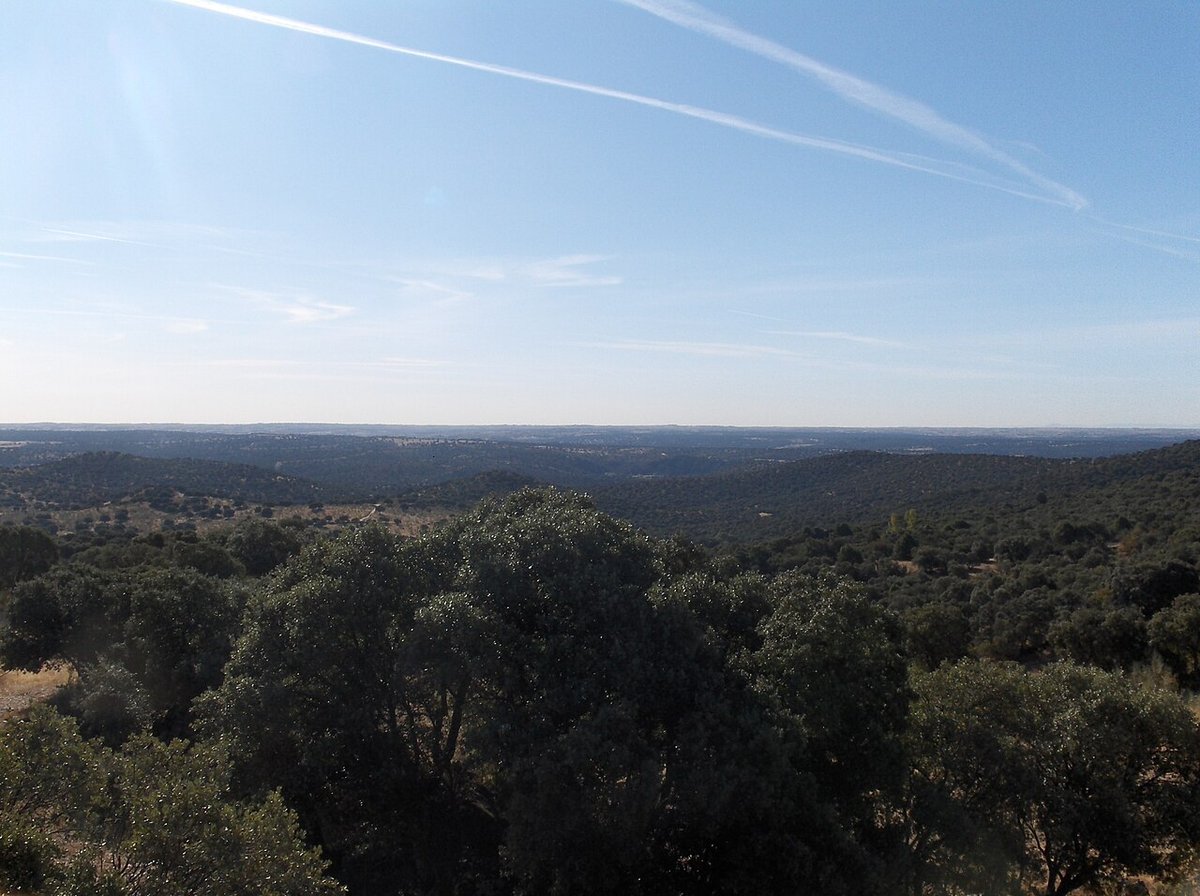
The road from Madrid climbs steadily for forty minutes before Colmenar del Arroyo appears, perched at 850 metres above sea level. At this altitude, the air carries a noticeable crispness even in late spring, and the Sierra Oeste's dehesa landscape spreads out like a living map below. The village's name—literally "apiary of the stream"—hints at what awaits: a place where water, woodland and human settlement have found a practical balance over centuries.
Five thousand residents call this home, though the numbers swell slightly on summer weekends when madrileños escape the capital's heat. The altitude makes a difference here. Summer temperatures sit five degrees cooler than Madrid, while winter brings proper mountain weather. Snow isn't unheard of from December through February, and the occasional morning frost can linger until April. This isn't a village for year-round sandals, despite being only 55 kilometres from the capital.
Stone, Brick and the Art of Not Rushing
Santa María Magdalena church squats solidly in the village centre, its medieval bones wrapped in later renovations. There's no ornate baroque excess here—just thick stone walls and a tower that has weathered centuries of mountain storms. The building sets the tone for what follows: functional, weathered, honest.
Wandering away from the plaza reveals a village built for practicality rather than postcard perfection. Short streets lined with two-storey houses in local stone and brick create a compact urban core that takes twenty minutes to cross at a leisurely pace. Wooden doors show their age in interesting ways—some sagging slightly, others reinforced with ironwork that speaks of past centuries' security concerns. Patios remain mostly hidden behind high walls, glimpsed only when gates stand ajar.
The real architectural interest lies in the details. Look for the traditional houses with their ground-floor stables now converted into garages, or the occasional wooden balcony that has somehow survived modernisation. These aren't museum pieces but working buildings adapted over generations. The village's character emerges slowly, revealed in doorways and window frames rather than grand monuments.
Walking Country Where Boots Matter
Colmenar's greatest asset spreads beyond its urban limits. The surrounding dehesa—a managed landscape of holm oaks and cork trees interspersed with pasture—creates a natural walking playground. Local paths range from thirty-minute loops suitable for families to half-day hikes that connect with the wider Sierra Oeste network.
The terrain demands proper footwear. Summer months bake the earth rock-hard, creating ankle-turning ruts disguised as smooth paths. Winter and spring bring the opposite problem: clay sections that turn slick after rain. Morning walks prove most comfortable year-round—summer afternoons can push 35°C despite the altitude, while winter mornings often start below freezing before warming to pleasant hiking temperatures.
Birdwatchers should bring binoculars. The dehesa supports an impressive avian population: hoopoes flash their distinctive wings from tree to tree, while booted eagles circle overhead. Spring mornings deliver a natural soundtrack that rivals anything streaming through headphones.
Mountain Food Without the Fanfare
Local restaurants serve food that makes sense at altitude. Hearty stews appear in autumn and winter, built around locally hunted wild boar or seasonal vegetables. Migas—fried breadcrumbs with chorizo and grapes—provides the calorific hit needed after morning walks. Portions trend generous rather than delicate, reflecting both agricultural traditions and the mountain appetite that altitude stimulates.
Game appears seasonally on menus, though autumn hunting season brings the most variety. Expect partridge, rabbit and wild boar prepared simply—roasted, stewed or grilled without molecular gastronomy flourishes. The local wine list tends toward nearby Méntrida and Tierra de Castilla varieties, robust reds that pair naturally with the substantial food.
Summer menus lighten slightly, though this remains resolutely inland Spanish cooking. Salads feature local tomatoes with proper flavour rather than watery greenhouse versions, while grilled meats dominate main courses. Vegetarians face limited but adequate options—Spanish tortilla, seasonal vegetable stews and the ubiquitous tomato salad.
Practicalities for the Weekender
Driving remains the most practical access method. The A-5 motorway from Madrid delivers you to the village in under an hour, though weekend traffic heading to nearby San Martín de Valdeiglesias can add twenty minutes to the journey. Public transport exists but requires patience—two buses daily from Madrid's Príncipe Pío station, with journey times stretching toward two hours via various stops.
Accommodation options reflect the village's scale rather than its ambitions. Albus Albi Alojamientos Rurales garners consistent praise for its converted village houses, while Hospederia El Cedro offers simpler rooms at lower prices. Booking ahead proves essential during July's fiesta week and August weekends, when half of Madrid seems to head for the mountains.
Parking within the historic core requires optimism and compact car dimensions. Narrow streets built for donkeys struggle with modern SUVs. The municipal car park near the sports centre provides stress-free alternative, though it's a five-minute walk to the church square. Consider it a blessing in disguise—the walk helps work off lunch.
When the Village Shows Its Colours
Santa María Magdalena's July fiesta transforms the village temporarily. The normally quiet plaza fills with temporary bars and the sound of music drifting until dawn. Locals who've emigrated to Madrid return en masse, creating a temporary population boom that sustains the village's social fabric. It's either the best or worst time to visit, depending on tolerance for crowds and late-night noise.
May's San Isidro celebrations offer a gentler introduction to local traditions. Agricultural themes dominate—blessing of fields, traditional costumes, communal meals that spill onto the streets. The altitude means pack layers: morning processions might require jumpers while afternoon events demand sun hats.
Winter visits bring their own rewards. Clear mountain air delivers views stretching toward the Guadarrama range, while local bars provide refuge around wood-burning stoves. The village's altitude means proper winter weather—something increasingly rare in southern England—without extreme Alpine conditions.
Colmenar del Arroyo won't overwhelm with attractions or exhaust with possibilities. It works best as a base for mountain wandering, a place to slow down and remember that Spanish village life continues largely independent of tourism trends. Come for the walking, stay for the gradual revelation of a place that has found its rhythm and sees no reason to change it.