Full Article
about Pelayos de la Presa
By the San Juan reservoir; known for its Cistercian monastery and swimming spots
Hide article Read full article
A morning by the water
Nine o’clock on a July Saturday and the heat is already pressing down. From the bridge on the M‑501 road, the San Juan reservoir stretches out below, sometimes flat, sometimes lightly rippled, edged with pine trees that make it clear this is still mountain country, even with Madrid just over an hour away.
Down by the artificial beach, a strip of sand brought in by lorry years ago, the first visitors from the capital lay out bright towels. Someone has brought a speaker, and music drifts across the shore, blending with the distant buzz of jet skis beginning to move further out on the water.
A village facing the reservoir
Pelayos de la Presa lives with its gaze fixed on the water. From many streets, the reservoir appears between the pines, a sheet of blue opening out among rounded hills. Houses cling to the slope, white or cream, with tiled roofs that darken under winter rain.
The main square is small, centred on a bandstand that now serves more as a meeting point than a performance space. By mid-morning there is always a bit of movement. People head out to buy bread, neighbours pause to comment on the reservoir’s water level, cyclists stop briefly before continuing uphill.
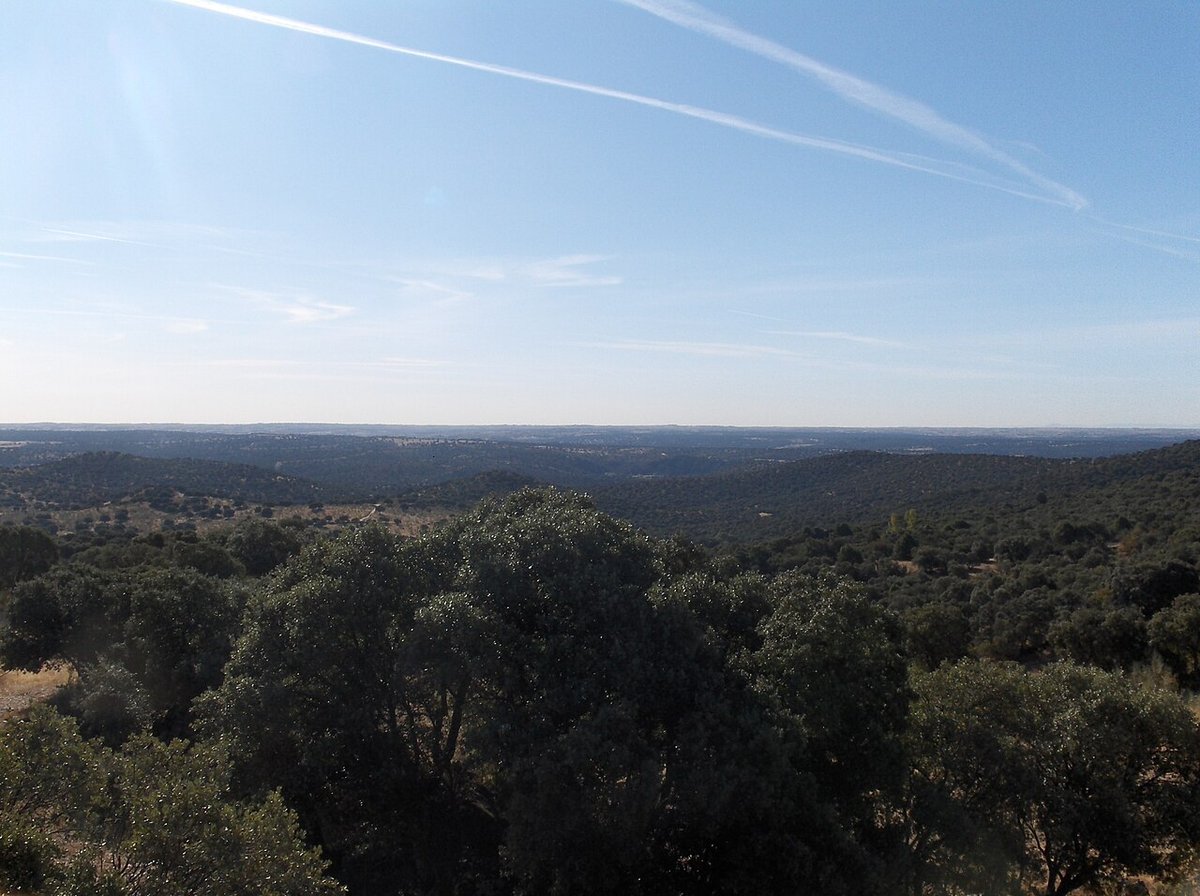
The municipality itself is not large, but it brings together two distinct landscapes. Pine forests climb towards the higher ground of the sierra, while the reservoir’s edges feel different, with more humidity in the air and, in summer, a mix of still water and warm resin in the scent. Around three thousand people live here year-round, though numbers rise sharply in the warmer months. Then come cars squeezed into any available space, children running about in flip-flops, and terraces filling up as evening approaches.
What lies beneath the surface
When the San Juan reservoir was created in the mid-20th century, water covered part of the old valley: a bridge, mills and a small chapel that many older residents still remember. When levels drop significantly, which tends to happen in some autumns, there are those who say the remains of these structures can be glimpsed among mud and stones.
Close by stands the monastery of Santa María de Valdeiglesias, founded in the 12th century. Cistercian monks shaped much of the area’s economic life for centuries, organising livestock, crops and trades linked to wool and hides. The name of the wider area comes from this monastery and the old churches that once depended on it.
Over time, the population here rose and fell more than once, something common in the Madrid mountains. What is now Pelayos grew gradually along the old routes that once led down towards the river.
A typical summer Saturday
By midday, the heat intensifies and the beach fills up. Families arrive from Madrid carrying cool boxes, parasols pushed into the sand, and bags of ice that do not last long. Some rent kayaks or boards and cross the reservoir at an unhurried pace, leaving brief trails that disappear almost at once.
Along the shore, the smell of sun cream mixes with that of pine trees warmed by the sun. If there is a breeze, it carries the hollow clinking sound of rigging from small sailing boats tapping against their masts.
Up in the village, the rhythm is slower. On Calle Real, neighbours sometimes bring a chair outside once the shade reaches the façades. A dog sleeps pressed against the coolest wall it can find. In the local shop, shopping is unhurried: bread, ice, something for supper. Conversations often circle back to the same topics, whether the water feels cold, whether there are more visitors this year than last.
When the light fades
Late in the day, the light shifts quickly. The reservoir changes from pale blue to a darker, almost metallic tone. Fishing boats return slowly towards their moorings, and the soft hum of small engines lingers over the water.
On the beach, people gather their towels, cool boxes and parasols. Footprints remain in the sand, along with the damp smell that settles as the heat drops. Back in the village, terrace tables begin to fill, and children keep playing in the street while there is still light.
Summer nights here tend to cool down. Air moves down from the sierra, passing through the pine forests before reaching the village, carrying the scent of resin and dry earth beginning to lose the day’s heat.
Getting there and choosing your moment
Reaching Pelayos de la Presa from Madrid is straightforward: first the A‑5, then the M‑501, which leads into the Sierra Oeste and eventually descends towards the reservoir along gentle curves through the pines.
If timing is flexible, it is worth avoiding weekends in July and August. Access to the beach becomes crowded, parking more complicated, and the atmosphere noticeably busier. During the week, especially early in the morning or towards evening, the place feels closer to a mountain village than a mass day-trip destination.
Traditionally, the romería of San Blas takes place in late spring, one of the moments when more locals gather outdoors. Outside those dates, winter brings a different pace: fewer people, more quiet, and paths that invite a slower kind of walk.